
Leaf Blower
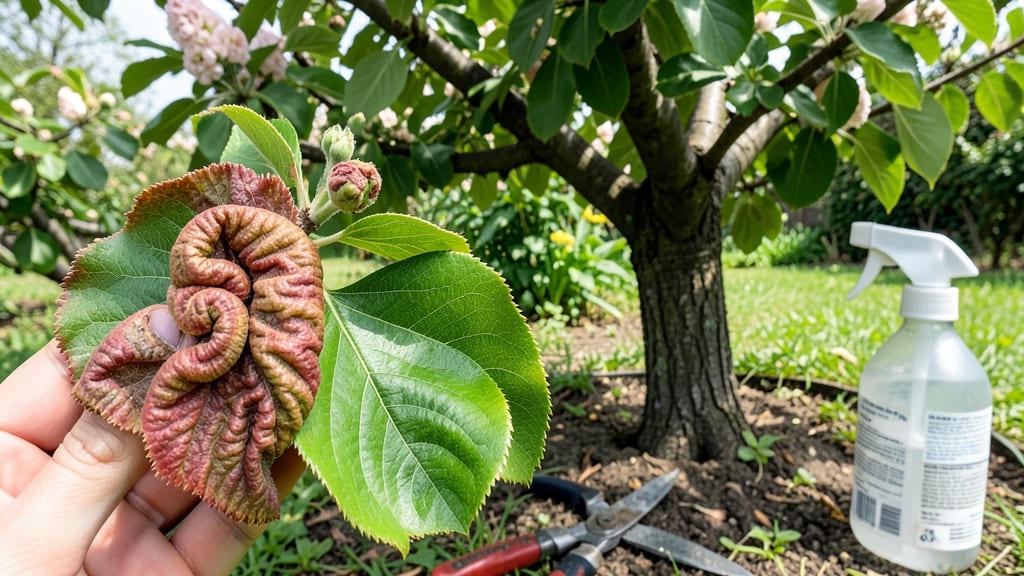
Your pear tree’s leaves are curling into ugly, blistered messes—this is pear leaf curl, and it’s worse than it looks. 🌿 Without treatment, the fungus (Gymnosporangium spp.) will weaken your tree over time, reducing fruit and even killing branches if ignored.
The good news? Organic copper sprays can stop it in its tracks when applied at the right time.
Here’s the thing—this disease thrives in wet springs, and once those curled leaves appear, it’s already too late for that season. Prevention starts in late fall or early winter with a copper fungicide spray (like copper sulfate or copper hydroxide) before buds swell.
Think of it as armor for your tree before the battle begins.
By spring, you’ll see fresh, smooth leaves pushing out instead of those deformed, puckered ones. The key is consistency: reapply copper sprays every 4-6 weeks during the growing season, and always clean up fallen leaves to starve the fungus.
Resistant varieties like ‘Moonglow’ or ‘Kieffer’ can also save you future headaches.
This isn’t just about saving leaves—it’s about keeping your tree productive for decades. A little copper spray now means fewer pruning regrets later. Let’s get your pears back on track.
The Hidden Triggers Behind Leaf Distress
Pear leaf curl isn’t just a random blight—it’s a fungal infection with specific triggers that create the perfect storm for your trees. Understanding these causes is the first step to stopping it before it spreads.
Let’s break down the science behind why your pear tree’s leaves might be curling, puckering, or turning unsightly.
The primary culprit behind pear leaf curl is the Taphrina deformans fungus, a microscopic invader that waits patiently in tree bark and buds during winter. Here’s how it works:
- Dormant spores survive harsh conditions by embedding themselves in the bark’s crevices or within buds.
- When spring arrives, warmth and moisture trigger the spores to germinate, infecting new leaves as they emerge.
- Old, infected bark acts like a fungal reservoir—removing it reduces future outbreaks.
💡 Pro Tip: Prune and remove infected branches in late winter or early spring (before buds swell) to minimize spore spread. Dispose of prunings in the trash—not the compost!
This fungus thrives in cool, wet springs, which is why outbreaks spike in years with:
- Rainy, overcast weather (especially 50–60°F temperatures) that keeps leaves damp for extended periods.
- High humidity, which allows spores to splash from bark to leaves via raindrops.
- Slow leaf drying—shady or crowded trees hold moisture longer, giving the fungus more time to infect.
🌡️ Key Insight: If your area has a history of soggy springs, preventive sprays (like copper or neem oil) should be applied before buds swell, not after symptoms appear.
A healthy pear tree fights off infections, but stress weakens its natural defenses. Common stressors that make trees vulnerable include:
| Stressor | How It Helps the Fungus |
|---|---|
| 🌞 Poor sunlight (shady locations) | Reduces photosynthesis, starving leaves of energy to fight infections. |
| 💧 Over/under-watering | Disrupts nutrient uptake; drought stress weakens roots, while soggy soil invites fungal growth. |
| 🍄 Competing fungi/bacteria | Other pathogens (like fire blight) can compromise the tree’s immune response. |
| ✂️ Improper pruning | Open wounds invite infections; always prune in dormant season with clean tools. |
✨ Actionable Fix: Boost tree health with balanced fertilization (high in nitrogen for leaf growth, but not too much—it can burn roots). Mulch 3–4 inches deep to regulate soil moisture and temperature.
While the fungus itself isn’t spread by insects, sap-sucking pests (like aphids, scale, or mites) weaken leaves, making them prime targets for infection. Here’s the connection:
- Aphids excrete honeydew, a sugary film that fosters sooty mold—blocking sunlight and stressing the tree.
- Scale insects pierce bark, creating wounds where fungal spores can latch on.
- Spider mites cause stippling (tiny white dots) on leaves, reducing their ability to photosynthesize.
🔥 Prevention Tip: Monitor for pests in early spring and treat with horticultural oil or insecticidal soap before leaf curl symptoms appear.
Now that you know the root causes of leaf curl, the next step is organic fungicide strategies to stop it in its tracks. Stay tuned!
Quick Fixes for Twisted Leaves
When your pear tree’s leaves start curling like a sad paper airplane, don’t panic—there’s a way to turn things around! The key is acting fast, using organic methods, and preventing future outbreaks.
Below, we’ve broken down the most common causes of leaf distortion and paired them with practical, step-by-step solutions—plus pro tips to keep your tree thriving.
If leaf curl is caused by the Erwinia amylovora bacteria (fire blight) or fungal pathogens like Gymnosporangium, your first move is to stop the spread and restore balance.
🍳 Step 1: Prune Infected Branches
- 🔪 Cut out any curled, blackened, or oozing branches 6–12 inches below the damage (bacteria can hide in buds).
- 🔥 Sterilize tools between cuts with 70% isopropyl alcohol or a 10% bleach solution (1 part bleach to 9 parts water).
- 🗑️ Bag and dispose of pruned material immediately—don’t compost it!
👨🍳 Step 2: Apply Organic Fungicide Sprays
Use copper-based sprays (like copper sulfate or copper hydroxide) or baking soda mix (1 tbsp baking soda + 1 tsp dish soap + 1 gallon water) to prevent fungal growth.
- 🌿 Best time to spray: Early spring (before buds swell) and after rain (fungi love moisture).
- 💡 Pro Tip: Add neem oil (1 tsp per quart of water) for extra antifungal power.
🌡️ Step 3: Improve Airflow & Drainage
- 🌳 Thin out dense branches to let sunlight and air circulate.
- 💧 Water at the base (avoid wetting leaves) and improve soil drainage with compost or sand.
If curling is due to heat stress, aphids, or spider mites, your tree needs immediate relief and long-term care.
🥗 Step 1: Shield from Extreme Heat
- 🌳 Provide afternoon shade with shade cloth (30–50%) if temps hit 90°F+.
- 💧 Deep water in the early morning (1–2 inches per week) to prevent wilting.
🕷️ Step 2: Battle Pests Naturally
- 🐜 For aphids/spider mites: Spray with soapy water (1 tsp mild soap + 1 quart water) or insecticidal soap.
- 🐝 Encourage beneficial insects like ladybugs (they eat pests!) by planting dill or marigolds nearby.
✨ Step 3: Boost Tree Health
- 🌱 Feed with organic fertilizer (like fish emulsion or compost tea) in early spring.
- 🍎 Mulch with wood chips (2–3 inches deep) to retain moisture and regulate soil temp.
Once your pear tree bounces back, lock in those gains with these easy maintenance habits:
| Problem | Prevention Fix | When to Do It |
|---|---|---|
| Fungal spread | Copper spray + pruning | Late winter & early spring |
| Heat stress | Shade cloth + deep watering | Summer months |
| Pest infestations | Neem oil spray + ladybugs | Spring & fall |
| Poor drainage | Compost + raised beds | Fall (before winter) |
💡 Bonus Tip: Test your soil pH (ideal for pears: 6.0–7.0). If it’s off, amend with lime (to raise pH) or sulfur (to lower pH).
Remember: The sooner you act, the sooner your pear tree will bounce back—and with the right care, those leaves will be smooth, green, and curl-free in no time! 🌿✨
Frequently asked questions about pear leaf curl
What does pear leaf curl look like on my tree?
Infected leaves start with a reddish-purple blush in early spring, then curl and pucker into thick, leathery, wavy shapes. The undersides may develop a white, powdery fungal growth as the disease progresses. Unlike heat stress (which causes uniform wilting), leaf curl creates distinct, distorted patterns that persist for weeks.
Can I save my pear tree if it already has curled leaves?
You can't reverse the damage on current leaves, but you can prevent next year's outbreak! Prune infected branches immediately and apply copper fungicide (like copper hydroxide) in late winter before buds swell. Focus on keeping the tree healthy—healthy trees recover better from seasonal infections.
How often should I spray copper fungicide for prevention?
Apply copper-based sprays 2-3 times per year: once in late winter (before buds swell), again after spring rains, and optionally in early summer if humidity is high. Always follow label rates—overuse can harm beneficial soil microbes and plant roots.
Are there pear tree varieties resistant to leaf curl?
Yes! Some varieties show natural resistance, including 'Moonglow', 'Kieffer', and 'Seckel' pears. While no variety is completely immune, these types typically exhibit milder symptoms and better recovery. If you're planting new trees, consider these options for long-term management.
Will removing infected leaves stop the spread?
No—removing leaves alone won't stop the fungus. The spores survive in tree bark and buds, so you must prune infected branches (6-12 inches below damage) and apply fungicide sprays to dormant trees. Always dispose of pruned material in the trash, not compost.