
Leaf Blower
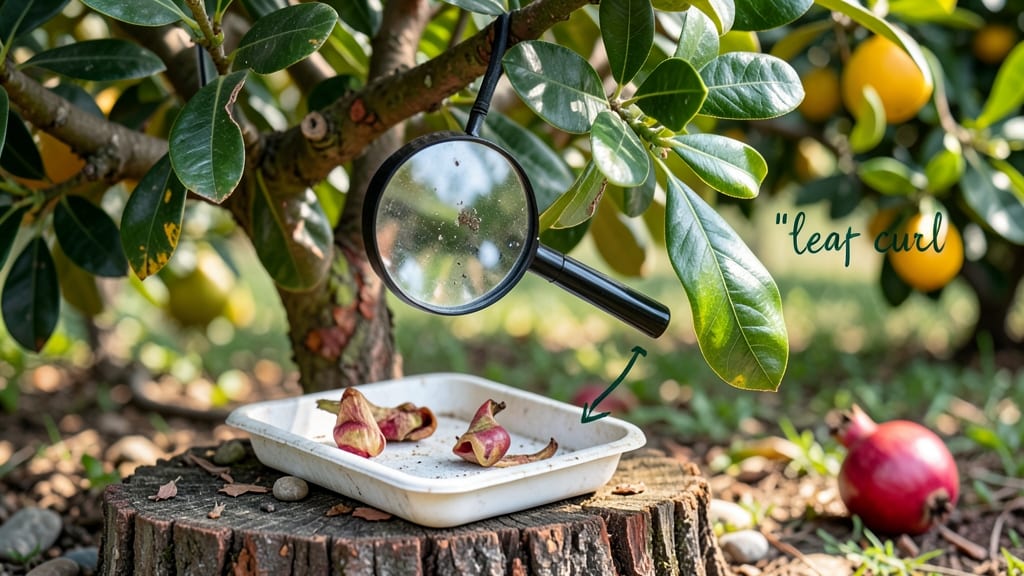
That crinkled, curled mess on your pomegranate leaves isn't just ugly—it's caused by the pomegranate leaf curl causal organism, a fungal infection called leaf curl, and it spreads faster than you think. 🌿 The culprit is usually Taphrina pruni, a fungus that thrives in damp conditions, twisting leaves into unusable, stunted growth.
Without quick action, it weakens your tree's ability to produce fruit and leaves it vulnerable to other pests.
You'll know it's leaf curl when you see thickened, yellow-green leaves that curl upward along the edges, often with a powdery coating. The fungus overwinters in buds, so if you spot it early in spring, you can still save your tree with the right treatment.
The key is acting fast—once the leaves fully curl, your options shrink dramatically.
Start by pruning infected branches back to healthy wood (at least 6 inches below the curl) and disposing of them in sealed bags—not your compost pile. Then apply a copper fungicide or neem oil spray every 10-14 days until new growth appears.
For organic gardeners, baking soda mixed with horticultural oil works too, but you'll need to repeat applications more often.
Prevention is your best long-term strategy: improve airflow around the tree, water at the base (not overhead), and remove fallen leaves in autumn. If your tree is young or small, you might even outgrow the problem entirely—just stay vigilant. The faster you act, the faster your pomegranate bounces back.
Root Causes Of Leaf Curl
Pomegranate leaf curl is a frustrating but manageable issue—once you understand what’s triggering it. The problem stems from a mix of fungal pathogens, environmental stress, and poor plant health. Below, we break down the key culprits behind this unsightly (and potentially damaging) condition.
The most common cause of pomegranate leaf curl is fungal infection, specifically from organisms like Cercospora, Alternaria, or Phyllosticta. These pathogens thrive in warm, humid conditions and exploit weak plant defenses.
- How it spreads:
- Fungal spores land on leaves, germinate, and penetrate through stomata (tiny pores) or wounds.
- Overhead irrigation or high humidity creates a perfect breeding ground.
- Infected leaves develop yellowing, curling, or dark spots as the fungus feeds on plant tissues.
- Why it worsens:
- Fungal growth accelerates in temperatures between 75–85°F (24–29°C) and high humidity (70%+).
- Poor air circulation (dense foliage) traps moisture, speeding up spore germination.
Pomegranates under stress are far more susceptible to leaf curl. Common triggers include:
- Extreme heat or cold
- Sudden temperature swings (e.g., frost followed by warmth) shock the plant, making it vulnerable.
- Prolonged heat stress (above 95°F/35°C) weakens cell walls, inviting fungal invasion.
- Poor drainage or overwatering
- Waterlogged roots starve the plant of oxygen, reducing its ability to fight pathogens.
- Wet leaves (from overhead watering) create a fungal-friendly microclimate.
- Nutrient deficiencies
- Lack of potassium, magnesium, or nitrogen weakens leaf structure, making curling more likely.
- Over-fertilization with nitrogen can also stress the plant, tipping the balance toward disease.
Insects like aphids, mites, or scale don’t cause leaf curl directly—but their feeding weakens leaves, creating entry points for fungi.
- How pests contribute:
- Aphids inject toxins while feeding, causing leaf distortion and curling.
- Spider mites suck sap, leading to yellowing and brittle leaves—ideal for fungal spores.
- Scale insects excrete honeydew, a sticky residue that promotes sooty mold (a secondary fungal issue).
- Signs to watch for:
- Sticky residue on leaves (honeydew).
- Visible webbing (mites) or tiny bumps (scale).
- Premature leaf drop or stunted growth.
Even with the right climate, cultural practices can accidentally invite leaf curl:
- Overcrowded plants
- Dense foliage traps moisture and blocks airflow, slowing evaporation and keeping leaves damp longer.
- Delayed pruning
- Dead or diseased leaves left on the plant harbor spores, reinfecting healthy growth.
- Ignoring sanitation
- Using contaminated tools (pruners, gloves) or mulch can transfer pathogens between plants.
To tackle leaf curl effectively, identify the root cause first:
- Check the environment: Is it consistently humid? Are leaves staying wet?
- Inspect for pests: Look under leaves for webs, eggs, or sap-sucking insects.
- Test soil & water: Are roots soggy? Is fertilizer balanced?
- Examine leaf patterns: - Fungal spots? Likely Cercospora or Alternaria. - Curling + yellowing? Could be mite damage or nutrient stress.
Pro Tip 💡: If you’re unsure whether it’s fungal or pest-related, collect a sample (a curled leaf in a paper bag) and take it to a local cooperative extension office for lab testing. A quick diagnosis saves time and money!
How to Fix Leaf Curl Fast
Pomegranate leaf curl can feel like a losing battle if you don’t act quickly, but with the right strategies, you can turn things around. Below, we’ve mapped out practical, step-by-step solutions tailored to the root cause—whether it’s fungal infections, pests, or environmental stress.
Follow these fixes to restore your pomegranate tree’s health and prevent future outbreaks.
If fungal pathogens (like Alternaria or Cercospora) or pests are to blame, start by eliminating the problem at the source.
- 🍳 Snip and Toss: Use sterilized pruning shears (clean with rubbing alcohol) to cut off all curled, yellowed, or spotted leaves.
Dispose of them in a sealed trash bag—do not compost—to prevent reinfection. - 👨🍳 Trim Affected Branches: If curl extends to branches, prune 2–3 inches below the last healthy leaf.
Thin out dense foliage to improve airflow. - ⏰ Best Time to Prune: Do this early morning when humidity is lower, or on a dry, windless day to avoid spreading spores.
💡 Pro Tip: After pruning, disinfect your tools again to kill lingering pathogens.
If leaf curl is fungal-related, targeted treatments can stop the spread and heal your tree.
🍄 Organic Solutions (Safe & Effective)
- 🥘 Neem Oil Spray: Mix 1 tbsp neem oil + 1 tsp mild soap + 1 quart water. Spray both sides of leaves in the early morning or evening (avoid direct sunlight).
Reapply every 7–10 days for 3–4 weeks. - 🌿 Copper Fungicide: Use copper hydroxide or copper sulfate (follow label instructions).
This disrupts fungal spores and is great for preventive care too. - 🍎 Baking Soda Spray: For mild infections, mix 1 tsp baking soda + 1 quart water + a few drops of dish soap. Spray leaves weekly to raise pH and inhibit fungal growth.
💊 Chemical Fungicides (For Severe Cases)
If organic methods fail, reach for systemic fungicides like:
- Propiconazole (e.g., Alamo)
- Chlorothalonil (e.g., Daconil)
- Myclobutanil (e.g., Immunox)
⚠️ Warning: Always follow label instructions and wear protective gear (gloves, mask). Rotate fungicides to prevent resistance.
A weak pomegranate tree is an open invitation for pests and diseases. Strengthen its defenses with these preventive care steps:
- 💪 Fertilize Smartly: Use a balanced fertilizer (10-10-10 or 8-3-9) twice a year—once in early spring and again after harvest.
Avoid over-fertilizing with nitrogen, which weakens immunity. - 🌱 Water at the Roots: Deep watering 2–3 times per week (more in extreme heat) encourages strong roots. Avoid overhead watering, which keeps leaves wet and promotes fungal growth. - 🌿 Mulch Properly: Apply 2–3 inches of organic mulch (straw or wood chips) around the base (but not touching the trunk).
This retains moisture, regulates soil temp, and reduces splash-up spores. - 🐞 Pest Control: If mites or aphids are contributing, blast leaves with water or use insecticidal soap. Introduce beneficial insects (like ladybugs) for natural pest management.
Environmental stress (like heat, humidity, or poor drainage) weakens pomegranates, making them susceptible to curl. Fix these common triggers:
| Problem | Solution |
|---|---|
| High Humidity | Improve airflow with proper spacing (plant 10–15 ft apart). Use a fan in greenhouses. |
| Poor Drainage | Amend soil with sand or perlite to prevent root rot. Ensure pots have drainage holes. |
| Extreme Heat | Provide afternoon shade (use shade cloth) during peak summer months. |
| Nutrient Deficiencies | Test soil and add micronutrients (like zinc or iron) if yellowing persists. |
Once your pomegranate recovers, lock in its health with these long-term strategies:
- 🌱 Rotate Fungicides: If you use chemicals, switch types annually to prevent resistance.
- 🔄 Sanitize Tools & Garden Beds: Clean pruners between trees and remove old plant debris in fall.
- 🍃 Monitor Regularly: Check leaves weekly for early signs of curl or spots. Act fast—the sooner you treat, the easier it is to control.
- 🌿 Choose Resistant Varieties: If leaf curl is recurrent, opt for disease-resistant pomegranate cultivars like Wonderful or Eversweet.
By combining removal, treatment, and prevention, you’ll restore your pomegranate’s vigor and keep those lush, curl-free leaves for seasons to come. 🌿💚
Frequently asked questions about pomegranate leaf curl
What are the most common organisms that cause pomegranate leaf curl?
The primary culprits behind leaf curl are fungal pathogens like Taphrina pruni, Cercospora, and Alternaria. These fungi thrive in warm, humid conditions and exploit stressed or weak pomegranate trees. Viruses like the pomegranate mosaic virus can also cause similar curling symptoms, though they're less common.
How can I tell if my pomegranate's leaf curl is fungal vs. viral?
Fungal leaf curl typically shows thickened, yellow-green leaves with a powdery coating, while viral infections often produce mosaic patterns or stunted growth without the same thickening. For a definitive diagnosis, collect a sample (a curled leaf in a paper bag) and take it to your local cooperative extension office for lab testing.
Will pruning infected branches help stop the spread of leaf curl?
Yes! Pruning is critical—cut out curled leaves and branches 2-3 inches below the last healthy leaf using sterilized tools. Dispose of infected material in sealed bags (not compost) to prevent reinfection. Thin out dense foliage to improve airflow and reduce humidity around the tree.
Are there organic treatments that actually work for leaf curl?
Neem oil spray (1 tbsp + 1 tsp mild soap per quart of water) applied every 7-10 days disrupts fungal spores. Copper fungicide (like copper hydroxide) is another effective organic option. For mild cases, a baking soda spray (1 tsp baking soda + 1 quart water + dish soap) can help raise leaf pH and inhibit fungal growth.
Can I save my pomegranate tree if leaf curl has already spread to most branches?
Early intervention is key, but even heavily infected trees can recover with aggressive treatment. Remove all infected growth, apply systemic fungicides (like propiconazole), and focus on strengthening plant health with proper watering, fertilization, and airflow. Young trees often bounce back faster than mature ones, but consistent care is essential for recovery.