
Pruning
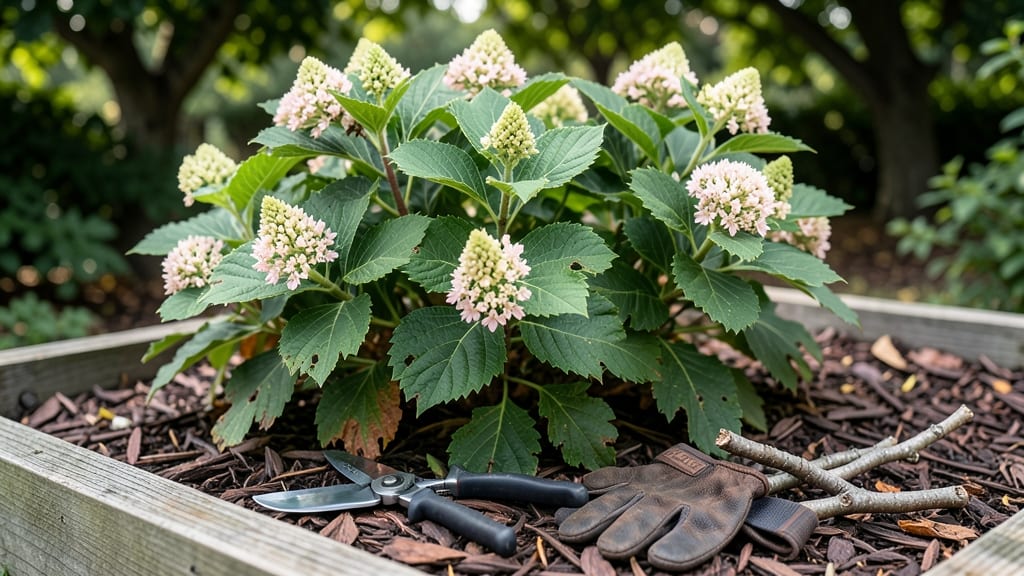
Pruning oak leaf hydrangeas isn't rocket science—just three strategic cuts can transform a leggy mess into a lush, blooming powerhouse. 🌿 I’ve pruned mine for years, and the secret lies in timing, technique, and knowing where to stop (yes, really).
Most gardeners over-prune, but oak leaf hydrangeas reward patience with vibrant foliage and stunning blooms year-round.
The best time to prune is late winter or early spring, right before new growth starts. You’ll need sharp bypass pruners and—here’s the kicker—no need to panic about cutting back old wood.
Unlike other hydrangeas, oak leaf varieties bloom on both old and new wood, so you can shape freely. Start by removing any dead or crossing branches first; they’re the easiest to spot.
After that, focus on opening up the center of the plant to improve airflow and sunlight. Cut just above a leaf node at a 45-degree angle, and watch as new growth fills in gaps by summer.
The result? A bush that’s denser, healthier, and packed with blooms from early summer through fall. No more hiding behind other plants!
Pro tip: Oak leaf hydrangeas love a little extra care after pruning. Water deeply and mulch around the base to keep roots cool. Avoid heavy pruning in fall—it stresses the plant before winter. With these simple steps, your hydrangea will thank you for years to come.
📚 In This Guide
- What you need
- Instructions
- Tips and common mistakes
- Wrapping up and next steps
What you need
- ● Pruning shears – Bypass pruners (sharp, clean, and sterilized with rubbing alcohol or bleach solution to prevent disease). Size: 6-8" for precision.
- ○ Hand pruners – For smaller stems (optional but handy for detailed cuts). Size: 5-6".
- ● Loppers – For thicker branches (if your hydrangea has woody stems over ½ inch thick). Size: 18-24".
- ● Gloves – Garden gloves (nitrile-coated for grip and protection from thorns).
- ● Disinfectant – Rubbing alcohol (70%+ isopropyl) or bleach solution (1 part bleach to 9 parts water) to sterilize tools between cuts.
- ○ Pruning sealant – Optional but recommended for large cuts (e.g., Tangle-Foot or pruning wax) to prevent sap loss or pests.
- ● Bucket or bag – For collecting pruned debris (a 5-gallon bucket or heavy-duty trash bag works).
- ● Notebook & pen – To sketch or note the hydrangea’s shape before/after pruning (helps track progress!).
- ● Timing – Prune during dormant season (late winter/early spring) for best results. Avoid pruning in fall (can stimulate new growth that won’t harden off).
- ● Weather – Choose a dry, cloudy day to minimize stress on the plant. Avoid pruning after rain (tools can spread disease).
- ● Hydrangea health check – Inspect for pests (aphids, spider mites) or disease (powdery mildew). Treat before pruning if needed.
- ● Safety gear – Sunglasses and long sleeves recommended if working near thorny or overgrown hydrangeas.
- ● ✨ Sharpen your tools first—dull blades tear stems, causing more damage than a clean cut.
- ● 🌡️ Work in layers: Start with dead or diseased wood, then shape the plant, and finally thin out crowded branches for airflow.
- ● 🎯 Label your cuts if pruning multiple hydrangeas—use color-coded tape on branches to track which plant is which!
Step-by-step instructions for pruning oak leaf hydrangeas
Three simple cuts keep your oak leaf hydrangea thriving year-round—no complicated techniques required.
✂️ Step 1: Prune in Late Winter for Shape and Health
Wait until late February or early March, after the worst frost has passed but before new growth begins. This timing ensures you remove dead wood while the plant is dormant but ready to wake up. Grab your clean, sharp pruners and start by removing any dead, diseased, or crossing branches—these are your first priority.
Cut back to the nearest outward-facing bud or branch junction. You'll see these as small bumps or nodes where leaves used to grow. This ensures new growth emerges in the right direction, keeping your plant full and balanced. I like to step back every few cuts to check the overall shape—your goal is an open, airy structure that lets sunlight reach the center.
✂️ Step 2: Thin Out Overcrowded Branches in Early Summer
Around mid-June, when the plant has finished flowering but still has plenty of growth left, it's time for your second cut. Focus on branches that are rubbing against each other or growing inward toward the center of the plant. These compete for sunlight and nutrients, weakening the plant over time.
Use your pruners to make a clean cut just above a leaf node or bud. You don’t need to cut all the way back to old wood—just remove the overcrowded section. This step keeps your hydrangea looking lush and prevents future breakage from heavy blooms. Watch for new growth emerging from the sides of branches after you prune—this is your plant's way of saying "thank you" for the extra space.
✂️ Step 3: Lightly Trim After Flowering in Late Summer
Once your hydrangea has finished blooming in late August or early September, give it a final light trim. This isn’t about removing much—just deadheading spent flowers and lightly shaping any wild growth. Cut back to just above the first set of healthy leaves below the faded blooms.
This final cut encourages a small flush of new growth that can harden off before winter, giving your plant a stronger start next spring. Avoid heavy pruning now—you want to let the plant prepare for dormancy, not stimulate new tender growth that might not survive frost. A quick once-over with your pruners keeps things tidy while respecting the plant’s natural cycle.
Tips & tricks for pruning oak leaf hydrangeas
Between us, these little adjustments make all the difference between a healthy hydrangea and one struggling to keep up.
Tool Prep: Before you even touch your pruners, give them a quick wipe with rubbing alcohol or a 10% bleach solution. Clean tools prevent spreading disease between cuts. I also like to sharpen my pruners with a file—dull blades tear plant tissue instead of making clean cuts, which slows healing. A quick check for rust or wear is worth it for years of trouble-free pruning.
Step 1 Timing Secret: That late February to early March window is critical, but don't stress if you miss it by a week. The key is waiting until you see the first signs of bud swell—those little green lumps at the base of last year's branches. If you prune too early, you risk cutting off next year's blooms. If you wait too long, you'll encourage new growth that might get nipped by late frosts. Think of it as the plant's natural alarm clock waking up.
Visual Cues for Step 2: When thinning in mid-June, look for branches that cross like an "X" or grow straight into the center. These are your targets. I use the "third-eye trick"—step back and imagine looking at your plant from above. You should see an open vase shape, not a dense clump. Cutting these competing branches lets sunlight and air circulate, which means fewer pests and healthier blooms next season.
Late Summer Light Trim: That final trim in late August isn't about heavy pruning—it's about tidying up. Focus on removing only the spent flower heads and any branches that look leggy or overgrown. The goal is to encourage just enough new growth to harden off before winter. I like to do this on a bright morning when I can see the plant's natural shape clearly, making it easier to spot what needs attention.
Pro Tips for Pruning Oak Leaf Hydrangea
- Between us, these little adjustments make all the difference between a healthy hydrangea and one struggling to keep up.
- Tool Prep: Before you even touch your pruners, give them a quick wipe with rubbing alcohol or a 10% bleach solution.
- Step 1 Timing Secret: That late February to early March window is critical, but don't stress if you miss it by a week.
Frequently asked questions
Got questions about keeping your oak leaf hydrangea (Hydrangea quercifolia) looking its best? Here are answers to the most common ones—so you can prune with confidence!
When is the best time to prune oak leaf hydrangeas?
Prune oak leaf hydrangeas in late winter or early spring (February–March) before new growth starts. This timing ensures you don’t cut off next year’s blooms, as they form on old wood. A light prune in summer (after flowering) can also encourage bushier growth.
Can I prune oak leaf hydrangeas in fall?
It’s not recommended to prune in fall, as cold weather can stress the plant and delay spring growth. If you must prune, wait until after the first hard frost but before winter dormancy sets in. Focus on removing dead or diseased branches only.
What if I accidentally cut off last year’s blooms?
Don’t panic! Oak leaf hydrangeas are forgiving. If you prune too late and remove some flower buds, the plant will still produce blooms on new wood later in the season. Just avoid heavy pruning—stick to shaping and deadheading spent blooms.
How do I know if I’ve pruned too much?
Signs of over-pruning include bare stems, stunted growth, or no new leaves in spring. If this happens, stop pruning for a year and focus on watering, mulching, and fertilizing. Oak leaf hydrangeas bounce back with patience!
Are there alternatives to pruning for shaping?
Yes! If pruning feels overwhelming, try pinching back tips in spring to encourage bushiness. You can also thin out dense areas by removing just a few branches instead of a full overhaul. For dramatic shape, use plant ties or stakes to guide growth.
Wrapping up and next steps
Pruning your oak leaf hydrangea doesn’t have to be intimidating—just a few strategic cuts can keep it thriving year-round! 🌿 With the right timing, tools, and techniques, you’ll encourage lush blooms and a stronger plant. Remember, patience and observation are key, so don’t rush the process.
Now that you’re armed with the know-how, grab those shears and get pruning! Start small, monitor your plant’s progress, and soon, your oak leaf hydrangea will be the star of your garden. Happy gardening! 🌸