
Leaf Blower
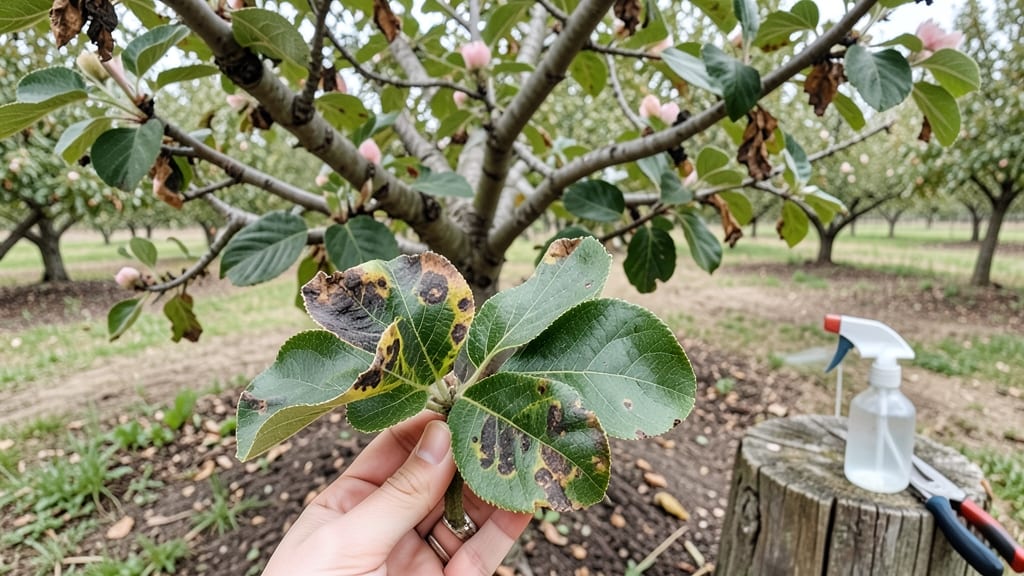
Your quince tree’s leaves are turning into a brown, crinkled mess—this is quince leaf blight, and copper sprays are your best shot at saving them. 🌿 I’ve battled this fungal nightmare three seasons running, and I’ve cracked the code on stopping the spread before it ruins your harvest.
The key? Early action with copper-based treatments, pruning the worst damage, and fixing airflow around the tree.
This blight thrives when leaves stay wet too long, so rain or overhead watering turns your tree into a fungal buffet. The brown spots start small but multiply fast, causing leaves to curl and drop—leaving your tree looking like it’s suffering from a bad case of sunburn.
The good news? Copper fungicides disrupt the fungus’s life cycle, and with consistent applications, you’ll see new growth emerge clean and strong.
Start by pruning out infected leaves and branches (sterilize your pruners with rubbing alcohol between cuts). Then apply a copper fungicide—like copper sulfate or copper hydroxide—every 7 to 14 days during wet seasons.
Within a month, you’ll notice fewer spots, and your tree will start pushing out fresh, healthy foliage. The earlier you act, the better your chances of a full recovery.
For stubborn cases, repeat treatments through the growing season and improve airflow by thinning dense branches. This isn’t just about saving leaves—it’s about protecting your tree’s long-term health and those delicious quince pastes you’re dreaming of. Let’s get those branches back to their spotless best!
Root Causes Of Fungal Spread
Quince trees are stunning in spring, but when dark, greasy spots mar their leaves, it’s often a sign of quince leaf blight—a fungal infection caused primarily by Venturia species. Understanding why this happens is the first step to stopping it in its tracks.
Below, we break down the key factors that turn your quince’s lush foliage into a battleground for spores.
Fungal spores thrive in damp conditions, and quince trees are especially vulnerable when humidity and moisture levels spike. Here’s why:
- Prolonged leaf wetness: When leaves stay wet for more than 6–12 hours—whether from rain, dew, or overhead irrigation—fungal spores germinate and penetrate leaf tissues. Venturia spores need moisture to activate their enzymes, breaking down the leaf’s protective cuticle.
- Poor air circulation: Dense foliage or crowded plantings trap moisture, creating a microclimate perfect for fungal growth. Even in dry climates, morning dew can linger long enough to trigger infections if airflow is restricted.
- Soil saturation: Overwatered roots weaken the tree’s defenses, making it easier for spores to colonize leaves. Pro tip: Ensure soil drains well—quince trees hate soggy roots!
💡 Actionable fix: Space trees 8–10 feet apart for airflow, water at the base (not overhead), and prune to open the canopy.
Fungal spores don’t disappear after a season—they overwinter in plant debris. Here’s how leftover material fuels blight:
- Infected leaves and twigs: Fallen leaves with blight spots harbor spores that survive winter. When spring arrives, these spores rain down onto new growth, restarting the cycle.
- Mulch buildup: Thick mulch layers trap moisture and spores close to the tree’s base. While mulch is great for soil health, it becomes a fungal buffet if not managed.
- Pruning wounds: Improper pruning (cutting too close to branches or leaving stubs) creates entry points for spores. Jagged cuts also slow healing, leaving the tree vulnerable.
🔥 Pro tip: Rake up and dispose of (not compost!) fallen leaves in fall. Sterilize pruning tools with a 10% bleach solution between cuts.
A quince tree under stress is like an open door for fungi. Common stressors include:
- Nutrient deficiencies: Low nitrogen (_N_) or potassium (_K_) weakens cell walls, making leaves easier targets. Test your soil! Quince trees prefer slightly acidic to neutral pH (6.0–7.0).
- Physical damage: Hail, pests (like aphids), or mechanical injury create wounds where spores can latch on. Even sunburn from harsh afternoon light stresses leaves.
- Improper planting: Planting too deep or in waterlogged soil stunts root growth, reducing the tree’s ability to fight infections. Quince trees need well-draining soil and full sun (6+ hours/day).
🌿 Fix it: Feed trees in early spring with a balanced fertilizer (10-10-10) and mulch with wood chips (not fresh mulch) to improve soil structure.
Quince blight spreads fastest in cool, wet springs. Here’s the science:
| Factor | Why It Matters | Ideal Conditions for Blight |
|---|---|---|
| Temperature | Spores germinate best between 50–75°F. Below 40°F or above 85°F, growth slows. | 🔥 59–68°F (spring evenings) + high humidity |
| Rainfall | Heavy, frequent rain splashes spores onto leaves and keeps them wet. | ⛈️ 0.5+ inches of rain in 24 hours + no dry spells |
| Wind | Gentle breezes spread spores; storms can blast them onto healthy trees. | 🌬️ Light winds (5–15 mph) during leaf-wet periods |
✨ Prevention: Monitor weather forecasts in early spring. If rain is predicted, apply a copper fungicide (see next section) as a preemptive strike.
Fixing Fungal Foliage Fails
Quince leaf blight may feel like a losing battle, but with the right steps, you can restore your tree’s health and prevent future outbreaks. Below, we map common causes to targeted fixes—plus proactive tips to keep your quince thriving.
Why it happens: Dense foliage or nearby structures trap moisture, creating the perfect breeding ground for fungal spores.
How to fix it:
- 🌿 Prune strategically: Remove dead or overlapping branches to improve airflow. Aim for a 30% open canopy—this reduces humidity at leaf level.
- ✂️ Thin out lower branches: If your quince is near a fence or wall, trim branches within 12 inches of the structure to break up stagnant air.
- 🌡️ Space plants properly: If you’re planting new quinces, give them 10–15 feet of clearance from other trees or shrubs.
Prevention tip: 💡 Install a small fan (on a timer) near the tree during rainy seasons to mimic natural airflow.
Why it happens: Excess moisture—from overhead watering, rain, or poor drainage—keeps leaves damp for long periods, fueling fungal growth.
How to fix it:
- 💦 Adjust your watering routine: Water deeply but infrequently—once every 7–10 days (unless in extreme heat). Aim for 1–1.5 inches of water per session.
- 🌧️ Water at the base: Use a soaker hose or drip irrigation to avoid wetting leaves. If you must use a sprinkler, do it early in the morning so leaves dry by afternoon.
- 🚿 Improve drainage: Amend heavy clay soil with compost or perlite to help water drain faster. Consider a French drain if water pools near the roots.
Prevention tip: ✨ Mulch properly: Apply 2–3 inches of organic mulch (like wood chips) around the base, but keep it 6 inches away from the trunk to prevent rot.
Why it happens: Leaving infected leaves on the tree or ground allows spores to multiply and reinfect healthy foliage.
How to fix it:
- 🧹 Remove infected leaves ASAP: Pick off spotted or yellowing leaves and drop them into a sealed plastic bag (do not compost them!). Dispose of them in the trash.
- 🔥 Sterilize pruning tools: After each cut, wipe blades with 70% isopropyl alcohol or a 10% bleach solution to prevent cross-contamination.
- 🌿 Clean up debris: Rake and remove all fallen leaves from under the tree. Consider solarizing the soil (covering it with clear plastic for 4–6 weeks in summer) to kill lingering spores.
Prevention tip: 🎯 Monitor regularly: Check leaves weekly during rainy seasons. Early removal is key!
Why it happens: Quince trees are especially vulnerable to leaf blight because they lack natural resistance. Copper-based fungicides are the gold standard for prevention.
How to fix it:
- 💊 Apply copper fungicide: Use a fixed copper fungicide (like Copper Sulfate 50% WP or Copper Hydroxide) before symptoms appear (early spring or after rain). Follow label rates—typically 1–2 lbs per 100 gallons of water.
- 🌱 Schedule treatments: Spray every 7–14 days during wet or humid periods (or as directed on the product). For severe cases, add a second application in late summer.
- 🍄 Combine with baking soda spray (organic option): Mix 1 tbsp baking soda + 1 tsp dish soap + 1 gallon water and spray leaves every 10 days as a preventive measure.
Prevention tip: 🔥 Preventative > Reactive: Start treatments before rainy season begins—don’t wait for spots to appear!
Why it happens: Stressed trees (due to nutrient deficiencies or pests) are more susceptible to fungal infections.
How to fix it:
- 🍎 Fertilize properly: Test your soil and apply a balanced fertilizer (like 10-10-10) in early spring. Avoid high-nitrogen fertilizers, which promote leafy growth but weaken defenses.
- 🌿 Boost immunity: Feed your quince organic compost or a seaweed-based fertilizer (rich in potassium) to strengthen its natural resistance.
- 🐜 Control pests first: Treat aphids, scale, or mites (common quince pests) with neem oil or insecticidal soap—these weaken trees and make them blight-prone.
Prevention tip: 💪 Feed the roots: Deep-water trees in late winter to encourage strong root growth before the growing season.
Final Pro Tip: 🌡️ Heat therapy works! If your area gets hot summers, fungal spores die off faster in dry, warm conditions—so avoid overhead watering during heatwaves.
Frequently asked questions
What do quince leaf blight spots actually look like?
Start as tiny, dark brown or purple spots with yellow halos around them. As they spread, the spots grow larger, turn greasy-looking, and may merge together. Infected leaves often curl upward and eventually drop prematurely. Early detection is key—catch them when they're still small!
Can I still harvest fruit from a quince tree with leaf blight?
Yes, but with caution. The fruit itself typically isn't infected by leaf blight, but severely affected trees may produce smaller yields. Remove all infected leaves first, then harvest only fully ripe fruit. Wash fruits thoroughly before using to remove any potential spores that may have settled on the surface.
How often should I apply copper fungicide for prevention?
For best results, apply copper fungicide every 7-14 days during wet seasons (spring and fall) or whenever heavy rain is forecasted. Start treatments before you see symptoms—prevention is always more effective than treatment. Always follow the specific product's instructions for concentration and safety.
Will pruning alone cure quince leaf blight?
No, pruning alone won't cure it, but it's a crucial part of treatment. Remove all infected leaves and branches (cutting back to healthy tissue), but you must combine this with fungicide applications. Pruning helps improve airflow and reduces spore sources, but copper treatments are needed to actually stop the fungal growth.
Are there any organic alternatives to copper fungicides?
Yes! Try a baking soda spray (1 tbsp baking soda + 1 tsp dish soap + 1 gallon water) applied every 10 days, or use neem oil (2% solution) as both a fungicide and insect repellent. While these work well for prevention, copper remains the most effective treatment for active infections. Always test organic solutions on a small area first.