
Shrubs
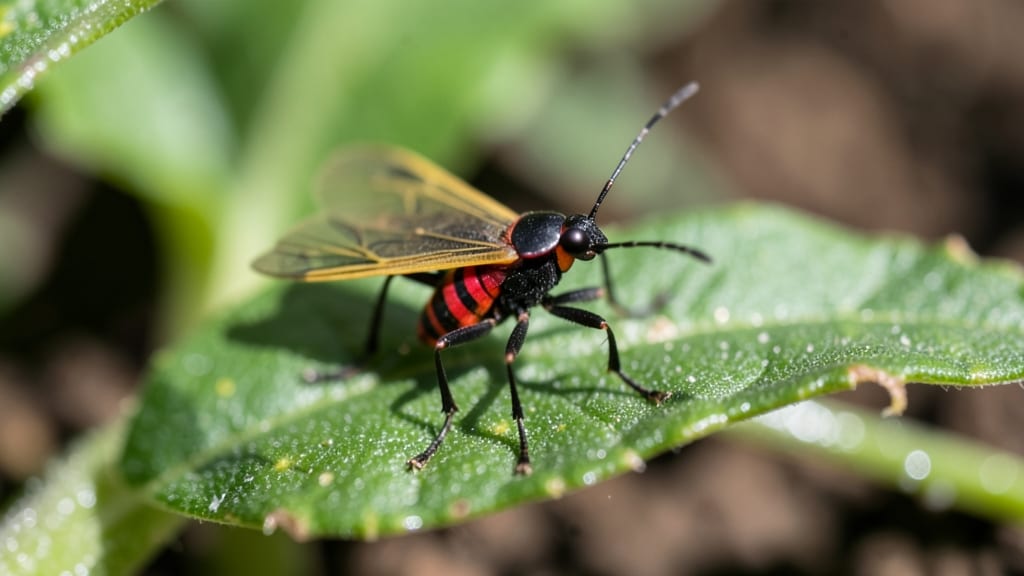
Your citrus leaves are turning crispy at the edges—red banded leafhoppers are to blame. 🌿 These tiny striped pests suck sap, leaving behind a telltale "crispy edge" that ruins foliage and weakens plants. I’ve battled them on roses and veggies, and copper spray is my go-to cure.
The damage starts with tiny white specks (stippling) that expand into brown, brittle edges. Worse, their honeydew attracts sooty mold, turning leaves black. Prune affected growth immediately, then spray copper fungicide every 7–10 days during outbreaks—it disrupts their feeding without harming pollinators.
By next season, you’ll spot fewer curled leaves and more vibrant growth. The key is early action: check undersides of leaves weekly, especially on citrus, roses, and beans. Companion plants like marigolds and nasturtiums deter them naturally.
This method works year-round, but focus on spring and summer when leafhoppers are most active. With consistent care, your plants will bounce back—no more crispy edges ruining your garden’s beauty.
Why it happens
The red banded leafhopper isn’t just a random pest—it’s a highly efficient plant predator with a few key strategies that turn your shrubs into crispy-edged snacks. Understanding these causes helps you outsmart the bug before it strikes again. Here’s why your plants are under siege:
Leafhoppers love weak, stressed, or overcrowded shrubs. When plants are struggling—whether from poor soil, drought, or competition—they produce sugary sap that attracts these pests like a neon sign. Here’s how it breaks down:
- Nutrient Deficiencies: Plants low in nitrogen or potassium become less resilient to insect attacks. Leafhoppers detect these deficiencies and zero in on them.
- Water Stress: Drought or overwatering weakens cell walls, making sap easier to extract. Wilting or yellowing leaves are a red flag for leafhoppers.
- Competition for Space: Dense foliage traps heat and humidity, creating the perfect microclimate for leafhopper reproduction. Poor airflow also makes sprays less effective.
Actionable Fix: Prune to improve airflow, mulch to retain moisture, and fertilize with a balanced NPK (e.g., 10-10-10) to boost plant vigor. Healthy plants = less buffet for pests.
Red banded leafhoppers thrive in warm, protected spots where they can reproduce rapidly. Your garden might be serving as their all-you-can-eat buffet because of:
- Microclimates: South-facing shrubs, fences, or dense hedges create warmer, more humid zones—ideal for leafhopper eggs and nymphs. Temperatures above 75°F (24°C) accelerate their life cycle.
- Weedy Borders: Leafhoppers often migrate from wild hosts like weeds or grasses. If your shrubs are near dandelions, clover, or tall grasses, they’re at higher risk.
- Hibernation Havens: Leafhoppers overwinter in mulch, bark, or leaf litter. If you didn’t clean up last year’s debris, they’ve already set up shop.
Actionable Fix:
- Remove weedy ground cover within 3 feet of shrubs.
- Use reflective mulch (like aluminum foil or silver plastic) to deter pests.
- Prune dense branches to break up warm, humid pockets.
One female leafhopper can lay hundreds of eggs in a season, and her offspring mature in just 2–3 weeks. This explosion happens because:
- Short Generation Time: Unlike slower pests, leafhoppers don’t need months to reproduce. One infestation can turn into a swarm in weeks.
- Polyphagous Diet: They’ll feast on 50+ plant species, so if one shrub is infested, others are next. Their piercing-sucking mouthparts let them test multiple leaves for the easiest meal.
- Chemical Cues: Damaged plants release volatile organic compounds (VOCs) that attract more leafhoppers, turning a small problem into a full-blown invasion.
Actionable Fix:
- Monitor early signs (e.g., honeydew, sooty mold, or crispy leaf edges) and act immediately.
- Use sticky traps (yellow or blue) near shrubs to catch adults before they lay eggs.
- Rotate copper spray treatments every 7–10 days to disrupt their life cycle.
Pro Tip: 💡 Leafhoppers hate disturbance. Gently shake shrubs over a bucket of soapy water to dislodge them—do this weekly during peak season (spring to early fall).
Quick Fixes for Leafhopper Damage
If your shrubs are showing signs of stress from leafhoppers—think curled leaves, stunted growth, or those dreaded crispy edges—don’t panic! These pests may be small, but they’re no match for a few targeted strategies.
Below, we’ll break down the most effective ways to tackle them, from immediate relief to long-term prevention. Let’s get your plants back to their vibrant best!
Leafhoppers thrive in clutter, so the first step is to clean up. Remove heavily infested leaves, fallen foliage, and plant debris around your shrubs. These hiding spots are breeding grounds for pests, and eliminating them cuts off their food and shelter.
- 🍳 How to do it: Wear gloves and collect debris in a sealed bag. Dispose of it in the trash (not compost)—these bugs can survive in compost piles!
- 👨🍳 When to do it: Do this every 2–3 weeks during peak growing season (spring to early fall).
- ⏰ Pro tip: Early morning is the best time to spot and remove infested leaves—they’re often more visible when dew is present.
The article’s star player, copper spray, is a game-changer for leafhopper control. Copper disrupts the pests’ nervous system, making it a non-toxic yet highly effective solution. It’s especially useful for shrubs with crispy edges, as it stops further damage while being safe for beneficial insects.
- 🔪 How to apply:
- Mix a copper fungicide (like copper sulfate or copper hydroxide) according to package instructions. A typical ratio is 1–2 tablespoons per gallon of water.
- Spray the top and bottom of leaves thoroughly, focusing on new growth where leafhoppers love to hide.
- Reapply every 7–10 days or after heavy rain, as copper can wash off.
- 🌡️ Safety note: Wear gloves and avoid spraying on windy days. Copper can be harmful to aquatic life, so don’t apply near ponds or streams.
- ✨ Bonus: Copper spray also prevents fungal diseases like leaf spot, which often follow leafhopper damage.
Nature’s pest control is often the most sustainable solution. Ladybugs, lacewings, and parasitic wasps (like Anagrus species) are natural leafhopper predators. Encourage them by planting neighborhood-friendly flowers like dill, fennel, or yarrow near your shrubs.
- 💡 How to attract them:
- Buy beneficial insect larvae online or from garden centers and release them near infested areas.
- Provide water sources like shallow dishes with pebbles for adult predators to drink from.
- Avoid broad-spectrum pesticides, which can harm these helpful bugs.
- 🎯 Best time to act: Introduce predators in the early morning or late evening when temperatures are cooler.
Once you’ve kicked the leafhoppers to the curb, keep them from crashing the party again with these preventive measures:
| Action | How to Do It | Why It Works |
|---|---|---|
| 🌱 Healthy Soil = Strong Plants | Amend soil with compost and use a balanced fertilizer (like 10-10-10) in early spring. | Stronger plants are less attractive to pests and recover faster from damage. |
| 🌿 Prune Regularly | Trim dead or overcrowded branches to improve airflow and sunlight penetration. | Reduces hiding spots and dries out foliage, making it less hospitable for leafhoppers. |
| 🚰 Water Wisely | Water deeply at the base in the morning to avoid wetting leaves (leafhoppers love damp foliage). | Prevents fungal growth and discourages pests from settling in. |
| 🔍 Monitor Early | Check plants weekly for early signs of leafhoppers (tiny specks, honeydew, or curled leaves). | Catches infestations before they spiral out of control. |
With these strategies, your shrubs will bounce back faster—and stay leafhopper-free for good. Act now, and soon you’ll be admiring lush, crispy-edge-free foliage again! 🌿✨
Frequently asked questions about red banded leafhoppers
What plants are most vulnerable to red banded leafhopper attacks?
These pests target over 50 plant species, but they especially love citrus trees, roses, beans, and many ornamental shrubs. Look for crispy leaf edges or curled foliage on these favorites—they're prime targets. Vegetables like squash and tomatoes can also suffer.
How can I tell if my plants have leafhopper damage vs. other pests?
Leafhoppers leave distinctive signs: tiny white specks (stippling) that turn brown, crispy leaf edges, and honeydew (sticky residue) that attracts sooty mold. Unlike aphids, you won't see cottony masses, and the damage appears more scattered. Check leaf undersides for small, striped insects.
Is copper spray safe for all plants?
Copper is generally safe for most plants when used correctly, but avoid spraying edible foliage (like lettuce) within 24 hours of harvest. It's especially effective on non-edible ornamentals and hardy shrubs. Always test a small area first—some sensitive plants may show slight browning. Never apply near water sources.
Why do I keep seeing leafhoppers even after treating my plants?
These pests reproduce every 2-3 weeks, so one treatment won't eliminate them completely. You need to reapply copper spray every 7-10 days during outbreaks. Also check nearby weeds—they're often the real source. Remove all plant debris where eggs might be hiding.
Can I use neem oil instead of copper spray?
Neem oil works but is less effective against leafhoppers than copper. While it disrupts their life cycle, they develop resistance faster. For best results, use neem as a preventative (weekly spray) combined with copper treatments during active infestations. Mix 1 tablespoon neem oil with 1 teaspoon mild soap per quart of water.