
Shrubs
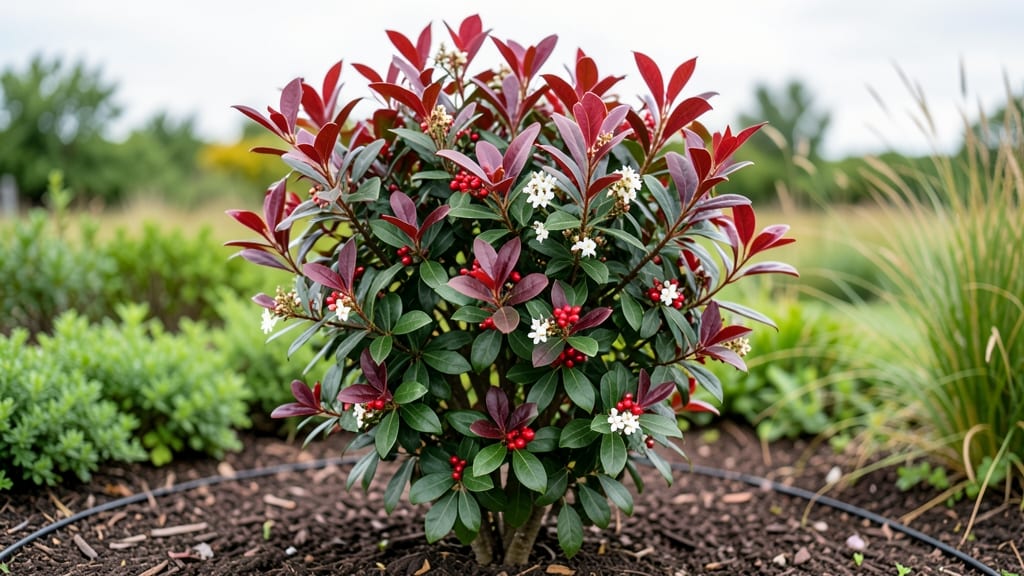
Growing Red Leaf Photinia is like planting a living splash of color that never fades. 🌿 This shrub’s fiery red foliage stays vibrant all season—even in partial shade—making it the standout star of any border or hedge.
I’ve seen it transform dull garden edges into eye-catching focal points with minimal effort. The secret to its success lies in the right balance: full sun to partial shade, well-draining soil, and consistent moisture during its first year.
Unlike fussy shrubs, Photinia thrives in average garden soil and handles heat and humidity like a champ. Just avoid soggy roots, and you’ll have a lush, low-maintenance plant that keeps growing for decades.
Once established, it needs little more than an annual pruning to shape it and a light feeding in spring. The result? A bold, glossy hedge that stays vibrant from spring through fall, with clusters of tiny white flowers in spring for extra charm.
Perfect for privacy screens, accent plants, or even container growing. Fair warning: those bright red leaves can turn yellow if stressed, but with the right care, your Photinia will stay stunning year after year. Let’s get yours thriving!
📚 In This Guide
- What you need
- Instructions
- Tips and common mistakes
- Wrapping up and next steps
What you need
- ● Red Leaf Photinia plants: 1–3 healthy nursery-grown specimens (3–6 ft tall, bare-root or containerized).
- ● Well-draining soil: Mix of native soil + compost (50/50 ratio) or a premium shrub/hedge mix (5–10 gallons).
- ● Organic mulch: 2–3 inches of pine bark, wood chips, or shredded leaves (avoid fresh wood chips).
- ● Slow-release fertilizer: Balanced 10-10-10 or organic fertilizer (e.g., fish emulsion or compost tea).
- ● Watering can or hose: With a gentle spray nozzle for post-planting hydration.
- ● Garden gloves & trowel: For handling soil and planting.
- ● Soil pH tester: To ensure soil is slightly acidic (pH 5.5–6.5).
- ● Pruning shears: For shaping or trimming (sterilize with rubbing alcohol!).
- ● Stakes & twine: If planting in windy areas (1–2 stakes per plant).
- ● Drip irrigation kit: For consistent moisture (especially in hot climates).
- ● Sunlight: Full sun to partial shade (6+ hours of light daily).
- ● Hardiness zone: USDA zones 7–11 (check your local climate!).
- ● Spacing: Plant 6–10 feet apart for hedges or 10–15 feet apart as a specimen shrub.
- ● Water access: A nearby hose or water source for the first 2–3 weeks.
Step-by-step instructions for planting and caring for red leaf photinia
Here's how to establish vibrant red foliage that keeps its color year after year.
🌱 Step 1: Choose the Perfect Planting Location
Red Leaf Photinia thrives in spots with full sun to partial shade—at least 4-6 hours of direct sunlight daily. I always test a spot by watching how much sun it gets over a week before planting. The leaves will stay their most vibrant red when they receive morning sun and afternoon shade in hotter climates.
Check your site's drainage by digging a 12-inch deep hole and filling it with water. If it doesn't drain within 2-3 hours, amend the soil with 1-2 inches of compost to improve drainage. Poor drainage is the #1 reason these plants struggle—yellowing leaves mean it's time to move your photinia.
🪴 Step 2: Prepare the Soil and Plant Correctly
Dig a hole twice as wide as the root ball but no deeper—this prevents root suffocation. Gently loosen the roots if they're circling the root ball, but don't tease them out completely. The goal is to encourage outward growth, not force new roots to form.
Place the plant in the hole so the top of the root ball sits 1 inch above ground level. This prevents water from pooling at the stem, which causes rot. Backfill with native soil mixed with 2-3 inches of compost to give it a nutrient boost. Water deeply right after planting to settle the soil and eliminate air pockets.
☀️ Step 3: Water Established Plants Properly
For the first 2-3 weeks after planting, water deeply every 2-3 days until the soil feels 2-3 inches deep and moist. You'll know it's time to water when the top inch of soil feels dry to the touch. Overwatering is worse than underwatering—these plants hate soggy roots.
Once established, Red Leaf Photinia is drought-tolerant. Water 1-2 times per week during dry spells, but always check the soil first. Mulch around the base with 2-3 inches of organic mulch to retain moisture and protect roots from temperature swings. Keep mulch 3-4 inches away from the trunk to prevent rot.
✂️ Step 4: Prune for Health and Shape
Prune in late winter or early spring before new growth begins. Remove any dead, diseased, or crossing branches first—this keeps air circulating and prevents fungal issues. Cut back to just above a leaf node or outward-facing bud to encourage bushier growth.
For shaping, I make small cuts at a time—never remove more than 1/3 of the plant's foliage in one season. The goal is to maintain an open center that lets light reach all leaves. You'll see new red growth emerge within 4-6 weeks of pruning, signaling healthy regrowth.
🌿 Step 5: Fertilize for Vibrant Color
Apply a balanced, slow-release fertilizer (10-10-10) in early spring when new growth appears. Follow package instructions—usually ½ pound per 100 square feet. I avoid high-nitrogen fertilizers, which encourage leafy growth at the expense of that signature red color.
In mid-summer, switch to a low-nitrogen, high-potassium fertilizer (like 5-10-10) to strengthen roots and prepare for winter. Water the plant 24 hours before and after fertilizing to prevent root burn. You'll notice the foliage stays brighter and more vibrant when fertilized this way.
Tips & tricks for perfect red leaf photinia growth
These simple tricks will help you keep your photinia's foliage vibrant and healthy for years to come.
Location is Everything: That 4-6 hours of sunlight is non-negotiable for maintaining bold red color. I've seen photinia turn green when planted in too much shade—test your spot for a full week before planting. The morning sun and afternoon shade combo works best in hotter climates, giving the plant energy without stressing it during peak heat.
Drainage Test Matters: The 2-3 hour drainage test reveals everything about your soil. If water pools after 2 hours, you're looking at root rot territory. I've had to move plants after they struggled for months—don't let that be you. Amending with compost improves drainage while adding nutrients, but only after you've confirmed the problem.
Planting Depth is Critical: That 1-inch above ground level rule prevents water from pooling at the stem, which causes rot. I've seen new gardeners plant too deep, thinking "more soil equals better," but the opposite happens. The root flare should be visible after planting—this tells you it's at the perfect level.
Pruning Timing Creates Color: Pruning in late winter or early spring before new growth begins gives your plant the best chance to show off its signature red. I've noticed that plants pruned at other times often produce less vibrant foliage. The 4-6 week window for new growth to emerge is your reward for timing it right.
Pro Tips for Red Leaf Photinia
- These simple tricks will help you keep your photinia's foliage vibrant and healthy for years to come.
- Location is Everything: That 4-6 hours of sunlight is non-negotiable for maintaining bold red color.
- Drainage Test Matters: The 2-3 hour drainage test reveals everything about your soil.
Frequently asked questions
Got questions about growing and maintaining your red leaf photinia? You’re not alone! Here are some of the most common queries—plus straightforward answers to keep your shrub thriving.
Why are the leaves on my red leaf photinia turning brown or dropping?
Brown or dropping leaves are often a sign of entomosporium leaf spot, a fungal disease common in photinia. Prune infected branches immediately, avoid overhead watering, and improve airflow by spacing plants properly. Fungicides can help in severe cases.
How fast does a red leaf photinia grow, and when will it reach maturity?
These shrubs grow 2–3 feet per year under ideal conditions, reaching maturity (10–15 feet tall) in 5–10 years. Growth slows as they age, so expect steady but not explosive expansion. Patience pays off with that vibrant foliage!
Can red leaf photinia handle full sun? I’ve heard mixed things about sun exposure.
Yes! While they tolerate partial shade, full sun enhances their bold red foliage and compact growth. Just ensure well-draining soil and regular watering (especially in hot climates) to prevent stress. Mulch helps retain moisture.
Are there any good alternatives to red leaf photinia with similar color?
If you’re looking for low-maintenance, red-leaved shrubs, consider:
- Dwarf Fothergilla – Fragrant spring blooms + fiery fall color
- Oakleaf Hydrangea – Heat-tolerant with deep red/purple leaves
- Crapemyrtle – Drought-resistant with striking bark and flowers
When and how should I prune my red leaf photinia?
Prune in late winter or early spring (before new growth) to shape the shrub and remove dead/diseased branches. Avoid heavy pruning in fall—it can stress the plant. Use clean, sharp shears and sterilize them with rubbing alcohol to prevent disease spread.
Wrapping up and next steps
Growing red leaf photinia is a rewarding journey that brings vibrant color and lush texture to your landscape—whether you're a seasoned gardener or just starting out! 🌿 With the right care, this versatile shrub thrives in diverse conditions, offering year-round beauty with minimal fuss.
Whether you're planting it for privacy, borders, or simply to brighten up your yard, your efforts will pay off in stunning foliage that turns heads.
Ready to see your garden transform? Start by choosing the perfect spot—whether it’s basking in full sun or enjoying dappled shade—and give your photinia the love it deserves. Happy planting! 🌸