
Plants
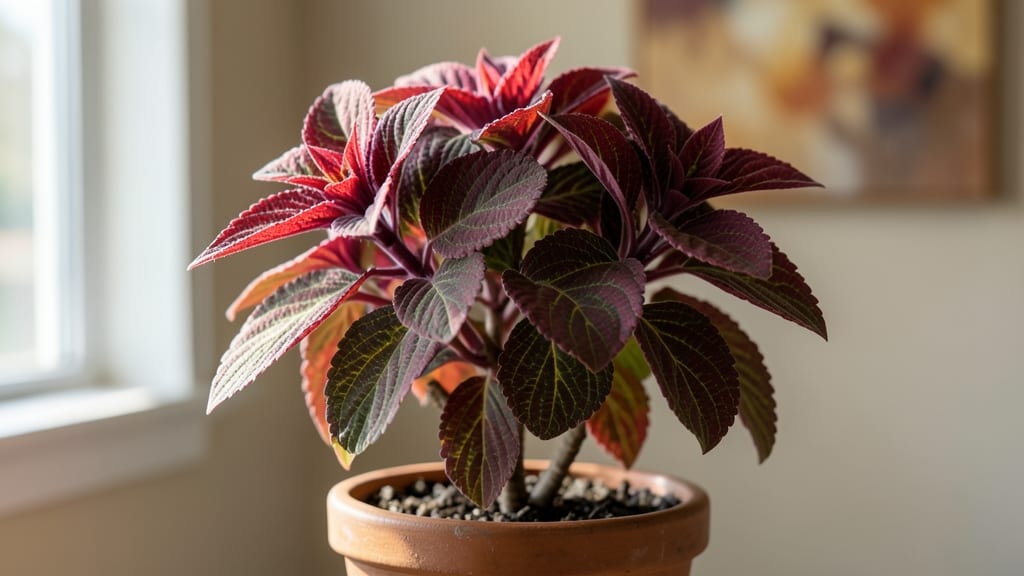
That deep red leaf plant identification might reveal a prized coleus, a stressed maple, or something in between. 🌿 I’ve spent years helping gardeners decode red foliage—whether it’s a natural trait or a sign of trouble—and this guide cuts through the confusion with clear visual clues.
Some plants, like Japanese maples or red-leaf lettuce, grow red leaves naturally, while others turn that color from too much sun, cold snaps, or even pests.
The key is checking leaf edges, vein patterns, and plant health—red along the edges often means environmental stress, while uniform red could be a variety trait.
By the end, you’ll confidently spot healthy red foliage from distressed leaves, saving your plants from unnecessary worry. We’ll cover common red-leaf varieties, what their colors really mean, and how to keep them thriving—no guesswork required.
Perfect for gardeners who’ve ever wondered, "Is this plant happy or hurting?" Let’s decode those red leaves together—because every shade tells a story.
Understanding Root Causes
Red leaves on your plant can be as striking as they are puzzling—sometimes a sign of beauty, other times a red flag (literally!) that something’s off. Before you panic or celebrate, let’s break down the real reasons behind this foliage phenomenon, from environmental stressors to biological quirks.
Here’s what’s likely triggering those fiery hues:
Plants aren’t fans of extreme temperatures, and sudden shifts—whether scorching heat or chilly drafts—can cause anthocyanin production, the pigment responsible for red, purple, and orange leaves.
This is especially common in: - Cold snaps: Many tropical plants (like Coleus or Caladium) turn red when nighttime temps dip below their ideal range (e.g., below 50°F/10°C). - Sunburn: Intense midday sun (especially after a rainy spell) can scorch leaves, triggering a protective reddening response.
Think of it like a sunburn on your skin—your plant’s way of saying, “Ouch!” - Heating vents or AC blasts: Direct airflow from heaters or air conditioners creates microclimates that stress plants, leading to edge browning and reddening.
Actionable fix:
- Move plants away from drafts, radiators, or south-facing windows during peak sun (10 AM–4 PM).
- Use sheer curtains to diffuse harsh light or provide shade cloth (30–50% coverage) for sun-lovers like Begonias.
- Hardy plants (e.g., Rubus or Physocarpus) may naturally redden in winter—this is normal!
Water stress is a top culprit for red leaves, but the fix depends on whether your plant is drowning or thirsty: - Overwatering: Soggy soil cuts off oxygen, causing root rot and nutrient deficiencies (like magnesium or iron).
Leaves may turn red or yellow as the plant struggles to photosynthesize. - Tell-tale signs: Mushy stems, wilting despite wet soil, or red veins on green leaves. - Underwatering: Drought stress triggers abscisic acid (a plant hormone) to signal distress, often manifesting as reddish-purple edges or crispy leaves. - Tell-tale signs: Dry, papery leaves or soil pulling away from the pot edges.
Actionable fix:
- Check soil moisture with your finger—top 1–2 inches should dry out between waterings. Use a moisture meter for accuracy.
- Repot soggy plants into well-draining mix (add perlite or orchid bark).
- Group plants together to create humidity (great for Ferns or Peperomias).
- Water deeply but less often: Aim for bottom-watering (place pot in a tray of water for 10–15 mins) to encourage even moisture absorption.
Red leaves can scream “Feed me!” when key nutrients are missing. The most common offenders: - Phosphorus (P): Critical for energy transfer, a deficiency causes dark red or purple leaves, especially on younger foliage.
Common in acid-loving plants like Azaleas or Blueberries. - Magnesium (Mg): Leads to interveinal reddening (red between veins) or yellowing with red edges—a classic sign of chlorosis (can’t produce chlorophyll). - Nitrogen (N): Too little causes pale green leaves with red stems; too much can burn roots, leading to red tips. - Alkaline soil (high pH): Locks out iron (Fe) and manganese (Mn), causing reddish-brown spots or bronzing on leaves.
Actionable fix:
- Test your soil with a home pH kit (ideal range: 6.0–7.0 for most plants).
- Amend soil with:
- Compost or worm castings (for organic nutrients).
- Epsom salt (1 tbsp/gallon of water) for magnesium (use monthly).
- Citric acid (1 tsp/gallon) to lower pH for acid-lovers.
- Fertilize smartly: Use a balanced 10-10-10 or fish emulsion (high in nitrogen) in spring/summer. Avoid synthetic salts if your plant shows crusty soil.
Sometimes, tiny invaders or diseases hijack your plant’s color palette.
Watch for: - Spider mites or aphids: Their sap-sucking causes reddish-brown stippling or curled leaves (they excrete honeydew, attracting sooty mold). - Fungal infections (e.g., leaf spot or anthracnose): Reddish-brown spots with yellow halos often signal overhead watering or poor airflow. - Bacterial leaf scorch: Causes reddish-brown edges that dry out like paper—spreads via contaminated tools or splashing water.
Actionable fix:
- Isolate affected plants to prevent spread.
- Blast pests off with a strong stream of water or neem oil spray (1 tsp neem oil + 1 tsp mild soap per quart of water).
- Prune infected leaves with sterilized scissors (wipe with rubbing alcohol).
- Improve airflow: Space plants 2–3 inches apart and avoid crowding.
Not all red leaves are a cry for help—some are genetic or seasonal masterpieces:
- Variegated plants: Many Coleus, Caladium, or Heuchera cultivars naturally redden in cooler temps (e.g., ‘Black Scallop’ Heuchera turns deep burgundy in winter).
- Fall color: Deciduous plants like Japanese Maple or Smoke Bush (Cotinus) produce anthocyanins as a sunblock before shedding leaves.
- Flowering signal: Some plants (e.g., Bougainvillea) develop red leaves or bracts as a precursor to blooms.
Actionable fix:
- Research your plant’s species—check the USDA Plant Database or Royal Horticultural Society for expected color shifts.
- Embrace the change: If it’s seasonal, prune lightly to encourage new growth in spring.
- Take photos to track patterns over months—this helps distinguish stress vs. normal cycles.
Quick Fixes for Red Leaves
Red leaves on your plants can be a sign of stress, disease, or environmental factors—but don’t panic! With the right approach, you can often restore your plant’s health and prevent further damage. Below are practical, step-by-step solutions tailored to common causes, along with prevention tips to keep your greenery thriving.
Signs: Yellowing or red-tinged leaves, mushy stems, or a foul smell from the soil.
How to Fix It: 🔥 Step 1: Stop Watering Immediately
- Let the top 1–2 inches of soil dry out completely before watering again. Overwatering suffocates roots and leads to rot.
🍳 Step 2: Check Your Pot’s Drainage
- If your plant is in a container, ensure it has drainage holes at the bottom. If not, transfer it to a pot with holes or add a layer of gravel or perlite at the bottom for better airflow.
👨🍳 Step 3: Repot if Necessary
- If the roots are mushy or black, trim away the damaged sections with sterilized scissors and repot in fresh, well-draining soil (like a mix of potting soil and sand or coconut coir).
🥘 Step 4: Adjust Your Watering Routine
- Water only when the topsoil feels dry to the touch. Stick your finger in the soil—if it’s damp past the first knuckle, wait a few more days.
Prevention Tips: ✨ Use self-watering pots with moisture meters to avoid guesswork. 🌡️ Group plants with similar water needs together to streamline care. 🎯 Avoid saucers without drainage—water should never pool at the bottom.
Signs: Leaves turning red, crispy edges, or a sunburnt appearance (especially on variegated plants).
How to Fix It: 🔥 Step 1: Move the Plant to Indirect Light
- Gradually acclimate it to lower light by shifting it a few inches farther from the window each day. Avoid harsh afternoon sun.
🍳 Step 2: Provide Light Shade
- Use a sheer curtain or place the plant behind a sheer fabric screen to filter intense sunlight without blocking all light.
👨🍳 Step 3: Increase Humidity (If Needed)
- If your home is dry (common with heat), mist the leaves lightly or place a pebble tray with water nearby. Grouping plants together also helps.
🥘 Step 4: Check Soil Moisture
- Heat stress often leads to dehydration. Water slightly more frequently (but still let soil dry between waterings) and use room-temperature water.
Prevention Tips: ✨ Rotate your plant occasionally so all sides get even light exposure. 💡 Monitor leaf color changes—if reddening starts, act fast before damage worsens. 🌿 Choose heat-tolerant varieties like snake plants or ZZ plants if you live in a hot climate.
Signs: Red or purplish veins, yellowing between veins (chlorosis), or stunted growth.
How to Fix It: 🔥 Step 1: Test Your Soil
- Use a soil pH test kit (ideal range: 6.0–7.0 for most plants). Deficiencies often occur in alkaline soil (pH >7).
🍳 Step 2: Amend the Soil
- For iron deficiency: Mix in chelated iron or Epsom salt (1 tbsp per gallon of water, applied monthly).
- For magnesium deficiency: Sprinkle gardening lime lightly on the soil and water thoroughly.
👨🍳 Step 3: Fertilize Properly
- Use a balanced liquid fertilizer (like 10-10-10) every 4–6 weeks during growing season. Avoid over-fertilizing, which can burn roots.
🥘 Step 4: Consider Foliar Sprays
- For quick results, spray leaves with a diluted iron supplement (follow product instructions). This helps plants absorb nutrients faster.
Prevention Tips: 📊 Rotate fertilizers to avoid lockout of specific nutrients. 💪 Use organic matter like compost to improve soil structure and nutrient availability. 🍎 Repot every 1–2 years to refresh soil nutrients.
Signs: Reddish-brown spots, wilting, or a slimy texture on leaves/stems.
How to Fix It: 🔥 Step 1: Isolate the Plant
- Move it away from other plants to prevent spreading. Check nearby foliage for signs of infection.
🍳 Step 2: Prune Damaged Areas
- Cut off affected leaves or stems with sterilized pruners, leaving a small healthy section. Dispose of clippings in the trash (not compost).
👨🍳 Step 3: Apply Fungicide or Bacterial Spray
- Use a copper-based fungicide (for fungal issues) or neem oil (natural antifungal). For bacterial infections, try a hydrogen peroxide spray (1 part 3% H₂O₂ to 9 parts water).
🥘 Step 4: Improve Airflow
- Thin out crowded foliage and avoid overhead watering. Use a fan on low to keep air circulating.
Prevention Tips: ✨ Water at the base (not leaves) to reduce moisture on foliage. 🌡️ Space plants properly—crowding traps humidity and encourages disease. 🔪 Sterilize tools between uses with rubbing alcohol.
If you’re unsure what’s causing the red leaves, try this quick reset:
- Trim any severely discolored leaves.
- Repot in fresh, well-draining soil.
- Adjust light/water based on your plant’s needs (check care tags!).
- Monitor for 2–4 weeks—most plants recover with consistent care.
Pro Tip: 💡 Keep a plant care journal! Note watering, light changes, and fertilizer use to spot patterns and act faster next time.
Frequently asked questions about red leaf plants
What are the most common plants with naturally red leaves?
Some of the most popular red-leaf varieties include coleus, Japanese maple, heuchera (coral bells), and red-leaf lettuce. Other standouts are smoke bush (Cotinus), bougainvillea, and red-leaf caladium. These plants develop their vibrant hues naturally, especially in cooler temperatures or as they mature.
Why do some plants turn red only along the edges?
Edge reddening usually signals environmental stress, often from underwatering, sunburn, or cold drafts. Check if the soil is dry or if the plant sits near a window with harsh afternoon sun. This is different from uniform red leaves, which may be a natural trait or sign of nutrient deficiency (like phosphorus).
Can red leaves be a sign of disease?
Yes, but it depends on the pattern. Reddish-brown spots with yellow halos often indicate fungal infections like leaf spot, while dry, crispy red edges may signal bacterial leaf scorch. If you see these signs, isolate the plant and check for pests or poor airflow, which can worsen the issue.
How do I tell if red leaves are healthy or a problem?
Healthy red leaves are uniform in color, firm to touch, and part of the plant’s natural growth cycle (like in Japanese maples during fall). Problematic red leaves often have uneven patches, crispy edges, or yellowing underneath. Always check the plant’s overall vigor—if it’s thriving, the red is likely intentional!
What should I do if my plant’s leaves turn red overnight?
Sudden reddening usually means temperature shock or sun exposure. Move the plant to a stable environment (away from drafts or direct sun) and monitor for 24–48 hours. If the red fades, it was likely stress-related. If it persists, check for pests or nutrient deficiencies next.