
Shrubs
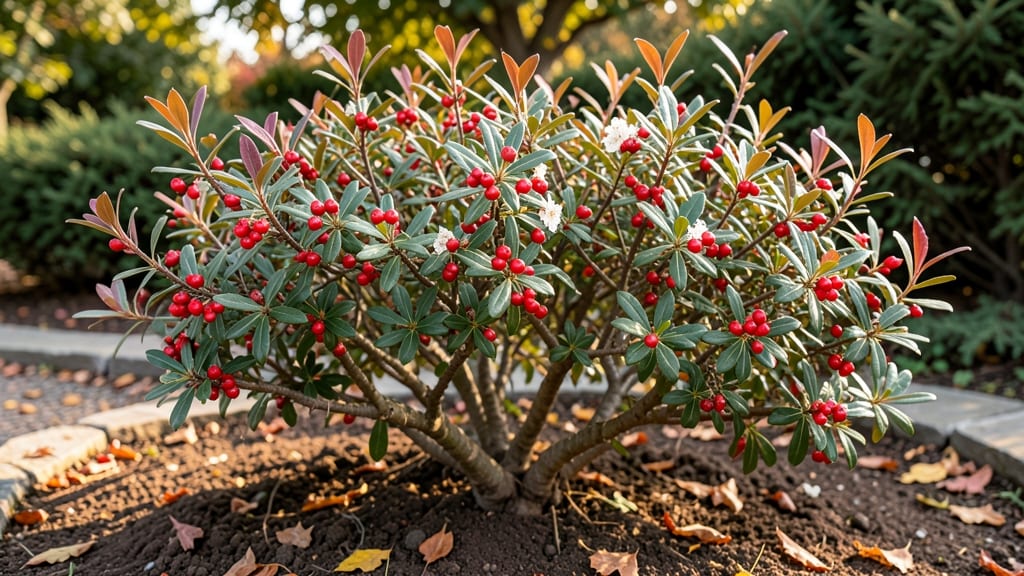
The first step to nailing red leaf shrub identification is noticing tiny details—like whether those glossy leaves are oval or serrated. 🌿 I’ve spent years sorting through nursery bins and realized most people overlook the subtle differences that separate a smoky purple smoke bush from a deep crimson barberry.
The key? Leaf shape, edge texture, and how the color shifts with seasons.
Take Berberis thunbergii—its leaves are oval with jagged edges and turn a fiery red in winter, while Cotinus coggygria has fuzzy, maple-like leaves that blush pink-purple in fall. Ilex crenata, on the other hand, sports tiny, smooth leaves that stay green year-round unless you pick a cultivar like 'Sargentii' for its burgundy tones.
Growth habit matters too: some sprawl, others stay compact.
Once you spot these clues, you’ll avoid buying the wrong shrub—like mistaking a barberry for a pyracantha. Plant it in the right spot (sun for color, shade for delicate leaves) and prune lightly after blooming to keep it tidy.
A well-placed shrub transforms a dull corner into a year-round focal point with minimal effort.
For cooler climates, opt for hardy varieties like 'Royal Purple' smokebush, while warmer zones thrive with 'Dwarf Burford' holly. The secret? Match the shrub’s native range to your zone—then sit back and enjoy the drama of seasonal color shifts that make identification worth the effort.
The Science Behind Red Leaves
If your shrub is suddenly sporting vibrant red foliage—or if you’re admiring a naturally red-leaved variety—understanding the why behind this color shift can help you care for it better (or even identify it!).
Red leaves aren’t just a seasonal spectacle; they’re a plant’s clever way of communicating stress, survival, or even genetic brilliance. Let’s break down the key reasons behind this striking transformation, from biological quirks to environmental cues.
Some shrubs are born with red leaves, thanks to their DNA. This isn’t just for show—it’s a survival strategy. Plants like Euonymus alatus (Wahoo) or Cornus sericea (Red Osier Dogwood) produce red pigments (anthocyanins) year-round to:
- Protect leaves from excessive sunlight by acting as natural sunscreen, reducing UV damage.
- Attract pollinators with bright colors, even in winter when food is scarce.
- Signal maturity: Older leaves often turn red as they produce more anthocyanins, a sign of robust health.
Actionable tip: If your shrub has consistently red leaves, it’s likely a cultivar bred for this trait—like Ilex ‘Sparkleberry’. Embrace it! These plants usually thrive with standard care (well-draining soil, moderate water).
Red leaves can also be a distress signal, especially in fall or early spring. Here’s what’s really going on:
🍂 Autumn’s Sugar Rush: The Leaf’s Last Hurrah
As temperatures drop, chlorophyll (the green pigment) breaks down, revealing anthocyanins and carotenoids (reds, oranges, yellows) lurking underneath. But if your shrub turns red earlier than expected or in unusually warm patches, it might be:
- Nutrient-deprived: Low phosphorus or nitrogen forces the plant to redirect energy, accelerating pigment changes.
- Drought-stressed: Water scarcity triggers anthocyanin production as a protective measure.
- Sunburned: Intense afternoon sun can scorch leaves, prompting a red flush as a damage response.
Fix it: Test your soil (aim for pH 6.0–7.0) and water deeply 1–2 times per week. Mulch with organic matter to retain moisture.
🔥 Summer’s Heatwave: When Plants Overheat
In scorching weather, some shrubs (like Cotoneaster or Pyracantha) may develop red edges or blotches as a heat shock response. This happens because:
- High temperatures disrupt chlorophyll production, allowing red pigments to dominate.
- The plant closes stomata (pores) to conserve water, reducing photosynthesis and triggering stress signals.
Actionable fix:
- 🌡️ Provide afternoon shade with a temporary shade cloth (30–50% coverage).
- 💦 Water at the roots (not the leaves) to avoid fungal issues from humidity.
- ✨ Boost humidity with a light misting (but avoid soggy soil).
Not all red leaves are harmless—some signal hidden threats. Watch for these patterns:
🐛 Spider Mites and Aphids: The Tiny Vampires
These pests pierce leaves to suck sap, causing:
- Red or purple stippling (tiny speckles) from toxin buildup.
- Curling or bronzing (a metallic red sheen) as the plant fights back.
How to confirm: Hold a white sheet under the shrub and shake—if tiny red/orange mites drop, you’ve got an infestation.
Treatment:
- 🔥 Blast them off with a strong spray of water (repeat weekly).
- 🌿 Spray neem oil (1 tsp per quart of water) every 5–7 days.
- 🐝 Encourage ladybugs (their natural predators).
🍄 Fungal Infections: The Silent Invaders
Diseases like anthracnose or leaf spot can cause red or brown patches with yellow halos. Fungi thrive in:
- Poor air circulation (overcrowded shrubs).
- Wet foliage (from overhead watering).
Prevent it:
- ✂️ Prune for airflow—remove crossing branches.
- 💧 Water at the base and avoid late-day watering.
- 🧴 Apply copper fungicide if spots appear (follow label instructions).
Fertilizers and soil amendments can turn leaves red if misused. Here’s how:
| Cause | Red Leaf Signs | Solution |
|---|---|---|
| Excess phosphorus | Deep red/purple leaves, especially on new growth. | Flush soil with water and avoid high-P fertilizers (like bone meal). Use a balanced 10-10-10 instead. |
| Iron deficiency (chlorosis) | Yellow leaves with red veins (common in alkaline soil). | Add chelated iron or sulfur to lower pH (aim for 6.0–6.5). |
| Over-salting (from ice melt or fertilizers) | Crispy red edges or burnt tips. | Amend soil with compost and water thoroughly to leach out salts. |
Red leaves can be a beautiful sign of a healthy, thriving shrub—or a warning that something’s off. By observing the pattern (seasonal? localized? systemic?), you can tell whether to celebrate or intervene. Next up: How to use these clues to ID your shrub like a pro!
Practical fixes for leaf color issues
When your shrubs sport unexpected red leaves, the good news is that most causes have simple, effective solutions. Whether it’s environmental stress, pests, or disease, taking action early can restore your shrub’s health—and its vibrant green hues.
Below, we’ve mapped common causes to step-by-step fixes, plus prevention tips to keep your shrubs thriving.
Cause: Intense afternoon sun or heat stress turns leaves red, especially in tender varieties like azaleas or hydrangeas.
How to Fix It: 🔥 Provide afternoon shade – Use shade cloth (30-50% coverage) or plant near taller shrubs/trees to block direct sun. 🍳 Water deeply and consistently – Soak the root zone (1-2 inches deep) every 2-3 days during heatwaves. Avoid wetting leaves to prevent fungal issues. 👨🍳 Mulch properly – Apply 2-3 inches of organic mulch (wood chips, straw) to retain moisture and cool roots. ⏰ Adjust planting timing – If possible, transplant shrubs in early spring or fall to avoid summer heat stress.
Prevention Tip: 💡 Choose heat-tolerant varieties like ‘Annabelle’ hydrangea or ‘George L. Taber’ azalea if your climate has scorching summers.
Cause: Both extremes can cause reddening—underwatering leads to drought stress, while soggy soil suffocates roots and triggers disease.
How to Fix It: 🔥 Check soil moisture – Stick your finger 1-2 inches into the soil. If dry, water thoroughly; if muddy, hold off until the top inch dries. 🍳 Improve drainage – Amend heavy clay soil with compost or sand. For containers, ensure pots have drainage holes. 👨🍳 Water at the base – Use a soaker hose or drip irrigation to deliver water directly to roots, avoiding leaf wetting. ⏰ Adjust frequency – Water early in the morning to reduce evaporation and fungal risks.
Prevention Tip: 🌡️ Install a rain gauge near your shrubs to track rainfall and avoid over/under-watering guesswork.
Cause: Tiny pests suck sap, causing leaves to turn red, yellow, or crispy. Common culprits include spider mites (reddish webbing) and scale insects (brown bumps).
How to Fix It: 🔥 Inspect leaves – Hold a white sheet under the shrub and shake it to spot falling pests. Check undersides of leaves for eggs or webbing. 🍳 Blast off pests – Spray leaves with a strong stream of water (for aphids) or use neem oil (1 tsp per quart of water) for mites/scale. 👨🍳 Introduce beneficial insects – Ladybugs and lacewings prey on aphids. Buy them online or attract them with native plants like dill or yarrow. ⏰ Apply horticultural oil – For severe infestations, use dormant oil in early spring or insecticidal soap (follow label rates).
Prevention Tip: ✨ Encourage biodiversity – Plant marigolds, garlic, or lavender nearby to repel pests naturally.
Cause: Fungal spores thrive in humid, poorly ventilated conditions, causing red/purple spots or a white powdery coating.
How to Fix It: 🔥 Prune for airflow – Thin out dense branches to improve circulation. Remove and dispose of infected leaves (do not compost). 🍳 Apply fungicide – Use copper fungicide or baking soda spray (1 tsp baking soda + 1 quart water + a drop of soap) for mild cases. 👨🍳 Water wisely – Water at the base in the early morning to let foliage dry quickly. ⏰ Sterilize tools – Clean pruners with rubbing alcohol between cuts to prevent spreading spores.
Prevention Tip: 🎯 Space shrubs 3-5 feet apart to reduce humidity buildup in the canopy.
Cause: Poor soil or over-fertilizing can lead to red leaves. Iron deficiency (chlorosis) often shows as yellow veins with red edges.
How to Fix It: 🔥 Test your soil – Use a DIY soil test kit or send a sample to a local extension office for pH and nutrient analysis. 🍳 Amend soil –
- For iron deficiency (high pH): Sprinkle chelated iron or Epsom salt (1 tbsp per gallon of water) every 2 weeks.
- For nitrogen deficiency: Apply a balanced fertilizer (10-10-10) in spring.
👨🍳 Use organic matter – Mix compost or worm castings into the top 6 inches of soil to improve nutrient availability.
Prevention Tip: 💡 Mulch annually with leaf mold or pine needles to slowly release nutrients into the soil.
Cause: Excessive fertilizer (especially salt-based) or herbicide overspray can scorch leaves, turning them red or brown.
How to Fix It: 🔥 Flush the soil – Water deeply for 10-15 minutes to leach out excess salts. 🍳 Avoid fertilizing for 4-6 weeks to let the plant recover. 👨🍳 Protect from drift – If herbicides are used nearby, cover shrubs with burlap or apply a physical barrier (like cardboard).
Prevention Tip: 🎯 Use slow-release fertilizers and spot-treat weeds with vinegar (for organic gardens) to minimize risk.
Final Pro Tip: 📊 Keep a garden journal! Note when reddening occurs, weather conditions, and treatments applied. Patterns will help you pinpoint causes faster next time.
Frequently asked questions
What's the easiest way to tell a barberry from a pyracantha?
Look at the leaf edges and berries! Barberries like Berberis thunbergii have serrated (toothed) leaves and red-orange berries that persist into winter. Pyracantha, however, has smooth-edged leaves and clusters of bright red berries that birds adore. Another clue: barberries often have thorny stems while pyracantha thorns are softer.
Why does my red leaf shrub look healthy but only has green leaves?
Some shrubs like Ilex crenata 'Sargentii' stay green year-round but have burgundy stems and new growth. Others, like Cotinus coggygria, turn red/pink only in fall or winter. If your shrub was labeled as a red-leaf variety but isn't showing color, check if it's getting too much shade—most need full sun to 6 hours of light daily for vibrant foliage.
Can I grow red leaf shrubs in containers?
Dwarf varieties like Berberis thunbergii 'Rose Glow' or Cotinus coggygria 'Royal Purple' thrive in 15-20 gallon containers. Use a well-draining potting mix with perlite and ensure the pot has drainage holes. Water when the top 1-2 inches of soil feel dry, and fertilize lightly with a balanced 10-10-10 in spring.
How do I know if my red leaf shrub is diseased or just stressed?
Check for these clues: Yellow halos around red spots or white powder on leaves? Likely fungal. Curling leaves with webbing? Spider mites. Crispy red edges with no other symptoms? Probably heat or salt stress. Healthy red leaves should be firm, glossy, and evenly colored without spots or distortion. If in doubt, snap a photo and compare with healthy examples online.
Are red leaf shrubs deer-resistant?
Some are! Berberis thunbergii and Ilex crenata are often deer-deterrent due to their spiny stems or bitter leaves. However, hungry deer may still nibble Cotinus coggygria or Pyracantha. For extra protection, apply deer repellent sprays or plant near deer-unfriendly companions like boxwood or lavender.