
Shrubs
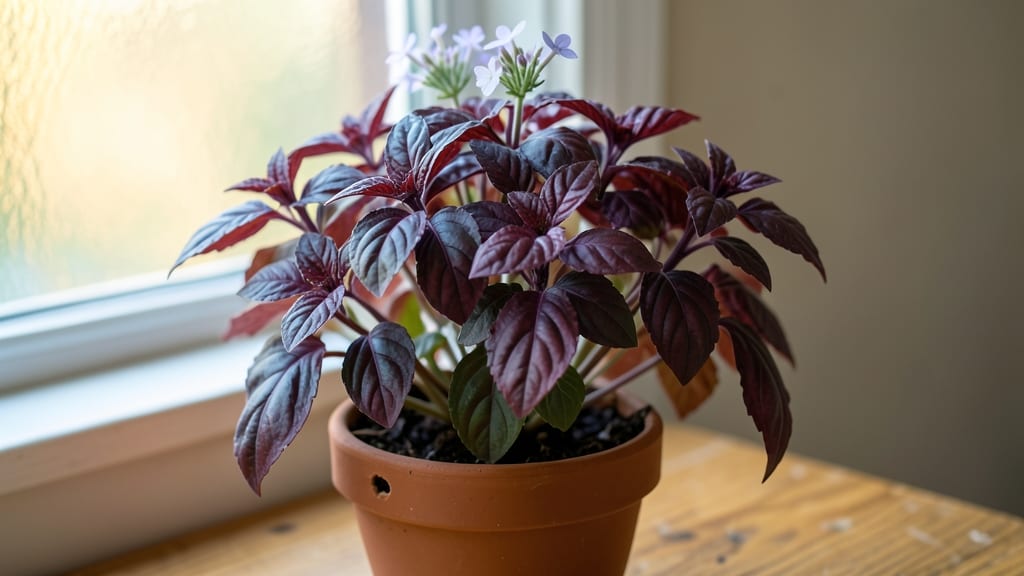
Growing red lettuce leaf basil transforms your garden into a fragrant, edible masterpiece with deep burgundy foliage. 🌿 Unlike regular basil, this variety doubles as a striking ornamental plant while delivering a sweeter, slightly peppery flavor perfect for salads and garnishes.
The secret lies in its crisp edges and tender leaves—ideal for both culinary and visual appeal. This basil thrives in full sun to partial shade, needing at least 6 hours of sunlight daily for vibrant growth.
Well-draining soil rich in organic matter keeps roots happy, and consistent moisture prevents bolting. Prune regularly to encourage bushier growth and harvest leaves from the top to maintain that signature crispness. You’ll harvest fresh leaves in 4-6 weeks, with plants staying productive for months if cared for properly.
The burgundy hues deepen in cooler weather, making it a standout in containers or garden beds. Just watch for pests like aphids and keep an eye on yellowing leaves—usually a sign of overwatering or poor drainage. Perfect for gardeners who love dual-purpose plants. Here’s how to keep yours thriving year-round!
📚 In This Guide
- What you need
- Instructions
- Tips and common mistakes
- Wrapping up and next steps
What you need
- ● Seeds or Seedlings: 1 packet (50-100 seeds) of red lettuce leaf basil seeds or 3-5 healthy seedlings (ensure they’re disease-free).
- ● Containers: 5-6 inch pots (1 per plant) with drainage holes, or
- ● A raised garden bed (minimum 12" deep) for 3-5 plants.
- ● Potting Mix: 1 bag (5-10 quarts) of well-draining, sterile potting soil (avoid garden soil—it can compact).
- ● Fertilizer: Balanced liquid fertilizer (10-10-10 or 20-20-20) or
- ● Slow-release granular fertilizer (e.g., 10-10-10, 1 tbsp per pot).
- ● Watering Can or Spray Bottle: With a fine rose nozzle for gentle watering.
- ● Pruning Shears: Small, sharp scissors for harvesting and trimming.
- ● Grow Lights: LED or fluorescent full-spectrum bulbs (if growing indoors without sunlight).
- ● Mulch: Straw or shredded leaves to retain moisture.
- ● Support Stakes: 6-12 inch bamboo stakes (if plants flop in wind).
- ● Compost: For enriching soil before planting.
- ● Spray Bottle with Water: For misting leaves on dry days.
Step-by-step instructions for cultivating red lettuce leaf basil
Here’s how I grow this striking, flavorful basil variety—crisp-edged leaves with a sweet, anise-like aroma that keeps producing all season.
🌱 Step 1: Start Seeds Indoors with Precision Timing
Begin seeds 8-10 weeks before your last frost date—this gives them time to mature before summer heat sets in. Fill 2-3 inch deep biodegradable pots with a sterile seed-starting mix (never garden soil—it’s too dense). I like to press the mix down gently so it’s firm but not compacted, then moisten it until it feels like a wrung-out sponge.
Plant 2-3 seeds per pot at a depth of ¼ inch, just below the soil surface. Cover lightly with additional mix, then mist the surface with a spray bottle until evenly damp. Place the pots in a warm spot (70-75°F) and cover with a humidity dome or plastic wrap. You’ll see sprouts in 7-14 days—watch for the first true leaves to appear before thinning.
☀️ Step 2: Provide Ideal Light and Prevent Leggy Growth
As soon as seedlings emerge, move them to a south-facing window or under a grow light providing 14-16 hours of light daily. Without enough light, basil stems stretch desperately toward the window, a condition called "legginess." You’ll know your seedlings are thriving when they have thick stems, deep green leaves, and compact spacing between nodes.
If using a grow light, position it 2-4 inches above the plants and raise it as they grow. Rotate the pots a quarter turn daily so they don’t lean toward the light. Once seedlings have 3-4 true leaves, thin to the strongest plant per pot—gently snip the extras at the base with clean scissors.
🪴 Step 3: Transplant Outdoors After Hardening Off
Two weeks before your last frost, start hardening off seedlings by placing them outside in a sheltered spot for 1-2 hours the first day. Gradually increase their outdoor time by 1 hour daily over 10-14 days
Choose a location with full sun (6+ hours daily) and well-draining soil. Red lettuce leaf basil thrives in 60-75°F temperatures, so avoid transplanting until nighttime temps stay above 50°F. Space plants 12-18 inches apart in the ground or 8-10 inches apart in containers. Water deeply at the base to encourage root growth. Basil hates soggy roots but also wilts quickly when dry. Water 1-2 inches per week, keeping the soil evenly moist but not waterlogged. You’ll know it’s time to water when the top inch of soil feels dry to the touch. Mulch around plants with 1-2 inches of organic mulch to retain moisture and suppress weeds. Feed plants every 3-4 weeks with a balanced liquid fertilizer (10-10-10) diluted to half strength. Red lettuce leaf basil is particularly sensitive to over-fertilization, so avoid heavy-handed feeding—this variety prioritizes flavor over rapid growth. Pinch back the tips of stems when plants reach 6-8 inches tall to encourage bushier growth and more leaves. Begin harvesting when plants reach 6-8 inches tall by snipping individual leaves from the outer edges. This method preserves the plant’s shape and encourages new growth. For a heavy harvest, cut stems back by ⅓ their height just above a leaf node—new shoots will sprout within 1-2 weeks. To maintain crisp edges and prevent bolting (flowering), harvest regularly throughout the season. Stop harvesting 6-8 weeks before your first frost to allow plants to harden off naturally. In containers, you can extend the season by bringing pots indoors before cold weather hits—just place them near a sunny window and reduce watering slightly.💧 Step 4: Maintain Consistent Moisture and Fertility
✂️ Step 5: Harvest and Prune for Continuous Production
Tips & tricks for perfect red lettuce leaf basil cultivation
These game-changing strategies will help you grow basil that's not just fragrant, but also visually stunning with those signature crisp red edges.
Seed Starting Precision: The 8-10 week window before last frost is non-negotiable for Red Lettuce Leaf Basil—it needs this time to develop its distinctive color and flavor profile. I've learned the hard way that rushing this timeline often results in heat-stressed plants that bolt prematurely. Use a heat mat set to maintain that 70-75°F range during germination, as cooler temperatures slow down sprouting. The biodegradable pots are worth the investment—they eliminate transplant shock completely when you're ready to move outdoors.
Light Management Secret: Those crucial 14-16 hours of daily light aren't just about growth—they're what develop the vibrant red edges. If you're using grow lights, I recommend a full-spectrum LED that you can adjust 2-4 inches above the plants. The daily quarter-turn rotation prevents that classic "leggy" growth while ensuring even color development. Watch for the stems thickening and leaves developing that signature crisp edge—this is your visual cue that the light requirements are being met perfectly.
Hardening Off Strategy: The gradual 1 hour daily increase over 10-14 days might seem tedious, but it's the difference between plants that thrive and ones that wilt under transplant shock. I've found that starting with just 1-2 hours on the first day prevents stress while still acclimating them to outdoor conditions. Pay special attention to nighttime temperatures—never transplant when nights dip below 50°F, as this variety is particularly sensitive to cold stress.
Harvesting Technique: The ⅓ height pruning method works wonders for Red Lettuce Leaf Basil, but timing is everything. Always cut just above a leaf node—this is where new growth will emerge most vigorously. I harvest every 2-3 weeks during peak growing season to maintain those crisp edges and prevent bolting. The key is to never remove more than ⅓ at once, even during heavy harvests—this keeps the plant's energy balanced for continuous production.
Pro Tips for Red Lettuce Leaf Basil
- These game-changing strategies will help you grow basil that's not just fragrant, but also visually stunning with those signature crisp red edges.
- Seed Starting Precision: The 8-10 week window before last frost is non-negotiable for Red Lettuce Leaf Basil—it needs this time to develop its distinctive color and flavor profile.
- Light Management Secret: Those crucial 14-16 hours of daily light aren't just about growth—they're what develop the vibrant red edges.
Frequently asked questions
Got questions about growing red lettuce leaf basil?
You’re not alone! Here are some of the most common queries—plus quick, actionable answers to keep your plants thriving.
What’s the best way to harvest red lettuce leaf basil without killing the plant?
Always snip leaves from the top third of the plant using clean scissors or fingers. Avoid cutting into the main stem—this encourages bushier growth and more leaves. For a continuous harvest, pick 3–4 leaves at a time every 2–3 weeks. Pro tip: Harvest in the morning when oils are most potent!
How long does it take for red lettuce leaf basil to mature and be ready for harvest?
With ideal conditions (full sun, consistent moisture), you’ll see ready-to-harvest leaves in 4–6 weeks from seed. If you’re growing from seedlings, expect 3–4 weeks for the first harvest. Patience pays off—wait until leaves are fully unfurled and vibrant red for peak flavor!
Why are my red lettuce leaf basil leaves turning yellow or crispy at the edges?
Yellowing leaves often signal overwatering or poor drainage, while crispy edges usually mean underwatering or heat stress. Check soil moisture (top inch should be dry), ensure pots have drainage holes, and provide afternoon shade in hot climates. Mulch with straw to retain moisture and prevent temperature swings.
Can I grow red lettuce leaf basil indoors, and what’s the best setup?
Place your pot near a south-facing window (or use a grow light 6+ inches away for 12–14 hours/day). Use a well-draining potting mix, and rotate the pot weekly for even growth. A 5–6 inch pot works for starters, but transplant to a larger container as it grows. Humidity helps! Mist leaves or use a pebble tray to combat dry indoor air.
What’s the best way to store freshly harvested red lettuce leaf basil?
Store stems in a glass of water like cut flowers, covered with a plastic bag (poke holes for airflow). In the fridge, wrap stems in a damp paper towel and place in a sealed container—lasts 7–10 days. For longer storage, freeze chopped leaves in ice cube trays with water or olive oil (perfect for soups later!).
Are there any common pests I should watch for with red lettuce leaf basil?
Keep an eye out for aphids, spider mites, and whiteflies, which love tender basil leaves. Spray leaves with neem oil or insecticidal soap at the first sign of pests. Preventative tip: Encourage beneficial insects like ladybugs by planting marigolds nearby!
Wrapping up and next steps
Growing red lettuce leaf basil is a rewarding journey that brings vibrant color and fragrant leaves to your kitchen year-round!
With the right setup—whether in containers, garden beds, or even indoors—you’ll enjoy crisp edges, tender leaves, and a harvest that keeps giving. Don’t let challenges like pests or slow growth discourage you; troubleshoot with confidence using the tips above.
Ready to level up your herb game? 🌱 Start small—plant a few seeds or propagate a cutting today—and watch your garden transform into a fragrant, flavorful oasis. Happy growing!