
Planting
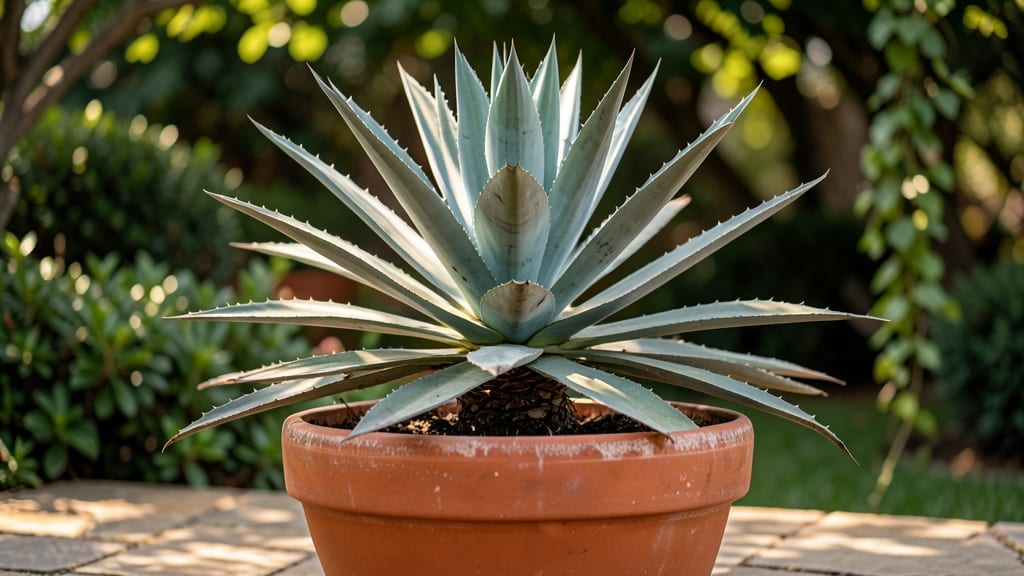
Mastering spiky leaf plant identification can feel like solving a puzzle—until you spot those telltale shapes. 🌿 I’ve narrowed down the 10 most common varieties you’ll encounter, from prickly succulents to ornamental grasses, so you can finally name that mysterious plant in your garden (or your neighbor’s, if you’re feeling nosy).
The key is leaf arrangement: some grow in tight rosettes (like agave), others in long, arching clumps (like yucca), and a few even have needle-like leaves that roll when touched (hello, Haworthia).
Most are harmless, but a few—like Dracaena or Dieffenbachia—pack a toxic punch, so I’ll flag those too.
By the end, you’ll confidently match leaves to names, whether it’s the jagged edges of a Sansevieria (snake plant) or the feathery spikes of Pennisetum grass. No more guessing—just quick, reliable ID for your garden collection.
Once you’ve identified them, I’ll point you to care tips so you can keep them thriving (or avoid them if they’re trouble). Ready to stop squinting at those leaves?
Understanding Leaf Spikes Causes
Plants with spiky leaves aren’t just a quirky design—they’re often a survival strategy or a sign of environmental stress. If you’re noticing unexpected spikes on your plant’s foliage, here’s why it might be happening, broken down by the most common culprits.
Some plants are born spiky! Spines, thorns, or prickly edges are hardwired into their DNA as a natural defense mechanism.
These adaptations: - Deter herbivores (think cacti or agave, which evolved to fend off hungry critters). - Reduce water loss (spines create microclimates that trap moisture). - Reflect sunlight (some desert plants use spikes to minimize heat absorption).
💡 Pro Tip: If your plant is a known spiky variety (e.g., Yucca, Dracaena marginata, or Haworthia), those spikes are normal! Research its species traits to confirm.
Plants often develop spiky or jagged leaves when they’re struggling. Common triggers include:
🌡️ Extreme Temperature Shifts
- Cold snaps can cause new growth to harden or develop rough edges as a protective response.
- Heat stress may lead to curled, spiky leaves (common in tropical plants like Monstera or Calathea).
- Solution: Maintain stable temperatures (most houseplants thrive between 65–75°F).
Use a heat mat in winter or shade cloth in summer.
💧 Water Woes (Too Much or Too Little)
- Underwatering: Leaves may develop sharp, brittle edges as the plant conserves moisture.
- Overwatering: Root stress can trigger abnormal growth, including spiky new leaves (e.g., Snake Plant leaves turning jagged).
- Solution: Check soil moisture with your finger—top inch dry? Water lightly. Soggy? Let it dry out before rewatering.
☀️ Light Exposure Issues
- Too much direct sun can scorch leaves, causing them to thicken or develop prickly textures (e.g., Succulents or Aloe).
- Insufficient light may lead to etiolated (stretched, spiky) growth in plants like Pothos or Philodendron.
- Solution: Rotate plants every 2–4 weeks and use sheer curtains for bright indirect light.
Imbalances in soil nutrients can distort leaf growth, leading to spikes or serrated edges.
Watch for: - Nitrogen deficiency → Pale, spiky new leaves (common in Ferns or Hostas). - Magnesium or calcium excess → Crispy, jagged leaf margins (e.g., Rubber Plants). - Fluoride or salt buildup (from tap water) → Leaf tips turn brown and spiky. - Solution: - Test soil pH (ideal 6.0–7.0 for most plants). - Flush soil with distilled water every 3 months. - Use a balanced fertilizer (e.g., 10-10-10) sparingly.
Some pests and pathogens physically alter leaf structure, creating spiky or distorted growth:
- Spider mites or aphids suck sap, causing leaves to curl or develop rough edges.
- Fungal infections (like powdery mildew) can distort new growth, making it look spiky.
- Solution:
- Wipe leaves with neem oil or insecticidal soap.
- Improve airflow (space plants 6+ inches apart).
- Remove infected leaves immediately.
Mature plants often develop spikier leaves as they age. For example:
- Yucca leaves become more rigid and pointed with time.
- Bromeliads may develop sharp, leathery edges in their later stages.
- Solution: Embrace the natural life cycle! Prune older, spiky leaves to encourage fresh growth.
Accidental harm can trigger abnormal growth:
- Mechanical stress (e.g., brushing against leaves) may cause minor spikes as a healing response.
- Herbicide drift or over-fertilization can chemically stress plants, leading to distorted leaves.
- Solution: Handle plants gently and avoid harsh chemicals near foliage.
Key Takeaway: Not all spikes are bad—some are normal! But if they’re sudden or excessive, check your plant’s light, water, soil, and pests first. A little detective work can turn those prickles into clues for a healthier garden. 🕵️♂️🌿
Quick Fixes for Spiky Leaf Issues
When your spiky leaf plants start looking less than their best, don’t panic—most problems have simple, actionable solutions. Below, we’ve mapped common causes to easy fixes, along with prevention tips to keep your plants thriving.
Whether it’s pests, disease, or environmental stress, these steps will help restore your plants’ health without guesswork.
Signs: Yellowing leaves, mushy stems, or roots sitting in soggy soil. How to Fix It:
- 🔥 Step 1: Remove the plant from its pot and inspect the roots. Snip away any black, mushy roots with sterilized scissors (⏰ 5 minutes).
- 🍳 Step 2: Repot in fresh, well-draining soil (mix in perlite or sand for aeration) and use a pot with drainage holes.
- 👨🍳 Step 3: Water only when the top 1–2 inches of soil are dry—stick your finger in to test!
Prevention Tips:
- Use terracotta pots (they wick away moisture faster).
- 💡 Pro Tip: Group plants with similar water needs together to avoid over- or under-watering.
Signs: Crispy, brown leaf edges or bleached patches. How to Fix It:
- 🌡️ Step 1: Move the plant to a spot with indirect light (e.g., near a sheer curtain).
- 🎯 Step 2: If outdoors, provide afternoon shade during peak sun hours (12–4 PM).
- ✨ Step 3: Gradually acclimate it to more sunlight over 1–2 weeks if it’s a sun-lover (like agave or yucca).
Prevention Tips:
- 🔥 Rotate pots weekly so all sides get even light.
- 💡 Use reflective surfaces (like mirrors) to bounce light into shady corners.
Signs: Sticky residue, white cottony patches, or tiny webs. How to Fix It:
- 🔪 Step 1: Wipe leaves with a soapy water solution (1 tsp mild dish soap + 1 quart water). Spray undersides where pests hide.
- 🍳 Step 2: For stubborn infestations, use neem oil spray (1 tsp neem oil + 1 tsp soap + 1 quart water). Reapply every 5–7 days for 2 weeks.
- 👨🍳 Step 3: Isolate the plant until pests are gone to prevent spreading.
Prevention Tips:
- 💡 Inspect new plants before bringing them indoors.
- 🌡️ Encourage beneficial insects (like ladybugs) by planting companion flowers (e.g., marigolds).
Signs: White powdery coating, orange rust spots, or leaf drop. How to Fix It:
- 🌡️ Step 1: Prune infected leaves with clean scissors and dispose of them (🚫 don’t compost).
- 🎯 Step 2: Spray with a baking soda solution (1 tsp baking soda + 1 quart water + a drop of soap) every 7 days for 3 weeks.
- ✨ Step 3: Improve airflow by spacing plants apart or using a small fan on low.
Prevention Tips:
- 💡 Water early in the day so leaves dry quickly.
- 🔥 Avoid overhead watering—use a drip irrigation system instead.
Signs: Drooping, curled leaves, or sudden leaf loss. How to Fix It:
- 🌡️ Step 1: Move the plant to a stable environment (ideal temps: 60–75°F for most spiky plants).
- 🎯 Step 2: Use a humidifier or place the pot on a pebble tray with water (for desert plants like cacti, reduce humidity).
- ✨ Step 3: Avoid drafts from AC vents or heaters.
Prevention Tips:
- 💡 Group tropical spiky plants (like dracaena) together to create a microclimate.
- 🔥 Use thermal curtains to protect plants from cold drafts in winter.
Signs: Pale leaves, slow growth, or weak stems. How to Fix It: - 🍳 Step 1: Test your soil with a DIY kit (available at garden centers).
If deficient, amend with: - Nitrogen (for green growth): Coffee grounds or blood meal. - Phosphorus (for roots): Bone meal. - Potassium (for strength): Banana peels or wood ash. - 👨🍳 Step 2: Fertilize every 4–6 weeks in growing season with a balanced 10-10-10 formula.
Prevention Tips:
- 💡 Rotate crops if growing edible spiky plants (like artichokes) to avoid nutrient depletion.
- 🌡️ Mulch with compost to slowly release nutrients.
If more than 50% of leaves are affected:
- 🔪 Prune back dead/dying foliage to redirect energy.
- 🌱 Repot in fresh soil and reduce watering by half for 2 weeks.
- 🛡️ Quarantine the plant until it shows signs of recovery (new growth).
💡 Pro Tip: Some spiky plants (like snake plants) are drought-tolerant—let them fully dry out between waterings if they’re struggling.
Frequently asked questions
How do I tell if a spiky-leafed plant is toxic to pets?
Check the plant name against a toxicity database like ASPCA’s list. Common toxic spiky plants include Dracaena (corn plant) and Dieffenbachia (dumb cane), which can cause oral irritation or vomiting. Non-toxic options with spiky leaves include Haworthia (zebra plant) or Agave (century plant). Always keep pets away from unfamiliar plants until confirmed safe.
Can I propagate a spiky-leafed plant from cuttings?
Most spiky-leafed plants like Yucca or Snake Plant root easily from stem cuttings. Take a 4-inch cutting, let it callus for 1–2 hours, then place in moist perlite or water. Keep in bright, indirect light until roots form (2–4 weeks). Avoid handling spiky plants bare-handed—use gloves or tongs for safety.
Why do some spiky plants have soft leaves while others are razor-sharp?
Leaf texture depends on the plant’s natural defenses and environment. Soft-spiky plants like Pennisetum (fountain grass) have flexible, feathery leaves for wind resistance, while Aloe or Yucca leaves are sharp to deter herbivores. Succulents often develop tougher, spikier leaves in dry climates to conserve water. Always research the species—some "soft" spiky plants can still cause skin irritation!
How do I safely handle spiky-leafed plants without getting pricked?
Use thick gardening gloves when pruning or repotting. For delicate work, wrap leaves in a towel or use long-handled tools. When transplanting, grip the base of the plant (not the leaves) and work slowly. If handling Agave or Cactus, wear long sleeves and eye protection—some spines can break off and embed in skin.
Are there any spiky-leafed plants that thrive indoors year-round?
Yes! Top indoor-friendly spiky plants include Snake Plant (Sansevieria), ZZ Plant (Zamioculcas), and Cast Iron Plant (Aspidistra). These tolerate low light and irregular watering. For brighter spaces, try Dracaena (Dragon Tree) or Haworthia. Just ensure pots have drainage holes—most spiky plants hate soggy roots.