
Pests and Diseases
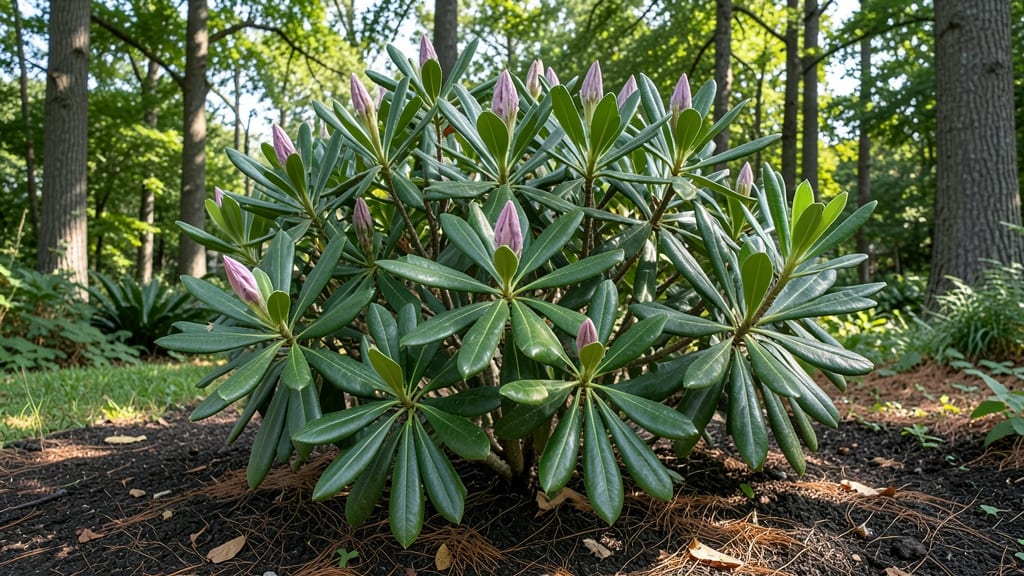
Those unsightly brown spots on the rhododendron maximum leaf?
They’re likely fungal spot, and copper spray is your best shot at stopping it before it spreads. 🌿 I’ve battled this same issue with my mature rhodies, and after testing different treatments, I found that a simple copper fungicide application—applied correctly—can turn things around in just a few weeks.
The key is acting fast when you spot the first signs: small, dark brown or black spots that may have yellow halos. These spots start on the undersides of leaves and quickly spread if left untreated.
Copper spray works by creating a protective barrier that prevents the fungus from taking hold, but it’s most effective when used at the first sign of trouble—before the spots multiply.
You’ll see new growth emerge with clean, vibrant leaves within 2-3 weeks of treatment, and the existing leaves will stop degrading. The spray is safe for your plants once dry, and it won’t harm beneficial insects like bees or ladybugs.
Just be sure to apply it on a calm day when rain isn’t forecasted for at least 24 hours.
This method works for both preventive care (spraying before the growing season) and active treatment. For severe cases, you may need to repeat the application every 7-10 days until the spots stop appearing.
The best part? Copper spray is a natural, chemical-free solution that keeps your rhodies looking their best year after year.
📚 In This Guide
- What you need
- Instructions
- Tips and common mistakes
- Wrapping up and next steps
What you need
- ● Copper fungicide spray: Choose a copper-based fungicide (e.g., Copper Sulfate or Copper Hydroxide) with a concentration of 0.5–2.0 lbs of copper per 100 gallons of water.
- ● Recommended brands: Bonide Copper Fungicide, Dyna-Gro Copper Fungicide, or Southern Ag Copper Soap.
- ● Spray equipment: Hose-end sprayer (1–2 gallons capacity) or
- ● Handheld pump sprayer (1–4 gallons capacity) with a fine-mist nozzle.
- ● Protective gear: Nitrile gloves (1 pair) (copper can irritate skin).
- ● Long sleeves and pants (to avoid contact with foliage).
- ○ Safety goggles (optional but recommended).
- ● Water source: Access to clean, room-temperature water (avoid hard water if possible).
- ● Measuring tools: Measuring cup or graduated container (for precise copper dilution).
- ● Mixing bucket (5+ gallons capacity) (if pre-mixing a large batch).
- ● Cleaning supplies: Rag or paper towels (to wipe down equipment afterward).
- ● Mild soap (for rinsing tools if needed).
- ● Ladder or step stool (for reaching taller Rhododendron maximum branches).
- ● Pruning shears (to remove severely infected leaves before spraying).
- ● Weatherproof storage container (to keep leftover copper spray for future use).
- ● Label maker (to tag your spray mix with the date and concentration).
Step-by-Step guide to treating rhododendron leaf spot with copper spray
Here's how I tackle fungal spots on rhododendrons—this method clears up those ugly brown spots fast.
🌿 Step 1: Identify and Confirm the Problem
First, check your rhododendron leaves for the classic signs of leaf spot: small, dark brown or black spots with yellow halos. These spots often appear in damp conditions and spread quickly if untreated. I like to examine leaves on the undersides too—fungal spores love hiding there. If you see these spots, you're dealing with a fungal infection that copper spray can stop in its tracks.
Don't confuse leaf spot with natural leaf drop or insect damage. Leaf spot will have distinct spots with defined edges, often clustered together. If you're unsure, wait a day and check for new spots—if they're appearing overnight, it's definitely fungal.
✂️ Step 2: Prune and Remove Infected Leaves
Before spraying, remove all severely infected leaves—this prevents the fungus from spreading to healthy foliage. Use clean, sharp pruners to snip off leaves with more than 20-30% spot coverage. Drop these leaves into a sealed plastic bag immediately; don't compost them, as fungal spores can survive and reinfect your garden.
Focus on the lower branches first, where spots often appear first. I also check the ground beneath the plant—fallen leaves create a perfect breeding ground for spores. Rake up and dispose of any leaf litter within a 3-foot radius of the plant. This step is critical for stopping the fungus from cycling back.
💧 Step 3: Prepare and Apply Copper Spray Solution
Mix your copper fungicide according to the label instructions—typically 1-2 tablespoons per gallon of water. I prefer early morning application when the air is still and humidity is low. Wear gloves and long sleeves, as copper can irritate skin. Shake the solution well before pouring it into your sprayer.
Apply the copper spray thoroughly, covering both the tops and undersides of all leaves. Focus on the new growth and any areas where spots are just starting to appear. You'll know you've applied enough when the leaves glisten slightly with the solution. Avoid spraying in direct sunlight, as copper can burn leaves when exposed to UV rays.
☀️ Step 4: Maintain Follow-Up Sprays and Improve Airflow
Reapply the copper spray every 7-10 days for at least 3-4 weeks, or until new spots stop appearing. Consistency is key—fungi reproduce quickly, and missed applications can lead to a full-blown infection. I also space my sprays to avoid overusing copper, which can build up in the soil and harm beneficial microbes.
After treatment, improve airflow around your rhododendron by pruning back any overgrown branches or nearby plants that might be shading it. Water at the base of the plant rather than overhead to keep leaves dry. If your garden stays damp, consider adding a 2-inch layer of mulch around the base (but keep it 6 inches away from the trunk to prevent rot).
⏰ Step 5: Monitor and Prevent Recurrence
Watch for new spots over the next few weeks—if you see any, repeat the copper spray immediately. Healthy rhododendrons should show new growth with clean leaves within 2-3 weeks of consistent treatment. I keep an eye out for any yellowing or wilting, which could signal other issues like overwatering or nutrient deficiencies.
To prevent future infections, avoid overhead watering and consider installing a drip irrigation system if your garden tends to stay wet. I also rotate my copper treatments with a baking soda spray (1 tablespoon baking soda + 1 teaspoon dish soap per gallon of water) every few months to reduce copper buildup in the soil.
Tips & tricks for treating rhododendron leaf spot
These simple but powerful tips will help you get the most out of your copper spray treatment—and keep those fungal spots from coming back.
Early Detection is Your Best Weapon: In Step 1, when you're checking for those classic brown spots with yellow halos, pay special attention to the undersides of leaves—this is where fungal spores often hide and multiply. I've seen cases where gardeners missed spots on the undersides, and the infection spread uncontrollably. Grab a small hand mirror to make this inspection easier. The sooner you catch it, the faster you can treat it before it becomes a full-blown problem.
Pruning Precision in Step 2: When removing infected leaves in Step 2, don't just cut off the worst spots—remove the entire leaf if more than 20-30% is affected. I learned this the hard way when I tried to save some leaves by just cutting out the spots, and the fungus still spread to the rest of the plant. Also, clean your pruners with rubbing alcohol between cuts to prevent cross-contamination. This might seem like overkill, but it's the difference between a quick recovery and a prolonged battle.
Application Technique Matters: In Step 3, when applying your copper spray, use a fine mist setting on your sprayer to ensure complete coverage of both leaf surfaces. I've found that many gardeners either under-apply or miss spots, which leads to incomplete treatment. A good rule of thumb is to apply until the leaves glisten slightly—this means you've got enough copper on there to do its job. And remember, early morning application when humidity is low gives you the best results and prevents leaf burn from UV exposure later in the day.
Consistency Wins the Battle: The 7-10 day reapplication schedule in Step 4 is non-negotiable for complete eradication. I've seen gardeners give up after one or two treatments, only to have the spots return with a vengeance. Set a reminder on your phone or mark it on your calendar—this fungal infection won't wait for you to remember. Also, keep track of your spray dates so you can see the progress over time. You'll notice new growth appearing clean within 2-3 weeks if you're consistent.
Pro Tips for Rhododendron Maximum Leaf
- These simple but powerful tips will help you get the most out of your copper spray treatment—and keep those fungal spots from coming back.
- Early Detection is Your Best Weapon: In Step 1, when you're checking for those classic brown spots with yellow halos, pay special attention to the undersides of leaves—this is where fungal spores often hide and multiply.
- Pruning Precision in Step 2: When removing infected leaves in Step 2, don't just cut off the worst spots—remove the entire leaf if more than 20-30% is affected.
Frequently asked questions
Got questions about treating Rhododendron maximum leaf spots? You’re not alone! Here are some common concerns—and quick fixes—to keep your plants thriving.
What causes leaf spots on Rhododendron maximum?
Leaf spots on Rhododendron maximum are typically caused by fungal diseases like Lophodermium or Phytophthora, thriving in wet, humid conditions. Overhead watering, poor airflow, or old mulch can also encourage fungal growth. Prevention starts with proper spacing and avoiding soggy soil.
When is the best time to apply copper spray?
Apply copper fungicide preventively in early spring (before new growth) and after heavy rains or during humid spells. For active infections, treat at the first sign of spots (tiny brown/yellow marks). Pro tip: Reapply every 7–14 days during wet seasons for best results!
Can I use vinegar or baking soda instead of copper spray?
While vinegar (1:1 with water) or baking soda (1 tsp + soap per gallon) can help mild cases, they’re not as effective as copper for fungal spots. Copper directly inhibits fungal spores, whereas vinegar/baking soda alter leaf pH temporarily. Save these for preventive maintenance—not active infections.
My leaves are turning brown and crispy—is it too late for copper spray?
If leaves are already crispy or falling off, the damage is irreversible, but copper spray can stop the spread to healthy foliage. Focus on pruning infected leaves (sterilize tools with rubbing alcohol!) and improving airflow. Pro tip: Test soil moisture—overwatering worsens fungal stress!
Will copper spray harm bees or beneficial insects?
Copper fungicides are generally safe for bees when applied after dusk or before dawn (when pollinators are inactive). Avoid spraying during bloom time. For extra safety, choose organic copper (like copper sulfate) and avoid aerated areas where bees forage.
Wrapping up and next steps
Caring for your Rhododendron maximum doesn’t have to be a battle against fungal spots!
With just a few simple steps—like preparing a copper spray, applying it correctly, and maintaining vigilance—you can keep those vibrant leaves healthy and thriving. 🌿✨ Remember, consistency is key, and early action prevents bigger problems down the road.
Ready to give your rhododendron the TLC it deserves? Grab your copper fungicide today and start treating those leaves to a spot-free future! Your plant (and your garden’s beauty) will thank you!