
Pruning
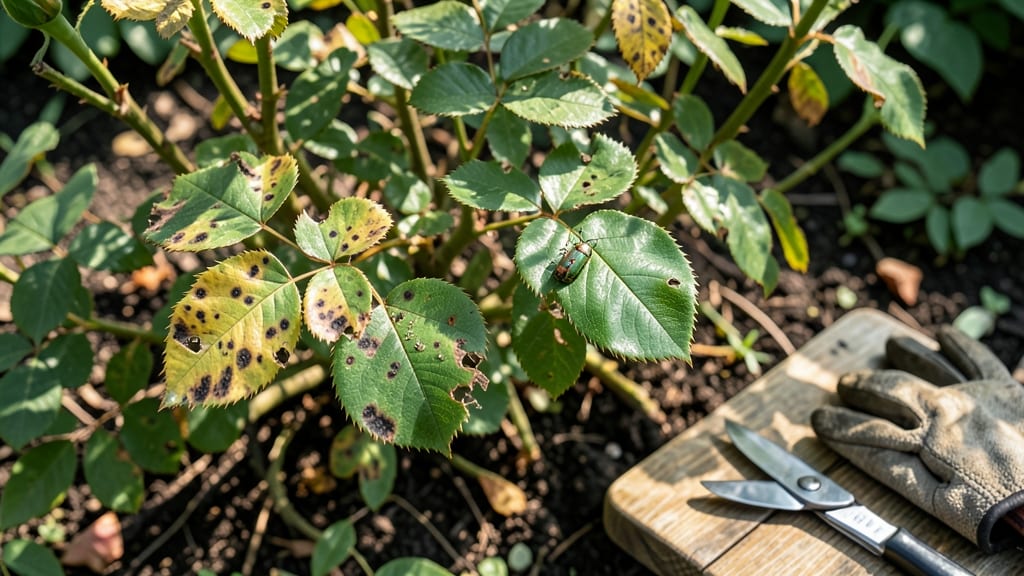
Your rose bush leaf damage is screaming for help—those ugly black spots or skeletonized foliage aren’t normal. 🌿 The good news? This isn’t a death sentence, just a wake-up call for your plant’s health.
I’ve nursed back roses with everything from black spot to spider mite damage, and these three steps will get yours looking lush again in no time.
First, identify the culprit: fungal spots (like black spot) show up as dark circles with yellow halos, while pests leave behind tiny webs or chewed edges. Environmental stress? Look for crispy edges or curled leaves.
Once you know the cause, you can tackle it—whether that’s pruning out infected growth, spraying neem oil, or adjusting your watering routine.
Within weeks, you’ll see fresh, vibrant foliage pushing out where there was damage. The key is acting fast—don’t wait until half the bush is affected. Think of this as a reset button for your roses, and soon you’ll have blooms that match the health of their leaves.
Works for all rose types—hybrid teas, floribundas, even those tough shrub roses. Let’s turn those sad leaves into a thing of the past.
Root Causes Of Leaf Harm
Rose bushes are stunning, but their leaves can fall victim to damage from a variety of sources. Understanding the why behind the harm is the first step to restoring your roses to their former glory.
Below, we break down the most common culprits—from pests to environmental stressors—and explain how they wreak havoc on your foliage.
Insects are one of the most common reasons rose bush leaves develop unsightly spots, holes, or yellowing. These tiny troublemakers feed on plant tissue, leaving behind visible damage and weakening the plant’s defenses.
- Japanese Beetles: These metallic green-and-gold invaders chew on leaf edges, creating a lace-like pattern. They also skeletonize leaves, leaving only the veins intact. 🐞🌿
- Aphids: Tiny, sap-sucking pests cluster on new growth, causing leaves to curl, yellow, or develop sticky honeydew residue. Ants often trail behind them, attracted to the honeydew. 🐜🍯
- Spider Mites: These microscopic arachnids thrive in dry conditions and create fine webbing on leaves. Their feeding causes stippling (tiny white or yellow dots) and eventual leaf drop. 🕷️🌡️
- Rose Slugs (Sawfly Larvae): These translucent, green caterpillar-like larvae devour leaves from the inside out, leaving behind window-pane damage. They’re especially active in spring and early summer. 🐛🍃
These pests don’t just ruin aesthetics—they stress the plant, making it more susceptible to diseases. Early detection (like spotting webbing or chewed edges) is key to preventing severe damage.
Damp conditions, poor airflow, and contaminated tools create the perfect storm for fungal and bacterial pathogens. These microscopic invaders thrive in rose foliage, causing unsightly spots, lesions, and even leaf death.
- Black Spot (Diplocarpon rosae): The most notorious rose disease, black spot, appears as purple or black circular spots with yellow halos. It thrives in warm, humid weather and spreads rapidly, causing defoliation. 🌧️🍄
- Powdery Mildew (Erysiphe spp.): This fungal disease coats leaves in a white, powdery film, reducing photosynthesis and stunting growth. It loves shady, humid environments. ☁️❄️
- Bacterial Leaf Spot (Pseudomonas syringae): Small, water-soaked spots with yellow borders appear on leaves. Unlike fungal spots, bacterial infections often ooze when wet. 💧🔬
- Rust (Phragmidium spp.): Bright orange or yellow puffy spots develop on the undersides of leaves, caused by rust fungi. Severe infections can distort leaves and reduce flowering. 🧡🍁
Fungal and bacterial diseases spread quickly, especially in crowded or poorly ventilated gardens. Pruning infected leaves promptly and improving airflow can help mitigate outbreaks.
Extreme weather, improper watering, or poor soil conditions can weaken rose bushes, making their leaves more vulnerable to damage. While not always caused by living organisms, environmental factors still play a major role in leaf deterioration.
- Overwatering or Poor Drainage: Waterlogged soil suffocates roots, leading to yellowing leaves (chlorosis) and wilting. Fungal diseases like root rot often follow. 💧🌱
- Underwatering or Drought Stress: Leaves may curl, brown, or crisp at the edges as the plant conserves moisture. Chronic drought weakens the plant’s immune system. 🌞🔥
- Temperature Extremes: Heat stress causes leaves to scorch (brown, papery edges), while cold damage results in blackened or mushy foliage. Frost-sensitive roses are especially at risk. ❄️☀️
- Nutrient Deficiencies: Yellowing between leaf veins (interveinal chlorosis) often signals a lack of magnesium or iron, while purple stems indicate phosphorus deficiency. 🌱📊
- Chemical Burn: Over-fertilizing (especially with high salt content) or using harsh herbicides near roses can cause brown, crispy leaf edges. Always follow label instructions! 🧪🚫
Environmental damage is often reversible with proper care—adjusting watering habits, mulching, or amending soil can restore your rose bush’s health.
Sometimes, the damage isn’t biological at all—it’s caused by physical trauma or mishandling. Roses are delicate, and even well-meaning gardeners can accidentally harm their leaves.
- Mechanical Injury: Rough pruning, lawnmower blades, or even hail can tear leaves, creating irregular holes or jagged edges. Always use sharp, clean tools! ✂️💥
- Improper Pruning: Cutting too close to buds or leaving stubs stresses the plant, leading to weak new growth and increased susceptibility to disease. 🌿✂️
- Pet or Wildlife Damage: Curious pets (like cats) or foraging animals (like deer) may nibble on leaves, causing uneven chewing patterns. 🐾🦌
- Wind or Hail: Strong winds can tear leaves, while hail creates dented or bruised spots. Protect young plants with row covers if storms are forecasted. 🌪️⛈️
Physical damage is usually temporary, but keeping an eye on your roses and providing protection can prevent long-term harm.
Revive Your Roses: Step-by-Step Fixes
Once you’ve identified the culprit behind your rose bush’s leaf damage, it’s time to take action! Below are targeted solutions for each common cause, along with prevention tips to keep your roses thriving. Follow these steps to restore your plants to their full, healthy glory—without the stress.
Fungal diseases like black spot, powdery mildew, or rust thrive in damp conditions, leaving behind unsightly spots and weakened foliage. Here’s how to combat them:
🔪 Step 1: Remove Damaged Leaves
- Snip off infected leaves using clean, sharp pruners (sterilize with rubbing alcohol between cuts).
- Dispose of debris in the trash—not the compost—to prevent reinfection.
- Focus on new growth: Prune lightly to improve airflow, reducing humidity around leaves.
💧 Step 2: Apply Fungicide
- Choose a copper-based or neem oil fungicide for organic control.
- Spray undersides of leaves (where fungi often hide) and stems in the early morning or evening to avoid burning leaves in direct sunlight.
- Reapply every 7–10 days or after rain to maintain protection.
🌡️ Step 3: Adjust Growing Conditions
- Water at the base (avoid overhead sprinkling) to keep foliage dry.
- Space plants 3–4 feet apart for better airflow.
- Mulch around the base (2–3 inches of organic mulch) to regulate soil moisture and temperature.
💡 Pro Tip: If fungal issues persist, consider resistant rose varieties like ‘Knock Out’ or ‘Dr. Huey’ for future plantings.
Aphids, spider mites, and Japanese beetles can wreak havoc on rose leaves, causing discoloration, holes, or sticky residue. Here’s how to evict them:
🚿 Step 1: Blast Off Pests
- Spray leaves with a strong stream of water to dislodge aphids and spider mites.
- For Japanese beetles, handpick them into soapy water (wear gloves—these pests bite!).
🍳 Step 2: Use Natural Repellents
- Neem oil spray: Mix 1 tsp neem oil + 1 tsp mild soap + 1 quart water.
Spray every 5–7 days. - Insecticidal soap: Effective against soft-bodied pests like aphids (test on a small leaf first). - Beneficial insects: Release ladybugs or lacewings to prey on pests naturally.
🌿 Step 3: Prevent Future Infestations
- Install yellow sticky traps near the bush to catch flying pests.
- Plant pest-repelling companions like marigolds, garlic, or chives nearby.
- Remove nearby weeds (they harbor pests and diseases).
✨ Bonus: Spritz leaves with water + a few drops of dish soap (1 tsp per gallon) for a quick, non-toxic pest deterrent.
Heat, cold, or nutrient deficiencies can cause leaf damage that looks like disease but isn’t. Here’s how to nurse your roses back to health:
🌡️ Step 1: Check Soil & Watering
- Test soil moisture: Stick your finger 1–2 inches deep—if dry, water deeply.
If soggy, hold off until the top 2 inches are dry. - Mulch heavily (3–4 inches) to insulate roots from extreme temperatures. - Water in the morning to reduce evaporation and fungal risk.
💪 Step 2: Feed for Recovery
- Apply a balanced fertilizer (10-10-10) in early spring and mid-summer.
- For iron deficiency (yellow leaves): Use chelated iron or apply Epsom salt (1 tbsp per gallon of water, spray on leaves).
- Avoid over-fertilizing—this stresses plants and attracts pests.
🌿 Step 3: Protect from Elements
- Shade cloth: Use 30–50% shade fabric in scorching summers to prevent leaf scorch.
- Windbreaks: Plant a hedge or use a lattice screen to shield roses from harsh winds.
- Winter prep: Mulch 6–8 inches deep in fall and wrap young roses in burlap for cold snaps.
🎯 Prevention Tip: Choose disease-resistant rose varieties (look for labels like “ADR” for American Rose Society recommendations) to minimize future stress.
Over-fertilizing, herbicide drift, or harsh pesticides can burn rose leaves. Here’s how to reverse the damage:
💦 Step 1: Flush the Soil
- Water thoroughly to leach out excess salts or chemicals.
- Add compost or peat moss to improve soil structure and dilute toxins.
🌱 Step 2: Prune Damaged Foliage
- Trim only the worst-affected leaves—healthy growth will return as the plant recovers.
- Avoid heavy pruning; focus on encouraging new, chemical-free growth.
🚫 Step 3: Adjust Care Routine
- Switch to organic fertilizers (fish emulsion, worm castings) for gentler nutrition.
- Avoid herbicides near roses—opt for vinegar-based weed killers (spray carefully to prevent drift).
- Monitor for rebound: If new growth looks healthy, the damage is likely reversible.
💡 Quick Fix: A foliar spray of seaweed extract (1 tsp per gallon) can help repair cell damage from chemical burns.
No matter the cause, these year-round habits will keep your rose bush resilient:
- Prune regularly (remove dead/diseased wood in late winter or early spring).
- Rotate fungicides/pesticides to prevent resistance.
- Inspect leaves weekly—catch issues early before they spread.
- Rotate plant locations every few years to prevent soil depletion.
- Keep tools clean (sterilize pruners between cuts to avoid spreading pathogens).
Your roses will bounce back faster than you think! With the right care, those once-tattered leaves will soon be lush, vibrant, and ready for blooming season. 🌹✨
Frequently asked questions
What do black spots on rose leaves look like, and how do I confirm it's black spot?
Black spot appears as dark purple or black circular spots with yellow halos around them. Check the undersides of leaves too—you’ll often see tiny black dots (fungal spores). If spots spread quickly in warm, humid weather and leaves yellow before dropping, it’s almost certainly black spot.
My rose leaves have tiny white dots—could this be spider mites?
Yes! Spider mites create stippling (tiny white or yellow dots) on leaves, along with fine webbing on leaf undersides. Hold a white sheet under the bush and shake it—if you see tiny red or brown specks (the mites), that confirms it. Dry conditions worsen outbreaks, so increase humidity with misting or mulch.
Can I still save my roses if half the leaves are damaged?
Prune out 70-80% of infected leaves immediately to stop spread, then focus on recovery. Apply neem oil (for pests) or copper fungicide (for diseases), and improve airflow by spacing plants. Healthy roots will regrow foliage—just avoid fertilizing until new growth appears.
Why are my rose leaves curling, but there are no visible pests or spots?
Curling often signals underwatering, heat stress, or spider mites (check undersides for webbing). For environmental causes, water deeply in the morning and mulch heavily. If mites are present, spray with insecticidal soap. Avoid overwatering—soggy soil can cause root rot, which also curls leaves.
How often should I spray my roses preventatively?
For prevention, spray every 2-3 weeks during growing season (spring-fall) with neem oil or a mild fungicide. Focus on undersides of leaves and stems. After rain or heavy dew, reapply to maintain protection. In winter, reduce to monthly unless you notice pests/diseases.