
Shrubs
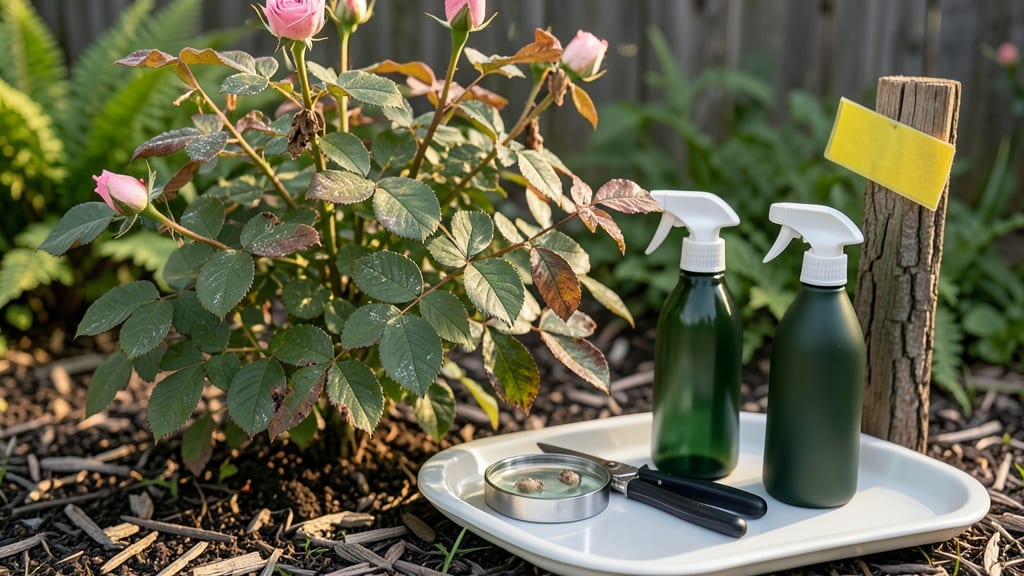
Seeing those telltale squiggly trails in your rose leaves is enough to make any gardener cringe. 🌿 The rose leaf miner (Phytomyza rosae) turns vibrant foliage into a skeleton act, but there's hope—this guide shows you how to reclaim your roses' glory using simple, effective methods that actually work.
These tiny flies lay eggs on the undersides of leaves, and their larvae create the distinctive serpentine mines that ruin your plants' appearance. The good news?
You can disrupt their life cycle with targeted pruning, organic sprays, and a few smart cultural tweaks—no harsh chemicals required unless you're dealing with a full-blown invasion.
By following these steps, you'll restore your roses to their full, lush potential. The key is acting early—once you spot those first mines, you can stop the spread and give your plants a fighting chance. Your roses will thank you with healthier leaves and more abundant blooms.
Whether you're battling a minor outbreak or a full-blown infestation, the techniques here adapt to your situation. Let's get those leaves looking spotless again—your roses deserve it!
Hidden Culprits Behind Leaf Damage
Those delicate, serrated edges of rose leaves aren’t just a pretty sight—they’re prime real estate for tiny, voracious pests that turn vibrant foliage into a skeletonized mess.
Understanding why these issues arise is the first step to reclaiming your roses’ lush, healthy appearance. Let’s break down the science behind the chaos.
The most notorious culprit behind rose leaf damage is the leaf miner larva, a pale, worm-like insect that burrows between leaf layers, creating winding tunnels as it feeds. These larvae hatch from eggs laid by adult moths (often Phyllocnistis citrella or Coleophora species) on the undersides of leaves.
- How it starts: Adult moths lay eggs in spring or early summer, timing their reproduction with new leaf growth. Warm temperatures (70–85°F) accelerate their lifecycle, leading to rapid infestations.
- Why roses are vulnerable: Roses have soft, tender leaves—ideal for larvae to tunnel through. The damage isn’t just cosmetic; it weakens the plant by reducing photosynthesis.
- Actionable insight: Check the undersides of leaves for tiny white eggs or serpentine mines. Early detection (before larvae pupate) is key to stopping the cycle.
Leaf miners thrive in warm, humid conditions, which create the perfect storm for their survival. Here’s how climate plays a role:
| Factor | Why It Helps Pests | How to Disrupt It |
|---|---|---|
| High temperatures (above 75°F) | Speeds up larval development, allowing multiple generations per season. | Use shade cloth in peak summer to lower leaf surface temps by 10–15°F. |
| Stagnant moisture (e.g., overhead watering) | Keeps leaves damp, making them easier for larvae to penetrate and eggs to hatch. | Water at the base in the morning to allow foliage to dry quickly. |
| Dense foliage | Traps heat and humidity, creating microclimates ideal for moths to lay eggs. | Prune for airflow—remove crowded branches and thin out suckers. |
A stressed rose is an open invitation for leaf miners. When plants are nutrient-deficient, drought-stressed, or overcrowded, their defenses drop, making them easier targets. Here’s the breakdown:
- Nutrient deficiencies: Low nitrogen or magnesium weakens leaf structure, making tunnels easier for larvae to create. Test soil pH (ideal: 6.0–6.5 for roses) and amend with compost or balanced fertilizer.
- Water stress: Alternating drought and overwatering disrupts root health, reducing the plant’s ability to fight off pests. Mulch heavily (3–4 inches) to retain moisture and regulate soil temp.
- Overpruning or damage: Sudden leaf loss (from storms, pests, or overzealous trimming) triggers new growth—leaf miners’ favorite snack. Prune strategically in late winter/early spring to avoid stimulating vulnerable foliage.
Sometimes, the problem isn’t nature—it’s us. Unintentional habits can inadvertently spread or worsen infestations:
- Ignoring early signs: Many gardeners mistake leaf miner damage for disease or nutrient issues. Zoom in with a magnifying glass—look for the telltale serpentine mines or frass (larval poop).
- Reusing contaminated tools: Pruners or shears used on infested plants can transfer eggs or larvae to healthy ones. Sanitize tools with rubbing alcohol between uses.
- Neglecting cleanup: Fallen leaves with pupae or overwintering larvae become a reservoir for next year’s infestation. Rake and dispose of debris in sealed bags (don’t compost!).
- Planting susceptible varieties nearby: Some roses (like Rosa ‘Knock Out’ or ‘Dr. Huey’) are more attractive to leaf miners. Choose resistant cultivars like ‘The Fairy’ or ‘Mutabilis’ if miners are recurrent.
Beat Back Tiny Leaf Thieves
Discovering those telltale serpentine trails on your rose leaves can feel like a gardening nightmare—but don’t panic! With the right approach, you can outsmart these pesky leaf miners and restore your roses to their former glory.
Below, we’ve mapped out targeted solutions based on the root causes (from last section) so you can act fast and prevent future infestations. Think of it as your garden’s battle plan—no fancy tools or chemicals required!
Catching the problem early is your best defense. If you spot pale, blistered leaves or tiny white larvae wriggling inside, act immediately.
- 👀 Inspect leaves regularly: Flip leaves over every 3–5 days during peak season (spring to early summer). Focus on new growth, as miners love tender foliage.
- 🗑️ Remove damaged leaves: Drop infested leaves into a sealed bag (not the compost!) to prevent larvae from pupating in the soil.
- 🌱 Prune strategically: Trim heavily affected branches below the damage to encourage fresh, healthy growth. Sterilize pruners with rubbing alcohol between cuts.
Skip the harsh chemicals and try these eco-friendly fixes that disrupt the miners’ lifecycle without harming your roses.
🔪 Handpick Larvae (Yes, Really!)
For small infestations, manual removal can work—it’s tedious but satisfying!
- 🕵️♂️ Choose a calm morning: Larvae are sluggish when temperatures are cool.
- 🧤 Wear gloves: Some gardeners use a damp paper towel to gently scrape larvae off leaves.
- 💀 Drown them: Drop larvae into soapy water (1 tsp dish soap per gallon) to kill them instantly.
🌡️ Heat Treatment: Solar Powered Pest Control
Harness the sun’s power to bake larvae out of leaves—nature’s oven, anyone?
- 🔥 Place infested leaves in a sealed plastic bag: Leave them in direct sunlight for 24–48 hours. The heat will dehydrate the larvae.
- 🌞 Bonus: This method also kills eggs, breaking the cycle early.
🎯 Neem Oil Spray: The Larvae’s Nemesis
Neem oil smothers larvae and disrupts their feeding. It’s a garden staple for good reason!
- 🛡️ Mix 1 tbsp neem oil + 1 tsp mild soap per quart of water. Stir well.
- 🌿 Spray undersides of leaves: Focus on new growth where miners hide. Reapply every 5–7 days or after rain.
- 💡 Pro tip: Spray in the evening to avoid harming beneficial insects like ladybugs.
An ounce of prevention is worth a pound of cure—especially when dealing with persistent pests. Build a leaf-miner-proof rose garden with these habits:
🌱 Choose Resistant Varieties
Some roses are naturally less appealing to leaf miners. Opt for:
- ‘Knock Out’ roses (disease-resistant and tough)
- ‘Dr. Huey’ (hybrid tea with strong foliage)
- ‘The Fairy’ (compact and hardy)
🌿 Mulch & Soil Health
Healthy roses fight off pests better. Improve your soil with:
- 🍄 Compost or well-rotted manure: Adds nutrients and encourages strong growth.
- 🌱 Mulch with straw or wood chips: Keeps soil moist and deters adult flies from laying eggs.
🕊️ Encourage Natural Predators
Let beneficial insects do the dirty work for you:
- 🐞 Ladybugs and lacewings: Release them near your roses or plant dill, fennel, or yarrow to attract them.
- 🐛 Parasitic wasps: These tiny warriors lay eggs inside leaf miner larvae, killing them from within. Plant marigolds or alyssum to lure them.
🌧️ Timing Is Everything
Leaf miners thrive in warm, dry conditions. Stay ahead with:
- 💦 Water deeply in the morning: Keeps soil moist and discourages egg-laying.
- 🍂 Clean up fallen leaves: Rake and dispose of debris in fall and winter to eliminate overwintering larvae.
With these strategies, your roses will bounce back faster and stay leaf-miner-free season after season. The key? Stay vigilant, act fast, and let nature help you fight back. Happy gardening! 🌹✨
Frequently asked questions about rose leaf miners
What do rose leaf miner damage look like up close?
Look for serpentine brown trails between leaf layers—these are the larvae feeding paths. You’ll also see tiny white eggs on leaf undersides or black frass (larval poop) along the mines. Early signs include pale, blistered leaves that eventually turn brown and crispy.
Can I save heavily infested rose bushes?
Yes! Start by pruning out all damaged leaves and branches (sterilize shears with rubbing alcohol). For severe cases, apply neem oil every 7 days and mulch heavily to support recovery. Healthy soil and proper watering help roses bounce back faster.
Will rose leaf miners kill my rose bush?
While they won’t kill mature roses, heavy infestations can weaken plants by reducing photosynthesis. Young roses or stressed plants are most vulnerable. Act quickly by removing affected leaves and using natural predators like parasitic wasps to control the population.
How often should I check for leaf miners?
Inspect your roses every 3-5 days during spring/summer when miners are most active. Focus on new growth and leaf undersides—early detection gives you the best chance to stop the cycle before it spreads.
Are there any chemical-free ways to prevent leaf miners?
Plant marigolds or alyssum near roses to attract beneficial insects. Use kaolin clay as a physical barrier, and maintain good airflow by pruning properly. Healthy plants resist pests better than stressed ones.