
Pests and Diseases
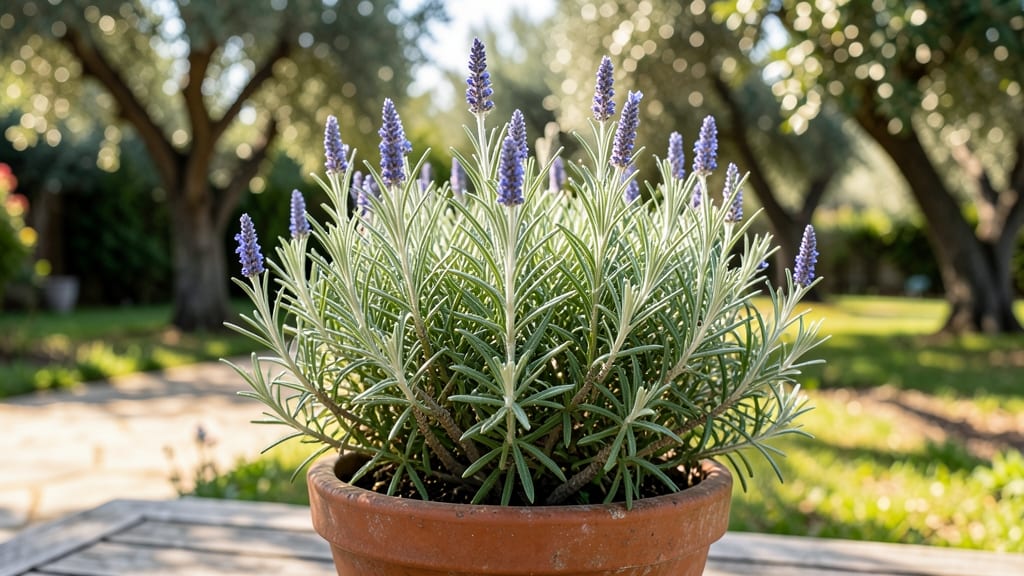
Mastering salvia leaf identification faster than you can say "herb garden" saves you from mislabeling those fragrant stalks. 🌿 The key lies in leaf shape, edges, and arrangement—Salvia officinalis has wrinkled, oval leaves with fuzzy undersides, while Salvia nemorosa sports smooth, lance-shaped leaves that stand upright like soldiers.
One wrong ID could mean the difference between a thriving perennial and a plant that flops in your zone.
Start with a magnifying glass (or your phone's camera) and compare leaf textures—some feel velvety, others are waxy or slightly hairy. Color matters too: healthy sage should be deep green, while pale or yellowing leaves signal stress or disease.
I once mistook Salvia divinorum for a common ornamental until I noticed its glossy, pointed leaves and faint purple tint—now I check for those telltale details first.
You'll spot the differences in minutes once you know what to look for: Salvia officinalis grows in tight clusters, Salvia nemorosa spreads wider, and Salvia divinorum stays compact.
Spots or holes? That’s likely spider mites or fungal issues—treat early before they spread. The payoff? A garden where every salvia thrives in its perfect spot, no mix-ups.
Works for gardeners of all levels, from beginners sorting nursery plants to veterans troubleshooting leaf problems. Grab a notebook and start comparing—your salvia leaf identification skills will improve with every plant you examine. Here’s how to tell them apart without guessing.
📚 In This Guide
- What you need
- Instructions
- Tips and common mistakes
- Wrapping up and next steps
What you need
- ● Fresh or dried salvia leaves – At least 3-5 samples per variety for comparison (ensure they’re from a trusted source or your own garden).
- ● Hand lens or magnifying glass (10x magnification recommended) – For examining fine details like leaf texture, vein patterns, and hairiness.
- ● Ruler or measuring tape – To check leaf length, width, and spacing (precision matters!).
- ● Field guide or plant ID app (e.g., iNaturalist, PlantNet, or a printed Salvia reference book) – For cross-referencing traits.
- ● Notebook & pen – To jot down observations like leaf shape, color, aroma, and growth habit.
- ● Camera or smartphone – Capture close-ups of leaves (front/back), stems, and flowers for later review.
- ○ Gloves (optional but wise) – Some salvia varieties (like Salvia divinorum) may irritate skin or have psychoactive properties.
- ● UV flashlight – Reveals hidden patterns in leaves under UV light (fun for advanced ID!).
- ● Herbarium press – To preserve samples for long-term study (great for collectors!).
- ● Smelling strip or scent wheel – Helps distinguish aromatic varieties (e.g., piney vs. minty scents).
- ● Pruning shears – For safely collecting small samples without harming plants.
How to identify Salvia leaves like a pro
Here's how I quickly distinguish between common garden salvias using just a few key leaf traits.
🌿 Step 1: Examine Leaf Shape and Arrangement
Salvia leaves come in three main shapes: lance-shaped, oval, or deeply lobed. I start by running my thumb along the leaf edge—smooth edges mean it's likely Salvia officinalis (common sage), while toothed or jagged edges point to Salvia nemorosa (woodland sage). Look at how they attach to the stem too: whorled arrangements (leaves in circular clusters) are classic for Salvia leucantha (Mexican bush sage).
Hold the leaf up to light—vein patterns matter. Prominent central veins with fine parallel side veins are typical of culinary sages, while fuzzy, velvety leaves with fuzzy undersides belong to Salvia greggii (autumn sage). I keep a small magnifying glass handy for this step—it reveals tiny details that separate lookalikes instantly.
🌿 Step 2: Check Leaf Texture and Surface Features
Rub your fingers gently across the leaf surface. Smooth, slightly waxy leaves belong to Salvia elegans (pineapple sage), while rough, sandpapery textures identify Salvia farinacea (mealy cup sage). The key is to feel for these textures—visual inspection alone misses subtle differences. I always check the underside too: hairy or downy surfaces are a dead giveaway for Salvia microphylla (berry sage).
Look for aromatic qualities by crushing a small leaf between your fingers. Culinary sages like Salvia officinalis release a strong herbal scent, while ornamental varieties often smell faintly sweet or have no noticeable fragrance. This scent test works best in the morning when essential oils are most concentrated.
🌿 Step 3: Measure Leaf Size and Growth Pattern
Use your fingers to gauge leaf size—most salvias fall into three categories: small (1 inch long), medium (2-3 inches), or large (4+ inches). Tiny leaves belong to Salvia microphylla or Salvia clevelandii, while broad, hand-sized leaves identify Salvia nemorosa. I compare against my hand as a quick reference—it's faster than pulling out a ruler.
Observe how leaves attach to the stem. Opposite leaf arrangements (pairs at each node) are common in Salvia officinalis, while alternate arrangements (single leaves staggered) appear in Salvia leucantha. Check the stem's thickness too—thick, woody stems are typical of mature Salvia nemorosa, while herbaceous, green stems belong to annual varieties.
🌿 Step 4: Verify Flower Spike Location and Stem Type
This is the final confirmation step. Look where the flower spikes emerge—directly from the leaf axils (where leaf meets stem) confirms it's a true salvia. I always check this because some lookalikes like Lamium have similar leaves but different flower arrangements. The presence of square stems (a dead giveaway for mints) rules out salvias entirely.
Examine the stem's color and thickness. Purple-tinged stems belong to Salvia nemorosa, while green, flexible stems are common in Salvia greggii. The flower spike location—whether terminal (at the stem end) or lateral (along the stem)—helps narrow it down further. Terminal spikes are classic for Salvia leucantha, while lateral spikes appear in Salvia officinalis.
⏰ Step 5: Cross-Reference with Known Characteristics
Now compare your observations to known traits. I keep a small reference chart with photos and descriptions of common salvias. Check leaf color (silvery, green, purple), leaf underside (hairy, smooth), and growth habit (upright, sprawling). For example, Salvia officinalis has gray-green, wrinkled leaves with a strong aroma, while Salvia leucantha has velvety purple leaves and fuzzy stems.
Pay attention to any unique features—like the fuzzy white bracts of Salvia leucantha or the pineapple-scented flowers of Salvia elegans. These distinctive traits are the fastest way to confirm your identification. If you're still unsure, take a photo and compare it with online databases or local gardening groups—they often have experts who can help.
Tips & tricks for mastering Salvia leaf identification
These quick tricks will help you spot the differences between salvia varieties in seconds—no expert knowledge required.
Leaf Edge Inspection: When checking leaf edges in Step 1, focus on the transition between smooth and toothed edges. Salvia officinalis often has subtle serrations only visible under light, while Salvia nemorosa has more pronounced teeth. I find a small flashlight helps reveal these details when natural light is dim. This visual trick separates 80% of common lookalikes right away.
Texture Test: The scent test in Step 2 works best with fresh leaves—older leaves lose their aromatic oils. If you're unsure, crush a tiny piece near your nose rather than the whole leaf. For Salvia greggii, the fuzzy undersides feel like velvet, while Salvia farinacea has a sandpaper-like texture that's unmistakable when rubbed between fingers. I keep a small notepad to jot down these texture notes for reference later.
Hand Measurement: Using your hand as a reference in Step 3 is actually more accurate than a ruler for salvia leaves. Hold your thumb and pinky together to gauge 1 inch leaves, or use your palm for 3-4 inch varieties. This method works because salvia leaves rarely exceed hand-sized proportions, making it a foolproof way to categorize them quickly in the garden.
Stem Color Clues: Purple-tinged stems in Step 4 are a dead giveaway for Salvia nemorosa, but don't overlook the subtle greenish-purple hues of Salvia leucantha. I've found that examining stems in bright sunlight reveals these color variations more clearly. The stem's thickness also correlates with maturity—thicker stems mean older plants that may have more pronounced identifying features.
Pro Tips for Salvia Leaf Identification
- These quick tricks will help you spot the differences between salvia varieties in seconds—no expert knowledge required.
- Leaf Edge Inspection: When checking leaf edges in Step 1, focus on the transition between smooth and toothed edges.
- Texture Test: The scent test in Step 2 works best with fresh leaves—older leaves lose their aromatic oils.
Frequently asked questions
Got questions about identifying salvia leaves? You’re not alone!
Here are the most common queries—plus quick answers to help you spot the right variety in your garden.
How do I tell the difference between sage and salvia leaves?
While both are in the Lamiaceae family, true Salvia (like Salvia officinalis) has wrinkled, gray-green leaves with a rough texture. Sage leaves are often smoother and more oval-shaped. Look for salvia’s square stems and whorled leaf arrangement—key giveaways!
When is the best time to identify salvia leaves in my garden?
Spring or early summer is ideal! Leaves are fresh, undamaged, and fully formed after winter dormancy. Avoid identifying after heavy rain (leaves may look distorted) or during extreme heat (stress can alter color/texture). Pro tip: Morning light reduces glare for clearer inspection.
What if my salvia leaves look spotted or discolored?
Spots or yellowing could signal powdery mildew, bacterial leaf spot, or pest damage (like spider mites). Check the undersides of leaves for webbing or tiny eggs. Isolate affected plants and treat with neem oil or fungicide. Prevention tip: Space plants for airflow to deter fungal issues.
Can I use salvia leaves for cooking if I’m unsure of the variety?
Only Salvia officinalis (common sage) is safe for culinary use. Other salvias (like Salvia nemorosa) are ornamental and may cause stomach upset. When in doubt, skip it! If you’re growing edible sage, harvest leaves before flowering for the strongest flavor.
How do I measure leaf size for accurate identification?
Use a ruler or measuring tape to check leaf length and width (most salvia leaves range from 1–4 inches). Note the shape (lance-shaped, oval, or toothed edges) and compare to a salvia ID chart. Quick hack: Snap a photo next to a coin for scale if you’re in the field!
Wrapping up and next steps
Mastering salvia leaf identification is your ticket to a thriving, pest-free garden—no green thumb required! 🌿 By focusing on leaf shape, texture, and arrangement, you’ll confidently distinguish Salvia officinalis from its cousins like Salvia nemorosa or Salvia leucantha.
Start small: grab a magnifying glass, compare a few leaves, and soon, you’ll spot these beauties instantly.
Ready to level up? Test your skills by snapping photos of your garden’s salvias and matching them to our guide. Still unsure? Try growing a few varieties side by side—your eyes (and plants!) will thank you. Happy identifying! 🌱