
Pruning
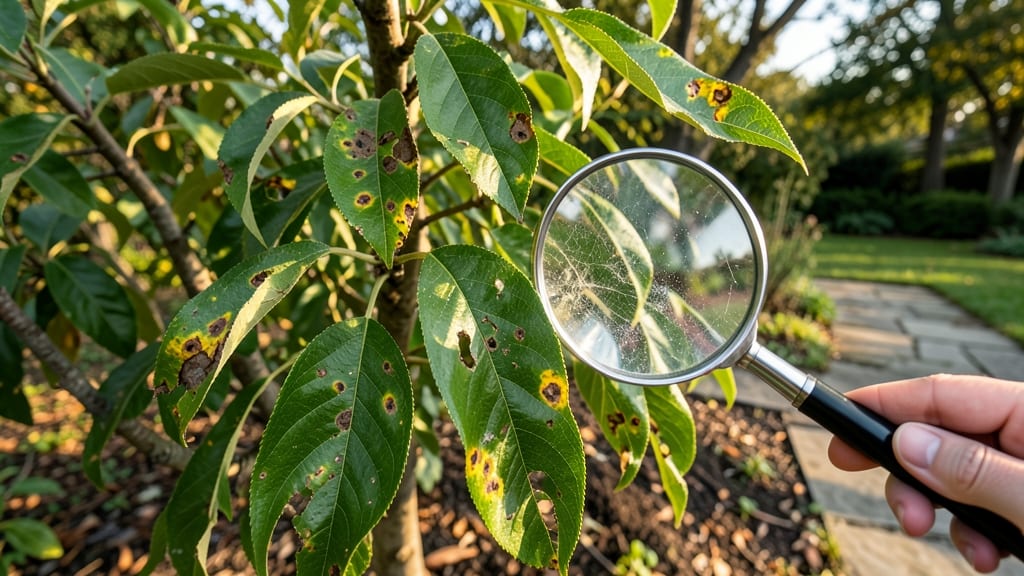
Peach tree leaf problems can turn your spring blossoms into a sad, spotted mess—unless you act fast. 🌿 I’ve seen peach trees go from lush and green to covered in fungal spots in just weeks, and the key to saving them is catching the issue early and knowing exactly what to do.
Most leaf problems start with water, whether it’s too much rain, overhead sprinklers, or poor airflow. Fungal diseases like peach leaf curl or brown spot thrive in damp conditions, while pests like aphids or spider mites suck the life out of leaves, leaving behind a sticky mess or yellowing.
The good news? Once you spot the symptoms—puckered leaves, dark spots, or webbing—you can turn things around. You’ll learn how to identify the exact problem, then use simple organic treatments (like neem oil or copper spray) to stop the damage in its tracks.
By the end, your tree will be on the road to recovery, with healthier leaves and stronger growth by summer. This isn’t just about fixing the problem—it’s about preventing it next year.
We’ll cover pruning tips, watering habits, and even how to choose disease-resistant varieties so you can enjoy peaches for years without the stress.
Root Causes Behind Leaf Trouble
Peach trees are resilient, but their leaves can become a battleground for nature’s challenges—from microscopic invaders to environmental stress. Understanding why these issues arise is the first step to saving your tree’s health.
Below, we break down the key culprits behind peach tree leaf problems, backed by science and actionable insights.
Fungi are the #1 enemy of peach tree leaves, thriving in warm, humid conditions. These pathogens disrupt the tree’s ability to photosynthesize, leading to spots, blights, or even leaf drop.
- Leaf Spot Diseases (e.g., Cercospora or Cladosporium): - Why it happens: Fungal spores land on leaves, germinate in wet conditions, and penetrate leaf tissue through natural openings (like stomata).
Overhead irrigation or dense foliage traps moisture, creating the perfect breeding ground. - Key triggers: - High humidity (70%+ for prolonged periods). - Poor air circulation (crowded trees or thick canopies). - Old or damaged leaves (easier entry points for spores). - Actionable insight: Remove infected leaves immediately (🔥 do not compost them—dispose in a sealed bag) and space trees for airflow.
- Brown Rot (Monilinia fructicola): - Why it happens: This aggressive fungus overwinters in mummified fruit or infected twigs.
When spring arrives, spores infect blossoms and leaves, causing dark, circular lesions. - Key triggers: - Wet spring weather (spores spread via rain splash). - Cross-contamination from infected fruit on the ground. - Actionable insight: Prune out mummified fruit in winter and thin canopies to reduce humidity.
Bacteria like Xanthomonas or Pseudomonas cause oozing lesions, wilting, and rapid leaf death. Unlike fungi, bacteria spread quickly through water and tools.
- Why it happens:
- Water splashing: Overhead watering or rain dislodges bacteria from infected leaves or soil, inoculating healthy ones.
- Tool contamination: Pruners or loppers can transfer bacteria between trees.
- Warm, wet conditions: Bacteria thrive in temps between 77–86°F (25–30°C).
- Actionable insight:
- Sterilize tools with 70% rubbing alcohol between cuts. 🔪
- Avoid wetting foliage when irrigating (use drip systems).
Not all leaf problems stem from pathogens—sometimes, it’s the weather or poor care.
- Heat or Drought Stress: - Why it happens: Peach trees need consistent moisture.
When roots dry out, leaves curl, yellow, or scorch at the edges (a condition called necrosis). - Key signs: Crispy leaf edges, wilting despite wet soil (root damage). - Actionable fix: Mulch heavily (3–4 inches of wood chips) and water deeply 1–2x/week (not just surface watering).
- Cold or Frost Damage:
- Why it happens: Peach trees are semi-tropical—sudden cold snaps (<28°F/-2°C) cause freeze damage, turning leaves black or brown.
- Actionable fix: Plant in microclimates (south-facing slopes) and use frost cloths for young trees.
- Nutrient Deficiencies:
- Why it happens: Poor soil or imbalanced fertilizers lead to:
- Yellowing between veins → Iron or magnesium deficiency (chlorosis).
- Purple stems/leaves → Phosphorus deficiency.
- Actionable fix: Test soil pH (ideal: 6.0–6.5) and amend with chelated iron or Epsom salt (for magnesium).
- Why it happens: Poor soil or imbalanced fertilizers lead to:
Insects like aphids, mites, or scale can weaken leaves, making them susceptible to secondary infections.
- Why it happens:
- Sap-sucking pests (e.g., aphids) inject toxins, causing stippling (tiny white/yellow dots) or curl.
- Spider mites thrive in dry heat, creating fine webbing and speckled leaves.
- Actionable fix:
- Blast off pests with a strong water spray (💦 disrupts their life cycle).
- Introduce beneficial insects (ladybugs for aphids).
Pro Tip: 🌡️ Monitor leaf temperature—if leaves feel unusually hot to the touch, it may signal overhead watering or fungal activity. Adjust care immediately!
Quick Fixes for Healthy Peach Leaves
Reviving your peach tree’s lush green canopy starts with identifying the right remedy for its leaf woes. Below, we break down practical, step-by-step solutions for the most common peach tree leaf problems—plus prevention tips to keep your tree thriving long-term. No green thumb required!
Fix: Fungal infections like brown rot or leaf spot thrive in damp conditions, but you can stop them in their tracks.
- 🔥 Prune Infected Leaves Immediately
- Use sterilized pruners (wipe with rubbing alcohol between cuts) to remove all spotted leaves—don’t leave them on the ground.
- Dispose of them in the trash (not compost) to prevent reinfection.
- 🍳 Apply Fungicide (Organic or Chemical)
- Copper fungicide (organic, safe for bees if used at dusk) or neem oil spray (1 tbsp neem oil + 1 tsp dish soap per quart of water) work wonders.
- Spray every 7–10 days until new leaves emerge without spots.
- 🌡️ Improve Airflow & Reduce Moisture
- Thin out dense branches to let sunlight and air circulate.
- Water early in the morning (avoid overhead sprinkling) and ensure the tree has well-draining soil.
💡 Prevention Tip: Mulch with straw or pine needles (not wood chips) to keep the base dry. Fungal spores love damp mulch!
Fix: Pests like aphids, mites, or caterpillars turn leaves into Swiss cheese—but these fixes send them packing.
- 👨🍳 Blast Off Pests with Water
- A strong hose spray (50+ PSI) dislodges aphids and mites. Do this early morning for best results.
- 🥘 Introduce Beneficial Insects
- Release ladybugs (aphid eaters) or praying mantises (caterpillar hunters) near the tree. Buy them online or from garden centers.
- 🔪 Use Insecticidal Soap (Gentle but Effective)
- Mix 1.5 tbsp mild castile soap + 1 quart water in a spray bottle. Test on a few leaves first—some peach varieties are sensitive.
✨ Prevention Tip: Reflective mulch (aluminum foil or silver plastic) confuses whiteflies and thrips. Wrap it around the tree’s base for a pest-free zone!
Fix: Yellow leaves often mean your tree is hungry—here’s how to feed it right.
- 📊 Soil Test First (Know What’s Missing) - Grab a DIY soil test kit ($10–$20) or send a sample to your local Cooperative Extension Service.
Common deficiencies in peach trees: - Iron (chlorosis): Yellow leaves with green veins → chelated iron spray. - Nitrogen: Overall pale green → balanced fertilizer (10-10-10) in early spring.
- 💪 Fertilize Correctly (Timing Matters!)
- Spring (March–April): Apply slow-release granular fertilizer (follow package rates).
- Avoid fall fertilization—it encourages late growth vulnerable to frost damage.
- 🥗 Boost Microbes with Compost
- Mix 2–3 inches of compost into the topsoil around the tree’s drip line (the area under the canopy). This improves nutrient uptake naturally.
🎯 Prevention Tip: Avoid overwatering—peach trees hate soggy roots. Water deeply 1–2 times per week (more in extreme heat) and let the soil dry slightly between waterings.
Fix: Heat, wind, or drought can shock your peach tree—but these adjustments help it bounce back.
- 🌡️ Shade Cloth for Extreme Heat
- If temps hit 95°F+, drape 30–50% shade cloth over the tree for a few hours daily. Secure it loosely to allow airflow.
- 💧 Deep Watering (Not Just a Sprinkle)
- Water slowly at the base (not the leaves) for 30–60 minutes once a week. Use a soaker hose for efficiency.
- 🌿 Windbreaks for Young Trees
- Plant fast-growing shrubs (like privet or arborvitae) on the windward side to block harsh gusts.
🔥 Prevention Tip: Mulch heavily (3–4 inches of straw or wood chips) to retain moisture and regulate soil temperature.
Final Reminder: Consistency is key! Check your peach tree weekly for new issues, and act fast—most leaf problems are easier to fix early. With these fixes, your tree will be back to producing juicy, disease-free peaches in no time! 🍑✨
Frequently asked questions about peach tree leaf problems
Why do my peach tree leaves turn yellow with green veins?
This classic symptom usually means iron deficiency (chlorosis), common in alkaline soils. Peach trees struggle to absorb iron when soil pH exceeds 6.5. Test your soil and amend with chelated iron or Epsom salt (1 tablespoon per gallon of water, sprayed on leaves). Apply in spring when new growth starts.
How do I tell if my peach tree has fungal leaf spots or bacterial infection?
Fungal spots (like brown rot) appear as dark, circular marks with fuzzy edges, often with yellow halos. Bacterial spots look water-soaked and greasy, sometimes oozing. Fungal infections thrive in wet conditions, while bacteria spread through water splashes. For bacterial issues, use copper fungicide—it works on both but targets bacteria more effectively.
Can I save my peach tree if half the leaves are covered in webbing?
Yes, but act fast! That webbing signals spider mites, which thrive in dry, hot weather. Blast off pests with a strong water spray first, then treat with neem oil (1 tablespoon per quart of water + 1 teaspoon dish soap). Repeat every 5–7 days until you see new, clean leaves. Increase humidity around the tree with mulch or a nearby water feature.
Is it too late to treat peach leaf curl if I see puckered leaves in spring?
Not necessarily! While prevention (dormant oil spray in late winter) is best, you can still help. Prune out severely affected leaves immediately, then apply copper fungicide or baking soda spray (1 tablespoon baking soda + 1 teaspoon oil + 1 quart water). Focus on new growth—these leaves won’t recover, but healthy ones can bounce back with proper care.
Why do my peach tree leaves curl up at the edges even when I water regularly?
Edge curling often signals drought stress or mineral toxicity (like too much salt from fertilizer). Check soil moisture—if the top 2 inches are dry, water deeply (not just surface watering). If you’ve recently fertilized, flush the soil with extra water. For young trees, mulch with 3–4 inches of organic matter to retain moisture and regulate temperature.