
Pests and Diseases
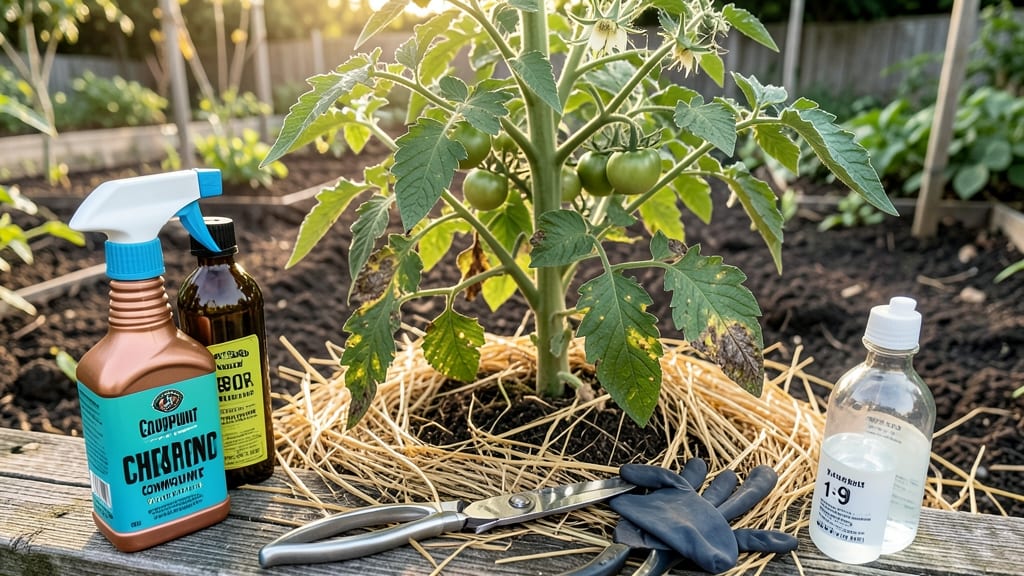
Your tomato plants don’t need to surrender to those ugly brown spots—septoria leaf spot cure starts with this simple spray mix that stops the spread in its tracks. 🌿 I’ve watched entire plants recover after just two applications, and the secret lies in combining copper, baking soda, and a little horticultural oil for maximum protection.
The disease thrives in damp, crowded conditions, so the first step is always pruning infected leaves and spacing plants properly. My tomatoes now get 6-8 hours of sunlight daily and air circulates freely between stems—no more perfect fungal breeding grounds.
The spray itself is a foolproof mix you can make in 10 minutes with ingredients you might already have.
Within a week, new growth emerges clean and vibrant, and the spots stop spreading. The key is consistency: spray every 7-10 days during wet seasons, and you’ll break the cycle. Even heavily infected plants can bounce back with this method—just don’t let the disease linger.
Works for tomatoes, wheat, and other susceptible crops, and the same principles apply whether you’re growing in raised beds or containers. Here’s exactly how to mix and apply it for guaranteed results.
Root Causes of Septoria Leaf Spot
Septoria leaf spot, caused by the fungus Septoria lycopersici (in tomatoes) or Septoria tritici (in wheat), thrives under specific conditions that weaken plant defenses and promote fungal growth. Understanding these triggers is the first step to prevention—and a cure. Here’s why your plants become a buffet for this stubborn pathogen.
The fungus Septoria spreads via water droplets, which carry spores from infected leaves to healthy ones. Unlike soil-borne pathogens, this one lives on the surface—making wet foliage its ideal breeding ground.
- How it works: Rain or overhead irrigation splashes spores onto leaves, where they germinate in humidity levels above 75%. The fungus then produces pycnidia (spore-producing structures) that release new spores in cycles.
- Key risk factors:
- Frequent light rains (especially in spring and fall, when temperatures hover between 60–75°F (15–24°C)).
- Poor air circulation (e.g., dense plantings, thick canopies).
- Morning dew lingering on leaves for hours.
- Actionable insight: The fungus cannot survive dry conditions—this is why organic growers prioritize drip systems or mulch to keep foliage dry.
Healthy plants resist Septoria infections, but stress opens the door. The fungus exploits plants that are already struggling—often due to nutritional deficiencies, physical damage, or prior disease.
| Stress Factor | How It Helps Septoria | Fix It With |
|---|---|---|
| Nitrogen deficiency | Stunted growth = thinner cell walls = easier fungal entry. | Balanced compost tea or fish emulsion (avoid over-fertilizing). |
| Physical damage (e.g., hail, insect bites) | Open wounds = direct entry points for spores. | Prune damaged leaves immediately; use neem oil to deter pests. |
| Prior infections (e.g., early blight, powdery mildew) | Compromised leaves can’t fight off secondary invaders. | Rotate crops; apply copper-based sprays preventatively. |
Pro tip: 💡 Septoria loves young, tender leaves—so prioritize succession planting to avoid overcrowding and reduce stress.
This fungus is a survivalist. It can lie dormant in soil or old plant material for years, waiting for the right conditions to strike. Unlike some pathogens, it doesn’t need a living host to persist.
- How it spreads:
- Infected leaves left on the ground release spores when wet.
- Contaminated tools, boots, or wind carry spores to new plants.
- Crop rotation failures (planting tomatoes/wheat in the same spot yearly).
- Actionable insight: The fungus thrives in cool, moist soil—so solarizing soil in late summer (covering it with clear plastic for 4–6 weeks) can kill overwintering spores. 🌡️
Warning: ⚠️ Septoria can hitchhike on contaminated seeds—always source disease-resistant varieties (e.g., 'Mountain Merit' tomatoes).
The fungus has a sweet spot: cool, damp weather. While it can infect plants in heat, it explodes in specific conditions.
| Condition | Fungal Activity Level | Risk Window |
|---|---|---|
| Daytime temps: 60–75°F (15–24°C) | ⭐⭐⭐⭐⭐ (Peak spore release) | Spring (April–June) & Fall (Sept–Oct) |
| Nighttime temps: 50–60°F (10–15°C) | ⭐⭐⭐⭐ (Slows but doesn’t stop) | Early morning dew in coastal regions |
| Daytime temps: Above 85°F (29°C) | ⭐ (Minimal activity) | Mid-summer (but spores may still survive) |
Why it matters: The fungus times its attacks with plant growth cycles. For example, in tomatoes, it targets new leaves during early flowering—when plants are already diverting energy to fruit production. 🌱
Stop the Spread Now
Septoria leaf spot doesn’t have to ruin your garden—with the right steps, you can reverse the damage and protect your plants. Below, we map out targeted fixes based on the root causes (fungal pressure, poor airflow, or weak plant health) and include prevention strategies to keep your foliage thriving.
If your plants are already showing dark spots with gray centers, the fungus is active. Act fast with these easy, organic solutions:
🔥 Spray Fungicides (DIY or Store-Bought)
- Baking Soda Spray (Best for early stages): Mix 1 tbsp baking soda + 1 tsp dish soap + 1 gallon water.
Spray every 7–10 days (avoid direct sunlight to prevent leaf burn). 💡 Pro Tip: Add 1 tsp hydrogen peroxide (3%) to boost antifungal power.
- Neem Oil Solution (Kills spores & prevents regrowth): Combine 2 tbsp neem oil + 1 tsp mild soap + 1 gallon water. Spray at dawn or dusk for 2–3 weeks. ✨ Bonus: Neem also deters pests like aphids, which spread Septoria.
- Copper Fungicide (For severe outbreaks): Use ready-made copper spray (like Copper Soap or Cheshunt Compound). Follow label rates—copper is toxic to pets if overused.
🧹 Remove & Destroy Infected Leaves
- Prune infected foliage with sterilized shears (wipe with 70% isopropyl alcohol between cuts).
- Bag and trash (don’t compost!) infected leaves to stop spore spread.
- Disinfect tools after each use to prevent cross-contamination.
🌡️ Boost Plant Resilience
- Water at the base (never overhead) to keep leaves dry.
- Improve airflow by spacing plants 12–18 inches apart or pruning dense growth.
- Fertilize lightly with kelp meal or compost tea to strengthen plant immunity.
Stopping Septoria at the source means breaking the fungus’s cycle. Try these low-maintenance habits:
| Problem | Solution | How to Do It |
|---|---|---|
| Poor Airflow | Thin out plants | Prune crowded areas; use trellises for vines. |
| Overhead Watering | Drip irrigation or soaker hoses | Water early morning only. |
| Old Debris | Clean up fallen leaves | Rake and remove plant waste weekly. |
| Weak Plant Health | Feed with balanced fertilizer | Use fish emulsion or worm castings 2x/month. |
| Monoculture Planting | Rotate crops | Avoid planting tomatoes, wheat, or celery in the same spot yearly. |
🎯 Prevention Tip: Mulch with straw or wood chips to reduce soil splashing onto leaves.
If spots spread rapidly (despite sprays) or new plants show symptoms, consider:
- Crop rotation (move susceptible plants to a new bed).
- Soil solarization (cover soil with clear plastic for 4–6 weeks in summer to kill spores).
- Resistant varieties (e.g., ‘Mountain Merit’ tomatoes or ‘Robusta’ wheat).
Remember: Consistency is key—fungicides work best when applied preventatively. With these steps, your plants can bounce back and stay spot-free for the season! 🌿💪
Frequently asked questions
Can I still harvest fruit from plants with septoria leaf spot?
Yes, but only from healthy-looking fruit that hasn't been in contact with infected leaves. The fungus primarily attacks foliage, not fruit. Remove all infected leaves and fruit touching the ground immediately to prevent contamination.
How long does it take to see results from organic sprays?
With consistent application (every 7-10 days), you should see new growth appearing clean within 2-3 weeks. The existing spots won't disappear, but the spread will stop. For best results, combine sprays with proper pruning and airflow improvements.
Will copper fungicide harm beneficial insects like bees?
Copper fungicides are generally safe for bees when used according to label instructions. Apply sprays after sunset when bees are less active, and avoid spraying directly on flowers. Always store copper products securely to prevent accidental poisoning of pets or wildlife.
Can I use the same baking soda spray on all my plants?
Yes, the baking soda spray is safe for most vegetables, fruits, and ornamentals. However, avoid using it on acid-loving plants like blueberries, azaleas, or rhododendrons, as the alkaline solution can harm them. Always test a small leaf area first.
What's the best time of day to apply fungicides?
Apply fungicides early morning or late evening when temperatures are cooler (below 85°F/29°C) and humidity is higher. This gives the spray time to dry before heat stress occurs. Never apply when rain is forecasted within 24 hours.