
Trees
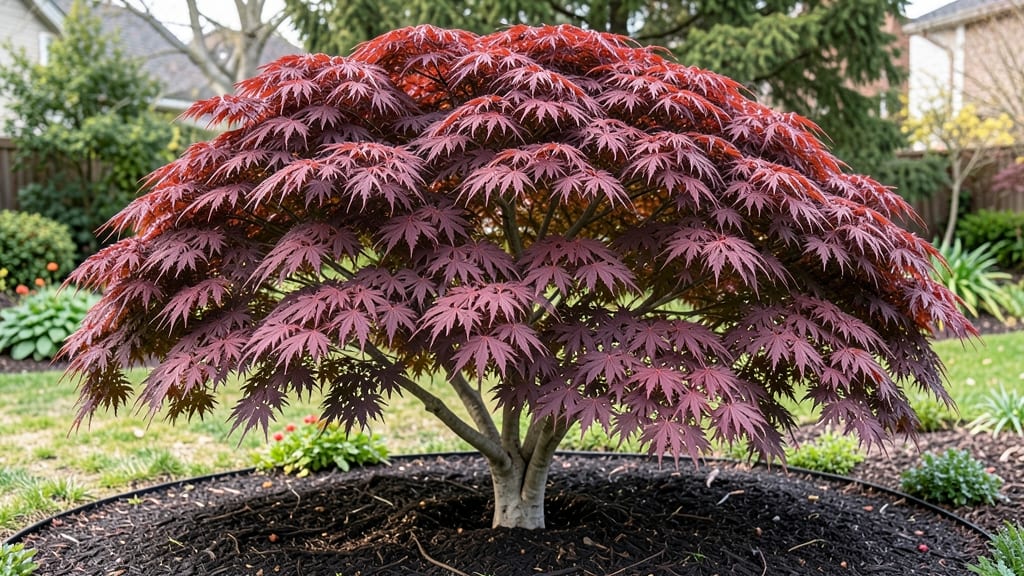
Those jagged-edged leaves aren't just pretty—they're nature's way of saying "look at me."
Serrate leaf trees like oaks, maples, and ginkgos bring year-round texture with their lacy, purple-tinged foliage that catches the light like stained glass. 🌿 I've grown several varieties, and the one with the most drama is the purple-leafed Japanese maple, whose leaves turn fiery in fall but stay interesting even in winter.
The secret to their success is simple: well-draining soil, 6+ hours of sunlight (though some tolerate shade), and pruning in late winter to maintain their elegant shape. Most serrate-leafed trees handle drought once established, but their leaves will tell you when they're thirsty—drooping slightly before wilting completely.
What you'll love most is how they transform your landscape. In spring, new growth emerges with soft pink or purple hues, maturing to deep greens with serrated edges that catch the breeze.
By fall, colors shift to burnt orange, crimson, or gold, and even the bare branches have character in winter. These trees work in urban gardens, woodland edges, or as striking specimen plants in lawns. The key is choosing the right species for your climate—some handle heat better than others.
Let's pick the perfect one for your space!
📚 In This Guide
- What you need
- Instructions
- Tips and common mistakes
- Wrapping up and next steps
What you need
- ● Serrate leaf tree seedlings or saplings: 1–3 plants (depending on desired spacing; Prunus serrulata 'Kanzan' or Cercis canadensis varieties work beautifully)
- ● Choose container-grown (for flexibility) or bare-root (budget-friendly) options.
- ● High-quality potting soil or native soil mix: 5–10 gallons (amend with compost for nutrient-rich growth).
- ● Organic mulch (wood chips or shredded bark): 2–3 cubic feet (helps retain moisture and suppress weeds).
- ● Slow-release fertilizer: 10–20 lb bag (look for a balanced 10-10-10 or organic option like fish emulsion).
- ● Garden trowel or spade: For digging holes (1.5x wider than the root ball).
- ● Pruning shears: Sharp, bypass-style (to avoid crushing stems).
- ● Watering can or hose with adjustable nozzle: Gentle spray setting for post-planting care.
- ● Garden gloves: Heavy-duty (to protect from thorns or rough bark).
- ● Measuring tape: For spacing plants 10–15 feet apart (adjust for dwarf varieties).
- ● Tree stakes & ties: For young trees in windy areas (3–4 stakes per tree).
- ● Epsom salt (magnesium sulfate): 1 lb (boosts purple foliage intensity; mix 1 tbsp per gallon of water).
- ● Drip irrigation system: Automatic watering saves time (especially for drought-prone varieties).
- ● Reflective mulch or landscape fabric: Suppresses weeds and retains heat-loving species.
How to select and care for stunning serrate leaf trees
Lacy purple foliage isn't just seasonal—it's a year-round showstopper with the right serrate leaf varieties.
🌿 Step 1: Choose the Right Varieties for Your Climate
Start with serrate leaf trees that thrive in your hardiness zone. Japanese maples (Acer palmatum) like 'Bloodgood' or 'Emperor I' deliver deep purple hues, while smoke trees (Cotinus) offer feathery foliage that shifts from purple to gold. For coastal areas, consider Cercis canadensis 'Forest Pansy' with its heart-shaped leaves.
I always check the mature height—some serrate varieties like Celtis sinensis grow over 30 feet, while dwarf selections like Cornus kousa 'Milky Way' stay under 10 feet. Match your space to the tree's eventual size to avoid crowding. Most serrate leaf trees prefer full sun to partial shade, but purple foliage intensifies in morning sun with afternoon shade—especially in hot climates.
☀️ Step 2: Plant in Well-Draining Soil with Proper Spacing
Dig a hole twice as wide as the root ball but no deeper—planting too deep smothers roots. Amend heavy clay with 2-3 inches of compost mixed into the bottom of the hole to improve drainage, since serrate leaf trees hate soggy roots. The top of the root ball should sit 1 inch above soil level to prevent waterlogging.
Space trees according to their mature width—15-20 feet apart for large varieties like Ginkgo biloba 'Autumn Gold', and 8-10 feet for medium-sized selections. I always mark planting spots with stakes to visualize spacing before digging. Mulch heavily (3-4 inches) with wood chips or shredded bark, keeping mulch 6 inches away from the trunk to prevent rot.
💧 Step 3: Water Deeply and Monitor Soil Moisture
Water newly planted serrate leaf trees deeply once a week for the first two months, then taper to every 10-14 days once established. The key is consistent moisture—let the top 2 inches of soil dry out between waterings. Purple foliage fades when roots dry out, so I check soil moisture by hand: if it feels dry 1 inch down, it's time to water.
Use a soaker hose for deep, slow watering that encourages root growth. Avoid overhead sprinklers—they can cause fungal issues on delicate serrate leaves. In containers, water daily for the first week, then every 2-3 days until roots establish. Most serrate leaf trees are drought-tolerant once established, but young trees need steady moisture.
✂️ Step 4: Prune for Shape and Health in Late Winter
Prune serrate leaf trees after dormancy but before buds swell (typically February-March). Remove dead, crossing, or weak branches first, then shape the tree by thinning out 10-20% of the canopy to improve airflow. I always prune just outside the branch collar—the swollen area where the branch meets the trunk—to prevent damage.
Never prune more than 25% of the canopy in one season, or you risk stressing the tree. For purple-foliaged varieties, pruning too late in spring can reduce color intensity. Use sterilized pruners to prevent disease spread, and dispose of clippings immediately. Young trees benefit from light structural pruning to encourage a strong framework.
🌱 Step 5: Fertilize Lightly for Vibrant Foliage
Apply a balanced, slow-release fertilizer (10-10-10 or 20-20-20) in early spring when new growth begins. I use ½ cup per inch of trunk diameter—so a 3-inch trunk gets 1.5 cups. Water the area thoroughly before and after applying to prevent root burn. Over-fertilizing causes leaf burn and reduces the intensity of purple hues.
For established trees, a layer of compost in early spring provides enough nutrients without risk. Avoid high-nitrogen fertilizers—they promote leafy growth at the expense of vibrant purple tones. If your tree's foliage loses color, it might need iron or magnesium—apply a chelated iron supplement in early summer for a quick boost.
Tips & tricks for perfect serrate leaf tree care
Between us, these purple foliage showstoppers need the right attention to keep their drama alive year-round. Here's what I've learned from years of growing them.
Variety Selection Wisdom: Japanese maples like 'Bloodgood' thrive best in zones 5-8, while smoke trees (Cotinus) handle zones 3-9. For coastal gardens, 'Forest Pansy' redbuds tolerate salt spray beautifully. I always check the USDA zone map before buying—mismatched zones lead to stressed trees that lose their vibrant color. The key is matching your climate to the tree's natural range, not just its pretty leaves.
Planting Depth Secret: That 1-inch above soil level rule is non-negotiable. I've seen too many trees planted too deep where roots suffocate. Use a level to check—if the root flare isn't visible, you've gone too far. For heavy clay soils, mix in 2-3 inches of compost right into the planting hole. This improves drainage while keeping roots happy, which directly impacts how intense those purple hues stay.
Watering Hack: The 1-inch soil moisture check works wonders. I use a screwdriver to test—if it comes out clean at 1 inch down, water's needed. For containers, I weigh them: if they feel light, it's time to water. Overhead sprinklers? Big no-no—they spread fungal spores that can ruin delicate serrate leaves. A soaker hose keeps water at root level where it belongs.
Pruning Timing: That February-March window is perfect because it's after dormancy but before buds swell. I mark my calendar because pruning too late reduces next year's purple intensity. Always cut just outside the branch collar—this prevents damage that could invite disease. For young trees, I do light structural pruning to encourage a strong framework that supports all those beautiful leaves.
Pro Tips for Serrate Leaf Trees
- Between us, these purple foliage showstoppers need the right attention to keep their drama alive year-round.
- Variety Selection Wisdom: Japanese maples like 'Bloodgood' thrive best in zones 5-8, while smoke trees (Cotinus) handle zones 3-9.
- Planting Depth Secret: That 1-inch above soil level rule is non-negotiable.
Frequently asked questions
What’s the best time to plant a serrate leaf tree?
Spring or early fall is ideal! Planting in spring lets roots establish before summer heat, while fall gives them time to settle before winter dormancy. Avoid extreme temperatures—both frost and scorching sun can stress young trees. Water deeply after planting to reduce transplant shock.
Do serrate leaf trees need full sun?
Most do, but not always! While varieties like Celtis sinensis (hackberry) thrive in full sun, some serrate-leaved species (like Fatsia japonica) tolerate partial shade. Check your tree’s specific needs—overly shady spots may dull their signature purple or lacy foliage. A few hours of morning sun can be a happy medium for shade-tolerant types.
Why are my serrate leaves turning brown or yellow?
Brown or yellow edges often signal stress—common culprits include overwatering, underwatering, or nutrient deficiencies. Check soil moisture (stick your finger 2 inches deep—dry? Water! Soggy? Hold off.). Yellow leaves may also mean too much iron or nitrogen. Prune damaged foliage and adjust care to revive your tree’s vibrancy.
Can I grow serrate leaf trees in containers?
but size matters! Dwarf varieties (like Celtis ‘Crimson Spire’) adapt well to pots, but larger species (e.g., Fatsia japonica) need spacious containers with drainage holes. Use well-draining soil and repot every 2–3 years. Containers dry out faster—water regularly and fertilize lightly during growing seasons.
Are serrate leaf trees deer-resistant?
Not always! While some (like Celtis species) are less appealing, others (e.g., Fatsia japonica) may attract deer. Protect young trees with fencing or repellents. Mature trees with tougher leaves often fare better—deer tend to avoid prickly or bitter foliage. Monitor local wildlife and adjust protections as needed!
Wrapping up and next steps
Serrate leaf trees bring year-round beauty with their lacy, vibrant foliage—whether you're drawn to their striking purple hues or their unique textures. These trees are perfect for adding drama to gardens, urban landscapes, or even containers, offering low-maintenance elegance and adaptability.
Whether you’re a seasoned gardener or just starting out, their resilience and visual appeal make them a standout choice for any outdoor space.
Ready to transform your space? Start small—plant a single serrate leaf tree as a focal point, or mix varieties for a stunning seasonal display. Explore local nurseries or online retailers to find the perfect match for your climate and style!