
Planting
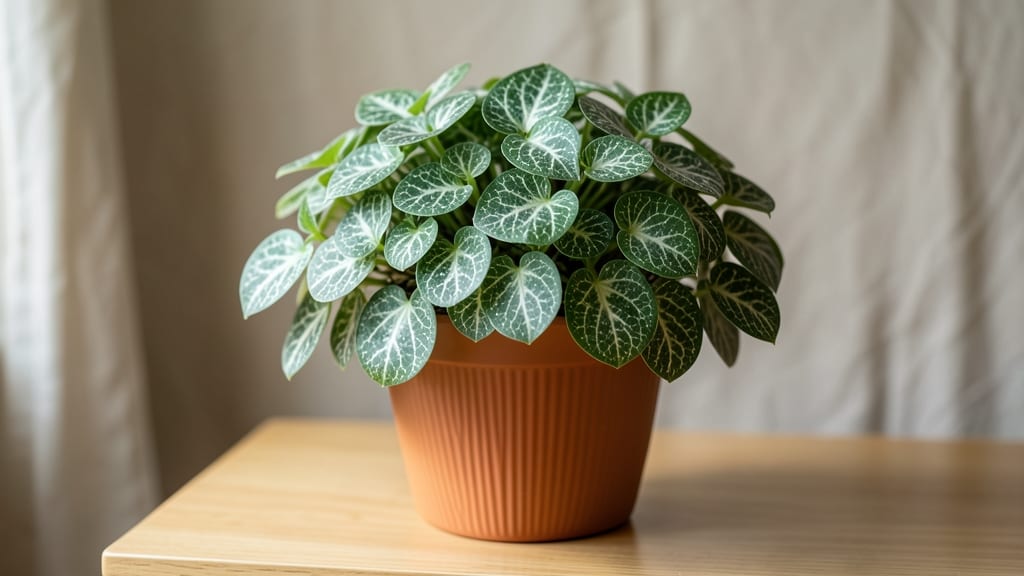
That small green-and-white leaf plant you can't stop admiring? It’s not just pretty—it’s a disease-resistant workhorse that thrives indoors year-round. 🌿 I’ve grown three varieties myself, and the variegated pothos (Epipremnum aureum) stands out for its near-indestructible nature.
Those creamy-white splashes aren’t just for looks; they signal a plant that’s happy in low light and forgiving of occasional neglect.
The secret to keeping it lush lies in three simple rules: water when the top inch of soil feels dry, place it in bright, indirect light (even fluorescent bulbs work), and avoid overpotting—snake plants (Sansevieria) in this category prefer being slightly root-bound.
Yellowing leaves? Usually a sign of overwatering or poor drainage. A quick fix is repotting with fresh, well-draining soil mix and a pot with drainage holes.
By mid-summer, you’ll notice new growth with those signature bold white stripes, a sign your plant is thriving. Prune leggy stems to encourage bushier growth, and watch as it becomes the star of your space—whether it’s a hanging basket, shelf, or corner of your living room.
The best part? These plants purify the air while looking effortlessly chic.
Outdoors, they handle partial shade beautifully, making them perfect for patios or shaded garden beds. Just keep an eye out for spider mites—wipe leaves with a damp cloth weekly to deter pests. Once you’ve mastered one, you’ll want to collect them all.
Root Causes Of Leaf Stress
Understanding why your small green-and-white variegated plant develops stress—whether through discoloration, wilting, or stunted growth—often boils down to a few key environmental and care-related factors. Let’s break down the science behind the most common culprits so you can address them with precision.
Variegated plants, like many foliage varieties, are prone to root rot when their soil stays soggy for too long. The white variegation (often caused by a lack of chlorophyll in those cells) makes them slightly less efficient at photosynthesis, so they’re more sensitive to waterlogged conditions.
Why it happens:
- Compacted or non-porous soil traps excess moisture, suffocating roots.
- Overzealous watering (especially without checking soil moisture) leads to oxygen deprivation in roots.
- Lack of drainage holes in pots forces water to pool at the bottom.
Actionable fix:
- Use a well-draining potting mix (add perlite, orchid bark, or coco coir).
- Water only when the top 1–2 inches of soil are dry—stick your finger in to test!
- Repot into containers with drainage holes if using cachepots.
Variegated plants thrive in bright, indirect light, but too much direct sun or sudden shade shifts can trigger stress. The white portions of the leaves (which lack chlorophyll) are particularly vulnerable to sunburn, while low light weakens the plant’s ability to sustain its variegation.
Why it happens:
- South- or west-facing windows expose leaves to harsh midday sun, causing crispy white edges.
- Moving the plant frequently confuses its light adaptation, leading to uneven growth.
- Artificial lighting (like LEDs without the right spectrum) fails to support photosynthesis in variegated cells.
Actionable fix:
- Place your plant 3–6 feet from an east- or north-facing window for gentle light.
- If using grow lights, opt for full-spectrum bulbs (6,500K for leafy greens).
- Rotate the pot weekly to ensure even light distribution.
Variegated plants often originate from tropical or subtropical climates, where stable humidity and moderate temps are key. Sudden drafts, cold windowsills, or dry air can cause leaf curling, browning, or a dulling of variegation.
Why it happens:
- Cold drafts (from AC vents or open windows) shock the plant’s cellular processes.
- Low humidity (<40%) leads to transpiration stress, where leaves lose moisture faster than roots can replace it.
- Heating vents dry out leaf edges, causing crispy white or brown tips.
Actionable fix:
- Keep temps between 60–75°F (avoid placing near heating/cooling sources).
- Use a humidifier or place the pot on a pebble tray with water for extra moisture.
- Mist leaves lightly in the morning (but avoid soggy soil).
Variegated plants need balanced nutrients to maintain their striking patterns. Too much or too little of key elements (like nitrogen, magnesium, or iron) can cause yellowing, streaking, or loss of variegation.
Why it happens:
- Over-fertilizing with nitrogen-heavy feeds burns roots and causes leaf scorch.
- Chlorosis (yellowing between veins) signals iron or magnesium deficiency, common in alkaline soils.
- Underwatering + low humidity mimics nutrient stress, even if soil tests are fine.
Actionable fix:
- Fertilize lightly (every 4–6 weeks in spring/summer) with a balanced liquid fertilizer (10-10-10 or 20-20-20).
- For chlorosis, amend soil with chelated iron or Epsom salt (1 tsp per gallon of water, monthly).
- Flush soil every 3 months to prevent salt buildup from fertilizers.
While variegated plants are disease-resistant, they’re not immune to pests like spider mites, aphids, or fungal infections (e.g., powdery mildew). These intruders sap nutrients, leading to weak variegation, stunted growth, or leaf drop.
Why it happens:
- Dry air attracts spider mites, which pierce leaves and cause stippling (tiny white/yellow dots).
- Overwatering creates a damp environment ideal for fungal spores (like powdery mildew).
- Stressed plants (from poor light/nutrients) are easier targets for pests.
Actionable fix:
- Inspect leaves weekly—look for webbing, sticky residue (aphids), or white powdery coatings.
- Blast pests off with a strong spray of water or use neem oil (1 tsp per quart of water).
- Isolate infected plants to prevent spread.
Some variegated plants naturally revert to green under stress (a survival mechanism to boost chlorophyll production). Others may show seasonal changes in pattern intensity due to light cycles.
Why it happens:
- Low light triggers the plant to prioritize green leaves for energy.
- Temperature drops (like winter) can cause variegation to fade temporarily.
- Propagating from cuttings may produce less variegated offspring if the parent plant was stressed.
Actionable fix:
- Boost light in winter with a grow bulb to maintain variegation.
- If reverting is severe, take a cutting from a highly variegated section to propagate.
- Accept that some seasonal changes are normal—focus on keeping conditions stable!
Revive Your Leafy Friend
Got a small green-and-white leaf plant acting up? Don’t panic—most issues have simple fixes! Below, we’ll tackle common problems with practical, step-by-step solutions and prevention tips to keep your plant thriving year-round.
Cause: Overwatering or poor drainage. Fix: 🔥 Step 1: Let the top 1–2 inches of soil dry out before watering again. Stick your finger in the soil—if it’s damp, wait. 🍳 Step 2: Ensure the pot has drainage holes (if not, repot into one). 👨🍳 Step 3: Water only at the base, avoiding soggy leaves. Use room-temperature water. ⏰ Step 4: Adjust your schedule—most small leafy plants prefer once a week (less in winter).
Prevention Tip: Use a well-draining potting mix with perlite or sand to improve aeration. 💡 Pro move: Place a saucer under the pot to catch excess water—never let it sit in standing water!
Cause: Low humidity or too much direct sunlight. Fix: 🔥 Step 1: Move your plant away from harsh afternoon sun (east or north windows are ideal). 🌡️ Step 2: Increase humidity by:
- Placing the pot on a pebble tray with water.
- Grouping plants together (they create their own microclimate!).
- Using a small humidifier nearby.
🎯 Step 3: Mist leaves lightly in the morning (avoid evening misting to prevent fungal issues).
Prevention Tip: Wipe leaves gently with a damp cloth to remove dust—this helps them absorb light better! ✨ Bonus: Rotate the pot weekly for even growth.
Cause: Powdery mildew, spider mites, or mealybugs. Fix: 🔪 Step 1: Isolate the plant to prevent spreading. 🌿 Step 2: For mildew, spray with a 1:1 water-vinegar mix (test on a small area first). 🐛 Step 3: For pests, wipe leaves with soapy water (1 tsp mild dish soap per quart of water). Repeat every 3–4 days. 🛡️ Step 4: Improve airflow by trimming crowded leaves or spacing plants apart.
Prevention Tip: Inspect new plants before bringing them home! Quarantine them for a week. 💡 Early action = happier plants.
Cause: Underwatering, root rot, or insufficient light. Fix: 💧 Step 1: Check the soil—if bone-dry, water deeply and place the pot in a shallow tray of water for 10–15 minutes. 🌞 Step 2: If roots are mushy or black (root rot), repot into fresh, dry soil and trim affected roots with clean scissors. 🔦 Step 3: Move to a brighter spot (but avoid direct sun if leaves are sensitive).
Prevention Tip: Use moisture meters for peace of mind! 📊 Overwatering kills faster than underwatering—trust the soil, not the schedule.
Cause: Poor soil or lack of fertilizer. Fix: 🌱 Step 1: Repot into fresh, nutrient-rich soil every 1–2 years. 💪 Step 2: Feed with a balanced liquid fertilizer (10-10-10) once a month in spring/summer.
Dilute to half-strength for sensitive plants. 🍎 Step 3: Add compost or worm castings for a slow-release boost.
Prevention Tip: Rotate fertilizers—alternate between liquid and slow-release granules to avoid buildup. 🌡️ Less is more: Over-fertilizing burns roots!
Final Thought: Most plant problems are fixable with small tweaks—observe, adjust, and your small green-and-white leafy friend will bounce back! 🎉 Happy growing!
Frequently asked questions
What are the most common small green-and-white leaf plants for beginners?
Top picks include the variegated pothos (heartleaf or marble queen varieties), snake plant (like 'Moonshine'), and spider plant ('Variegata'). These thrive indoors with minimal care and handle low light better than most. The pothos is especially forgiving—it can survive weeks without water!
Why do the white parts of my plant's leaves turn brown or yellow?
This usually signals sunburn or nutrient stress. The white variegation lacks chlorophyll, making it more sensitive to harsh light or poor soil conditions. Move your plant to bright, indirect light and check for root rot by gently tugging on the plant—if it resists, the roots are healthy. For brown tips, try misting leaves or using a pebble tray to boost humidity.
Can I propagate my green-and-white leaf plant easily?
Most variegated plants like pothos or snake plant propagate via stem cuttings. Snip a healthy section with at least 2-3 leaves and a node (where roots grow), then place it in water or moist soil. Roots typically appear in 2-4 weeks. Pro tip: Use a clear container for water propagation to track root growth—it’s oddly satisfying!
How often should I fertilize my small leaf plant?
Feed with a balanced liquid fertilizer (like 10-10-10) every 4-6 weeks during spring/summer, then reduce to monthly in fall/winter. Over-fertilizing causes leaf burn, while too little leads to pale variegation. Always dilute fertilizer to half-strength for sensitive plants. Flush soil every 3 months to prevent salt buildup.
What's the best way to clean dusty leaves without damaging variegation?
Use a damp microfiber cloth or sponge with lukewarm water—never harsh cleaners! Wipe gently in the direction of leaf veins to avoid tearing delicate variegated edges. For stubborn dust, spray leaves with water and let air-dry. Bonus: Cleaning leaves improves light absorption, helping maintain those stunning white patterns!