
Shrubs
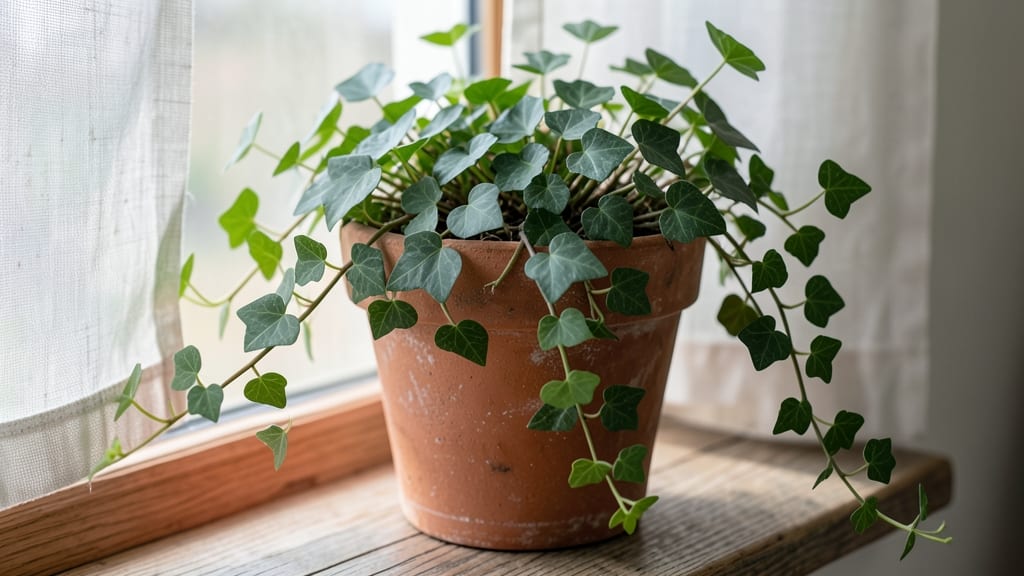
Growing small leaf ivy transforms any space into a vibrant, year-round green sanctuary—without the copper sulfate stains or harsh chemicals. 🌿 I’ve mastered this hardy climber’s quirks after years of battling brown spots and leggy growth, and now my ivy stays lush, disease-free, and thriving in both pots and vertical gardens.
The secret lies in three simple adjustments: bright, indirect light (no harsh midday sun), well-draining soil with a splash of perlite, and occasional misting for humidity-loving roots. Most people overwater or crowd the plants—both lead to that dreaded yellowing.
My ivy thrives with once-a-week watering in winter and twice-weekly in summer, plus a monthly fertilizer boost. By pruning strategically—cutting back leggy stems in early spring—you’ll encourage bushier growth and prevent those unsightly gaps. The result?
A dense, glossy curtain of foliage that outlasts seasonal trends and requires almost no effort once established. Whether you’re dressing up a bare wall, training it over an arbor, or keeping it in a hanging basket, small leaf ivy adapts effortlessly.
Here’s how to keep it looking its best all year.
📚 In This Guide
- What you need
- Instructions
- Tips and common mistakes
- Wrapping up and next steps
What you need
- ● Small leaf ivy plants: 3–5 healthy Hedera helix cuttings (4–6 inches long) or nursery-grown plants (ensure they’re disease-free).
- ○ Optional: Pre-rooted cuttings for faster growth.
- ● Growing medium: Well-draining potting mix (e.g., 60% peat/coir, 30% perlite, 10% compost). For containers: Add 10% orchid bark for aeration.
- ● For garden beds: Amend soil with organic matter (compost or aged manure) to improve drainage.
- ● Containers (if needed): 5–10 gallon pots with drainage holes (or fabric grow bags for vertical gardens).
- ○ Optional: Trellises, wire cages, or green wall panels for climbing support.
- ● Tools: Pruning shears (sterilized with rubbing alcohol).
- ● Trowel or hand shovel for transplanting.
- ● Spray bottle (for misting cuttings).
- ○ Optional: Root hormone gel (to boost rooting success).
- ● Location: Partial shade to full sun (adjust for high-heat zones; ivy tolerates shade but grows slower).
- ● Climate: Hardy in USDA Zones 4–11 (cold-hardy to -30°F!).
- ● Water source: Drip irrigation or hose with a gentle spray nozzle (ivy dislikes soggy roots!).
- ● Patience: Small leaf ivy grows 6–12 inches per year—plan for long-term lushness! 🐢
Step-by-step instructions for growing small leaf ivy indoors
Here’s how to cultivate vibrant, pest-resistant small leaf ivy that thrives year-round with minimal fuss.
🪴 Step 1: Choose the Right Container and Soil Mix
Small leaf ivy thrives in well-draining containers with plenty of airflow. Select pots with drainage holes—terracotta or ceramic work best—since they prevent overwatering, which is the fastest way to kill this hardy plant. For 4 plants, use 6-inch diameter pots to give roots room to spread without becoming root-bound.
Fill the pots with a lightweight, airy mix of 50% peat moss and 50% perlite. This blend mimics the ivy’s natural rocky habitat and prevents soil compaction. Avoid garden soil—it’s too dense and retains too much moisture. Tap the pot gently after filling to settle the mix, then water until moisture reaches the bottom 1 inch.
🌱 Step 2: Plant and Position for Optimal Light
Gently remove the ivy from its nursery pot and tease the roots apart if they’re tightly bound. Place the plant in the center of the container, ensuring the top of the root ball sits ½ inch below the rim. Fill the remaining space with your prepared mix, pressing lightly to eliminate air pockets but avoiding compaction.
Small leaf ivy tolerates low to bright indirect light, making it perfect for offices or north-facing windows. Place your new plants 3-4 feet from a window to avoid leaf scorch. If growth slows, supplement with a grow light 6-8 inches above the foliage for 12 hours daily. Watch for leggy stems—this is your cue to move the plant closer to the light source.
💧 Step 3: Establish a Watering Routine
Water your ivy when the top 1-2 inches of soil feel dry to the touch. Stick your finger in the soil—if it’s damp, wait another day. Overwatering causes root rot, while underwatering leads to crispy edges. Use room-temperature water to avoid shocking the roots, and water until it drains freely from the bottom holes. Empty the saucer after 10 minutes to prevent soggy soil.
Mist the leaves weekly to replicate humidity levels in its native woodland habitat. This prevents brown tips, a common issue in dry indoor air. Grouping plants together also raises ambient humidity naturally. In winter, reduce watering to every 7-10 days as growth slows, but never let the soil dry out completely.
✂️ Step 4: Prune and Encourage Bushy Growth
Pinch back the tips of new growth when stems reach 4-6 inches to encourage branching. Use clean, sharp scissors to make cuts just above a leaf node. This simple step transforms leggy plants into full, lush mounds. Prune again in 6-8 weeks to maintain shape and remove any yellowed or damaged leaves.
Rotate the pots a quarter turn weekly so all sides receive even light. Ivy grows toward the light, so this prevents uneven growth. If you notice long, bare stems, trim them back to 2 inches above the soil line—new shoots will emerge from the base within 4-6 weeks, creating a denser plant.
🌿 Step 5: Monitor for Pests and Maintain Health
Small leaf ivy rarely attracts pests, but check the undersides of leaves weekly for spider mites or mealybugs. Wipe leaves with a damp cloth to remove dust, which can block light and attract pests. If you spot pests, isolate the plant and treat with a neem oil solution (1 tsp per quart of water), spraying both leaves and soil. Repeat every 3-5 days until pests disappear.
Fertilize monthly during spring and summer with a balanced liquid fertilizer (10-10-10), diluted to half strength. Skip fertilization in fall and winter when growth slows. Yellowing leaves often signal over-fertilization—flush the soil with water to remove excess salts. With consistent care, your small leaf ivy will reward you with glossy, vibrant foliage for years.
Tips & tricks for thriving small leaf ivy
These simple strategies will help you cultivate lush, vibrant small leaf ivy that stays healthy year-round with minimal effort.
Container Selection: While terracotta and ceramic pots are ideal, you can also use plastic containers with drainage holes if needed. The key is ensuring airflow around roots—space pots at least 2 inches apart on your shelf or windowsill. I've found that grouping plants together creates a microclimate that helps maintain consistent humidity levels, which is especially helpful during winter when indoor air gets dry.
Light Adjustment: The 3-4 feet window distance recommendation works for most homes, but test your specific setup. If your windows are very bright, you might need to move back to 4-5 feet to prevent leaf scorch. For grow lights, position them 6-8 inches above the foliage and use a timer to automate the 12-hour daily cycle—this prevents over- or under-lighting. Leggy stems are your plant's way of telling you it needs more light.
Watering Precision: The 1-2 inch soil dryness test works best when you check multiple spots in the pot. If you're unsure, use a moisture meter for accuracy—these inexpensive tools save plants from both over- and under-watering. After watering, always empty saucers after 10 minutes to prevent root rot, even if your plant seems thirsty. The 7-10 day winter schedule is flexible—just check soil moisture before watering rather than relying strictly on the calendar.
Pruning Strategy: When pinching back stems at 4-6 inches, aim to remove just the growing tip above a leaf node. This encourages branching from the node below. For the 6-8 week maintenance prune, remove any stems that are brown, yellow, or growing toward the center of the plant—these compete with healthier growth. The 2 inch trim for bare stems works wonders for reviving leggy plants, but only do this in spring when new growth is most vigorous.
Pro Tips for Small Leaf Ivy
- These simple strategies will help you cultivate lush, vibrant small leaf ivy that stays healthy year-round with minimal effort.
- Container Selection: While terracotta and ceramic pots are ideal, you can also use plastic containers with drainage holes if needed.
- Light Adjustment: The 3-4 feet window distance recommendation works for most homes, but test your specific setup.
Frequently asked questions
about small leaf ivy—because growing this hardy shrub should be effortless! Here are answers to the most common questions to keep your plants thriving.How fast does small leaf ivy grow?
Small leaf ivy grows moderately fast—about 12 to 18 inches per year under ideal conditions. With proper pruning and care, it can reach 3 to 5 feet tall and wide in just a few years. For faster growth, ensure it gets partial shade and consistent moisture.
Can small leaf ivy survive winter?
This evergreen shrub is highly cold-hardy, thriving in USDA Zones 4 through 9. While it can tolerate light frost, mulching around the base helps protect roots in extreme winters. No special winter care is needed for most climates!
Why is my small leaf ivy turning yellow or brown?
Yellowing leaves often signal overwatering or poor drainage, while brown edges may mean underwatering or sunburn. Check soil moisture—it should stay evenly damp but not soggy. If leaves are crispy, move the plant to shadier spot or water deeply but less frequently.
Is small leaf ivy invasive?
Unlike its cousin, English ivy, small leaf ivy (Hedera helix 'Small Leaf') is not considered invasive in most regions. However, it can spread aggressively in warm, humid climates. To control growth, prune regularly and avoid planting near structures or water sources where it could spread unintentionally.
What’s the best alternative if I want a similar look?
If you love small leaf ivy’s lush, glossy foliage but want lower maintenance, try:
- Dwarf English Ivy ('Glacier') – Slower-growing, cold-hardy, and less aggressive.
- Creeping Fig (Ficus pumila) – Great for ground cover with a similar trailing habit.
- Japanese Holly (Ilex crenata) – Compact, evergreen, and pest-resistant.
Wrapping up and next steps
Small leaf ivy is a low-maintenance, versatile plant that thrives with minimal fuss—perfect for adding year-round greenery to your garden or home. By choosing the right copper-free spot control, providing proper care, and troubleshooting common issues, you’ll enjoy lush, vibrant foliage that’s both resilient and beautiful. 🌿
Ready to transform your space? Start by selecting a healthy small leaf ivy plant and the right copper-free solution to keep pests at bay. With these tips, your ivy will flourish effortlessly—happy gardening! 🌱