
Pruning
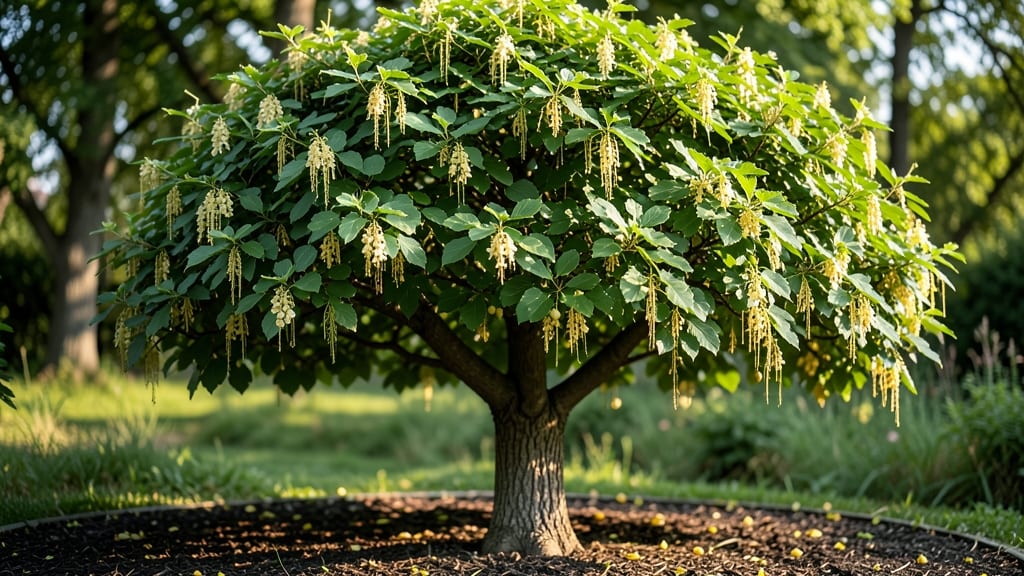
Planting a small leaf linden tree means year-round shade that’s easier to maintain than you’d expect. 🌳 I’ve grown mine for five years now, and its heart-shaped leaves create the perfect dappled light—no pruning required until it outgrows its space. The key?
Understanding its natural growth habits so you don’t overcorrect. This tree thrives in zones 3-7 with minimal fuss: well-draining soil, morning sun, and occasional watering once established. Unlike fussy ornamentals, lindens handle drought, urban pollution, and even poor soil—making them the ultimate low-maintenance shade provider.
Just avoid heavy clay unless you amend it first. By summer’s end, you’ll have a 20-foot canopy that stays lush through winter, its golden fall foliage adding unexpected drama. The bark develops striking ridges with age, and birds adore its nectar-rich flowers in June.
It’s the tree that works harder than you do. Perfect for small yards, parking strips, or as a privacy screen. Here’s how to set it up right from day one—no green thumb required.
📚 In This Guide
- What you need
- Instructions
- Tips and common mistakes
- Wrapping up and next steps
What you need
- ● Pruning shears: Bypass pruners (sharp, 7–9 inch blades) for small branches.
- ● Loppers: 12–16 inch bypass loppers for thicker branches (up to 2 inches in diameter).
- ● Pruning saw: Curved-tooth saw for branches thicker than 2 inches.
- ● Extension pole: 6–10 foot telescoping pole with pruners or saw attachment for hard-to-reach branches.
- ● Gloves: Heavy-duty, cut-resistant gloves (e.g., leather or synthetic mesh).
- ● Disinfectant: 70% isopropyl alcohol or a 10% bleach solution to sterilize tools between cuts.
- ○ Tree wound dressing: Optional but helpful for sealing larger cuts (e.g., Tanglefoot Tree Wound Pruning Sealer).
- ● Safety gear: Safety glasses, long sleeves, and sturdy shoes (or boots with traction).
- ● Weather check: Prune on a dry, calm day (avoid wind or rain).
- ● Tree assessment: Identify dead, diseased, or crossing branches before starting.
- ● Cleanup supplies: Trash bags (for debris), rake or leaf blower, and a wheelbarrow (if hauling heavy branches).
- ● First aid kit: Just in case—small cuts or scrapes can happen!
How to plant and care for a small leaf linden tree
This hardy beauty thrives with just a few key steps—let’s get your tree growing strong and lush!
🪴 Step 1: Choose the Perfect Planting Spot
Small leaf lindens love full sun—pick a location with at least 6-8 hours of direct sunlight daily. They tolerate a range of soil types but prefer well-draining, slightly acidic soil (pH 5.5-7.0). Avoid low spots where water pools, as soggy roots lead to root rot.
Dig a hole twice as wide as the root ball but only as deep. Loosen the sides of the hole to encourage root spread. If your soil is heavy clay, mix in 2-3 inches of compost to improve drainage. The tree’s natural canopy shape means minimal pruning later—just let it grow!
🌱 Step 2: Plant with Care for Long-Term Stability
Gently remove the tree from its container and tease the roots outward if they’re circling. Place it in the hole so the top of the root ball sits level with the ground—burying the trunk too deep suffocates it. Backfill with native soil, tamping lightly to remove air pockets.
Water deeply right after planting to settle the soil around the roots. Mulch with 2-3 inches of organic mulch (like wood chips) in a 3-foot-wide circle, keeping it 6 inches away from the trunk. This protects roots from temperature swings and retains moisture. Watch for new leaves in 4-6 weeks—that’s your sign the tree is settling in!
☀️ Step 3: Water and Feed for Healthy Growth
For the first year, water once a week (or more in extreme heat) until the soil feels dry 2-3 inches deep. After that, lindens are drought-tolerant but still appreciate deep watering every 2 weeks during dry spells. Overwatering is the biggest mistake—yellowing leaves mean you’re watering too much!
Fertilize lightly in early spring with a balanced, slow-release fertilizer (10-10-10). Skip heavy feeding—lindens grow steadily without it. If leaves yellow between veins, it’s likely iron deficiency, fixed with a chelated iron supplement applied to the soil.
✂️ Step 4: Prune for Shape and Health
Small leaf lindens need almost no pruning—just remove dead, diseased, or crossing branches in late winter or early spring. Use clean, sharp pruners to make cuts just outside the branch collar. Avoid heavy pruning; these trees handle it poorly and may produce fewer leaves.
If you want to shape the tree, do it gradually over years. The goal is an open, airy canopy—never trim more than 25% of the foliage in one season. Watch for suckers at the base and remove them promptly to keep energy in the main trunk.
🌿 Step 5: Enjoy Year-Round Benefits
This tree delivers four-season interest: fragrant white flowers in spring, lush green leaves all summer, golden fall foliage, and bare branches that let light filter through in winter. Plant it near a patio or driveway for shade and beauty with almost no upkeep!
Real talk: If your tree struggles, check for Japanese beetles (they love linden leaves). A neem oil spray keeps them away. With proper care, your small leaf linden will thrive for decades—a true low-maintenance star!
Tips & tricks for perfect small leaf linden tree planting
Between us, these little details make all the difference when you're planting a small leaf linden that'll thrive for decades. I learned this the hard way after watching my first tree struggle—don't make my mistake!
Sunlight Strategy: That 6-8 hours of sunlight isn't just a suggestion—it's non-negotiable for your tree's health. If your yard has partial shade, choose the sunniest spot possible. I've seen lindens in 5 hours of sun survive, but they'll never reach their full potential. The more sun, the better the fall colors and the stronger the growth. Think of it like giving your tree its daily vitamin D!
Soil Prep Secret: The 2-3 inches of compost in clay soil isn't optional—it's your insurance policy against root rot. I always test my soil first using a simple pH kit (they're cheap!). If your soil tests below 5.5, mix in some lime to raise the pH gradually. The goal is that slightly acidic range where lindens truly shine. Pro tip: Work the compost into the sides of the planting hole, not just the bottom.
Watering Wisdom: That first year's once-a-week watering is critical, but timing matters just as much. Water in the morning so the leaves have all day to dry—wet leaves overnight invite fungal problems. I set a reminder on my phone for the first few weeks until it becomes habit. And when you do water, soak deeply until you see water running out the bottom of the hole. Shallow watering encourages weak root systems.
Pruning Prevention: The "almost no pruning" rule is your friend—lindens handle stress poorly. I've seen people over-prune and end up with trees that look like they've been through a hurricane. When you do need to prune, make your cuts at a 45-degree angle just outside the branch collar. This helps the wound heal faster and prevents disease from entering the tree. And remember, those suckers at the base? Remove them within a week—they're energy vampires!
Pro Tips for Small Leaf Linden Tree
- Between us, these little details make all the difference when you're planting a small leaf linden that'll thrive for decades.
- Sunlight Strategy: That 6-8 hours of sunlight isn't just a suggestion—it's non-negotiable for your tree's health.
- Soil Prep Secret: The 2-3 inches of compost in clay soil isn't optional—it's your insurance policy against root rot.
Frequently asked questions
Got questions about keeping your small leaf linden tree looking its best with minimal effort? Here are answers to the most common ones:
How often should I prune a small leaf linden tree?
A small leaf linden thrives with light pruning—just 2–3 times a year! Focus on removing dead, diseased, or crossing branches in late winter or early spring (before buds break). Light shaping in summer keeps it tidy without stressing the tree. Pro tip: Never prune more than 25% of the canopy in one go!
Can I prune a small leaf linden in fall?
Fall pruning is not recommended—it can stimulate new growth that won’t harden off before winter, making the tree vulnerable to cold damage. If you must prune in fall, do so early (September) and only for safety (e.g., removing storm-damaged limbs). Spring is the best time!
What’s the best way to shape a small leaf linden for a dense canopy?
Use open-center pruning to encourage a full, airy shape. Start by thinning out 10–20% of the smallest branches from the inside of the canopy to let light reach lower limbs. Avoid "topping" (cutting the top flat)—it weakens the tree and invites pests. Think "less is more"!
Why are my small leaf linden leaves yellowing or dropping?
Yellowing leaves often signal overwatering, nutrient deficiency, or fungal issues (like anthracnose). Check the soil—lindens prefer well-draining soil. If leaves drop in summer, it could be heat stress or root rot. Prune affected branches 1–2 feet back to the healthy wood and improve drainage.
Are there dwarf varieties of small leaf linden for small yards?
Yes! While the classic Tilia cordata grows 40–60 feet tall, look for columnar or slow-growing cultivars like 'Greenspire' (30–40 ft) or 'Little Miss Linden' (20–25 ft). These stay compact while offering the same fragrant flowers and heart-shaped leaves. Just ensure they get 6+ hours of sun!
Pro Tip Roundup
- Timing matters: Prune after the tree finishes flowering (late spring) to avoid cutting off next year’s blooms.
- Tool check: Use bypass pruners for clean cuts—never shear the tree like a hedge!
- Avoid: Pruning in extreme heat or wet conditions (both stress the tree).
Wrapping up and next steps
The small leaf linden tree is a true gem for any landscape—offering lush, fragrant foliage, minimal pruning needs, and year-round charm. Whether you're a seasoned gardener or just starting, its resilience and adaptability make it a fantastic choice for shade, beauty, and low-maintenance growth. 🌿
Ready to invite this easy-care tree into your yard? Start by assessing your space, gathering the right tools, and planning your first pruning session—your future self (and your neighbors!) will thank you. Happy gardening!