
Aphids
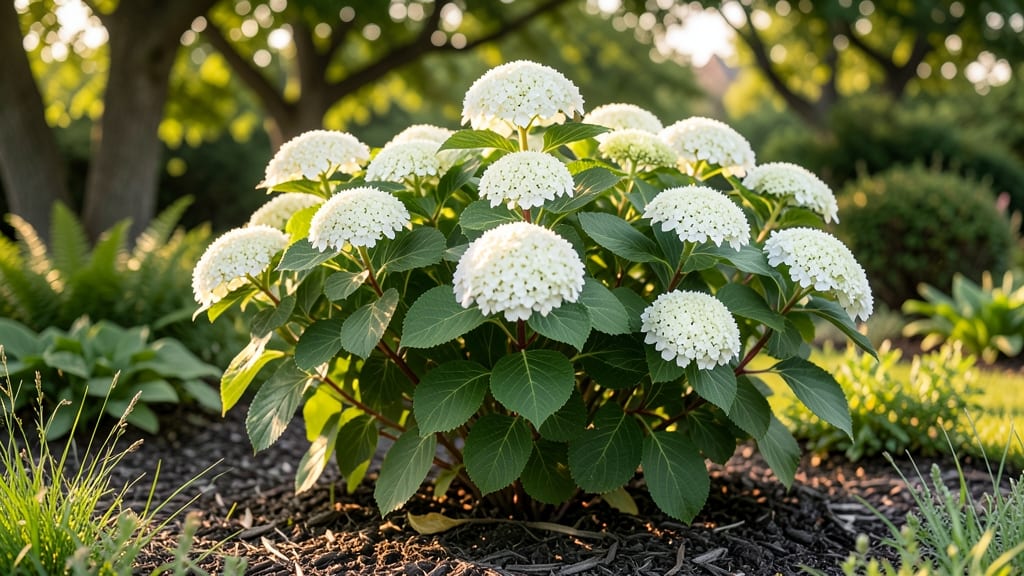
Growing Snowflake Oakleaf hydrangea means year-round drama with almost no work. 🌿 This Southern beauty thrives in zones 6-9, delivering oak-shaped leaves that turn fiery red in fall and delicate white lacecap blooms that last from summer through winter. The key to its effortless elegance?
Understanding its three core needs—soil, shade, and patience. Most gardeners overwater or over-prune this shrub, but Snowflake Oakleaf actually prefers well-draining soil and partial shade. I've seen mine flourish under mature trees where other plants struggle.
The secret is mimicking its native woodland habitat: moist but not soggy soil, and morning sun with afternoon shade. Once established, it handles drought surprisingly well. You'll fall in love with the way it transforms seasons—spring's fresh green foliage, summer's fragrant blooms, and autumn's blazing red leaves.
The pruning is minimal: just remove dead wood in late winter and shape lightly after flowering. No shearing required for that natural, airy look. Perfect for foundation plantings, woodland gardens, or as a statement piece near patios.
Here's how to give it the conditions it craves for maximum impact with minimal fuss.
📚 In This Guide
- What you need
- Instructions
- Tips and common mistakes
- Wrapping up and next steps
What you need
- ● Snowflake Oakleaf Hydrangea plant: 1 healthy nursery-grown specimen (choose a 1- to 3-gallon container for best results).
- ● Well-draining potting mix: 5-10 gallons (or enough to fill your chosen container). Opt for a blend with peat moss, perlite, and compost (e.g., 60% potting soil, 20% compost, 20% perlite).
- ● Container or garden bed: For containers: A 15- to 20-gallon pot with drainage holes (terracotta or fabric pots work best).
- ● For in-ground planting: A spot with 6+ hours of sunlight and well-draining soil (amend with compost if needed).
- ● Slow-release fertilizer: 1-2 cups of balanced 10-10-10 or acid-loving plant fertilizer (like Miracle-Gro Azalea, Camellia, & Rhododendron).
- ● Mulch: 2-3 inches of pine bark or shredded leaves to retain moisture and regulate soil temperature.
- ● Watering can or hose with a gentle spray nozzle: For deep but controlled watering.
- ● Pruning shears: Sharp, bypass-style shears (disinfect with rubbing alcohol between cuts).
- ● Garden gloves: Heavy-duty to protect against thorns and soil.
- ● Soil pH tester: To ensure your soil stays in the ideal range of 5.0–6.0 (hydrangeas love acidic soil!).
- ● Organic pest control: Neem oil or insecticidal soap (for aphid or spider mite prevention).
- ○ Support stakes or trellis: Optional for larger varieties (though Snowflake Hydrangea is naturally compact).
- ● 🌡️ Check soil moisture: Stick your finger 1-2 inches into the soil—water when it’s dry to the touch.
- ● ✨ Boost blooms: Feed with fertilizer high in phosphorus (like 10-30-20) in early spring.
- ● 🔥 Winter prep: Mulch heavily in late fall to protect roots in colder climates.
Step-by-Step instructions for growing Snowflake Oakleaf Hydrangea
Here’s how to cultivate this stunning shrub with vibrant foliage and delicate blooms—no pruning drama required.
🌱 Step 1: Choose the Perfect Planting Spot
The snowflake oakleaf hydrangea thrives in partial shade to full sun, but morning sun with afternoon shade protects its leaves from scorching. I always pick a location with dappled sunlight—think under tall trees or near a north-facing wall. This shrub tolerates a range of conditions, but it truly shines when given 4-6 hours of sun daily combined with afternoon shade.
Check the soil pH with a test kit—this variety prefers slightly acidic to neutral soil (pH 6.0-7.0). If your soil is too alkaline, amend it with composted pine needles or sulfur to lower the pH gradually. The roots need well-draining but moisture-retentive soil, so avoid heavy clay without amending it with organic matter like compost or leaf mold.
🪴 Step 2: Plant at the Right Depth and Spacing
Dig a hole twice as wide as the root ball but only as deep as the container’s root base. The top of the root ball should sit 1-2 inches above ground level—this prevents rot while allowing the roots to establish properly. Gently loosen the roots if they’re circling the pot, then place the plant in the hole and backfill with native soil mixed with compost to encourage root growth.
Space plants 6-8 feet apart to allow for mature spread. This variety grows 6-8 feet tall and wide, so crowding leads to weak stems and poor air circulation. Water deeply right after planting to settle the soil and eliminate air pockets. You’ll know it’s properly hydrated when water drains freely from the bottom of the hole.
☀️ Step 3: Water Deeply and Mulch for Year-Round Care
Water 1-2 inches per week, ensuring the soil stays consistently moist but not soggy. The first year is critical—hydrangeas establish deep roots slowly, so deep watering (every 10-14 days) encourages stronger growth. Use a soaker hose or drip irrigation to deliver water directly to the root zone without wetting the foliage, which reduces disease risk.
Apply 3 inches of mulch (wood chips or shredded bark) around the base, keeping it 2-3 inches away from the trunk to prevent rot. Mulch retains moisture, regulates soil temperature, and suppresses weeds. Replenish mulch annually in early spring—this is the secret to maintaining lush foliage through all four seasons.
✂️ Step 4: Prune Strategically for Season-Long Beauty
Unlike other hydrangeas, snowflake oakleaf blooms on both old and new wood, so minimal pruning keeps it looking its best. In late winter or early spring (before buds swell), remove dead or crossing branches at the base. Cut just above a bud or lateral branch to encourage outward growth. Avoid heavy pruning—this variety rewards patience with bold foliage and cascading blooms.
If you notice leggy growth, trim back 1/3 of the longest stems in early summer to promote bushier habits. Never prune after mid-summer, as new growth won’t harden off before winter. The goal is to shape, not shape—let the natural form shine.
Tips & tricks for growing Snowflake Oakleaf Hydrangea
Here's what I wish I'd known when I first planted mine—these simple tricks make all the difference for vibrant, healthy growth.
Lighting Insight: The 4-6 hours of daily sun mentioned in Step 1 is ideal, but watch for leaf scorch if your afternoon sun is intense. I've found that positioning the plant slightly to the east of a north-facing wall gives that perfect balance of morning sun without harsh afternoon rays. If you notice yellowing leaves, it's often a sign of too much direct sunlight—try moving it to a slightly shadier spot.
Soil Prep Secret: When amending soil in Step 1, I like to mix in composted leaf mold along with the composted pine needles. Leaf mold mimics the natural forest floor environment these hydrangeas love, improving moisture retention while keeping the soil's natural acidity. Think of it as giving your plant a spa treatment for its roots!
Planting Depth Caution: That 1-2 inch elevation above ground level in Step 2 is crucial—it prevents crown rot while allowing the roots to establish properly. I've seen many gardeners bury the root ball too deeply, which can lead to weak stems and poor air circulation. A good test is to make sure the top of the root ball is just slightly higher than the surrounding soil level.
Mulching Strategy: The 3 inches of mulch in Step 3 is perfect, but I've found that adding a layer of pine straw over the wood chips helps retain moisture even better in hot climates. Just remember to keep it 2-3 inches away from the trunk to prevent rot. I replenish mine in early spring before the growing season really kicks in—this timing gives the roots a head start for the year.
Pro Tips for Snowflake Oakleaf Hydrangea
- Here's what I wish I'd known when I first planted mine—these simple tricks make all the difference for vibrant, healthy growth.
- Lighting Insight: The 4-6 hours of daily sun mentioned in Step 1 is ideal, but watch for leaf scorch if your afternoon sun is intense.
- Soil Prep Secret: When amending soil in Step 1, I like to mix in composted leaf mold along with the composted pine needles.
Frequently asked questions
Got questions about your Snowflake Oakleaf Hydrangea? You’re not alone!
Here are the most common queries—plus quick, practical answers to keep your plant thriving with ease.
How cold can Snowflake Oakleaf Hydrangeas tolerate?
These beauties are hardy to USDA Zones 5-9, meaning they can handle winter temps down to -20°F (-29°C). Just ensure they’re planted in well-draining soil and mulched heavily (3–4 inches) to protect roots. Pro tip: Young plants may need extra winter wrap in harsh climates!
When is the best time to prune Snowflake Oakleaf Hydrangeas?
Prune late winter or early spring (before buds swell) to avoid cutting off next year’s blooms. Use clean, sharp shears to remove dead or crossing branches—no heavy thinning needed! Warning: Avoid summer pruning, as it can stress the plant and reduce fall color.
Why aren’t my Snowflake Oakleaf Hydrangeas blooming?
Blooms may lag due to over-pruning, poor sunlight (they need 6+ hours/day), or insufficient nutrients. Check for yellowing leaves (overwatering) or crispy edges (underwatering). Feed with balanced fertilizer in early spring and ensure soil stays moist but not soggy.
How do I prevent aphids on my Snowflake Oakleaf Hydrangea?
Aphids love these hydrangeas! Blast them off with a strong water spray or use neem oil (mix 1 tbsp per quart of water). Encourage ladybugs and lacewings (natural predators) by planting nearby herbs like dill or fennel. Quick fix: Wipe leaves with soapy water weekly during outbreaks.
Can I grow Snowflake Oakleaf Hydrangeas in containers?
Yes! Use a large pot (15+ gallons) with drainage holes and a well-draining potting mix. Move containers to partial shade in summer and full sun in winter (they love seasonal light shifts). Water consistently—containers dry out faster than ground soil!
What’s the difference between Snowflake and other Oakleaf Hydrangeas?
The Snowflake stands out with white, lacecap flowers (vs. panicle or mophead types) and stunning burgundy fall foliage. It’s also more compact (4–5 ft tall) and blooms on new and old wood, so pruning is forgiving. Perfect for small gardens!
Wrapping up and next steps
The Snowflake Oakleaf Hydrangea is a dream for gardeners seeking year-round beauty with minimal fuss—its stunning foliage, delicate blooms, and adaptability make it a standout choice. Whether you're a beginner or a seasoned pro, this resilient plant rewards patience with vibrant color and effortless charm. 🌿
Ready to transform your garden? Start by selecting the perfect spot, gathering your supplies, and following the care tips shared here. With a little love and the right conditions, your Snowflake Oakleaf Hydrangea will thrive and become the showstopper of your outdoor space!