
Planting
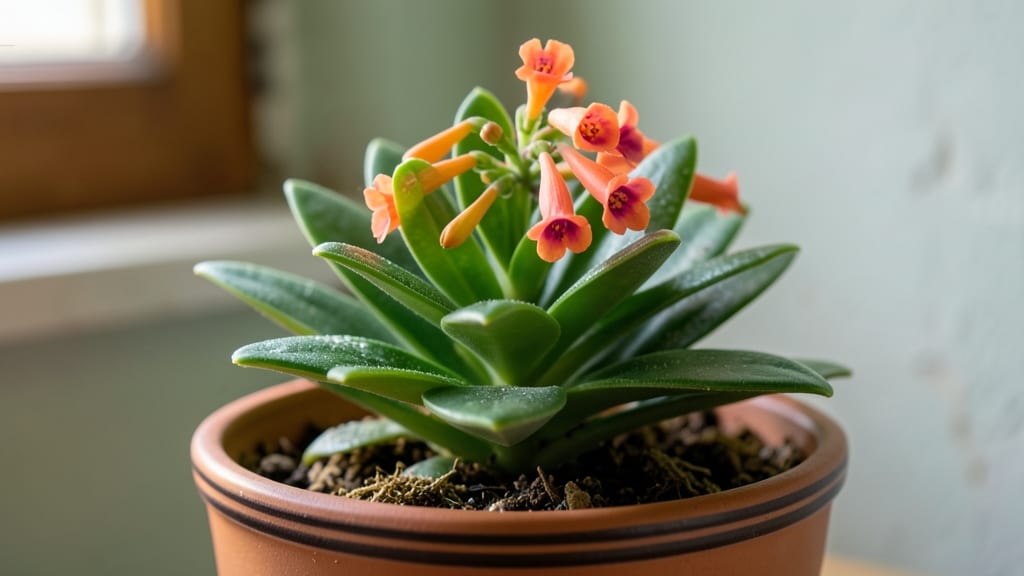
Growing spiked leaf plants like Dracaena or Yucca is one of those fast gardening wins that makes you feel like a pro. 🌱 I’ve watched roots shoot out in weeks—not months—whether you’re growing them in soil or water, and the secret isn’t complicated.
These plants thrive on neglect, but they do need the right balance of light, drainage, and occasional attention to keep those dramatic spikes sharp and healthy.
The real magic happens when you match the plant to its environment. Agave and Yucca love baking in full sun and dry soil, while Dracaena tolerates indoor light and occasional dampness. My Dracaena marginata in water even sent out roots in 10 days—no soil required.
The key is avoiding soggy soil (their #1 killer) and giving them space to stretch those iconic leaves.
By the time you’re done, you’ll have a bold statement plant that needs almost no effort to stay stunning. The leaves stay crisp, the roots grow like crazy, and you’ll be the one neighbors ask about.
Plus, these plants pair beautifully with succulents or ornamental grasses for a modern, low-maintenance look.
Whether you’re reviving a struggling plant or starting fresh, this guide cuts through the guesswork. Let’s get those spikes growing—and fast.
Understanding Leaf Spikes Causes
If your spiky-leaved plant suddenly sports sharp, jagged edges instead of its usual smooth foliage, don’t panic—it’s often a response to environmental stress. These changes happen for specific reasons, rooted in biology and plant physiology.
Below, we break down the most common culprits and what they mean for your plant’s health.
Plants are sensitive to temperature swings, and sudden drops or spikes can trigger defensive adaptations. When exposed to cold drafts or hot, dry air, many species—like Haworthia or Echeveria—develop spiky leaves as a way to:
- Reduce water loss: Spines create a microclimate around the leaf, slowing evaporation in arid conditions.
- Reflect sunlight: Thicker, waxy leaves with spikes can deflect excess heat, preventing sunburn.
- Protect from herbivores: Sharp edges deter insects or small animals from nibbling on stressed foliage.
Actionable fix: Keep your plant in a stable environment (ideal temps: 65–75°F for most succulents). Avoid placing it near AC vents, radiators, or drafty windows. If your home has extreme swings, a heat mat (for cool nights) or shade cloth (for hot days) can help.
Overwatering or underwatering can both lead to spiky leaf growth, but for different reasons:
| Cause | Effect on Leaves | Why It Happens |
|---|---|---|
| Underwatering | Leaves thicken, develop sharp edges, and may curl. | The plant conserves moisture by reducing surface area and hardening cell walls. Think of it like a cactus adapting to desert conditions. |
| Overwatering | Leaves may soften initially but then grow spiky as a response to root rot or fungal stress. | When roots suffocate, the plant shifts energy to above-ground defenses, including thorns or spines to deter pests attracted to weak tissue. |
Actionable fix:
- For underwatering: Water deeply but infrequently (let soil dry completely between waterings). Use a moisture meter to avoid guesswork.
- For overwatering: Repot in fast-draining soil (cactus/succulent mix) and ensure pots have drainage holes. Let excess water escape within 10 minutes of watering.
When a plant lacks key nutrients, it prioritizes survival over aesthetics. Spiky leaves often signal:
- Low nitrogen (N): Leads to stunted growth and hardened leaves as the plant diverts energy to structural defenses.
- Phosphorus (P) or potassium (K) excess: Can cause abnormal leaf development, including spikes, as the plant struggles to process toxins.
- Calcium or magnesium deficiency: Weakens cell walls, prompting the plant to reinforce them with spiny growths.
Actionable fix:
- Test your soil with a DIY kit or send a sample to a lab for analysis.
- For succulents/sedums, avoid fertilizing in winter. Use a balanced 5-5-5 or 10-10-10 fertilizer sparingly (every 4–6 weeks in growing season).
- Add crushed eggshells (for calcium) or Epsom salt (for magnesium) to soil if deficiencies are suspected.
When pests (like mealybugs, scale, or aphids) or diseases (e.g., powdery mildew) attack, your plant may grow spikes as a last-ditch defense. Common triggers:
- Sap-sucking insects: Damage weakens leaves, prompting the plant to produce thorns to deter further attacks.
- Fungal infections: Stress from disease can alter leaf morphology, making them thicker and spikier.
- Bacterial soft rot: As roots or stems decay, the plant may develop abnormal growth patterns to compensate.
Actionable fix:
- Inspect leaves undersides and stems for pests. Wipe with a neem oil solution (1 tsp neem oil + 1 quart water) or use insecticidal soap.
- For fungal issues, improve air circulation and avoid overhead watering. Treat with copper fungicide if needed.
- Isolate infected plants to prevent spread.
Not all spiky leaves are a sign of distress! Some plants are naturally equipped with spines or serrated edges as part of their species traits. Examples:
- Haworthia attenuata (Zebra Plant): Always has spiky, triangular leaves.
- Gasteria species: Often have jagged, thickened edges.
- Sedum morganianum (Donkey Tail): Develops spiky, segmented leaves as it matures.
How to tell if it’s natural:
- Check your plant’s species description—many succulents are bred for spiky foliage.
- Compare to healthy, mature plants of the same variety.
- If spikes appear suddenly on a previously smooth-leaved plant, stress is likely the cause.
Fixing Common Spiky Leaf Issues
If your spiky-leaved greenery is showing signs of distress—whether it’s wilting, developing brown tips, or struggling to thrive—don’t panic. Most problems have simple fixes, and with the right care, your plant can bounce back to its vibrant, spiky glory. Below, we’ve mapped out the most common issues and their solutions, along with prevention tips to keep your plant healthy long-term.
Too much love (in the form of water) can drown your spiky-leaved plant. If the soil feels soggy or the leaves turn yellow, it’s time to adjust your watering routine.
How to Fix It:
- 🔥 Step 1: Let the Soil Dry Out – Stop watering immediately and allow the top 1–2 inches of soil to dry completely before watering again. Stick your finger in the soil; if it’s damp, wait a few more days.
- 🍳 Step 2: Improve Drainage – Ensure your pot has drainage holes. If not, transfer your plant to a container with holes or add a layer of perlite or sand to the soil mix for better aeration.
- 👨🍳 Step 3: Adjust Watering Frequency – Water only when the topsoil is dry. For most spiky-leaved plants (like snake plants or haworthias), this means watering every 1–2 weeks, depending on humidity and light.
💡 Prevention Tips:
- Use a well-draining potting mix designed for succulents or cacti.
- Water in the morning so excess moisture evaporates during the day.
- Avoid misting the leaves—water at the base instead.
While overwatering is a common issue, underwatering can also harm your plant. Brown, crispy edges or a wrinkled appearance mean it’s thirsty but not drowning—just parched.
How to Fix It:
- 💧 Step 1: Give It a Deep Watering – Soak the soil thoroughly until water drains from the bottom of the pot. This ensures the roots get the moisture they need.
- 🌡️ Step 2: Monitor Soil Moisture – Check the soil every few days. If it’s dry within a week, your plant may need more frequent watering (but not too much—balance is key!).
- 🎯 Step 3: Adjust Light Exposure – If your plant is in low light, it may need less water. Move it to a brighter spot (but avoid direct sun, which can scorch the leaves).
💡 Prevention Tips:
- Group plants together to create a microclimate with higher humidity.
- Use a moisture meter to track soil conditions accurately.
- Mulch the soil with pebbles or gravel to retain moisture.
Pests like spider mites, mealybugs, or aphids love spiky-leaved plants. If you spot webbing, white cottony patches, or tiny crawling bugs, act fast to prevent spread.
How to Fix It:
- 🔪 Step 1: Isolate the Plant – Move it away from other plants to prevent pests from jumping ship.
- 🛡️ Step 2: Wipe Down Leaves – Use a damp cloth or cotton swab dipped in rubbing alcohol (70% isopropyl) to gently remove bugs. For stubborn infestations, spray with neem oil or insecticidal soap.
- ⏰ Step 3: Repeat Treatment – Pests can be persistent, so treat every 5–7 days until they’re gone. Check the undersides of leaves and soil surface for eggs.
💡 Prevention Tips:
- Inspect new plants before bringing them home.
- Encourage beneficial insects like ladybugs, which eat pests.
- Avoid over-fertilizing, as excess nutrients attract pests.
Root rot is a silent killer, often caused by overwatering or poor drainage. If your plant’s stems feel mushy or the soil smells foul, roots may be rotting.
How to Fix It:
- 🌱 Step 1: Remove the Plant from Soil – Gently take it out and rinse the roots under lukewarm water to remove excess soil.
- ✂️ Step 2: Trim the Damaged Roots – Use sterilized scissors to cut away any black, mushy roots. Healthy roots should be firm and white.
- 🔄 Step 3: Repot in Fresh Soil – Place the plant in a clean pot with fresh, well-draining soil. Avoid watering for 3–5 days to let the roots recover.
💡 Prevention Tips:
- Use pots with drainage holes and avoid saucers that trap water.
- Water sparingly and only when the soil is completely dry.
- Choose a lightweight, airy potting mix.
Spiky-leaved plants are tough but can suffer in extreme temperatures. Cold drafts or heatwaves can cause leaves to wilt or drop prematurely.
How to Fix It:
- 🌡️ Step 1: Find the Right Spot – Most spiky-leaved plants thrive in temperatures between 60–80°F (15–27°C). Move it away from drafts, AC vents, or radiators.
- ☀️ Step 2: Adjust Light Exposure – If it’s too hot, provide afternoon shade. If too cold, bring it indoors or use a heat mat in winter.
- 💧 Step 3: Monitor Watering – Plants in cold conditions need less water, while those in heat may dry out faster. Adjust accordingly.
💡 Prevention Tips:
- Avoid placing plants near windows in winter (cold glass can damage leaves).
- Use a thermometer to track room temperature.
- Group plants together to create a stable microclimate.
With these fixes, your spiky-leaved plant should recover quickly and continue thriving. Remember, consistency is key—whether it’s watering, light, or pest control. Happy gardening! 🌿✨
Frequently asked questions
Which spiky plants grow fastest in water vs. soil?
Plants like Dracaena marginata (Dragon Tree) and Yucca thrive in both water and soil, but Dracaena often sends out roots in 10-14 days when propagated in water. For soil, Agave varieties grow fastest with full sun exposure and well-draining mixes. Just avoid soggy soil—it’s their #1 killer!
How do I tell if my spiky plant is healthy?
Healthy spiky plants have firm, upright leaves with no yellowing or browning. Check the base: roots should be white/firm (not mushy or black). For succulents like Haworthia, plump leaves mean hydration—wrinkled ones need water. The key is balance: too much water = rot, too little = crispy edges.
Can I grow spiky plants indoors without sunlight?
Yes! Dracaena and Snake Plants tolerate low light but grow slower. Place them near east-facing windows for 4-6 hours of indirect light daily. For zero sunlight, use a grow light (12-14 hours/day) to prevent leggy growth. Avoid dark corners—they’ll stretch awkwardly toward any light source.
Why are my spiky leaves turning brown at the tips?
Brown tips usually mean overwatering or fluoridated tap water. Let soil dry completely between waterings, and use filtered or distilled water. For Yucca or Agave, brown tips can also signal low humidity—try placing the pot on a tray of pebbles with water (not touching the pot) to add moisture to the air.
What’s the best soil mix for spiky plants?
Use a cactus/succulent mix (50% potting soil, 30% perlite, 20% coarse sand) for Agave or Yucca. For Dracaena, blend 1 part peat moss, 1 part perlite, and 1 part orchid bark. Add charcoal chunks to prevent fungal issues. Always repot every 2-3 years to refresh nutrients and drainage.