
Pests and Diseases
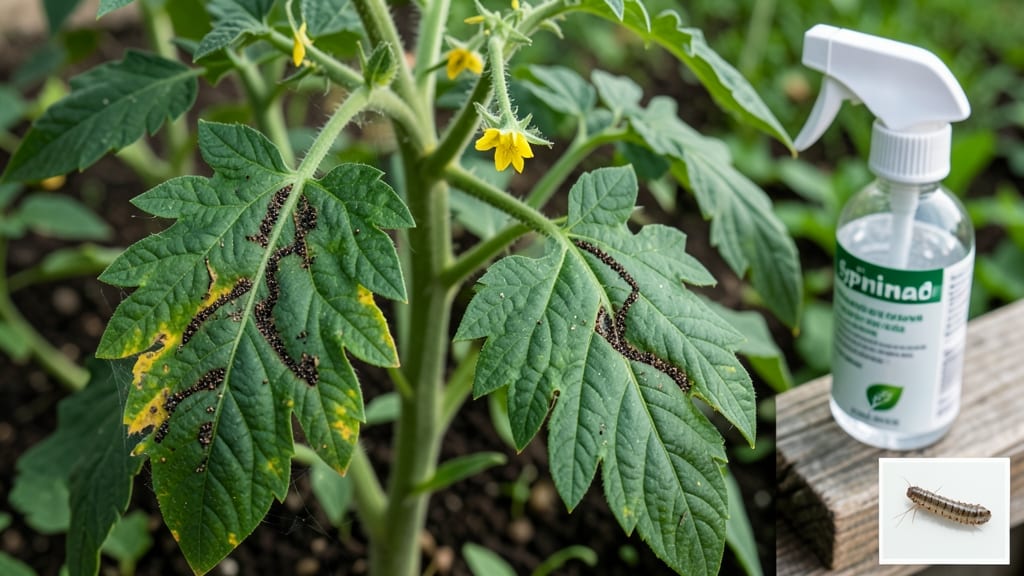
Your plants’ leaves look like they’ve been shredded by tiny, invisible hands—welcome to the world of spinosad leaf miners. 🌿 These sneaky pests burrow between foliage, leaving behind serpentine trails and stunted growth, but spinosad spray is your organic knight in shining armor.
I’ve battled them in my tomato and pepper plants, and this solution works when neem oil and soap sprays fail.
The damage starts small—tiny white dots on undersides of leaves—then spirals into full-blown skeletonization. Common victims include tomatoes, peppers, eggplants, and even herbs like basil. Spinosad targets the miners’ nervous systems without harming bees or beneficial insects, making it one of the safest organic options out there.
Just apply when you spot the first signs, and you’ll stop the spread before it wrecks your harvest.
Within 24 hours of treatment, you’ll see reduced feeding activity, and new growth will emerge cleaner. The key is timing—spray early morning or late evening to avoid harming pollinators, and reapply every 7-10 days until the miners disappear.
For extra protection, mix in a light horticultural oil to smother eggs and larvae.
Here’s the game-changer: prevention. Encourage natural predators like lacewings and ladybugs by planting nearby flowers like marigolds or dill. And if you’re growing in greenhouses, increase ventilation to discourage leaf miner activity.
Trust me, once you’ve saved a crop from these pests, you’ll never ignore the first warning signs again.
📚 In This Guide
- What you need
- Instructions
- Tips and common mistakes
- Wrapping up and next steps
What you need
- ● Spinosad-based pesticide (e.g., Captain Jack’s or Bonide Spinosad): 1–2 bottles (16 oz each) for moderate to large gardens
- ● Active ingredient: 0.00075% spinosad (check label)
- ● Garden sprayer (hose-end or pump sprayer): Minimum 1-gallon capacity for thorough coverage
- ● Adjustable nozzle for fine mist (critical for leaf undersides!)
- ● Protective gear: Nitrile gloves (waterproof, 1 pair)
- ○ Long-sleeved shirt and pants (optional but recommended)
- ● Safety goggles (if spraying near eyes)
- ● Pruning shears (sterilized): For removing heavily infested leaves (bonus: prevents spread!)
- ● Neem oil (1 tsp per gallon of water) – Mix with spinosad for extra defense!
- ● Yellow sticky traps (5–10 traps) – Monitor adult leaf miners 🐛
- ● Organic insecticidal soap (backup plan if spinosad isn’t available)
- ● Fan or breeze – Helps spray dry faster (reduces plant stress) 🌬️
How to treat spinosad leaf miner infestations organically
This spray solution targets leaf miners without harming beneficial insects or your plants.
🌿 Step 1: Identify and Confirm Leaf Miner Activity
Examine the undersides of leaves for serpentine tunnels and tiny white larvae—these are unmistakable signs of spinosad leaf miners. I always check the newest growth first, as miners prefer tender leaves. Use a magnifying glass if needed; the damage often looks like fine, winding trails between leaf veins.
Look for frass (insect excrement) along the tunnels—this confirms active feeding. If you find only dried tunnels with no fresh frass, the miners may have already moved on. This step ensures you're treating an active infestation, not a past one.
💧 Step 2: Prepare the Spinosad Solution
Mix 1 teaspoon of spinosad concentrate per quart of water in a clean spray bottle or pump sprayer. I always use a dedicated sprayer for organic treatments to avoid cross-contamination. Stir gently but thoroughly—spinosad needs to fully dissolve to work effectively.
Add 1 tablespoon of horticultural oil to the mixture to help the spray adhere to leaf surfaces. This is especially important for leaf miners, which hide deep within foliage. Test the spray on a small area first to ensure it doesn't cause leaf burn—some plants are more sensitive than others.
☀️ Step 3: Apply Spray at Optimal Conditions
Spray in the early morning or late afternoon when temperatures are below 85°F and there's no direct sunlight. Leaf miners are most active during cooler parts of the day, and spraying then increases your chances of direct contact. Cover the entire plant, including the undersides of leaves where miners hide.
Spray until leaves are glistening wet—this ensures full coverage. Focus on new growth and the undersides of older leaves, as miners often migrate there. Avoid spraying when rain is forecast within 24 hours, as it will wash away the treatment before it can work.
⏰ Step 4: Reapply and Monitor for Results
Reapply the spinosad solution every 7-10 days for at least 3 treatments. Leaf miners have a short life cycle, so repeated applications break their reproductive cycle. I keep a spray schedule on my phone to avoid missing treatments—consistency is key with organic controls.
Monitor plants for new frass or tunnels after each treatment. If you see fresh damage, the miners may have developed some resistance or your coverage wasn't thorough enough. Adjust your application technique if needed—sometimes a finer mist reaches hidden larvae better.
✂️ Step 5: Support Plant Recovery and Prevention
Remove heavily damaged leaves immediately after treatment—they won't recover and can harbor more miners. Prune with clean, sharp shears and dispose of the clippings in sealed bags. This reduces the miner population and helps your plant focus energy on new growth.
After the infestation is under control, maintain plant health with regular watering and balanced fertilization. Healthy plants recover faster and are less attractive to pests. I also add neem oil to my routine spray schedule as a preventive measure—it deters miners without the need for repeated spinosad applications.
Tips & tricks for effective spinosad leaf miner control
Here's what I've learned after battling these pests in my own garden—these tricks make all the difference between a temporary fix and complete eradication.
Timing Secret: The 7-10 day reapplication window is non-negotiable because leaf miners have a rapid life cycle. I mark my calendar with reminders because missing even one treatment can lead to a resurgence. For severe infestations, consider applying every 7 days for the first two weeks, then extending to 10 days once you see improvement. This aggressive schedule breaks their reproductive cycle faster.
Application Technique: When you're spraying in Step 3, use a fine mist setting on your sprayer—this helps the solution penetrate the dense foliage where miners hide. I've found that holding the sprayer 6-8 inches away from leaves and moving it back and forth creates better coverage than spraying directly overhead. For large plants, work in sections to ensure you don't miss any areas, especially the undersides of leaves where miners often congregate.
Plant Health Boost: The regular watering and balanced fertilization mentioned in Step 5 aren't just about recovery—they're proactive defense. I've noticed that plants under stress (whether from drought or nutrient deficiency) attract more miners. After treating an infestation, I switch to a liquid fertilizer every two weeks during the growing season to keep plants resilient. This makes them less appealing targets for future miner attacks.
Monitoring System: Create a simple inspection routine: After each treatment, examine 3-5 leaves per plant for new frass or tunnels. I keep a small notebook where I record the date and condition of each inspection—this helps me track progress and identify if the miners are developing resistance. If you see fresh damage after three treatments, it's time to reassess your approach, possibly adding neem oil as mentioned in the instructions.
Pro Tips for Spinosad Leaf Miner
- Here's what I've learned after battling these pests in my own garden—these tricks make all the difference between a temporary fix and complete eradication.
- Timing Secret: The 7-10 day reapplication window is non-negotiable because leaf miners have a rapid life cycle.
- Application Technique: When you're spraying in Step 3, use a fine mist setting on your sprayer—this helps the solution penetrate the dense foliage where miners hide.
Frequently asked questions
What exactly is a spinosad leaf miner, and how do I know if my plants are infested?
A spinosad leaf miner is a tiny, worm-like larva that burrows inside leaves, creating serpentine tunnels and causing them to yellow or die. Look for:
- Wavy, brown trails under leaf surfaces
- Wilting or discolored foliage
- Adult moths (small, tan) near plants at dusk
If you spot these signs, act fast—early intervention prevents severe damage!
How soon after spraying spinosad will I see results?
Spinosad works quickly but may take 3–7 days to fully eliminate leaf miners. You’ll notice:
- Day 1–3: Larvae stop feeding (less new damage)
- Day 5–7: Existing miners die; tunnels may darken
- 2+ weeks: New growth emerges cleaner
Pro tip: Reapply every 7–14 days for severe infestations or after rain.
Can I use spinosad on edible plants like herbs or veggies?
Yes! Spinosad is organic and low-toxicity, approved for use on fruits, veggies, and herbs. However:
- Wait 4 hours before harvesting edibles after application.
- Avoid spraying during flowering to protect pollinators.
Always check the product label for specific crops and rates.
What if spinosad doesn’t work? Are there other organic alternatives?
If spinosad fails, try these organic backups:
| Method | How to Use | Effectiveness |
|---|---|---|
| Neem oil | Spray foliage weekly; disrupts larval feeding. | Moderate (best for early stages) |
| Kaolin clay | Apply as a barrier; confuses and repels adults. | Preventative (not curative) |
| Beneficial nematodes | Water soil with Steinernema carpocapsae; targets larvae. | High (soil-dwelling miners only) |
Pro tip: Combine spinosad with yellow sticky traps to catch adult moths and break the life cycle.
How do I prevent leaf miners from coming back next season?
Break the cycle with these long-term strategies:
- Clean up debris: Remove infested leaves and mulch thoroughly.
- Rotate crops: Avoid planting susceptible plants (e.g., basil, beans) in the same spot yearly.
- Encourage predators: Attract ladybugs, lacewings, and parasitic wasps with diverse plantings.
- Use row covers: Protect young plants with fine mesh until they mature.
Consistency is key—prevention saves time and stress!
Wrapping up and next steps
Dealing with spinosad leaf miner damage doesn’t have to feel overwhelming—organic solutions like spinosad sprays can effectively restore your plants to health! 🌱 With the right materials, timing, and technique, you’re already halfway to a thriving garden. Remember: consistency is key!
Ready to take action? Start by monitoring your plants weekly and apply your spinosad spray at the first sign of trouble. Your green thumbs—and your plants—will thank you! 🌿