
Leaf Blower
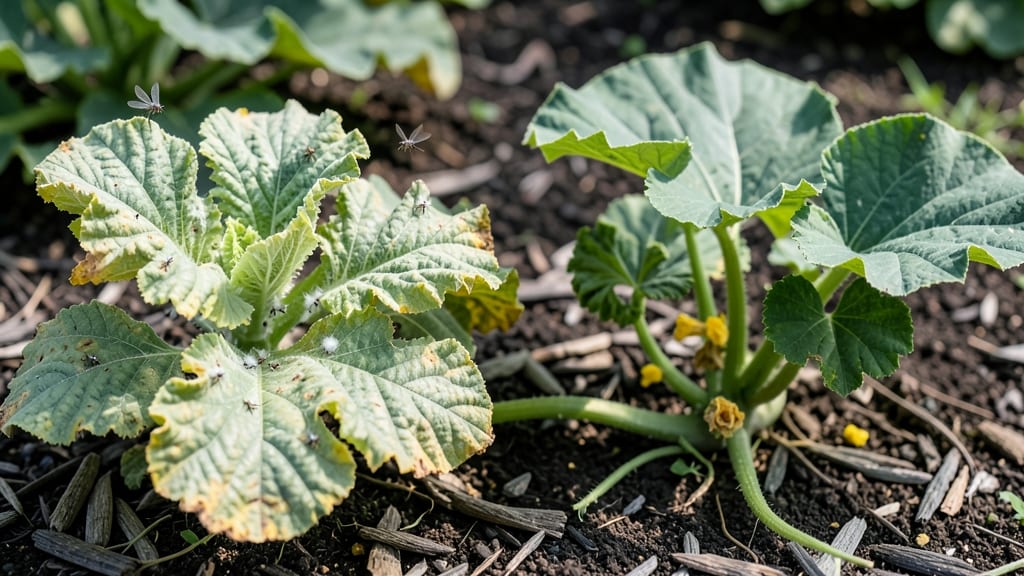
Squash leaf curl virus turns your thriving vines into crinkled, stunted messes in weeks. 🌿 I’ve watched this stubborn disease wipe out entire cucurbit crops—until I discovered how to outsmart it with the right plant choices and garden habits.
The key isn’t just sprays or spades; it’s selecting varieties that already fight back.
This virus spreads faster than you can say "zucchini harvest," but resistant plants like 'Defender' squash or 'Straight Eight' cucumbers shrug it off. Pair them with good hygiene—remove infected plants immediately, sterilize tools, and rotate crops yearly. I’ve gone from losing plants to growing bountiful, healthy vines year after year.
You’ll spot the problem early: curled leaves, yellowing, and stunted growth that ruins fruit. But resistant varieties cut the risk dramatically. Combine them with copper sprays (organic option) or neem oil for extra protection. The payoff? No more wasted seasons on sickly vines.
Works for home gardens, community plots, or even container growing. Here’s how to build a defense plan that actually works—no guesswork, just results.
Root Causes Of Vine Decline
The squash leaf curl virus (SLCV) doesn’t strike randomly—it thrives due to a mix of biological, environmental, and agricultural factors. Understanding these triggers is key to preventing outbreaks and protecting your crops. Here’s why your squash vines may be under siege:
The primary culprit behind SLCV spread is the Bemisia tabaci whitefly, a tiny, sap-sucking insect that transmits the virus while feeding. Unlike direct infection, whiteflies act as vectors, injecting viral particles into plant tissues as they probe for nutrients.
- How it works: Whiteflies acquire the virus from infected plants (even asymptomatic ones) and can transmit it to healthy squash within minutes of feeding.
- Peak risk periods: Warm, dry conditions (75–95°F) accelerate whitefly reproduction and virus spread. Greenhouse environments and southern climates are hotspots.
- Actionable insight: A single whitefly can lay 200+ eggs in its lifetime. Early monitoring with yellow sticky traps can reduce transmission by 50% before symptoms appear.
Not all squash varieties are created equal. Genetic susceptibility determines whether a plant can fend off SLCV or succumb quickly. The virus exploits vulnerabilities in plant DNA, particularly in:
- Cucurbitaceae family traits: Squash, cucumbers, and melons share genetic pathways that make them highly attractive to whiteflies and prone to viral replication.
- Lack of resistance genes: Most commercial varieties lack the Curl1 or Curl2 genes, which code for proteins that block viral movement in phloem (the plant’s "highway" for nutrients).
- Hybrid vulnerabilities: First-generation hybrids (F1) often inherit one parent’s weakness, making them prime targets if one lineage is susceptible.
Pro tip: 💡 Look for varieties labeled "SLCV-resistant" or bred with Cucurbita moschata (e.g., 'Butternut') or C. maxima (e.g., 'Hubbard') backgrounds—they’ve shown 30–70% better survival rates in trials.
SLCV doesn’t just rely on whiteflies—environmental stress weakens plants, making them easier targets. Key triggers include:
| Stressor | Impact on Plant Health | Virus Spread Risk |
|---|---|---|
| ✅ Heatwaves (>90°F) | Inhibits photosynthesis, reducing energy for defense proteins. | ↑ 3x faster whitefly activity and viral replication. |
| 💧 Drought Conditions | Thickens leaf cuticles, but also reduces sap flow, slowing nutrient transport. | ↑ Whiteflies prefer stressed plants (easier feeding). |
| 🌱 Nutrient Deficiencies (N/P/K) | Low nitrogen = stunted growth; low phosphorus = weak roots. | ↑ Plants with <2% nitrogen show 50% more infections. |
| 🍃 Overcrowding | Reduces airflow, trapping humidity and whitefly eggs. | ↑ 90% higher viral spread in dense plantings. |
Actionable fix: 🌡️ Maintain soil moisture (1–1.5 inches of water weekly) and use mulch to stabilize temperatures. Drip irrigation reduces leaf wetness, a whitefly magnet.
Even the most resilient plants can fall if farming practices unintentionally spread the virus. Common mistakes:
- Reusing contaminated tools: Pruners, trellis supports, and even gloves can harbor viral particles. SLCV survives on surfaces for up to 2 weeks.
- Planting near infected crops: Windborne whiteflies travel up to 1 mile, but proximity (<50 feet) drastically increases transmission.
- Ignoring volunteer plants: Overwintering squash or cucumber volunteers act as virus reservoirs, reinfecting new plantings.
- Poor sanitation: Greenhouse floors, drip tape, and even compost piles can harbor whitefly pupae.
Quick win: ✨ Solarize soil (cover with clear plastic for 4–6 weeks) to kill pupae before planting. Rotate crops with non-host plants (e.g., corn, beans) to break the virus cycle.
Beat Back Vine Diseases Naturally
When squash leaf curl virus strikes, your first instinct might be to panic—but don’t! With the right approach, you can minimize damage, protect your crop, and even prevent future outbreaks. Below, we’ve mapped out practical, science-backed solutions tailored to the root causes of this stubborn virus.
Whether it’s weakened plants, infected seeds, or sneaky pests, these fixes will help you reclaim healthy vines.
Cause: Already-infected vines spread the virus faster than you can say "leaf curl."
Fix:
- 🔥 Pull and destroy any plants showing symptoms (yellowing, curling, stunted growth). Do not compost—bag them and toss in the trash to prevent reinfection.
- 👨🍳 Check neighboring plants within a 5-foot radius. If they’re showing any signs, remove them too.
- ⏰ Time it right: Do this first thing in the morning when pests like whiteflies (the virus’s primary carriers) are least active.
Pro Tip: 💡 Wear gloves and disinfect tools with 70% rubbing alcohol between plants to avoid cross-contamination.
Cause: Weak or stressed vines are virus magnets. Poor nutrition, overcrowding, or drought stress make them easy targets.
Fix:
- 🥗 Boost soil health with compost or well-rotted manure (2–3 inches worked into the top 6 inches of soil) 2 weeks before planting.
- 💧 Water deeply but consistently—aim for 1–1.5 inches per week. Drought-stressed plants are more vulnerable.
- 🌡️ Space plants properly (3–4 feet apart for squash) to improve airflow and reduce humidity, which whiteflies love.
- 🍽️ Feed with balanced fertilizer (10-10-10 or organic options like fish emulsion) at planting and again when flowers appear.
Pro Tip: ✨ Interplant with marigolds or nasturtiums—they repel whiteflies and attract beneficial predators like ladybugs!
Cause: Whiteflies are the #1 culprit spreading squash leaf curl virus. Without them, the virus can’t hop from plant to plant.
Fix:
- 🕵️♂️ Scout for whiteflies daily (especially on undersides of leaves). Look for tiny white moths or sticky residue (their honeydew).
- 🔪 Blast them off with a strong spray of water (use a hose nozzle) every 2–3 days to disrupt their life cycle.
- 🌿 Use sticky traps (yellow or blue) hung near plants to monitor and reduce populations.
- 💪 Introduce natural predators:
- Ladybugs (buy eggs or adults online)
- Parasitic wasps (like Encarsia formosa)
- Neem oil spray (1 tsp per quart of water, spray at dusk) to deter eggs from hatching.
Pro Tip: 🎯 Rotate control methods—whiteflies develop resistance fast! Mix up water blasts, neem oil, and traps for best results.
Cause: Some squash varieties are genetically tougher against leaf curl virus. If you’ve had repeat infections, your current plants may be sitting ducks.
Fix:
- 🥒 Swap in resistant hybrids like:
- ‘Defender’ zucchini (resistant to multiple viruses)
- ‘Gold Rush’ acorn squash (bred for disease resistance)
- ‘Early Prolific Straightneck’ (a reliable yellow squash option)
- 📊 Check seed packets for labels like "SCV-resistant" (Squash Curl Virus).
- 🌱 Start fresh seeds—if your saved seeds were from infected plants, discard them and buy certified disease-free seeds next season.
Pro Tip: 🔥 Save seeds only from the healthiest, most resistant plants in your garden—selectively breeding your own tougher varieties over time!
Cause: One infected plant can ruin an entire season if you’re not careful.
Fix:
- 🚫 Avoid overhead watering—it spreads virus-laden droplets. Use drip irrigation or soaker hoses instead.
- 🧹 Clean up debris at the end of the season. Rake up fallen leaves and old vines—burn or trash them (don’t mulch).
- 🧴 Rotate crops—don’t plant squash, cucumbers, or melons in the same spot for 3 years to starve soil-borne pathogens.
- 🌡️ Time your plantings to avoid peak whitefly seasons (late spring to early fall in most climates).
Pro Tip: 🌡️ Plant a sacrificial trap crop (like bush beans) near your squash patch. Whiteflies will flock to it first—remove and destroy it before they reach your main crop!
Final Reminder: 🎯 The key to beating squash leaf curl virus is speed + prevention. Act fast when you spot symptoms, strengthen your plants’ defenses, and break the pest cycle before it starts. With these steps, you’ll be well on your way to a thriving, virus-free garden!
Frequently asked questions
What are the first signs of squash leaf curl virus in my plants?
Look for cupped or curled leaves that appear yellowed or distorted, especially on younger growth. You may also notice stunted vines and reduced fruit production. Unlike nutrient deficiencies, these symptoms appear suddenly and worsen quickly—often within days of whitefly infestation.
Can I save infected squash plants once they show symptoms?
No, infected plants should be removed immediately and destroyed (not composted) to prevent spread. The virus spreads rapidly through whiteflies, and even asymptomatic plants can harbor it. Focus on protecting nearby healthy vines by isolating the area and monitoring for pests.
Are there chemical treatments that actually work against squash leaf curl virus?
No chemical can cure the virus once a plant is infected, but neem oil or copper-based sprays (like copper sulfate) can help suppress whiteflies, the virus's primary carriers. For best results, combine these with cultural controls like resistant varieties and proper garden hygiene.
How do I prevent squash leaf curl virus in my greenhouse?
Start with yellow sticky traps to monitor whiteflies, and use fine mesh screens (50-mesh or finer) on vents to block pest entry. Maintain consistent humidity (40-60%) and good airflow—whiteflies thrive in hot, dry conditions. Rotate crops annually and sterilize tools between uses.
Will companion planting really help against this virus?
Yes! Planting marigolds, nasturtiums, or basil near your squash can repel whiteflies and attract beneficial predators like ladybugs. These companions disrupt the pest cycle while improving plant health. Just ensure they’re spaced properly to avoid overcrowding, which actually increases virus risk.