
Pests
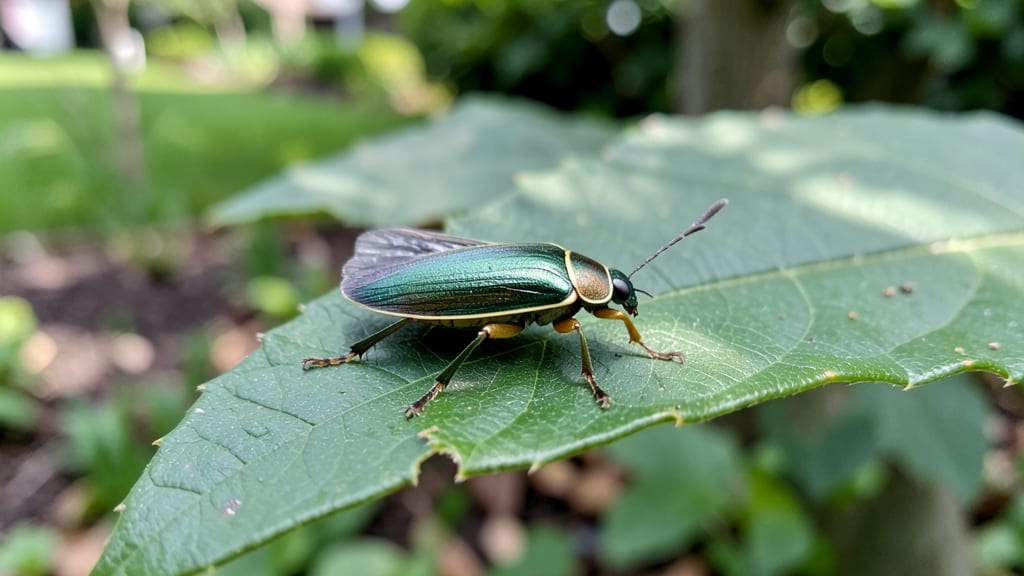
Willow leaf bug control methods can turn your garden into a skeleton show in weeks if you don’t act fast. 🌿 I've seen these tiny invaders strip entire willow trees bare, leaving behind a web of silk and skeletonized leaves—until I learned the early signs and fast-acting controls that stop them cold. The first clue? Tiny black bugs clustering on undersides of leaves, paired with a sticky residue that looks like honeydew. Most people wait too long, but these bugs multiply fast—within 2 weeks of first sighting. The good news? Targeted sprays, sticky barriers, and natural predators can turn things around before your plants look like lace. You'll end up with lush foliage that stays intact, no more sticky messes on your patio furniture, and a garden that doesn't look like a bug buffet. The secret is acting at the first sign of trouble—before the bugs get comfortable. Works for willow trees, fruit trees, and even ornamental shrubs in your yard. Here's how to tackle them before they take over!
Root Causes Of Willow Leaf Bugs
Willow leaf bugs—those tiny, sap-sucking pests—don’t just appear out of nowhere. Understanding why they target your willow trees is the first step to stopping them in their tracks.
These insects are drawn to specific conditions, and once you know the triggers, you can disrupt their cycle before they cause serious damage. Here’s a breakdown of the key reasons these bugs invade your landscape:
Willow trees under stress are like an all-you-can-eat buffet for leaf bugs.
When trees struggle—whether from poor soil, drought, or disease—they produce more sap, a sugary feast for these pests. Here’s why it happens: - Poor drainage or compacted soil 💧: Roots can’t absorb water or nutrients efficiently, weakening the tree’s defenses. - Drought conditions 🌞: Lack of moisture forces trees to prioritize survival over pest resistance, making them more vulnerable. - Nutrient deficiencies 🌿: A lack of nitrogen, phosphorus, or potassium weakens leaves, making them easier targets for sap-sucking insects. - Disease or fungal infections 🍄: Fungi like Verticillium wilt or powdery mildew can stress trees, attracting bugs seeking easy meals.
Actionable insight: Healthy trees are naturally resistant. Test your soil, mulch properly, and water deeply (but not excessively) to keep willows thriving.
Willow leaf bugs thrive in specific environmental conditions, and willow trees are their favorite menu item. Here’s the science behind their preferences:
- Warm, humid climates 🌡️: These bugs love temperatures between 60–85°F (15–29°C) and high humidity, which keeps their eggs and nymphs from drying out.
- Willow tree species 🌳: Species like Salix babylonica (weeping willow) and Salix fragilis (crack willow) are particularly attractive because their soft, broad leaves are easy to pierce for feeding.
- New growth 🌱: Leaf bugs prefer tender, new leaves over mature ones—they’re softer and packed with nutrients.
- Proximity to water 💦: Willows naturally grow near water sources, and leaf bugs follow suit, drawn to both the tree and the moisture-rich environment.
Actionable insight: If you’re in a humid region, monitor willows closely during spring and summer. Prune new growth strategically to remove potential feeding sites.
In a balanced ecosystem, predators like lacewings, ladybugs, birds, and parasitic wasps keep leaf bug populations in check.
But when these natural controls are disrupted, outbreaks happen. Common disruptors include: - Pesticide overuse 🚫💊: Broad-spectrum insecticides can kill beneficial predators faster than they kill leaf bugs, creating a vacuum that pests rush to fill. - Habitat loss 🏡: Urbanization or landscaping that removes native plants (which attract predator species) leaves willows defenseless. - Monoculture landscaping 🌿: Planting only willows (or other sap-sucking favorites like poplars) removes biodiversity, making it easier for bugs to multiply unchecked.
Actionable insight: Encourage biodiversity! Plant companion species like yarrow, dill, or marigolds to attract predator insects. Avoid unnecessary pesticide use—opt for targeted treatments instead.
Leaf bugs don’t just appear randomly—they follow a predictable life cycle tied to seasonal changes.
Understanding their timeline helps you intervene at the right moment: - Spring emergence 🌸: Adults overwinter in leaf litter or bark crevices and emerge in early spring (March–April in most regions) to lay eggs on new leaves. - Rapid nymph growth 🐛: Eggs hatch in 1–2 weeks, and nymphs (baby bugs) go through 4–5 molts before becoming adults—all while feeding aggressively. - Peak feeding in summer ☀️: Adults and nymphs feed most heavily from June to August, causing the most visible damage (yellowing, curling, or stippled leaves). - Fall decline 🍂: As temperatures drop, adults seek shelter, and populations dwindle—but eggs laid in late summer can survive winter, setting up next year’s infestation.
Actionable insight: Time your interventions! Monitor trees in late spring for eggs and early summer for nymphs. A single treatment at the right stage can prevent a full-blown outbreak.
Sometimes, well-meaning actions backfire.
Here’s how human behavior can inadvertently invite leaf bugs: - Over-fertilizing with nitrogen 🌱: While nitrogen promotes lush growth, it also makes leaves more attractive to sap-sucking insects by increasing their sugar content. - Ignoring pruning ⚠️: Dead or diseased branches harbor eggs and provide shelter for adults.
Poor pruning practices (like cutting too late in the season) can stress trees further. - Moving infested plants 🚛: Buying or transplanting willow cuttings or saplings from infested areas can introduce bugs to your yard. - Stagnant water nearby 💦: Leaf bugs love moisture.
Poor drainage, clogged gutters, or standing water near willows create the perfect breeding ground.
Actionable insight: Prune in late winter or early spring (before bugs emerge), use balanced fertilizers, and eliminate standing water sources within 10–15 feet of your trees.
Practical Solutions for Willow Leaf Bugs
Willow leaf bugs may seem like a minor annoyance, but their damage can escalate quickly if left unchecked. The good news? With the right approach, you can stop them in their tracks and protect your willow trees.
Below are targeted solutions based on the most common causes of infestations, along with preventive measures to keep them from returning.
The sooner you spot willow leaf bugs, the easier they are to control. Check your trees regularly—especially in spring and summer—when these pests are most active.
Look for: - Yellowing or curled leaves (early signs of feeding) - Black, sticky "honeydew" droplets on leaves or bark - Visible bugs (small, black, or gray with a triangular shape)
💡 Pro Tip: Use a magnifying glass or flashlight to inspect undersides of leaves where bugs hide.
For small infestations, physical removal is the most eco-friendly and immediate solution.
🍃 Handpicking & Pruning
- When to do it: Early morning when bugs are sluggish (they move slower in cool temps).
- How to do it:
- Wear gloves and toss bugs into soapy water (a bucket of water + a few drops of dish soap kills them instantly).
- Prune heavily infested branches and dispose of them in a sealed trash bag (do not compost).
- Shake branches over a tarp to dislodge bugs, then collect and dispose of them.
🌬️ Water Spraying (For Young Bugs)
- Best for: Nymphs (baby bugs) that haven’t yet hardened their shells.
- How to do it:
- Use a strong stream of water from a hose to knock them off leaves.
- Repeat every 3-4 days for 2-3 weeks to disrupt their life cycle.
✨ Bonus Tip: Spray in the early morning or late evening to avoid harming beneficial insects like ladybugs.
If the infestation is large or persistent, targeted pesticides may be necessary. Always follow label instructions and prioritize least-toxic options first.
🛡️ Insecticidal Soap (Safe & Effective)
- Best for: Light to moderate infestations.
- How to use:
- Mix 2-3 tbsp of insecticidal soap per gallon of water.
- Spray directly on bugs and undersides of leaves (avoid spraying in direct sunlight—it can burn foliage).
- Reapply every 5-7 days until bugs are gone.
🌿 Neem Oil (Organic & Long-Lasting)
- Best for: Preventing egg laying and disrupting feeding.
- How to use:
- Mix 1-2 tbsp of neem oil + 1 tsp mild soap per gallon of water.
- Spray evenly on leaves, focusing on new growth where bugs lay eggs.
- Apply every 7-10 days or after rain.
🔫 Pyrethrin-Based Sprays (Last Resort)
- Best for: Severe infestations when other methods fail.
- How to use:
- Follow exact label directions (usually 1-2 applications, 7-10 days apart).
- Avoid spraying in windy conditions to prevent drift onto non-target plants.
- Reapply after rain as it washes off quickly.
⚠️ Warning: Pyrethrins can kill beneficial insects—use only when absolutely necessary.
Encourage predatory insects that feed on willow leaf bugs to reduce populations naturally.
🐞 Attract Ladybugs & Lacewings
- How to help:
- Plant dill, fennel, or marigolds near your willow tree to attract these bugs’ natural predators.
- Avoid broad-spectrum pesticides that kill helpful insects.
🐸 Encourage Birds & Frogs
- Install a birdhouse or small pond to attract birds and amphibians that eat leaf bugs.
- Avoid using rodent poison near water sources—it can harm frogs and birds.
🧫 Beneficial Nematodes (For Soil-Dwelling Eggs)
- Best for: Preventing eggs from hatching in the soil.
- How to use:
- Apply beneficial nematodes (like Steinernema feltiae) to the base of the tree in early spring.
- Water the area lightly after application to help them spread.
The best defense is a strong offense. Implement these long-term strategies to minimize future infestations.
🌿 Tree Health Maintenance
- Water deeply but infrequently to stress-free trees (stressed trees attract more pests).
- Fertilize in early spring with a balanced, slow-release fertilizer to boost tree vigor.
- Remove fallen leaves & debris from the base of the tree (bugs overwinter here).
🕵️ Monitor & Intervene Early
- Set up sticky traps (yellow or blue) near the tree to catch adult bugs before they lay eggs.
- Inspect trees weekly during peak season (May-July).
🌳 Prune for Better Airflow
- Thin out dense branches to reduce humidity (bugs thrive in moist, shaded areas).
- Remove dead or weak branches where bugs can hide.
| Season | Action Steps |
|---|---|
| Early Spring | Prune, apply neem oil, set up traps |
| Late Spring | Handpick bugs, spray insecticidal soap |
| Summer | Monitor weekly, use water spray for nymphs |
| Fall | Remove debris, apply beneficial nematodes |
| Winter | Inspect dormant eggs, plan spring prevention |
By combining early detection, mechanical removal, targeted treatments, and prevention, you can keep willow leaf bugs under control without harming your tree—or the environment. Start today, and your willow will thank you with lush, healthy foliage all season long!
Frequently asked questions
What do willow leaf bugs look like, and how can I tell them apart from other pests?
Willow leaf bugs are tiny (1/8 inch long), flat, and triangular-shaped with black or gray bodies. They cluster on leaf undersides, unlike jumping aphids or crawling caterpillars. Look for their signature honeydew trails—sticky black droplets on leaves or nearby surfaces.
Will neem oil harm my willow tree if I use it too often?
Neem oil is safe for willow trees when used correctly. Apply it every 7-10 days during active infestations, but avoid spraying in direct sunlight (it can cause leaf burn). Always mix with mild soap (1 tsp per gallon) to help it stick to leaves.
How long does it take for insecticidal soap to work on willow leaf bugs?
You’ll see results within 24-48 hours—bugs die quickly from dehydration when the soap disrupts their protective wax layer. For best results, spray in the early morning and repeat every 5-7 days until the infestation clears (usually 2-3 weeks).
Can I use the same traps for willow leaf bugs as I would for aphids?
Yes! Yellow or blue sticky traps work for both pests, but place them near the tree’s outer branches where willow leaf bugs cluster. Check traps daily and replace them every 2 weeks—they lose stickiness over time. For willow leaf bugs, combine traps with other methods for best results.
What should I do if my willow tree looks healthy but I still see leaf bugs?
Healthy trees can still host leaf bugs, but the damage will be minimal. Focus on preventive care: Apply neem oil as a deterrent, encourage natural predators (like ladybugs), and remove any nearby standing water. Monitor weekly during peak season (May-July) to catch early signs.