
Leaf Blower
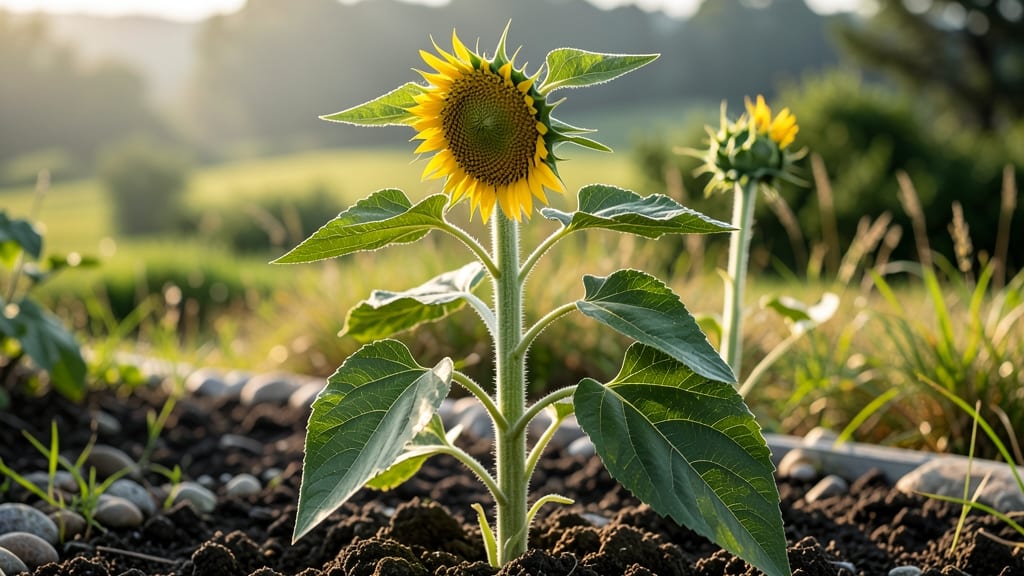
Sunflower leaf identification just got easier—because spotting fungal spots in seconds saves your whole crop. 🌻 The first sign of trouble often hides in the leaves: powdery white dust, rusty orange patches, or tiny holes where pests have been feasting.
Knowing these key traits means you can act fast before the whole plant wilts.
Healthy sunflower leaves are deep green, broad, and slightly fuzzy on the underside—like a giant, velvety hand. But watch for powdery mildew (white, dusty spots) or rust (orange, pustule-like bumps), both of which spread like wildfire if ignored.
Aphids leave sticky residue, while beetles chew jagged edges that look like someone took a bite out of your plants.
Here’s the game-changer: flip the leaf—that’s where fungal spores love to hide. If you spot anything suspicious, isolate the plant immediately and spray with a mix of water and neem oil (1 tsp per quart).
Most issues clear up in 3-5 days if you catch them early—no fancy tools required.
This works for any sunflower variety, from towering giants to dwarf types. The key is acting fast—because once those spots take hold, your harvest (and your patience) will be at risk. Let’s get those leaves looking healthy again!
Root Causes of Leaf Problems
Sunflower leaves don’t just develop spots or deformities out of the blue—there are usually clear, science-backed reasons behind their distress. Understanding these causes helps you diagnose issues faster and take action before they spread.
Below, we break down the real culprits behind sunflower leaf abnormalities, from environmental stressors to microscopic invaders.
Sunflowers thrive in warm climates, but when temperatures swing too drastically—whether too hot or too cold—they react with visible stress.
- Heat Stress (🔥) - Why it happens: Sunflowers wilt or develop yellowing (chlorosis) when daytime temps exceed 90°F (32°C) for extended periods.
High heat disrupts chlorophyll production, leading to bleached or crispy leaf edges. - Actionable fix: Provide afternoon shade (e.g., shade cloth) and mulch to retain soil moisture. Water deeply in the early morning to reduce evaporation.
- Cold Damage (❄️)
- Why it happens: Temperatures below 50°F (10°C) slow growth, while frost causes blackened, mushy spots due to cell rupture. Young leaves are most vulnerable.
- Actionable fix: Use row covers for young plants and avoid planting in low-lying areas where cold air pools.
Too much or too little water throws sunflowers into chaos, inviting pests and diseases along the way.
- Overwatering (🌊) - Why it happens: Waterlogged soil cuts off oxygen, leading to root rot (caused by Fusarium or Phytophthora fungi). Leaves yellow, wilt, and develop brown, water-soaked patches. - Actionable fix: Ensure well-draining soil (sandy loam ideal) and space plants 18–24 inches apart for airflow.
Use drip irrigation to avoid foliar moisture.
- Underwatering (🏜️) - Why it happens: Sunflowers need 1–2 inches of water per week. Drought stress causes leaf curling, browning edges, and stunted growth as the plant conserves moisture. - Actionable fix: Monitor soil moisture with your finger—top 2 inches should be dry before watering.
Mulch heavily to retain humidity.
Microscopic pathogens are the #1 cause of sunflower leaf spots, thriving in damp, nutrient-rich environments.
- Powdery Mildew (🍄) - Why it happens: This fungal disease (Erysiphe cichoracearum) spreads in humid (70–80%+) conditions and low light.
Leaves develop white, powdery patches that turn brown and crispy. - Actionable fix: Space plants for airflow, avoid overhead watering, and apply baking soda spray (1 tsp baking soda + 1 quart water + few drops of soap) weekly.
- Alternaria Leaf Spot (🔍) - Why it happens: The Alternaria fungus thrives in warm, wet weather, creating dark brown/black concentric rings on leaves. Severe cases lead to defoliation. - Actionable fix: Rotate crops annually (avoid planting sunflowers in the same spot) and remove infected debris.
Copper fungicides can prevent outbreaks.
- Bacterial Leaf Spot (🧫)
- Why it happens: Bacteria like Pseudomonas syringae enter through wounds (e.g., hail damage) and cause water-soaked, yellow halos that expand into holes.
- Actionable fix: Sterilize pruners with rubbing alcohol, avoid splashing water on leaves, and remove infected plants immediately to prevent spread.
Insects don’t just eat leaves—they transmit diseases and create entry points for pathogens.
- Aphids (🐜) - Why it happens: These sap-sucking pests cluster on new growth, causing curling, sticky honeydew, and sooty mold (black fungus). Weakened leaves become prone to rot. - Actionable fix: Blast off aphids with a strong spray of water or introduce ladybugs (natural predators).
Neem oil (1 tbsp/quart water) disrupts their life cycle.
- Spider Mites (🕷️) - Why it happens: In dry, hot conditions, mites suck cell sap, causing yellow stippling and fine webbing on undersides.
Leaves turn bronze and drop prematurely. - Actionable fix: Increase humidity with pebble trays under pots and spray leaves with water + dish soap (1 tsp/quart).
Sunflowers are heavy feeders, and soil imbalances show up fast on leaves.
- Nitrogen Deficiency (💚)
- Why it happens: Leaves turn pale yellow (chlorotic) starting from the oldest leaves. This happens when soil lacks organic matter or has poor microbial activity.
- Actionable fix: Amend soil with compost or apply a balanced fertilizer (10-10-10) at planting. Side-dress with alfalfa meal mid-season.
- Magnesium Deficiency (🍃)
- Why it happens: Interveinal chlorosis (yellowing between veins) signals low magnesium, often due to high soil pH or over-fertilization with nitrogen.
- Actionable fix: Apply Epsom salt (1 tbsp/gallon water) as a foliar spray or work dolomitic lime into the soil to lower pH.
Pro Tip: 💡 Always check the undersides of leaves first—this is where early signs of pests and fungi hide!
Quick Fixes for Sunflower Leaf Issues
Sunflower leaves can show signs of distress in many ways—whether it’s fungal spots, pest damage, or nutrient deficiencies—but most problems have straightforward fixes. Below, we’ll break down the most common issues and how to tackle them, plus tips to keep your sunflowers thriving.
Fungal infections are the most common culprits behind discolored or spotted sunflower leaves. Here’s how to treat and prevent them:
🔥 Remove Infected Leaves Immediately
- How: Snip off severely spotted leaves with clean scissors or pruners.
- Why: Prevents spores from spreading to healthy foliage.
- Pro Tip: 💡 Avoid composting infected leaves—dispose of them in the trash instead.
🍳 Apply Fungicide (Organic or Chemical)
- How:
- Neem oil spray (1 tsp neem oil + 1 tsp mild soap + 1 quart water) – spray early morning or evening.
- Baking soda solution (1 tsp baking soda + 1 quart water + a drop of dish soap) – great for powdery mildew.
- Copper fungicide (follow label instructions) for severe cases.
- When: Apply every 7–10 days until new growth appears healthy.
🌡️ Improve Air Circulation & Reduce Moisture
- How:
- Space plants 12–18 inches apart to allow airflow.
- Water at the base (not overhead) to keep leaves dry.
- Prune nearby plants or structures blocking airflow.
✨ Prevention Tips for Future Seasons
- Rotate crops—don’t plant sunflowers in the same spot yearly.
- Choose resistant varieties (e.g., ‘Mammoth’ or ‘Russian Giant’).
- Plant in full sun (6+ hours daily) to strengthen natural defenses.
Pests can chew holes, yellow leaves, or leave sticky residue. Here’s how to evict them:
👨🍳 Blast Off Pests with Water
- How: Use a strong hose spray to knock off aphids and spider mites.
- Best Time: Early morning so leaves dry quickly.
🥘 Introduce Beneficial Insects
- Ladybugs, lacewings, or parasitic wasps eat aphids naturally.
- How: Buy them from garden centers or attract them with dill, fennel, or marigolds.
🔪 Use Insecticidal Soap (Safe & Effective)
- How: Mix 2.5 tbsp castile soap + 1 quart water, spray directly on pests.
- When: Apply in the early morning or late evening (avoid direct sun).
🎯 Prevention: Keep Garden Healthy
- Remove weeds (they harbor pests).
- Interplant with herbs (basil, mint, or thyme repel insects).
- Inspect new plants before bringing them home.
Sunflowers need nitrogen, phosphorus, and potassium to stay strong. Here’s how to fix deficiencies:
| Symptom | Possible Cause | Solution |
|---|---|---|
| Yellow lower leaves | Nitrogen deficiency | Apply blood meal or compost tea. |
| Purple stems/leaves | Phosphorus deficiency | Use bone meal or rock phosphate. |
| Brown leaf edges | Potassium deficiency | Add wood ash or potassium sulfate. |
| Stunted growth | General weak soil | Balanced fertilizer (10-10-10) at planting. |
🌱 Soil Test First (Best Practice)
- How: Send a soil sample to your local cooperative extension for a test (~$20).
- Why: Ensures you’re fixing the real problem, not guessing.
🥗 Organic Boosts for Fast Results
- Epsom salt (magnesium): 1 tbsp per gallon of water (for yellowing between veins).
- Banana peel tea (potassium): Soak peels in water for 2 days, strain, and water plants.
- Water deeply but infrequently (1–2 inches per week).
- Mulch around plants (straw or grass clippings) to retain moisture and block weeds.
- Monitor regularly—catch issues early before they spread!
By following these steps, your sunflowers should bounce back quickly—and stay healthy for their full, sun-soaked glory. 🌻✨
Frequently asked questions
How can I tell if my sunflower leaves are healthy?
Healthy sunflower leaves are deep green, broad, and slightly fuzzy on the underside. Look for no spots, holes, or discoloration—they should feel firm to the touch. The edges should be smooth, not jagged or curled. Always check the undersides first, as that's where early signs of pests and fungi often hide.
What do those white powdery spots on my sunflower leaves mean?
Those white powdery spots are almost always powdery mildew, a common fungal disease. It thrives in humid conditions and looks like dust on the leaves. To treat it, space your plants further apart for better airflow, avoid overhead watering, and spray with a baking soda solution (1 tsp baking soda + 1 quart water + a drop of soap) weekly.
Why are my sunflower leaves turning yellow?
Yellowing leaves usually signal a nutrient deficiency or overwatering. If the yellowing starts on older leaves, it's likely a nitrogen deficiency—fix it with compost or a balanced fertilizer. If new leaves are yellowing, check for root rot from overwatering. Always ensure your soil drains well and water only when the top 2 inches are dry.
Are those small holes in my sunflower leaves caused by pests?
Yes, those holes are most likely from beetles or caterpillars feeding on your leaves. To remove them, blast the leaves with a strong spray of water or use insecticidal soap (2.5 tbsp castile soap + 1 quart water). For prevention, interplant with herbs like basil or thyme, which repel many pests.
Can I still harvest sunflowers if the leaves have spots?
You can still harvest sunflowers with spotted leaves, but focus on young, healthy buds that haven't been heavily affected. Fungal spots rarely spread to the flower heads, but avoid eating leaves with severe damage. For best results, treat the plants first and harvest once they've recovered.