
Size
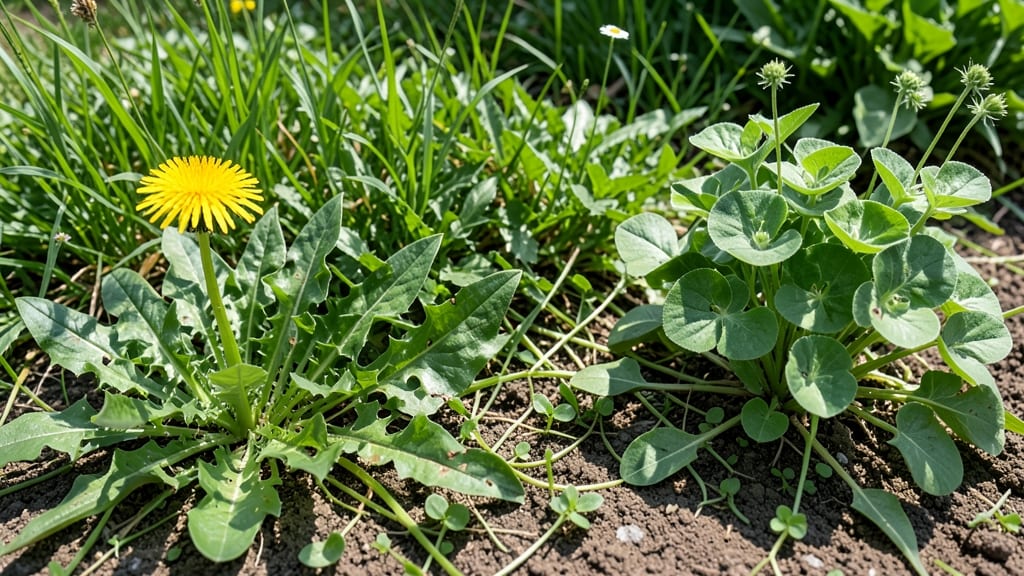
Tall broadleaf weeds can turn a well-tended garden into a tangled mess in just a few weeks. 🌿 I’ve battled them for years—first with brute force, then with smarter tactics—and now I’m sharing the precision method that actually works.
This isn’t about quick fixes; it’s about targeted removal that protects your plants while keeping weeds from staging a comeback.
The key lies in timing and technique: cutting weeds at the base when they’re young (before seeds form) and using spot treatments—whether organic or chemical—to avoid harming your garden.
I’ll show you how to identify the worst offenders (like dandelions and thistles) and when to strike for maximum impact. No more wasted effort on regrowth.
By the end, you’ll have a cleaner, healthier garden with fewer weeds and more space for what you want to grow. The method works in vegetable beds, flower borders, and even lawn edges—no matter how stubborn the weeds seem.
Let’s get started with the tools and steps that actually make a difference.
Safety and sustainability are built into every step, so you can tackle weeds without guilt or risk. Whether you prefer vinegar sprays, targeted herbicides, or manual tools, this guide gives you the precision to win the war—not just the battle. Ready to reclaim your garden?
Root Causes Of Unwanted Growth
Tall broadleaf weeds don’t just pop up by accident—they thrive because of specific environmental and human factors. Understanding these causes is the first step to stopping them before they take over. Here’s why they become a problem in the first place.
Weeds like dandelions, lambsquarters, and pigweed flourish when soil lacks proper balance. Over time, compacted, nutrient-depleted, or overly moist soil creates the perfect breeding ground for fast-growing broadleaf species. Here’s how it happens:
- Low organic matter: Soil without compost or decomposed plant material lacks the nutrients weeds need to compete with desirable plants. Instead of starving them out, you’re giving them a head start.
- Improper pH levels: Broadleaf weeds often dominate when soil pH is too high (alkaline) or too low (acidic). For example, chickweed thrives in acidic conditions, while mallow prefers slightly alkaline soil.
- Excess nitrogen: Fertilizer runoff or over-application of nitrogen-rich amendments (like manure) can spur rapid weed growth, as broadleaf species respond aggressively to available nutrients.
💡 Pro Tip: Test your soil’s pH and nutrient levels before treating. Adjusting soil health—through compost, lime, or sulfur—can weaken weeds naturally before they reach waist height.
Broadleaf weeds are opportunistic—they seize any advantage in sunlight, water, and temperature. Here’s how climate and timing play into their dominance:
| Factor | How It Helps Weeds | Actionable Fix |
|---|---|---|
| Full sun exposure | Weeds like ragweed and bindweed grow taller and faster in direct sunlight, outcompeting slower-growing plants. | Use shade cloth or plant dense ground covers to block light early in the season. |
| Moisture stress | Drought or overwatering creates gaps in lawns/beds, giving weeds like plantain room to spread roots and seeds. | Improve drainage and water deeply but infrequently to discourage shallow-rooted weeds. |
| Warm-season dominance | Most broadleaf weeds (e.g., smartweed) germinate in spring and explode in summer heat, peaking when desirable plants are still struggling. | Apply pre-emergent herbicides in early spring (before soil temps hit 55°F) to interrupt germination. |
⚠️ Warning: Weeds like henbit and garlic mustard are cool-season invaders—they germinate in fall and overwinter, so don’t ignore early-season growth!
Any disruption to your landscape—whether natural or human-made—gives weeds a foothold. Here’s how:
- Soil tilling or aeration: Turning soil exposes buried weed seeds (some stay dormant for decades) and disturbs root systems, triggering regrowth.
- Thinning or dead plants: Gaps in gardens or lawns let sunlight hit bare soil, prompting prostrate weeds (e.g., clover, spurge) to spread rapidly.
- Construction or erosion: Bare patches from grading, foot traffic, or heavy rain create prime real estate for fast-spreading weeds like purslane.
🔥 Prevention Tip: Mulch bare soil with 3–4 inches of wood chips or straw to block light and smother weeds before they germinate. For lawns, overseed thin areas in fall to outcompete weeds.
Over-reliance on certain herbicides or inconsistent application can backfire, creating superweeds resistant to treatment. Here’s how:
- Selective herbicide misuse: Spraying 2,4-D (common for broadleaf control) too late in the season can leave weeds partially killed but still seed-producing, worsening future infestations.
- Grass monocultures: Lawns treated repeatedly with glyphosate (e.g., Roundup) may develop palmer amaranth or horseweed, which evolve resistance.
- Fungicide overuse: Some fungicides disrupt soil microbes, reducing natural weed suppression and allowing pathogen-prone weeds (e.g., milkweed) to thrive.
🎯 Solution: Rotate herbicide active ingredients annually and combine chemical + mechanical methods (like mowing or hand-pulling) for resilience.
Tame Unwanted Leafy Invaders
Tall broadleaf weeds aren’t just an eyesore—they steal nutrients, block sunlight, and can even choke out your prized plants. The good news? You don’t need a chemistry degree or heavy machinery to reclaim your space.
Below, we’ve mapped out practical, step-by-step solutions tailored to the root causes of your leafy takeover, plus pro tips to keep them from staging a comeback.
If your weeds thrive because they’re competing for space and nutrients, physical removal + prevention is your best bet.
How to Fix It:
- 🔥 Pull Early, Pull Often
- Grab weeds at their base (roots and all) when soil is moist—this makes them easier to remove. Use gloves or a weed puller tool for stubborn roots.
- Pro Tip: 💡 Target weeds before they seed (usually when they’re knee-high or smaller). One missed seed head = hundreds of new weeds next season.
- 🛡️ Mulch Like a Pro
- Spread 3–4 inches of organic mulch (straw, wood chips, or shredded leaves) around plants to block sunlight and smother weed seeds.
- Avoid piling mulch against tree trunks—this can trap moisture and invite rot.
- 🌡️ Solarize Problem Spots (For Bare Soil)
- Lay clear plastic sheeting over weed-infested areas for 4–6 weeks in hot sun. The trapped heat kills weeds and seeds.
- Best for: Driveways, sidewalks, or empty garden beds.
If weeds persist despite manual efforts, targeted herbicides can help—but use them strategically to avoid harming your plants.
How to Treat It:
- 🔪 Choose the Right Herbicide
- Selective herbicides (e.g., 2,4-D, dicamba) kill broadleaf weeds without harming grasses. Perfect for: Lawns.
- Non-selective herbicides (glyphosate) wipe out everything—use only on bare soil or areas you’re clearing (like driveways).
- Safety First: 🎯 Always read labels! Wind or overspray can damage nearby plants.
- 👨🍳 Timing Is Everything
- Spray weeds on a dry, calm day when temps are 60–85°F. Early morning or late afternoon works best.
- Pro Tip: 🌡️ Avoid spraying in extreme heat—it can stress plants and reduce effectiveness.
- 💦 Spray Smart, Not Hard
- Use a hose-end sprayer or backpack sprayer for even coverage. Focus on leaves (herbicides are absorbed through foliage).
- For stubborn weeds: Apply a second treatment 7–10 days later if needed.
The best offense is a good defense. Stop weeds before they start with these low-effort habits:
- 🌱 Plant Strategically
- Fill empty spaces with ground covers (clover, creeping thyme) or dense perennials to outcompete weeds.
- Example: 🌿 Hostas or ferns shade out weeds naturally in shady areas.
- 🧹 Keep It Clean
- Rake up leaves and debris regularly—weeds love hiding in mulch and leaf litter.
- Quick Fix: 🔥 Drag a stiff broom over garden beds weekly to uproot tiny weeds before they grow.
- 🚜 Tilling? Think Twice
- Tilling buries weed seeds, which can hatch later. Instead, hand-pull or use a hula hoe to cut weeds at the soil line.
- 💧 Water Wisely
- Weeds thrive in overwatered soil. Use drip irrigation or soaker hoses to target plants only and keep weeds dry.
Stock up on these game-changers for stubborn broadleaf weeds:
| Tool | Best For | Pro Tip |
|---|---|---|
| Weed Torch | Driveways, sidewalks, cracks | Use in dry conditions only! |
| Hula Hoe | Cutting weeds at the base | Works great for large garden beds |
| Vinegar Spray | Non-selective spot treatment | Mix 1 gallon vinegar + 1 tbsp dish soap for extra stickiness |
| Boiling Water | Cracks in pavement or small patches | Pour directly on weeds (best for tiny infestations) |
Final Reminder: Consistency is key! Weeds don’t disappear overnight, but with regular maintenance, you’ll reclaim your space—without the backbreaking work. Start small, stay vigilant, and soon you’ll wonder how those leafy invaders ever took over in the first place. 🚀
Frequently asked questions
What’s the best time of year to tackle tall broadleaf weeds?
For maximum effectiveness, target weeds in early spring (before they seed) or late summer (after flowering). Cool-season weeds like henbit germinate in fall, so treat them in early spring before they spread. Warm-season weeds peak in summer—cut them down when young to prevent seed production.
Can I use vinegar to kill tall broadleaf weeds without harming my plants?
Only use vinegar as a spot treatment on weeds growing in bare soil or between pavers. Mix 1 gallon vinegar + 1 tbsp dish soap and apply on a dry day. Avoid spraying near desirable plants—vinegar’s acidity can damage foliage. For gardens, use a targeted spray nozzle to minimize drift.
Why do my weeds keep coming back after I pull them?
Weeds often regrow because their roots fragment or because you missed seed heads that produce new plants. Always pull weeds at the base and check for remaining root pieces. For persistent weeds, try solarization (covering soil with plastic for 4–6 weeks) or apply a pre-emergent herbicide in early spring to block new growth.
Are there any organic tools that work better than herbicides for tall weeds?
Yes! A hula hoe or weed torch (for driveways) cuts weeds at the base without chemicals. For stubborn weeds, try boiling water or a corn gluten meal pre-emergent (blocks seed germination). Mulching with cardboard + wood chips also smothers weeds over time. Combine methods for best results.
How do I know if a tall plant is a weed or a beneficial plant?
Check for seed heads (weeds produce lots of them) and whether it’s crowding your plants. Beneficial plants like comfrey or clover have deep roots that improve soil. Use a weed ID app or consult a local extension office if unsure. When in doubt, pull it—most garden weeds are invasive.