
Size
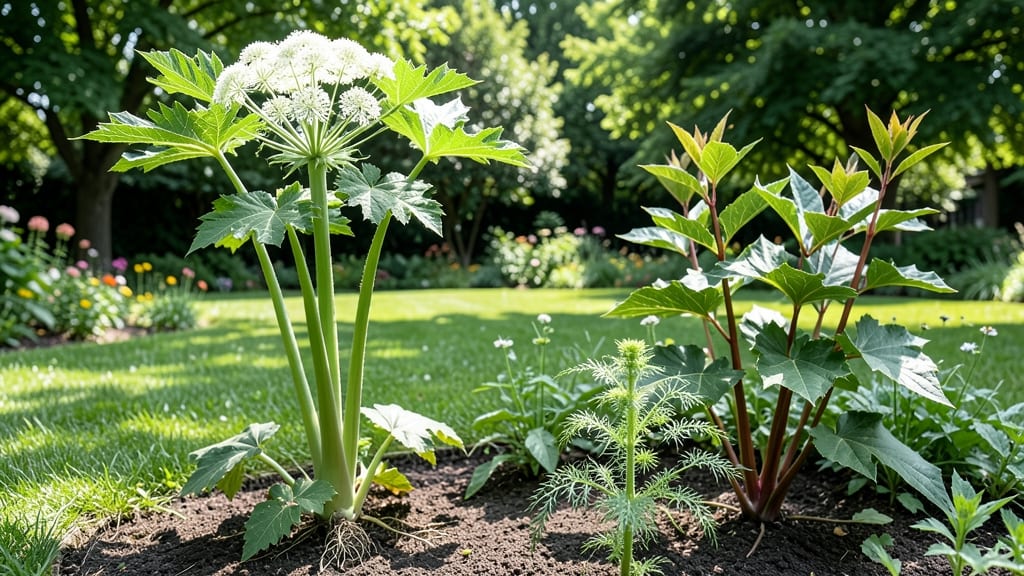
Those towering tall large-leaf weeds aren’t just nuisances—they’re nutrient-packed greens that could replace your grocery store spinach. 🌿 I’ve been harvesting them for years, and once you taste their peppery bite, you’ll never buy bland store-bought again.
The key is knowing which ones are safe to eat and how to manage them without losing your garden to them.
Common culprits like lamb’s quarters (tastes like spinach) and dock (great cooked) thrive in disturbed soil, popping up where you least expect them. The good news? They grow faster than most weeds, making them easy to pull before they spread.
A sharp hoe or gloved hands work best—just be sure to remove the roots completely to stop regrowth.
You’ll end up with a steady supply of free, organic greens that outshine anything you can buy. Plus, your garden beds stay cleaner when you turn these "weeds" into meals.
The secret is timing: harvest young leaves in spring for the tenderest texture, or let them mature for heartier greens in fall.
Works in any garden, from backyard plots to container edges. Here’s how to keep them under control while enjoying their benefits—no chemicals needed.
Root Causes Of Overgrowth
When your garden becomes a jungle of tall, broad-leaved greens that seem to take over faster than you can say "harvest," there’s usually a mix of environmental and human factors at play.
Understanding these triggers helps you regain control—and even turn the problem into an advantage. Here’s why these hardy plants grow so aggressively, and what’s really fueling their expansion.
Tall, leafy weeds—like lamb’s quarters, amaranth, or even wild mustard—thrive when soil stays damp for too long. Overwatering or clay-heavy, compacted soil prevents proper drainage, creating the perfect conditions for these fast-growing plants to sprout and spread.
- Why it happens: Weeds often have shallow root systems that absorb water quickly. If your soil can’t shed excess moisture, they’ll outcompete slower-growing crops or lawn grass.
- Actionable fix:
- Test your soil’s drainage by digging a 6-inch hole, filling it with water, and timing how long it takes to drain. If it’s slower than 4 hours, amend with compost or perlite.
- Water deeply but infrequently—aim for 1–1.5 inches per week—to encourage deeper root growth in your desired plants while stressing out weeds.
If your garden soil is packed with organic matter or fertilizer, you’ve essentially given weeds a growth steroid. These nutrient-hungry plants—especially edible ones like dandelion greens or purslane—soak up nitrogen, phosphorus, and potassium faster than most crops, leading to rapid, towering growth.
- Why it happens: Weeds often have broader leaves and more efficient photosynthesis than cultivated plants. They’ll dominate if the soil is over-fertilized, especially with nitrogen-heavy amendments (like fresh manure or synthetic fertilizers).
- Actionable fix:
- Use slow-release fertilizers or compost tea to feed soil gradually, giving your crops time to establish roots before weeds take over.
- Try mulching with straw or wood chips to block sunlight (which weeds need) while retaining moisture for your desired plants.
Full sun (6+ hours daily) is a double-edged sword—it helps your vegetables thrive but also gives fast-growing, sun-loving weeds the energy to shoot up like weeds (literally). Plants like milkweed or bindweed use sunlight to produce extra chlorophyll, fueling their rapid vertical growth.
- Why it happens: Weeds often have higher photosynthetic efficiency than crops, meaning they convert sunlight into biomass faster. If your garden is in a hot, sunny microclimate, they’ll outpace everything else.
- Actionable fix:
- Use shade cloth (30–50%) over seedling beds to slow weed germination while protecting young plants.
- Plant dense ground covers (like clover or living mulch) to compete with weeds for sunlight.
Every time you till, dig, or even walk on garden soil, you’re inviting weeds. Their seeds lie dormant in the soil bank for years—sometimes decades—until the top layer is disrupted. Once exposed to light and air, they germinate in mass numbers, leading to those familiar towering patches.
- Why it happens: Weed seeds are light-sensitive. When you disturb soil, you’re essentially broadcasting a “germinate now” signal to thousands of seeds at once.
- Actionable fix:
- Switch to no-till gardening or use a broadfork to loosen soil without flipping it over.
- Apply a thick layer of cardboard or newspaper (4+ sheets) topped with mulch to smother weeds without tilling.
Pro Tip: 💡 Some of these “weeds” (like amaranth or dandelions) are edible powerhouses—so before pulling, check if they’re nutritious additions to your diet! Learn to identify the good from the bad.
Taming Towering Leafy Greens
Now that you know why your garden might be overrun with tall, broad-leaved greens, let’s turn those wild patches into a thriving, manageable harvest. Whether you’re dealing with rampant growth, invasive spread, or just overzealous plants, these targeted solutions will help you regain control—without sacrificing flavor or yield.
If your leafy greens are shooting up taller than your expectations (or your fence!), the first step is selective pruning. Tall, leggy plants often signal a need for more frequent harvesting or better sunlight. Here’s how to trim them back without stressing the plant:
- 🔪 Harvest Strategically
- Snip leaves from the bottom up, leaving at least 2–3 inches of stem to encourage bushier regrowth.
- Aim for outer leaves first—this prevents shading inner leaves and keeps the plant compact.
- Pro tip: 💡 Use clean, sharp scissors or shears to avoid tearing leaves, which can invite pests.
- 🌞 Boost Light Exposure
- Thin out crowded plants to 2–3 feet apart (depending on the variety) to improve airflow and sunlight penetration.
- If growing in containers, rotate pots weekly to ensure even light distribution.
- Warning: ⚠️ Avoid overcrowding—this stresses plants and makes them more susceptible to disease.
- 🌱 Mulch to Manage
- Apply 2–3 inches of organic mulch (straw, grass clippings, or shredded leaves) to suppress weeds and retain moisture.
- Mulch also slowly decomposes, adding nutrients to the soil and reducing the need for tall, nutrient-seeking shoots.
If your greens are creeping beyond their intended space, they might be bolting (flowering prematurely) or self-seeding aggressively. Here’s how to contain them:
- 🌿 Prevent Bolting - Harvest consistently—overmature leaves trigger flowering in many greens like Swiss chard or malabar spinach. - Avoid stress: Extreme heat, drought, or poor soil can push plants to bolt.
Keep soil moist and well-amended. - Hot tip: 🌡️ For heat-sensitive varieties, provide afternoon shade during peak summer months.
- 🌱 Contain Self-Seeders
- Deadhead flowers before they go to seed by pinching off blooms with your fingers or shears.
- Isolate aggressive seeders (like lamb’s quarters) in containers if they spread too easily.
- Pro tip: ✨ Save seeds from your best plants for next season—this ensures you’re growing the most flavorful, hardy varieties.
Tall, dense leafy greens attract pests like aphids, slugs, and fungal issues. Keep your plants healthy with these defenses:
- 🐜 Natural Pest Control
- Handpick pests early in the morning when they’re sluggish (drop them in soapy water).
- Introduce beneficial insects: Ladybugs, lacewings, and nematodes prey on common garden pests.
- Spray alternative: 🌿 Mix 1 tsp neem oil + 1 tsp dish soap + 1 quart water for a gentle, organic repellent.
- 🍃 Fungal Prevention
- Water at the base (not overhead) to keep leaves dry and reduce mildew risk.
- Space plants properly for airflow—crowded greens trap humidity, inviting fungal growth.
- Emergency fix: 🔥 If mildew appears, spray with a baking soda solution (1 tbsp baking soda + 1 quart water + a drop of soap).
Once you’ve got your garden under control, keep it thriving with these low-maintenance habits:
- 📅 Plant in Successions: Instead of one massive batch, sow small amounts every 2–3 weeks for a steady, manageable harvest.
- 🌱 Choose Compact Varieties: Opt for dwarf or bush-type greens (like ‘Bright Lights’ chard or ‘Baby Leaf’ malabar spinach) if space is limited.
- 💡 Soil Matters: Amend soil with compost or worm castings before planting—healthy soil = strong, slow-growing plants.
- 🌿 Companion Planting: Pair greens with onions, garlic, or herbs (like basil) to deter pests naturally.
By combining regular harvesting, smart spacing, and proactive care, you’ll transform those unruly tall greens into a bountiful, easy-to-manage crop—far superior to anything you’d find in a store. Happy gardening! 🌿🍃
Frequently asked questions
Are tall large-leaf weeds always bad for my garden?
Not at all! Many so-called "weeds" like lamb's quarters and dandelions are edible and packed with nutrients. They often grow faster than cultivated plants, making them great for quick harvests. The key is distinguishing between edible varieties and toxic lookalikes—always check leaf shape and growth patterns before consuming.
How do I tell if a large-leaf plant is a weed or a beneficial plant?
Look at the leaf arrangement and stem structure. Weeds often have alternate leaves (one per node) while many vegetables have opposite leaves (paired at nodes). Check for flowers—weeds frequently produce small, abundant blooms while edible plants often have larger, showier flowers. When in doubt, research the plant's growth habit before pulling.
What's the best time of year to manage these weeds?
Early spring and late fall are ideal for control. In spring, weeds are young and easier to pull before they establish deep roots. In fall, their growth slows as temperatures drop, making them less competitive. Avoid managing during peak summer heat when weeds grow most aggressively and soil is hardest to work.
Can I use vinegar to kill large-leaf weeds?
Yes, but with caution. A 20% vinegar solution (1 part vinegar to 4 parts water) works best on young weeds. Spray directly on leaves (avoid desirable plants) and reapply after rain. For large, established weeds, you may need to treat multiple times. This method kills plants quickly but doesn't improve soil quality like organic removal methods.
Why do these weeds keep coming back even after I pull them?
Most likely, you're not removing the entire root system. Many large-leaf weeds have deep taproots or creeping rhizomes. Use a digging fork to get the whole root, or try a mulch barrier (cardboard + straw) to block sunlight and prevent regrowth. Even a small root fragment can regenerate into a new plant.