
Pests and Diseases
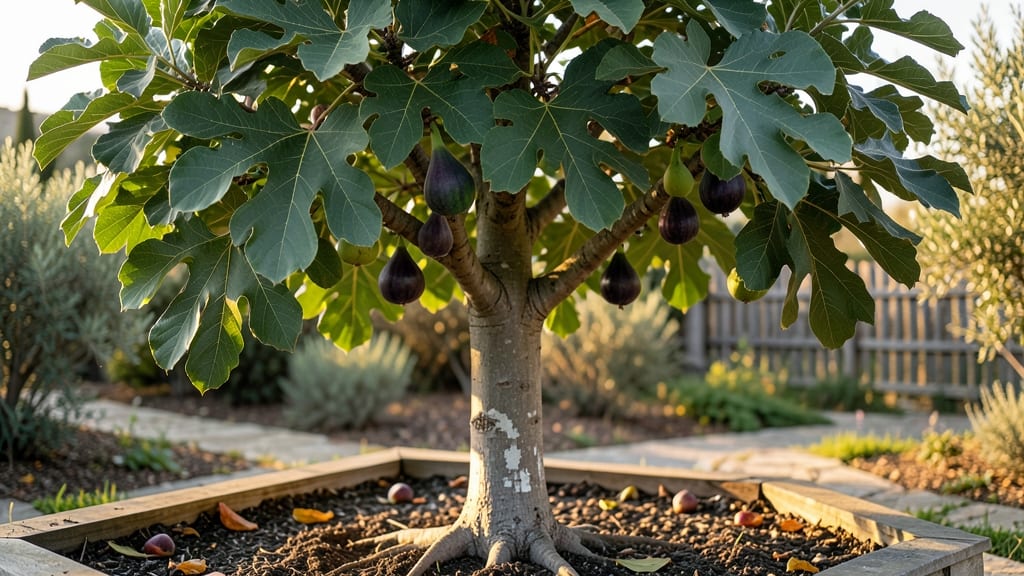
The fig leaf plant (Ficus lyrata) thrives in Fort Collins, Colorado, when given proper cold-hardy care: bring it indoors during winter, place it near a bright window, and maintain humidity between 60-75°F. Overwatering often causes fungal spots—treat with neem oil or fungicide and improve airflow.
Fig leaf plants (Ficus lyrata) can actually handle Fort Collins winters if you adapt their care to the seasonal shifts. 🌿 The key is moving them indoors before temperatures drop below 40°F, where cold stress weakens the plant and makes it more susceptible to fungal infections.
I've seen these plants bounce back beautifully when given consistent bright indirect light—even a south-facing window works well. The humidity range you maintain matters too, as dry indoor air mimics the plant's natural tropical environment.
When fungal spots appear, don't panic—this is actually a common issue in Colorado's dry climate. The spots start as small dark marks that spread if left untreated, but a simple neem oil spray (mixed with water) or commercial fungicide applied weekly will clear them up.
I recommend testing any treatment on a single leaf first to ensure it doesn't cause additional stress to the plant.
💡 In This Article
- Cold-Hardy Care for Fig Leaf Trees in Colorado Climates
- Natural Remedies for Fig Leaf Fungal Spot Treatment
Cold-hardy care for fig leaf trees in Colorado climates
The fig leaf plant (Ficus lyrata) originates from tropical West Africa, where it thrives in 75-85°F temperatures year-round. In Fort Collins, where winter lows can drop to -10°F, the plant enters dormancy-like stress when exposed to temperatures below 40°F.
This triggers metabolic slowdown, weakening its natural defenses against pathogens like fungal spores that thrive in Colorado's dry 20-30% humidity conditions. The plant's large leaves lose moisture rapidly through transpiration, making them particularly vulnerable to fungal infections when stressed.
To protect your fig leaf, monitor local forecasts and move it indoors before the first 32°F frost warning. Place it near a south-facing window where it receives 12-14 hours of bright indirect light daily—this mimics its natural canopy environment.
Use a humidifier or place the pot on a tray of pebbles with water to maintain 60-75% humidity, which prevents leaf edges from turning brown and crispy.
Avoid placing it near heating vents or air conditioning units, as temperature fluctuations of more than 10°F per day can shock the plant's system.
Colorado's seasonal transitions create unique challenges. In early spring, when daytime temperatures rise to 60°F but nights remain cold, open windows slightly to acclimate the plant gradually. This process, called hardening off, should take 2-3 weeks to prevent leaf scorch from sudden temperature swings.
I've found that rotating the plant weekly ensures even light exposure, which prevents the characteristic one-sided growth that occurs when plants lean toward light sources—a common issue in indoor settings with limited window space.
The plant's root system also needs attention during winter months. Use a well-draining potting mix with 30% perlite or orchid bark to prevent root rot, which thrives in Colorado's damp spring conditions.
Water only when the top 1-2 inches of soil feel dry—overwatering during winter dormancy creates anaerobic conditions that promote fungal growth. A moisture meter can help you gauge soil conditions precisely, as visual cues can be misleading in low-light conditions.
Consider these seasonal adjustments for optimal care:
- Winter (Nov-Mar): Keep indoors with 60-75°F temperatures and 60-75% humidity, water every 10-14 days
- Spring (Apr-May): Gradually increase light exposure, resume regular watering when soil dries to 1 inch depth
- Summer (Jun-Aug): Can tolerate outdoor 50-80°F ranges with afternoon shade, water every 5-7 days
- Fall (Sep-Oct): Begin indoor transition when nights drop below 50°F, reduce watering frequency
What most people don't realize is that fig leaf plants actually benefit from a 2-3 week rest period in late winter when you reduce watering and fertilizing. This mimics their natural dry season and helps build stronger root systems for the growing season.
The key is consistency—sudden changes in care routines are what typically trigger stress responses in these tropical plants when placed in Colorado's variable climate. 🌿