
Plants
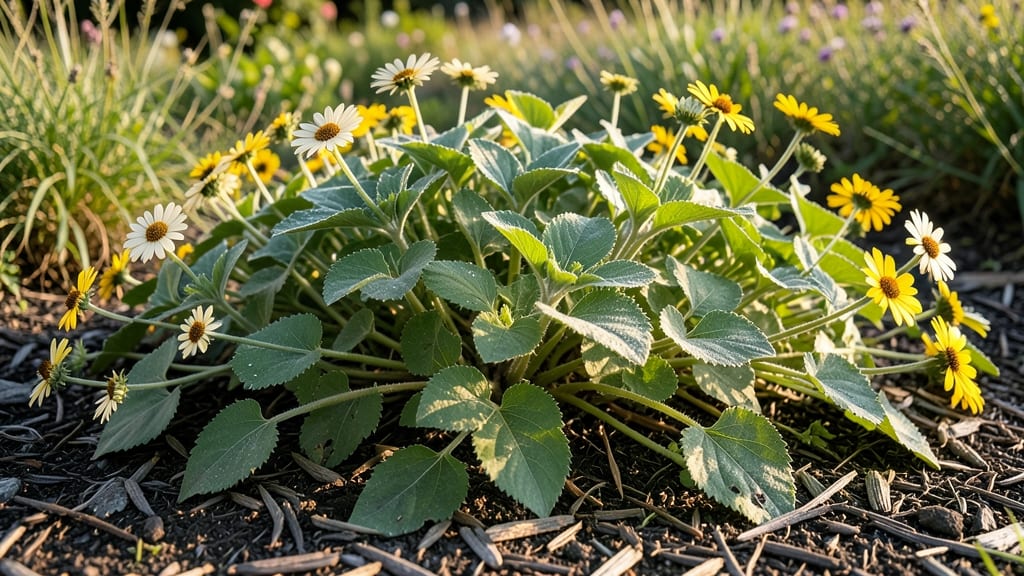
Growing a three-pointed leaf vine means instant tropical drama in any space. 🌿 This fast-spreading climber transforms bare walls or shelves into lush green waterfalls with its striking, arrow-shaped leaves—no fancy skills required. The secret lies in mimicking its natural jungle habitat with bright, indirect light and consistently moist soil.
Start with a simple 4-inch pot and well-draining potting mix. Propagate effortlessly by snipping healthy stems and rooting them in water—new plants appear in just 2-3 weeks.
Let it climb a trellis or cascade from a hanging basket, and you’ll have a year-round green statement piece that thrives indoors or in shaded outdoor spots. The payoff? Velvety, deep-green foliage that stays vibrant all season, even in low-light rooms.
Pinch back leggy growth to encourage bushier vines, and watch it recover from minor pests like spider mites with a quick wipe-down of leaves. Perfect for beginners, small spaces, or anyone craving a foolproof plant that grows fast and looks impressive. Let’s get those vines climbing!
Why it happens
Understanding why your fast-growing climber like the three-pointed leaf vine (or Paederia foetida) might be underperforming—or worse, failing entirely—starts with identifying the root causes. This resilient vine can spread rapidly, but environmental stressors, care missteps, and even hidden pests can derail its growth.
Let’s break down the science behind the most common issues and how to spot them early.
Three-pointed leaf vines thrive in USDA Hardiness Zones 10-11, meaning they’re sensitive to frost and cold drafts. When temperatures dip below 50°F (10°C), growth slows dramatically, and prolonged exposure can kill the plant.
Conversely, heatwaves above 95°F (35°C) without adequate hydration stress the vine, causing leaf scorch or wilting.
Why it happens:
- Cold shock: Freezing temps rupture cell membranes, leading to brown, mushy leaves or stem dieback. The vine’s tropical origins mean it lacks cold-hardiness adaptations like deciduous vines.
- Heat stress: High temps increase transpiration rates (water loss through leaves), outpacing root absorption. Without moisture, chlorophyll breaks down, turning leaves yellow or crispy at the edges.
- Poor airflow: Stagnant, humid air (common in greenhouses or dense foliage) traps heat, creating a microclimate that encourages fungal diseases like powdery mildew.
Actionable fix:
- Mulch heavily (3–4 inches of organic mulch) to insulate roots in cooler months.
- Provide afternoon shade in scorching climates with sheer curtains or lattice.
- Use frost cloths in marginal zones, securing them loosely to allow airflow.
This vine’s aerial roots (which cling to surfaces) and thick stems suggest it prefers consistent moisture but hates soggy soil. Overwatering suffocates roots by displacing oxygen, while poor drainage leads to root rot, a fungal infection that turns stems black and mushy.
Why it happens:
- Waterlogged soil: Roots in anaerobic (oxygen-deprived) conditions produce ethanol as a byproduct, which is toxic to the plant. The vine’s fast growth demands oxygen-rich soil to sustain its vigorous spread.
- Compacted soil: Heavy clay or tightly packed garden soil prevents water from draining, creating a perched water table that drowns roots.
- Pot-bound stress: Container-grown vines with no drainage holes trap excess water, accelerating rot.
Actionable fix:
- Test soil moisture by sticking your finger 2 inches deep—water only when dry. Aim for 1–1.5 inches of water per week, adjusting for rain.
- Amend soil with perlite or coarse sand (20–30%) to improve drainage. For containers, use a mix of 60% potting soil, 20% perlite, and 20% orchid bark.
- Elevate pots to prevent water pooling, and ensure containers have drainage holes + a cache pot underneath.
While three-pointed leaf vines are adaptable, they crave nitrogen for leafy growth and phosphorus for root development. Deficiencies show up as yellowing leaves, stunted vines, or weak stems—often mistaken for watering issues.
Why it happens:
- Nitrogen (N) deficiency: Leaves turn pale yellow (chlorotic) starting from the oldest leaves. This happens when soil lacks organic matter or if the vine outgrows available nutrients.
- Phosphorus (P) deficiency: Dark green or purple-tinged leaves with slow growth indicate poor root energy. Common in calcareous (alkaline) soils, where phosphorus binds and becomes unavailable.
- Potassium (K) deficiency: Weak stems, yellow leaf edges, and poor disease resistance occur when potassium levels drop. This is critical for the vine’s osmotic regulation (managing water uptake).
Actionable fix:
- Fertilize in stages:
- Spring (growth phase): Use a balanced 10-10-10 fertilizer every 4–6 weeks.
- Fall (root strengthening): Switch to a low-nitrogen, high-phosphorus (5-10-10) formula to encourage root development.
- Add compost or worm castings (rich in micronutrients) to the topsoil annually.
- Avoid over-fertilizing with nitrogen in late summer, which promotes tender new growth vulnerable to frost.
This vine’s glossy leaves and rapid growth make it a magnet for sap-sucking insects, which weaken the plant by blocking nutrient transport and spreading viruses.
Common culprits include: - Spider mites: Tiny red pests that create fine webbing on undersides of leaves, leading to stippling (white/yellow dots). - Scale insects: Bumpy, immobile pests that excrete honeydew, fostering sooty mold (a black fungal growth). - Whiteflies: Tiny white moths that cluster on new growth, causing yellowing and leaf drop.
Why it happens:
- Stressed plants attract pests: Drought, poor nutrition, or compacted soil weaken the vine’s defenses, making it easier for pests to latch on.
- Honeydew buildup: The sticky residue from sap-suckers traps dust and fungi, creating a cycle of decline.
- Overhead watering: Keeps foliage damp, encouraging mite and fungal growth.
Actionable fix:
- Inspect leaves weekly (especially undersides) for webbing, eggs, or pests. Knock the plant over to dislodge mites or use a strong stream of water.
- Neem oil spray (1 tsp neem oil + 1 quart water + drop of dish soap) applied every 5–7 days disrupts pest life cycles.
- Introduce beneficial insects: Ladybugs and lacewings prey on whiteflies and aphids. Release them in the early evening when temps are cool.
Three-pointed leaf vines are climbers by nature, and without proper vertical support, they become leggy, weak, and prone to breaking. Additionally, root-bound pots restrict growth, leading to small leaves, slow spread, and poor flowering.
Why it happens:
- Lack of trellis/lattice: Vines twist and stretch toward light, creating unbalanced growth and weak stems that snap in wind or rain.
- Root circling: When roots grow in tight circles around the pot, they strangle themselves, reducing water and nutrient uptake.
- Shallow planting: Burying the stem too deep encourages rot at the base while shallow planting leaves roots exposed to heat/drought.
Actionable fix:
- Install a sturdy trellis (wooden, metal, or bamboo) before planting. Train vines with soft ties (avoid wire, which can cut stems).
- Repot root-bound vines in spring, gently teasing out circling roots and trimming 1/3 of the oldest roots to encourage new growth.
- Plant at the right depth: The soil line should align with the base of the stem—never bury the crown (where leaves meet the stem).
Fungal diseases like powdery mildew or root rot thrive in humid, stagnant conditions, while bacterial infections (e.g., leaf spot) appear as dark, water-soaked patches on foliage.
Why it happens:
- Powdery mildew: A white, powdery coating on leaves blocks sunlight, causing yellowing. It spreads in humid, low-light conditions (e.g., greenhouses or shaded areas).
- Root rot: Caused by Phytophthora or Pythium fungi, it thrives in waterlogged, compacted soil with poor drainage.
- Bacterial leaf spot: Spread by splashing water or contaminated pruning tools, it creates irregular brown spots with yellow halos.
Actionable fix:
- Prevent mildew: Space plants for good airflow and water at the base (avoid overhead spraying). Apply baking soda spray (1 tsp baking soda + 1 quart water + drop of soap) weekly.
- Treat root rot: Remove infected plants, sterilize tools with 70% alcohol, and amend soil with sulfur or mycorrhizal fungi to restore balance.
-
Practical fixes for common climber issues
Got a fast-spreading vine like the three-pointed leaf vine (or Leucophyllum frutescens) that’s acting up? Whether it’s struggling with pests, overgrowth, or environmental stress, these step-by-step solutions will help you revive and maintain its lush, drama-worthy look.
Below, we’ve mapped the most common problems to easy fixes, plus prevention tips to keep your vine thriving year-round.
Cause: Aggressive growth, lack of pruning, or ideal growing conditions (too much sun/water). Fix It: 🔥 Prune Back Strategically Trim excess growth in early spring (before new shoots emerge) or after flowering. Use clean, sharp pruners to cut back overgrown stems by ⅓ to ½ to encourage bushier, more controlled growth. Focus on:
- Dead or crossing branches (remove to improve airflow).
- Leggy stems (cut back to a healthy joint or bud).
- Overcrowded areas (thin out to prevent disease).
👨🍳 Train the Vine If your vine is sprawling uncontrollably, guide it with:
- Trellises or arbors (install before planting for support).
- Tie-downs (use soft plant ties or old pantyhose to secure stems gently).
- Regular trimming (every 4–6 weeks in growing seasons).
🌱 Prevention Tips: ✨ Space plants 3–5 feet apart at planting to reduce competition. 🎯 Mulch heavily (2–3 inches of organic mulch) to suppress weeds and retain moisture without overwatering. 💡 Monitor growth—if it’s growing too fast, it may need less water or fertilizer.
Cause: Weak plants attract pests, or dry conditions stress the vine. Fix It: 🔪 Spot-Treat Infestations
- Neem oil spray (mix 1 tbsp neem oil + 1 tsp mild soap + 1 quart water; spray undersides of leaves).
- Insecticidal soap (follow label instructions for application).
- Blast off pests with a strong stream of water (disrupts their lifecycle).
🌡️ Boost Plant Health
- Water deeply but infrequently (drought-tolerant vines hate soggy roots).
- Fertilize lightly (use a balanced 10-10-10 fertilizer in spring, avoid heavy nitrogen).
- Encourage natural predators (ladybugs, lacewings) by planting companion flowers like marigolds nearby.
💡 Prevention Tips: 🔥 Inspect leaves weekly (early detection = easier fixes). 🌿 Avoid over-fertilizing (weak, soft growth attracts pests). ✨ Prune for airflow (pests love dense, humid spots).
Cause: Overwatering, underwatering, nutrient deficiency, or root rot. Fix It: 📊 Diagnose the Issue
| Symptom | Likely Cause | Solution |
|---|---|---|
| Yellow lower leaves | Overwatering/root rot | Let soil dry completely; repot if needed. |
| Crispy, brown edges | Underwatering/sunburn | Water deeply 1–2x/week; provide afternoon shade. |
| Pale, weak leaves | Nutrient deficiency | Feed with iron supplement or balanced fertilizer. |
🥗 Adjust Care Routine
- Water only when top 2 inches of soil are dry (stick your finger in to check!).
- Improve drainage (add perlite or sand to potting mix if in containers).
- Move to partial shade if leaves scorch in intense sun.
💡 Prevention Tips: 🌡️ Use well-draining soil (cactus/succulent mix works well). 🎯 Avoid saucer pots (they trap excess water). 🔥 Fertilize only in growing season (spring–fall).
Cause: Too little light, inconsistent watering, or poor soil. Fix It: 🍳 Optimize Light & Water
- Move to brighter light (6+ hours of sun daily; tolerates partial shade but may stretch).
- Water consistently (deep soak, then let dry—no soggy soil).
- Rotate the pot occasionally to ensure even growth.
🌱 Fertilize Smartly
- Use a low-nitrogen fertilizer (like 5-10-10) once in spring.
- Avoid winter feeding (dormant period = no growth).
💡 Prevention Tips: ✨ Start with the right pot (terracotta for drainage, slightly larger than the root ball). 🔥 Prune leggy stems to encourage bushier regrowth. 🎯 Test soil pH (ideal: 6.0–7.5; amend if too alkaline).
Pro Tip: 🌟 When in doubt, mimic its natural habitat—this vine thrives in dry, rocky soils and full sun! Adjust care to match its wild roots.
Frequently asked questions
What’s the best way to propagate a three-pointed leaf vine?
Use stem cuttings for the fastest results! Snip a 4-6 inch healthy stem just below a leaf node, remove lower leaves, and place in water. Roots appear in 2-3 weeks. For soil propagation, dip the cutting in rooting hormone first and keep the soil moist until new growth emerges. Pro tip: Choose non-flowering stems—they root more reliably.
How do I keep this vine from taking over my garden?
Prune aggressively in early spring to control spread, cutting back ⅓ of the plant to encourage bushier growth. Install a physical barrier (like buried edging) if it escapes containers. For indoor plants, use hanging baskets with drainage holes to limit root expansion. Regular maintenance prevents it from becoming invasive!
Why are my vine’s leaves turning yellow?
Yellowing leaves usually signal overwatering or nutrient deficiency. Check soil moisture—water only when the top 1-2 inches feel dry. For yellowing at the edges, it may be underwatering or sunburn. Test soil pH (ideal: 6.0-7.5) and fertilize lightly with a balanced 10-10-10 formula in spring.
Can I grow this vine indoors year-round?
Yes! Place near a bright, east-facing window (6+ hours of indirect light daily). Use a terracotta pot for better drainage and mist leaves occasionally to maintain humidity. Avoid cold drafts—keep temps above 60°F (15°C). Rotate the pot monthly for even growth. Perfect for apartments with limited space!
What pests should I watch for with this vine?
Watch for spider mites (tiny red pests creating webbing) and scale insects (bumpy brown spots). Treat early with neem oil spray (1 tbsp neem + 1 quart water) or insecticidal soap. For severe infestations, wipe leaves with a soapy water cloth. Prevent pests by keeping leaves dry and providing good airflow.