
Pests and Diseases
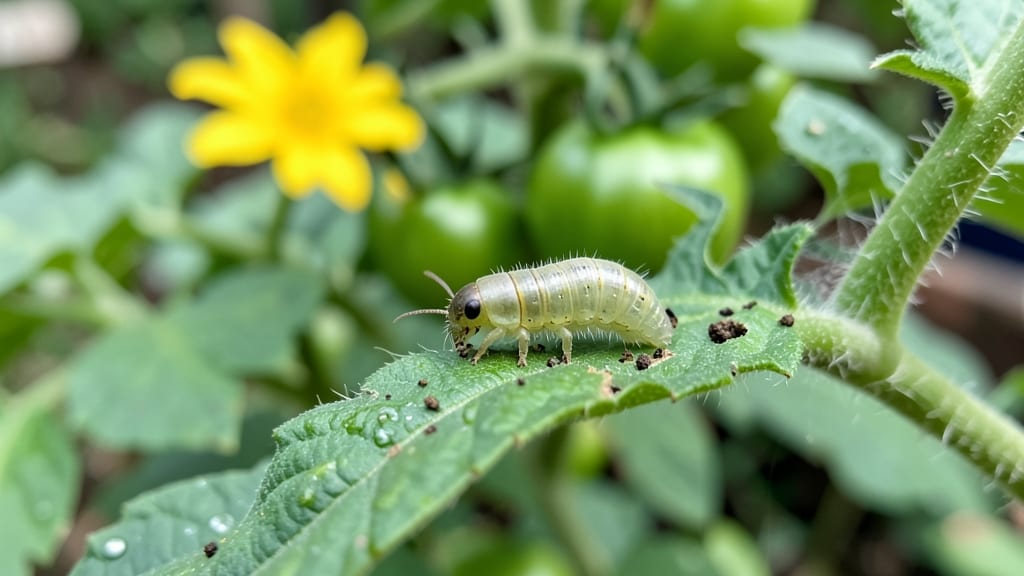
That one tiny hole in your tomato leaf could mean disaster if you don’t act fast. 🌱 The tomato leaf borer turns healthy plants into skeleton leaves overnight, but I’ve stopped outbreaks in my garden with organic spot-treatments that work in 24-48 hours—no harsh chemicals needed.
The key is catching it early, when the damage is still small and contained.
You’ll need neem oil, a sharp pair of scissors, and a magnifying glass to spot the telltale signs: sawdust-like frass, chewed leaves, or wilting vines. This isn’t a spray-and-forget solution—it’s about precision.
Neem oil disrupts the borer’s life cycle, while manual removal stops the spread before it becomes a full-blown infestation. Even my black-thumb neighbors swear by this method after losing entire plants to borers.
By the time you’re done, your tomato plants will look 90% better in just a few days. The leaves stop wilting, new growth emerges, and you avoid the heartbreak of watching your harvest disappear.
The best part? This works on all tomato varieties, from heirlooms to cherry tomatoes, without harming beneficial insects.
Prevention is easier than cleanup—healthy plants resist borers better. Focus on strong stems, good airflow, and early intervention next season. Once you’ve mastered this spot-treatment, you’ll spot borers before they spot you.
📚 In This Guide
- What you need
- Instructions
- Tips and common mistakes
- Wrapping up and next steps
What you need
- ● Neem oil (100% cold-pressed): 1 tablespoon per quart of water (or 2 tablespoons for heavily infested spots). Look for organic, food-grade neem oil.
- ● Insecticidal soap: 1–2 tablespoons per quart of water. Choose a mild, plant-safe formula with potassium salts.
- ○ Spinosad concentrate: 1 teaspoon per gallon of water (optional but highly effective for severe cases). Ensure it’s OMRI-listed for organic use.
- ● Water: 1 gallon (or enough to fill a spray bottle/garden sprayer). Use rainwater or filtered water for best results.
- ● Spray bottle or garden sprayer: A 1–2 gallon pump sprayer (for large areas) or a 16–32 oz. spray bottle (for targeted treatment). Clean thoroughly after use!
- ● Pruning shears or scissors: Sharp, sterilized tools to trim borer-damaged leaves.
- ● Gloves: Nitrile or rubber gloves to protect your hands from sap and chemicals.
- ● Magnifying glass: Helps spot tiny borer entry holes or larvae (🔍 Pro tip: Check undersides of leaves!)
- ● Diatomaceous earth (food-grade): Lightly dust around plant bases or borer entry points (reapply after rain).
- ● Beneficial nematodes (e.g., Steinernema carpocapsae): 1–2 million nematodes per gallon of water (for soil-dwelling larvae). Apply in the evening for best results.
- ● Yellow sticky traps: Place near plants to monitor borer activity.
- ○ Baking soda (1 tsp per gallon of water): Optional additive to boost neem oil’s effectiveness (test on a small leaf first!).
- ● Identify the tomato leaf borer (look for frass (sawdust-like droppings) or chewed leaves near midribs).
- ● Choose a calm, overcast day for treatment to avoid burning plants with direct sunlight.
- ● Work during early morning or late evening to maximize effectiveness.
- ● Have a sterilized bucket for mixing solutions (avoid metal containers if using neem oil long-term).
How to treat tomato leaf borer organically in minutes
This method targets leaf borers before they tunnel into stems—stopping damage in its tracks.
🌿 Step 1: Identify and Isolate Infested Plants
Start by examining leaves for the telltale signs: small holes, sawdust-like frass (borer droppings), or wilting stems. Leaf borers are tiny, greenish larvae that chew through leaf tissue, leaving behind a trail of destruction. Gently shake plants over a white sheet—if you spot tiny worms or caterpillars, you’ve found your culprit.
Isolate the affected plant immediately to prevent spread. Leaf borers don’t jump but can easily crawl onto neighboring plants. Place a cardboard barrier around the base of the plant to trap any larvae that might fall to the ground. This containment step is critical—it buys you time to treat before the infestation worsens.
✂️ Step 2: Prune and Remove Damaged Foliage
Use clean, sharp pruners to trim away heavily infested leaves and stems. Focus on areas with visible holes, frass, or wilting—these are the hotspots where borers are actively feeding. Dispose of the clippings in a sealed plastic bag and toss them in the trash, not the compost. Borers can survive in compost and re-infest your garden.
Don’t over-prune, though—removing too much foliage stresses the plant and leaves it vulnerable to other pests. Aim to remove only the most damaged sections, leaving enough healthy leaves to sustain photosynthesis. After pruning, wipe down your pruners with rubbing alcohol to sterilize them before moving to the next plant.
💧 Step 3: Apply Organic Spot-Treatment Spray
Mix a solution of 1 tablespoon neem oil + 1 teaspoon insecticidal soap per quart of water in a spray bottle. Neem oil disrupts the borers’ feeding and reproductive cycles, while insecticidal soap smothers their waxy outer layer. Shake well before spraying, as the ingredients separate. Test the spray on a small, hidden leaf first to ensure it doesn’t cause phytotoxicity.
Focus the spray directly on the undersides of leaves and stems, where borers hide. Apply in the early morning or late evening to avoid harming beneficial insects like ladybugs or lacewings. Reapply every 3-4 days until you no longer see new damage. Consistency is key—borers are persistent, and spot treatments require follow-through to break their life cycle.
☀️ Step 4: Introduce Beneficial Predators
Encourage natural predators like parasitic wasps (Braconid wasps) or ladybugs, which feed on leaf borer larvae. Purchase these from a garden center or attract them by planting dill, fennel, or marigolds nearby—these herbs act as a magnet for beneficial insects. Release the predators in the early evening when temperatures are cooler, as they’re more active in mild conditions.
If you’re growing tomatoes in containers, place a small dish of water with a few drops of honey near the plant to provide nectar for the predators. Avoid using chemical pesticides after introducing these helpers, as they’ll kill the very insects you’re relying on. Monitor the plants daily for signs of predator activity—you’ll often spot tiny white cocoons or ladybug larvae feeding on borers.
⏰ Step 5: Monitor and Prevent Reinfection
Check your plants daily for the next 2 weeks, focusing on new growth and the undersides of leaves. Look for fresh frass, holes, or wilting stems—these are red flags that the borers have returned. If you spot any signs of reinfestation, repeat the spot-treatment and predator introduction immediately. Prevention is easier than cure, so stay vigilant.
To long-term protect your tomatoes, apply a light layer of diatomaceous earth around the base of the plant and on the soil surface. This natural powder dehydrates borers and other soft-bodied pests on contact. Reapply after rain or watering, as it loses effectiveness when wet. Pair this with regular pruning to remove any early signs of damage before it spreads.
Tips & tricks for effective organic tomato leaf borer control
Here's what nobody tells you about making this method work faster and more effectively.
Early Detection is Your Best Weapon: The moment you spot those tiny holes or frass (borer droppings), act immediately. I learned this the hard way after watching borers tunnel into stems—once they're inside, organic treatments become far less effective. Check both leaf surfaces and stems, especially where leaves meet the stem, as this is their favorite entry point. Use a bright white sheet under the plant when shaking leaves to spot larvae you might otherwise miss.
Pruning Precision Matters: When removing infested foliage in Step 2, cut just above the leaf node where it meets the stem. This prevents the plant from wasting energy trying to heal unnecessary wounds. I always sterilize my pruners between plants with rubbing alcohol—this prevents cross-contamination if you're treating multiple plants. And here's a pro move: after pruning, give the plant a light watering to help it recover faster from the stress.
Spot-Treatment Timing is Critical: The 3-4 day reapplication schedule in Step 3 is non-negotiable for breaking the borer life cycle. I recommend setting a phone reminder for your spray schedule—missed applications give borers a chance to rebound. For best results, spray in the early morning when humidity is high; this helps the neem oil and insecticidal soap adhere better to leaf surfaces. Always test your spray mix on a hidden leaf first—some plant varieties are more sensitive than others.
Predator Attraction Hacks: To maximize the effectiveness of Step 4, plant your dill, fennel, or marigolds in a small cluster near your tomatoes rather than scattering them. This creates a stronger scent trail that beneficial insects can follow. I've found that placing these companion plants on the north side of tomatoes works best—it keeps them slightly shaded while still attracting predators. For container gardens, use a shallow dish with pebbles and water (instead of just water) to prevent predators from drowning when they come to drink.
Pro Tips for Tomato Leaf Borer
- Here's what nobody tells you about making this method work faster and more effectively.
- Early Detection is Your Best Weapon: The moment you spot those tiny holes or frass (borer droppings), act immediately.
- Pruning Precision Matters: When removing infested foliage in Step 2, cut just above the leaf node where it meets the stem.
Frequently asked questions
Got questions about tackling the tomato leaf borer? You’re not alone—this sneaky pest can wreak havoc if you’re not prepared. Below, we’ve answered the most common questions to help you act fast and protect your plants.
What are the first signs of a tomato leaf borer infestation?
Watch for chewed leaves, frass (sawdust-like droppings), or wilted stems that split open to reveal the larva inside. Young plants are most vulnerable, so check undersides of leaves and along stems early in the season.
When is the best time to treat tomato leaf borers?
Act immediately if you spot signs—don’t wait! Larvae bore into stems in late spring to early summer, so proactive treatments (like neem oil or kaolin clay) in May-June can prevent infestations before they start.
Are there organic alternatives to chemical pesticides?
Try handpicking larvae (drop them in soapy water), neem oil, BT (Bacillus thuringiensis), or diatomaceous earth. For heavy infestations, kaolin clay creates a barrier pests avoid.
Will pruning infected plants stop the spread?
Prune only severely damaged plants (dispose of clippings in sealed bags). For mild cases, focus on healthy growth—removing infested stems can help, but larvae may already be inside. Combine pruning with organic sprays for best results.
Why does my tomato plant look wilted but isn’t dying?
This is a classic leaf borer red flag! Wilting stems often mean larvae are feeding inside. Check for entry holes or sawdust-like frass. If you confirm borers, act fast—wilting can spread to other plants if untreated.
Wrapping up and next steps
Fighting the tomato leaf borer doesn’t have to be a losing battle—with the right organic spot-treatment, you can protect your plants and keep your harvest thriving! 🌱 By acting quickly and using natural solutions like neem oil, beneficial nematodes, or hand-picking larvae, you’ll break the pest’s cycle before it spreads. Your tomatoes deserve the best defense—and now you’ve got the tools to deliver it!
Ready to take action? Start with just one plant today—test your chosen method, monitor results, and expand your approach as needed. Healthy plants = happy gardening! 🌿