
Leaf Blower
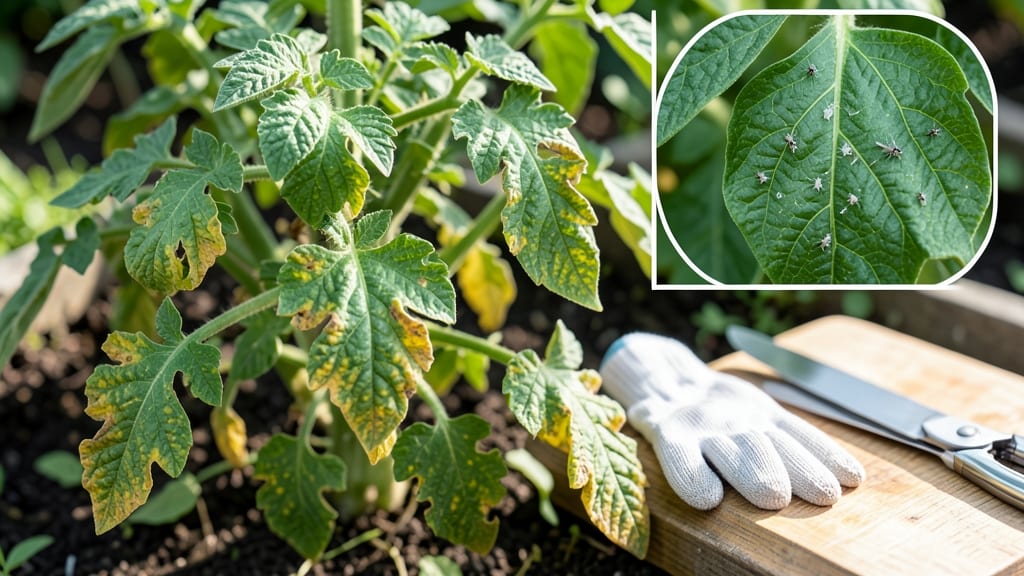
Spotting tomato leaf curl virus pictures early could save your entire harvest—here’s what to watch for. 🌱 The first sign is leaves curling upward like tiny cups, often paired with stunted growth and yellowing edges.
Without pictures, it’s easy to confuse with other diseases, but I’ll show you the key differences. This virus spreads through sap-sucking insects and infected plants, making prevention critical. The good news? Removing infected plants immediately and controlling pests can limit its spread. I’ve seen gardens recover completely by acting fast.
You’ll learn to distinguish leaf curl from mosaic virus, early blight, and even nutrient deficiencies. The visual guide includes side-by-side comparisons so you never mistake one for another. Once you recognize the symptoms, we’ll cover organic remedies to protect your remaining plants and prevent future outbreaks.
Let’s get those tomatoes thriving again!
Root Causes of Tomato Leaf Curl
The Tomato Leaf Curl Virus (ToLCV) is a stubborn foe for gardeners and farmers alike, but understanding its origins helps you fight back effectively. This virus doesn’t spread like a fungal infection—it relies on living vectors and environmental triggers to thrive.
Below, we break down the key reasons your tomato plants might be under siege, so you can take targeted action to prevent outbreaks.
The #1 culprit behind ToLCV is the Bemisia tabaci whitefly, a tiny sap-sucking insect (about 1/20th of an inch long) that thrives in warm, dry climates. Here’s how they spread the virus:
- Virus Transmission: Whiteflies feed on infected plants, then carry the virus in their saliva. When they move to healthy tomatoes, they inject the virus during feeding—like a biological syringe. 💉
- Exponential Spread: A single whitefly can transmit the virus to multiple plants in a week. Outbreaks often start in greenhouses or hot, sheltered garden spots where these pests multiply unchecked.
- Life Cycle Speed: Whiteflies reproduce rapidly (laying hundreds of eggs in their lifetime), making early intervention critical. Adults and nymphs both spread ToLCV, but adults are more mobile.
Actionable Tip: 🔍 Inspect the undersides of leaves for sticky residue (honeydew) or tiny whiteflies. Use yellow sticky traps to monitor populations—if you catch more than 2–3 whiteflies per trap per day, act fast!
ToLCV doesn’t survive well in cold or wet conditions, but it explodes in heat and drought. Here’s why:
| Factor | How It Helps the Virus |
|---|---|
| 🌞 High Temperatures (80°F+ / 27°C+) | Whiteflies thrive, and the virus replicates faster in plant sap. Tomatoes also become stressed, making them more susceptible to infection. |
| 💧 Low Humidity/Drought | Plants close their stomata (pores) to conserve water, but this traps the virus inside leaf cells, accelerating symptoms like curling and stunting. |
| 🌱 Weakened Plants | Drought-stressed tomatoes have lower defenses, making it easier for whiteflies to feed and transmit ToLCV. |
Actionable Tip: 💡 If you’re in a hot, dry region, mulch heavily to retain soil moisture and water deeply in the morning to deter whiteflies. Avoid overhead watering—it spreads honeydew, attracting more pests.
While ToLCV primarily spreads via whiteflies, human activity can accidentally introduce it to your garden:
- Infected Seedlings: Many ToLCV strains are seed-borne or transmitted through grafted plants. If you buy seedlings from nurseries in outbreak zones, they may already be carrying the virus.
- Pruning Tools: Knives or shears contaminated with viral particles can nick healthy plants during trimming, creating entry points for infection.
- Shared Equipment: Greenhouse structures, trellises, or even compost from infected plants can harbor the virus for months.
Actionable Tip: ✨ Disinfect tools with 70% rubbing alcohol between uses, and quarantine new seedlings for 2–3 weeks before planting. If possible, source seeds from reputable suppliers that test for ToLCV.
ToLCV isn’t picky about borders—it’s been detected on six continents and is spread through:
- Infected Plant Material: Smuggled tomatoes, cuttings, or even decorative plants (like basil or peppers) can carry the virus internationally.
- Windborne Whiteflies: In some regions, whiteflies ride wind currents for miles, turning local outbreaks into regional epidemics.
- Agricultural Trade: Commercial tomato farms often use shared irrigation or machinery, creating hotspots for ToLCV.
Actionable Tip: 🌍 If you’re in an area with known ToLCV activity, avoid planting near fields or gardens with suspicious symptoms. When traveling, inspect plants before bringing them home—especially if they’re from high-risk areas.
Quick Fixes for Tomato Leaf Curl Virus
If your tomato plants are showing signs of yellowing leaves, curled edges, or stunted growth—classic symptoms of the tomato leaf curl virus (ToLCV)—don’t panic. While there’s no cure, you can slow its spread, boost plant resilience, and prevent further damage with these practical, science-backed solutions.
Below, we break down cause-specific fixes and prevention tips to keep your garden thriving.
Cause: Viruses spread rapidly through sap-sucking insects (like whiteflies) or contaminated gardening tools. Fix:
- 🔪 Snip and toss infected plants at the first sign—don’t compost them (the virus can survive). Burn or bag them for disposal.
- 🌱 Quarantine new plants for 2–3 weeks before introducing them to your garden to spot early symptoms.
- 🧼 Sterilize tools between uses with 70% rubbing alcohol or a 10% bleach solution (1 part bleach to 9 parts water).
💡 Pro Tip: Check the undersides of leaves for whiteflies—neem oil spray (1 tbsp per quart of water) can deter them before they spread the virus.
Cause: Weak or stressed plants are more vulnerable to viral infections. Fix:
- 🌿 Feed with compost tea or fish emulsion (rich in phosphorus and potassium) to support root health and disease resistance.
- 💧 Water at the base (not overhead) to prevent fungal secondary infections that worsen viral damage.
- 🌞 Provide shade cloth (30–50%) if your plants are under intense midday sun, which stresses them further.
✨ Prevention Bonus: Interplant tomatoes with basil or marigolds—these act as natural pest repellents and may reduce whitefly populations.
Cause: These insects transmit ToLCV when feeding. A single whitefly can infect an entire plant in weeks. Fix:
- 🕷️ Introduce beneficial insects like ladybugs or lacewings (order online or find them at garden centers).
- 🧼 Yellow sticky traps (place near plants) to catch adult whiteflies before they reproduce.
- 🌿 Spray with insecticidal soap (1 tbsp per quart of water) every 5–7 days during outbreaks. Reapply after rain.
- 🍋 DIY garlic-chili spray: Blend 1 garlic bulb + 1 tbsp cayenne pepper in water, strain, and spray on leaves (repels pests naturally).
🎯 Targeted Approach: Focus on new growth areas where whiteflies lay eggs—these are hotspots for viral spread.
Cause: Many nurseries sell contaminated seedlings unknowingly. Fix:
- 🌱 Grow from seeds (not transplants) to ensure virus-free starts. Use heat-treated soil (120°F for 30 mins) to kill any lurking pathogens.
- 🔬 Buy certified disease-free plants from reputable suppliers (look for USDA-approved tags).
- 🏡 If repotting, use sterile potting mix—avoid garden soil, which may harbor viruses.
🌡️ Greenhouse Hack: If growing indoors, keep humidity below 60% to discourage whitefly breeding.
Cause: ToLCV can persist in weeds and old plant debris for years. Fix:
- 🌿 Rotate crops—never plant tomatoes (or related nightshades like peppers/eggplants) in the same spot for 3+ years.
- 🌱 Mulch heavily with straw or wood chips to suppress weeds (which can harbor the virus).
- 🧹 Clean up garden debris in fall, including fallen leaves and stems.
✨ Future-Proof Tip: Plant tomato varieties resistant to ToLCV, like:
- ‘Mountain Merit’ (heat-tolerant)
- ‘Solar Fire’ (disease-resistant hybrid)
- ‘Cherokee Purple’ (less susceptible to viral stress)
Tomato leaf curl virus doesn’t kill plants overnight, but it robs them of yield and vigor.
By removing infected plants, controlling pests, and boosting plant health, you can minimize losses and keep your garden productive. Prevention is key—once a plant is infected, there’s no saving it, but you can save the rest of your crop with these steps!
📢 Share your wins: Try these fixes and tag us in your before-and-after tomato photos—we love seeing healthy harvests! 🍅🌿
Frequently asked questions
What are the first signs of tomato leaf curl virus in my plants?
The earliest symptom is leaves curling upward into a cup shape, often paired with yellowing edges and stunted growth. Look for thickened veins and smaller-than-normal leaves—these appear before other symptoms. Check both new and old leaves, as the virus affects all growth stages.
How can I tell if my tomato plant has leaf curl virus or just nutrient deficiency?
Leaf curl virus causes permanent curling that doesn’t straighten, while nutrient deficiencies (like nitrogen or potassium lack) show yellowing between veins or brown leaf tips. Test your soil—if nutrients are balanced but curling persists, it’s likely the virus. Also check for whiteflies, the primary spreaders.
Can I save a tomato plant already infected with leaf curl virus?
No, there’s no cure for infected plants. Remove them immediately to prevent spread—composting can spread the virus. Prune healthy leaves for propagation, but destroy the entire plant. Focus on protecting nearby plants by controlling whiteflies and improving growing conditions for the remaining healthy tomatoes.
What’s the best way to prevent tomato leaf curl virus in my garden?
Start with disease-resistant varieties like 'Mountain Merit' and sterilize tools between uses. Use yellow sticky traps for whiteflies and neem oil sprays every 2 weeks. Quarantine new plants for 3 weeks before adding to your garden, and avoid overhead watering to prevent fungal secondary infections.
Will tomato leaf curl virus affect other plants in my garden besides tomatoes?
Yes, this virus can infect peppers, eggplants, and other nightshades, though tomatoes are most commonly affected. Monitor nearby plants for similar symptoms (curling, stunting) and remove any infected specimens. The same whitefly vectors spread the virus to these plants, so control measures apply universally.