
Pests and Diseases
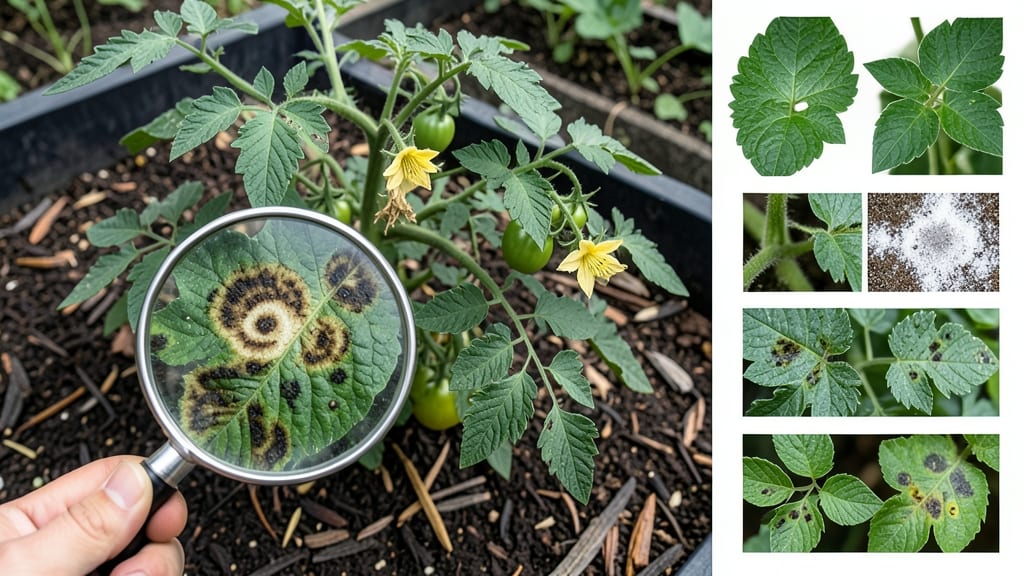
Seeing those first brown spots on the tomato leaf disease pictures you’ve been studying can feel like a gut punch—especially when you’ve poured so much into your plants. 🌱 I’ve lost entire harvests to diseases I didn’t recognize until it was too late, and I’m here to help you spot them early before they ruin your season.
This guide shows you exactly what to look for, from the concentric rings of early blight to the greasy black streaks of bacterial spot, so you can act fast and save your plants.
Most tomato diseases start with water, poor airflow, or old plant debris lurking in the soil. The key is catching them early—before the spots turn into holes or the leaves yellow and crisp.
You’ll learn how to tell apart diseases that respond to copper sprays from those that need you to pull the whole plant, plus when to call in reinforcements if things get ugly. No more guessing games in the garden.
By the end, you’ll be able to diagnose problems faster than your local extension office can answer the phone. We’re talking preventive sprays that keep diseases at bay, pruning tricks that improve airflow, and even how to sanitize your tools so you’re not spreading trouble from plant to plant.
Your tomatoes will thank you with bigger, healthier fruit—and fewer panic moments when the leaves start looking suspicious.
Whether you’re dealing with a single suspicious leaf or a full-blown outbreak, this is your playbook for keeping your tomato plants thriving. Let’s get those diseases identified and cured before they spread any further.
Root Causes Of Leaf Damage
Understanding why tomato leaves develop diseases is the first step to preventing them. These issues rarely happen in isolation—they’re often the result of a perfect storm of environmental, biological, and gardening factors.
Let’s break down the most common culprits and why they turn your lush green leaves into sad, spotted messes.
Fungi thrive in moist, warm conditions, making them the most common tomato leaf disease culprits. Here’s how they strike:
- High Humidity & Poor Airflow 💦 Fungal spores (like those causing early blight or late blight) float in damp air and land on leaves. If humidity stays above 75% for prolonged periods, spores germinate and infect the plant.
Poor airflow—often from overcrowded plants or dense foliage—traps moisture, giving fungi a foothold.
- Water on Leaves (Foliar Wetness) 💧 Overhead watering (especially in the evening) keeps leaves wet for hours, creating ideal fungal breeding grounds. Unlike roots, leaves aren’t meant to absorb water—splashing soil-borne spores onto foliage speeds up infection.
- Warm Temperatures (60–80°F) 🌡️ Most fungal diseases peak when daytime temps hover in the 60s–70s°F and nights stay mild. Cool evenings with lingering moisture? That’s a fungal party waiting to happen.
- Weakened Plant Defenses 🛡️ Stressed tomatoes (from drought, nutrient deficiency, or transplant shock) have thinner cell walls, making them easier targets. Fungi exploit these vulnerabilities like a burglar casing a house.
💡 Pro Tip: Space plants 18–24 inches apart for airflow and water at the base (not overhead) to keep leaves dry.
Bacteria move quickly and can turn a healthy plant into a mushy, yellowing disaster in days. Here’s how they gain traction:
- Wounds & Insect Damage 🐜 Bacteria like Xanthomonas or Pseudomonas enter through cuts (pruning, hail, or insect bites). Even tiny tears in leaves create entry points.
- Rain & Wind Splatter 🌧️ Heavy rain or wind can fling bacterial cells from infected plants onto healthy ones. Once on a leaf, bacteria multiply rapidly in warm, wet conditions (ideal: 75–85°F).
- Contaminated Tools & Hands 🧤 Pruners, gloves, or even your fingers can transfer bacteria from plant to plant. If you touch an infected leaf and then a healthy one, you’re basically seeding the problem.
- Overhead Irrigation 💦 Like fungi, bacteria love wet leaves. Drip irrigation or soaker hoses reduce splash risk, but a sprinkler turns your garden into a bacterial smoothie.
✨ Prevention Hack: Sterilize tools with 70% rubbing alcohol or a 10% bleach solution between plants.
Viruses don’t spread on their own—they need vectors (like insects or contaminated tools) to jump from plant to plant. Here’s how they sneak in:
- Sap-Sucking Insects (Aphids, Whiteflies, Thrips) 🐛 These pests feed on plant sap and unwittingly transmit viruses (e.g., Tomato Mosaic Virus) as they move between plants. A single aphid can infect an entire garden in a season.
- Contaminated Grafting or Pruning ⚠️ If you graft tomatoes using infected scions (cuttings) or reuse dirty pruning tools, viruses can hitch a ride into your healthy plants.
- Seed-Borne Viruses 🌱 Some viruses (like Tomato Spotted Wilt Virus) can lie dormant in seeds. Even if the parent plant looked healthy, the virus might wake up in your new seedlings.
- Weeds as Reservoirs 🌿 Weeds like nightshade or henbit can harbor viruses and spread them to tomatoes via insects or wind. Keeping your garden weed-free reduces risk.
🎯 Key Action: Inspect new plants for mottled leaves, stunted growth, or unusual patterns—common virus red flags.
Not all leaf damage comes from pathogens. Sometimes, your tomatoes are screaming for help because of their surroundings:
- Extreme Heat or Cold ☀️❄️ Heat stress (above 90°F) causes leaves to scorch and crisp at the edges. Cold snaps (below 50°F) lead to blackened or yellowed spots, especially on young leaves.
- Nutrient Deficiencies 🌱
- Magnesium deficiency (yellow patches between leaf veins) often mimics disease.
- Potassium deficiency (brown leaf edges) weakens disease resistance.
- Nitrogen deficiency (pale, yellowing leaves) makes plants more susceptible to infections.
- Poor Drainage & Waterlogging 💦 Soggy soil cuts off oxygen to roots, causing yellowing leaves (chlorosis) and stress that invites diseases. Tomatoes hate “wet feet”—ensure pots or beds drain within 30 minutes of watering.
- Chemical Burn from Fertilizers or Pesticides 🧪 Over-fertilizing (especially with high salt or synthetic nitrogen) or misapplying copper-based fungicides can scorch leaves, mimicking disease symptoms.
🔥 Quick Fix: Test your soil’s pH (6.0–6.8 is ideal for tomatoes) and adjust nutrients with compost or balanced fertilizer (like 10-10-10).
Pests don’t just eat leaves—they create wounds that open the door for diseases. Common culprits include:
- Spider Mites 🕷️ These tiny arachnids pierce leaves, causing stippling (tiny white/yellow dots) that weakens the plant and invites fungal infections.
- Cucumber Beetles 🐞 Their feeding scars provide entry points for bacterial wilt and viral diseases. Plus, they poop on leaves—yuck!
- Aphids & Whiteflies 🐛 Their honeydew secretions create a sticky film that traps moisture, promoting sooty mold (a secondary fungal infection).
💡 Prevention Tip: Use row covers early in the season to block pests, or spray with neem oil (a natural repellent).
Sometimes, well-meaning actions backfire. Here’s how:
- Overhead Watering at Night 🌙 Wet leaves + cool nights = fungal feast. Always water early morning so foliage dries by evening.
- Ignoring Mulch Depth 🌾 Too much mulch (over 2–3 inches) can suffocate roots and trap moisture, encouraging blight. Keep it 2 inches deep and 3–6 inches from the stem.
- Not Rotating Crops 🔄 Planting tomatoes in the same spot year after year lets soil-borne diseases (like verticillium wilt) build up. Rotate with beans, peas, or lettuce to break the cycle.
- Using Infected Plant Debris as Mulch 🚫 Leaving diseased leaves or stems in the garden spreads pathogens. Remove and destroy infected plant material (don’t compost it!).
⏰ Golden Rule: 10-minute garden checks—spot issues early, and you’ll save your tomatoes before they’re history.
Fixing Tomato Leaf Diseases Fast
Once you’ve spotted the trouble on your tomato plants, act quickly to stop the spread and restore health. Below are practical, step-by-step solutions tailored to the most common tomato leaf diseases—from fungal infections to bacterial blights—plus prevention tips to keep your garden thriving.
🔥 Cause: Fungal spores (especially Alternaria solani for early blight, Phytophthora infestans for late blight) thrive in warm, humid conditions.
🍳 Fix It Now: 1. Prune & Remove: Snip off infected leaves immediately (don’t compost them—toss in the trash). Use sterilized shears (wipe with rubbing alcohol) to avoid cross-contamination.
- Fungicide Spray: Apply a copper-based fungicide (like Cupron) or baking soda spray (1 tsp baking soda + 1 quart water + a drop of dish soap) every 7–10 days for early blight. For late blight, switch to a phosphite fungicide (e.g., BioSafe’s Phostrol).
- Improve Airflow: Space plants 18–24 inches apart and stake them to reduce humidity near leaves. Avoid overhead watering—use drip irrigation instead.
- Soil Care: Add compost or well-rotted manure to boost plant resilience. Fungal diseases love poor soil—healthy plants fight back better!
💡 Prevent Future Outbreaks:
- Crop rotation: Don’t plant tomatoes (or potatoes—late blight loves those too!) in the same spot for 3 years.
- Resistant varieties: Try ‘Mountain Merit’ or ‘Defiant PhR’—they’re bred to resist blight.
- Clean tools: Sterilize pruners after each use to prevent spreading spores.
🔥 Cause: Bacteria like Xanthomonas or Pseudomonas spread via water splashes, tools, or even your hands.
🍳 Fix It Now:
- Remove Infected Leaves: Cut off spotted leaves and destroy them (don’t leave them in the garden).
- Copper Spray: Use a copper fungicide (like Bonide Copper Fungicide) every 5–7 days—copper disrupts bacterial cell walls.
- Avoid Water on Leaves: Water only at the base in the morning so leaves dry quickly. Use a soaker hose or drip system.
- Sanitize Everything: Wash hands, tools, and containers with soapy water before and after gardening.
💡 Prevent Recurrence:
- Seeds & seedlings: Start with certified disease-free seeds or seedlings.
- Space plants properly: Overcrowding = more humidity = bacterial heaven.
- Remove volunteer tomatoes: Wild tomato plants can harbor bacteria—pull them!
🔥 Cause: The Septoria lycopersici fungus starts as tiny black dots and spreads like wildfire in wet conditions.
🍳 Fix It Now:
- Prune Aggressively: Remove all infected leaves (even if just a few spots appear). Don’t wait—this one spreads fast!
- Fungicide Rotation: Alternate between chlorothalonil (like Daconil) and potassium bicarbonate spray (follow label rates).
- Mulch Right: Use straw or grass clippings (not wood chips) to keep soil moist but improve drainage.
- Harvest Early: Pick tomatoes as soon as they ripen—mature plants are less vulnerable.
💡 Prevent It Altogether:
- Avoid overhead watering—stick to drip irrigation.
- Plant in full sun (6+ hours/day)—less shade = less moisture = fewer spores.
- Test your soil pH: Aim for 6.0–6.8—neutral soil reduces fungal growth.
🔥 Cause: Tiny pests like spider mites weaken plants, making them more susceptible to diseases.
🍳 Fix It Now:
- Blast Them Off: Spray plants with water (a strong stream from a hose) to knock off mites.
- Neem Oil Spray: Mix 1 tbsp neem oil + 1 tsp mild soap + 1 quart water. Spray every 5–7 days until gone.
- Introduce Predators: Ladybugs and lacewings love spider mites—buy them online or attract them with dill or fennel in your garden.
- Reflective Mulch: Cover the soil with aluminum foil or silver plastic mulch—it confuses mites and reduces populations.
💡 Keep Them Away:
- Dusty plants = mite buffet. Keep leaves clean with occasional light water sprays.
- Reduce stress: Over-fertilizing with nitrogen = weak plants = pest magnets. Use a balanced fertilizer (10-10-10).
- Boost Immunity: Feed plants with compost tea or fish emulsion for a nutrient boost.
- Quarantine New Plants: Keep any new additions separate for 2 weeks to spot diseases early.
- Weather Watch: If rain is forecast, cover plants with row covers to reduce moisture on leaves.
- Clean Up: At season’s end, remove all plant debris—burn or trash it to eliminate overwintering spores.
✨ Pro Tip: The key to curing tomato leaf diseases is speed + prevention. Act at the first sign of trouble, and your plants will bounce back faster. Healthy soil, proper spacing, and smart watering are your best defenses—don’t skip them!
Frequently asked questions
How do I tell if my tomato leaf spots are fungal vs. bacterial?
Fungal spots usually have concentric rings (like early blight) or greasy-looking edges (like late blight). Bacterial spots are often water-soaked with yellow halos and spread faster in wet conditions. Check for slimy residue on leaves—bacteria leave that behind!
Can I save my tomato plants if the leaves are already 50% infected?
It depends! For fungal diseases like early blight, remove all infected leaves immediately and apply copper fungicide. If bacterial spot or late blight has taken over, the plant may not recover—focus on saving nearby healthy plants by isolating them and sterilizing tools between uses.
Why do my tomato leaves get spots even when I water at the base?
Spots can still appear from high humidity (above 75%), poor airflow (crowded plants), or old plant debris in the soil harboring spores. Even with proper watering, check for overcrowding and remove any diseased leaves from last season before planting new tomatoes.
Are there any home remedies that actually work for tomato leaf diseases?
Yes! A baking soda spray (1 tsp baking soda + 1 quart water + a drop of dish soap) helps prevent fungal diseases like powdery mildew. For bacterial spots, milk spray (1 part milk to 9 parts water) can disrupt bacteria—just reapply after rain. Always test on a small area first!
When should I give up on a tomato plant and start over?
Pull the plant if more than 75% of leaves are infected with bacterial spot or late blight, or if the stems show blackened, mushy tissue (sign of bacterial wilt). For fungal diseases, prune aggressively and treat—but if the plant keeps declining, it’s better to remove it before the disease spreads to others.