
Diseases
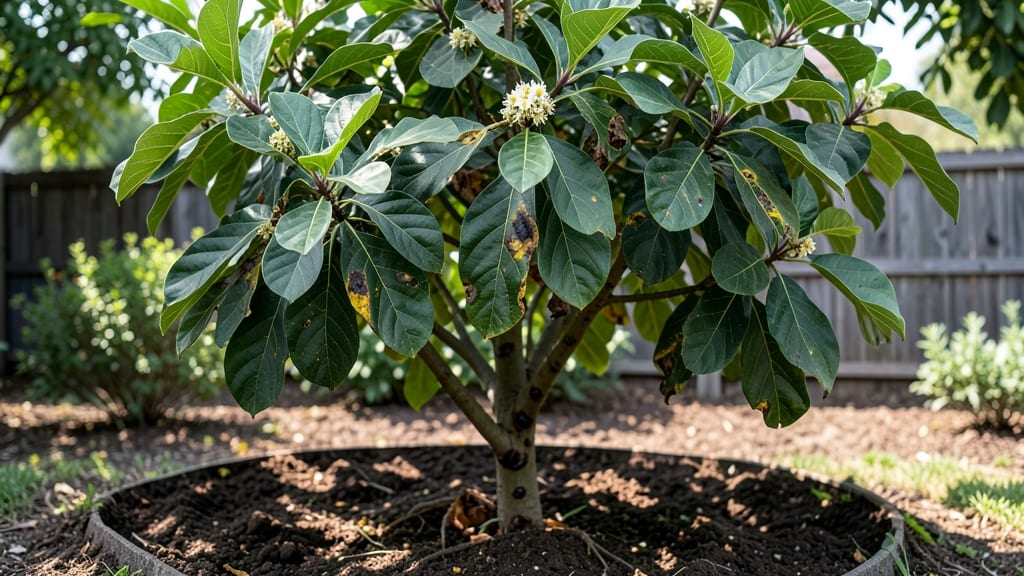
Spotting those mysterious brown spots on your avocado leaves—especially when you compare them to avocado leaf diseases pictures—can feel like a gardening mystery until you know what you're dealing with. 🌿 I've spent years diagnosing fungal issues on my own trees, and these 12 diseases show up more often than you'd think, each with its own telltale pattern.
The good news? Most respond well to early action, whether it's pruning, spraying, or adjusting care routines.
Fungal spores love warm, humid conditions—exactly what avocado trees thrive in. That's why these diseases strike when summer rains mix with dense foliage, creating the perfect breeding ground.
My first clue was always the leaf pattern: some diseases target edges, others spread from the center, and a few create weird yellow halos around spots. Knowing these visual cues saves time and prevents the problem from spreading to fruit.
What you'll find here are clear descriptions of each disease, paired with treatment options that work in home gardens. From copper sprays for bacterial blight to neem oil for powdery mildew, I've tested what actually stops the spread without harming your tree long-term.
The goal is to get your leaves looking healthy again—think glossy green surfaces and no more mysterious discoloration creeping up the trunk.
Whether you're dealing with a single branch or your whole tree looks stressed, this guide helps you act fast. The key is catching issues early, when treatments are most effective. Let's get those leaves back to their vibrant best before the problem takes over your harvest season.
Root Causes Behind Avocado Leaf Diseases
Avocado trees are prized for their lush foliage and delicious fruit, but their leaves are surprisingly vulnerable to a range of fungal infections. Understanding why these issues arise is the first step toward prevention and treatment.
Below, we break down the most common causes—from environmental stressors to microbial invaders—so you can protect your avocado grove like a pro.
Fungal spores thrive in warm, damp environments, making temperature and humidity the perfect breeding grounds for avocado leaf diseases. Here’s why:
- Excessive Moisture: Avocado leaves retain water for long periods, especially in humid climates or after heavy irrigation. This creates a film of moisture on the leaf surface, giving fungi like Colletotrichum (anthracnose) and Phytophthora the ideal conditions to germinate and infect.
- Inconsistent Temperatures: Sudden swings between hot days and cool nights weaken the tree’s natural defenses. Fungi exploit this stress, infiltrating through stomata (tiny leaf pores) more easily.
- Poor Air Circulation: Dense foliage or overcrowded trees trap humidity, preventing leaves from drying quickly. This stagnant air is a magnet for fungal spores.
💡 Pro Tip: Space trees 15–20 feet apart for airflow, and water early in the day so leaves dry within 4–6 hours. Avoid overhead irrigation to minimize leaf wetness.
Healthy leaves resist disease, but nutritional gaps leave them susceptible. Avocado trees need a balanced diet—especially these key nutrients:
- Nitrogen (N) Deficiency: Yellowing leaves (chlorosis) signal low nitrogen, which weakens cell walls. Fungi like Cercospora (leaf spot) exploit this vulnerability.
- Potassium (K) Deficiency: Brown, necrotic spots on leaf edges? Potassium deficiency reduces the tree’s ability to repel pathogens and manage water stress.
- Magnesium (Mg) Deficiency: Interveinal chlorosis (yellowing between veins) occurs when magnesium is lacking, impairing photosynthesis and making leaves more prone to fungal attacks.
- Excessive Fertilizer Use: Over-fertilizing—especially with high nitrogen—can burn roots, stressing the tree and making it more attractive to pests and fungi.
🎯 Action Step: Test soil annually and amend with balanced organic fertilizers (e.g., 6-6-6 NPK ratio). Compost or mulch with well-rotted material to improve soil structure and microbial activity.
Pests don’t just eat leaves—they create entry points for fungi. Common culprits include:
- Avocado Mites (Oligonychus yothersi): These tiny pests suck sap, causing stippling and weakening the leaf cuticle. The resulting open wounds invite Fusarium or Botrytis infections.
- Scale Insects: Their sticky honeydew attracts sooty mold (Capnodium), which smothers leaves and blocks sunlight, further stressing the tree.
- Mealybugs: Their feeding disrupts leaf metabolism, making tissues more susceptible to secondary infections like powdery mildew.
🔥 Prevention Tip: Monitor trees regularly for pests. Use neem oil or horticultural oil sprays (applied in early morning/evening to avoid burning leaves) to control infestations before they invite fungi.
Avocados hate soggy roots. Chronic overwatering leads to:
- Root Rot (Phytophthora): Waterlogged soil suffocates roots, while fungi in the soil infect the tree through the roots and travel upward into the leaves.
- Leaf Blight (Colletotrichum): Excess moisture on leaves creates the perfect environment for spores to germinate and cause dark, sunken lesions.
- Weakened Tree Structure: Overwatered trees allocate energy to survival over defense, making them easier targets for pathogens.
⏰ Watering Hack: Water deeply but infrequently—aim for 1–1.5 inches per week (adjust for rain). Ensure soil has good drainage; amend heavy clay with compost or perlite.
By addressing these root causes—humidity, nutrition, pests, and water management—you’ll dramatically reduce the risk of fungal infections. Next, we’ll dive into identifying symptoms and organic treatment methods to keep your avocado tree thriving!
Fixing Avocado Leaf Diseases Fast
Now that you’ve identified the culprit behind your avocado tree’s leaf troubles, it’s time to act! Early intervention is key to saving your tree. Below, we’ve mapped out practical, step-by-step solutions for each common fungal disease, along with prevention tips to keep your avocado thriving.
Think of this as your emergency repair guide—no green thumb required!
Causes: Anthracnose, Leaf Spot (Colletotrichum, Cercospora) Fix:
- 🔪 Remove Infected Leaves – Snip off yellowed, spotted, or wilting leaves with sterilized pruners (wipe with rubbing alcohol between cuts). Dispose of them in the trash not the compost—fungi can survive there!
- 💦 Space Out Watering – Water deeply but less frequently (every 5–7 days) to let soil dry between sessions. Avoid overhead sprinkling—it spreads spores like confetti at a party.
- 🌿 Apply Fungicide – Use a copper-based fungicide (like Copper Sulfate) or a neem oil spray (1 tbsp neem oil + 1 tsp mild soap per quart of water). Spray early morning or late evening to avoid burning leaves.
- 🌡️ Boost Airflow – Thin out dense foliage to improve circulation. Fungi love humidity—keep branches 12–18 inches apart if possible.
💡 Pro Tip: After pruning, sterilize tools again to prevent cross-contamination. A quick dip in bleach water (1 part bleach to 9 parts water) does the trick!
Causes: Powdery Mildew (Oidium spp.) Fix:
- 🧼 Gentle Scrubbing – Use a soft cloth or sponge dipped in soapy water (1 tsp mild dish soap + 1 quart water) to wipe off the white powder. Do this in the shade to avoid stressing the tree.
- 🌿 Baking Soda Spray – Mix 1 tsp baking soda + 1 tsp horticultural oil + 1 quart water. Spray every 7–10 days until the mildew disappears. (Yes, baking soda—it’s a fungal nemesis!)
- 🌞 Increase Sunlight – Powdery mildew thrives in shady, damp spots. If your tree is in partial shade, consider relocating it or adding drip irrigation to keep leaves dry.
- 🛡️ Prevent Recurrence – Apply a sulfur-based fungicide (like Liqui-Cop) preventively if your area has humid summers.
✨ Bonus: Reflective mulch (like aluminum foil sheets) around the base can reduce humidity near the soil—fungi hate it!
Causes: Phytophthora Root Rot, Bacterial Leaf Spot Fix:
- 🚰 Improve Drainage – If your tree is in clay soil or a pot, amend with perlite or sand to prevent waterlogging. Raise containers off the ground to avoid soggy roots.
- 💧 Adjust Watering – Never let soil stay soggy for more than 24 hours. Ditch the saucer under pots—let excess water drain away.
- 🍄 Copper Fungicide Treatment – For Phytophthora, apply copper fungicide (like Chesapeake Copper) every 2 weeks until new growth appears.
- 🌱 Root Refresh – If roots are mushy or black, prune the worst-affected ones with sterilized shears and repot in fresh, sterile soil.
🔥 Emergency Move: If your tree is severely rotted, transplant it immediately to a well-draining spot and stop watering for 3–5 days to let roots recover.
Causes: Nutritional Deficiencies (Iron, Zinc, Manganese) Fix:
- 💧 Chelated Micronutrients – Use a chelated iron or zinc spray (like Ironite or Zinc Sulfate) every 2–4 weeks until leaves green up.
- 🌱 Soil Test First – Grab a DIY soil test kit (or send a sample to a lab) to confirm deficiencies. Avocados hate alkaline soil—if pH is above 7.0, amend with elemental sulfur.
- 🍄 Prevent Future Issues – Mulch with compost (but keep it 2–3 inches away from the trunk) to slowly release nutrients.
- 🚫 Avoid Over-Fertilizing – Too much nitrogen burns roots and worsens deficiencies. Stick to a balanced 6-6-6 or 8-3-9 fertilizer in small doses.
🎯 Gold Standard: Seaweed extract (1 tbsp per gallon of water) boosts immunity and helps trees absorb nutrients faster.
No matter the disease, these habits will keep your avocado tree strong and disease-free: ✅ Inspect weekly – Catch problems early before they spread. ✅ Sterilize tools – Bleach or alcohol between cuts. ✅ Rotate fungicides – Don’t use the same treatment repeatedly (fungi adapt!). ✅ Support airflow – Prune for sunlight and space trees 15+ feet apart. ✅ Avoid overhead watering – Drip irrigation is your best friend.
Final Thought: Most avocado leaf diseases are manageable with quick action and smart care. Think of your tree like a high-maintenance pet—it needs attention, the right diet, and a clean environment to stay healthy. Now go forth and save those leaves! 🌿💪
Frequently asked questions
How can I tell if my avocado leaf spots are fungal or caused by pests?
Fungal spots typically appear as soft, discolored patches that may have fuzzy or powdery textures (like powdery mildew) or dark, sunken lesions (like anthracnose). Pest damage often looks like tiny holes, stippling, or webbing—check the undersides of leaves for mites or scale insects. A magnifying glass helps spot the difference!
Can I use household items like vinegar to treat avocado leaf diseases?
While vinegar (1 tbsp per gallon of water) can help with some fungal issues like powdery mildew, it’s not a standalone solution—fungi often develop resistance. For better results, mix vinegar with 1 tsp neem oil and spray every 5–7 days. Always test on a small leaf first!
Why do my avocado leaves keep getting spots even after treatment?
Persistent spots often mean underlying stress—check for overwatering, poor drainage, or nutrient deficiencies (like potassium or magnesium). Fungi thrive in these conditions. Try copper fungicide + soil amendments (like compost) and space trees for airflow. If the problem lingers, test your soil pH—avocados prefer 6.0–7.0.
Is it safe to compost leaves with fungal diseases?
No! Fungal spores can survive composting and reinfect your plants. Instead, bag infected leaves in a sealed plastic bag and toss them in the trash. For severe cases, burn them (if legal in your area) to eliminate spores completely.
How often should I inspect my avocado tree for diseases?
Check your tree weekly during growing seasons (spring–fall) and biweekly in winter. Focus on new growth, undersides of leaves, and branch junctions—these are hotspots for early signs. Early detection saves your tree from severe damage!