
Vegetables
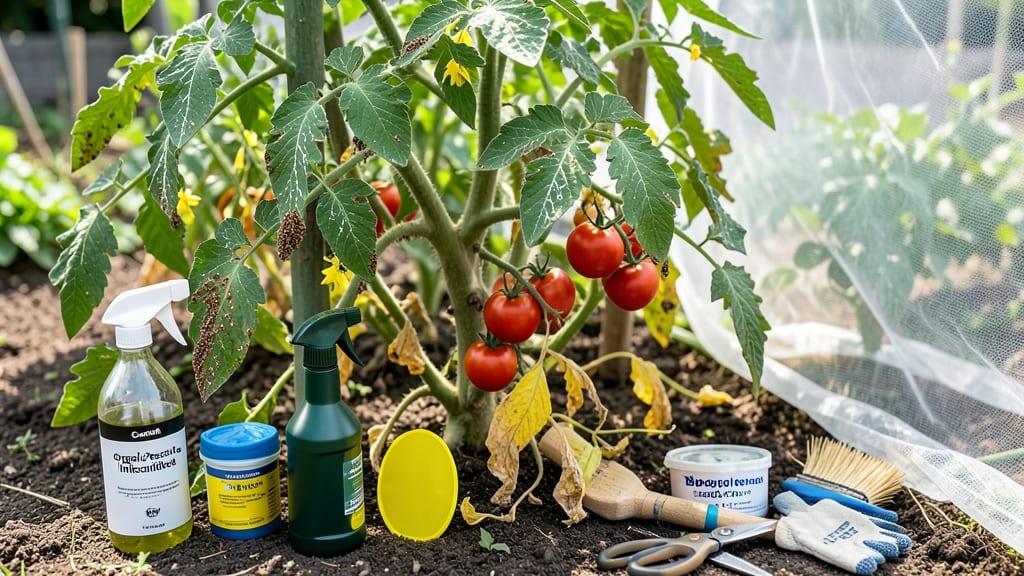
Seeing those serpentine white trails on your tomato leaves is a gut punch—especially when your plants are supposed to be thriving. 🌱 I’ve battled tomato leaf miner treatment in my garden, and I’ll show you how to stop them in their tracks with fast, organic solutions that restore your plants to healthy, lush growth in just days.
The problem starts when tiny larvae chew through leaf tissue, leaving behind telltale white squiggles and stunted foliage. Most gardeners panic and reach for harsh chemicals, but I’ve found that neem oil, row covers, and a few simple cultural tweaks work just as well—without harming your plants or the ecosystem.
The key is acting early before the damage spreads.
By the end of this, you’ll have a foolproof spray recipe (neem oil + insecticidal soap) that smothers miners on contact, plus prevention hacks like crop rotation and healthy soil to keep them away for good. Your tomatoes will bounce back faster than you think—just give them the right care.
Works for home gardens, raised beds, or containers—no matter how severe the infestation looks. Let’s get those leaves looking vibrant and productive again, the natural way.
Root Causes of Leaf Miner Infestations
Understanding why tomato leaf miners strike is the first step to stopping them. These tiny, destructive pests—often Liriomyza trifolii or Liriomyza sativae—don’t just appear out of nowhere.
Their presence is usually tied to a mix of environmental, agricultural, and even human-related factors. Let’s break down the key reasons your tomato plants become their buffet.
Tomato leaf miners thrive when plants are stressed or immunocompromised. Here’s why:
- Nutrient Deficiencies 📉 Plants low in nitrogen, phosphorus, or potassium struggle to grow strong leaves, making them easier targets. Leaf miners prefer tender, thin foliage—common in nutrient-deficient plants. A quick soil test can reveal if your tomatoes are starving for essentials like nitrogen (N) or magnesium (Mg).
- Overcrowded Growth 🌿🌿 When tomato plants compete for sunlight and air circulation, lower leaves become shaded and moist—perfect conditions for miners to lay eggs. Prune aggressively to improve airflow and reduce humidity pockets where larvae love to hide.
- Water Stress 💧➡️🔥 Both overwatering (soggy soil) and underwatering (drought stress) weaken plants. Leaf miners exploit stressed plants because their leaves are more susceptible to damage. Aim for consistent moisture—never let soil dry out completely or stay waterlogged.
Leaf miners aren’t random invaders—they follow a predictable pattern:
- Adult Flies Seek Soft Leaves 🦋 Female miners lay eggs on the underside of young, tender leaves. They’re drawn to newly flushed growth, which is rich in sugars and easier to penetrate.
If your plants are over-fertilized with nitrogen, they’ll produce lush, soft growth—like a neon "Welcome" sign for miners.
- Larvae Burrow & Feed 🐛🔨 Once eggs hatch, larvae chew serpentine tunnels through leaves, disrupting photosynthesis. They prefer young leaves because they’re less fibrous. If you notice silver trails or blister-like mines on older leaves, the infestation may already be spreading.
- Seasonal Peaks ⏳ Miners are most active in warm, dry weather (70–85°F). They overwinter in soil or plant debris, then emerge in spring to attack fresh growth. If you’ve had miners before, remove all plant debris in fall to break their cycle.
Your growing conditions might be accidentally inviting leaf miners:
- Greenhouse or High-Tunnel Growing 🏠🌱 Controlled environments with high humidity and warm air create ideal miner conditions. Without proper ventilation, pests multiply faster. Use fans, shade cloth, or row covers to disrupt their comfort zone.
- Monoculture Planting 🌶️🍅🥒 Growing only tomatoes (or other solanaceous plants like peppers/eggplants) in one area makes it a miner hotspot. These pests specialize in nightshade family crops, so rotating with non-host plants (like beans or brassicas) confuses them.
- Poor Sanitation 🧹❌ Leftover plant debris, compost piles, or even weeds harbor miner pupae. If you’re reusing soil or containers from last season without sterilizing, you’re rolling out the welcome mat. Solarize soil or use compost tea to kill overwintering pests.
Sometimes, well-meaning gardening habits backfire:
- Late Pruning or Harvesting ⏰✂️ Leaving old, damaged leaves on the plant gives miners a foothold. Regularly remove yellowed or chewed leaves to deprive them of breeding grounds.
- Overhead Watering 💦🌪️ Splashing water onto leaves can dislodge eggs and distribute them across your garden. Use drip irrigation or soaker hoses to keep foliage dry.
- Ignoring Early Signs 🚨👀 Many gardeners wait until they see visible mines before acting. By then, larvae are already tunneling. Check leaf undersides weekly—early intervention (like neem oil sprays) stops infestations before they explode.
Mother Nature plays a role too:
- Drought Followed by Rain ☀️🌧️ A dry spell weakens plants, and sudden rain washes eggs into soil, where they pupate and re-emerge stronger. Mulch to retain moisture without creating soggy conditions.
- Wind Carries Adult Flies 🌬️🦋 Miners don’t fly far, but a light breeze can transport them from nearby gardens or wild hosts (like purslane or lamb’s quarters). If your neighbors grow tomatoes, coordinate simultaneous treatments to reduce spread.
Leaf miners don’t attack healthy, resilient plants. By addressing nutrient balance, sanitation, and growing conditions, you remove their advantages. The next section will cover organic treatments to evict them—fast!
Fixing Tomato Leaf Miner Damage Fast
Now that you know the causes behind tomato leaf miner infestations, let’s tackle them head-on with practical, organic solutions that protect your plants and keep your harvest thriving. Below, we’ve mapped common triggers to their fixes—plus prevention tips to stop future outbreaks.
The sooner you act, the easier the fix. Watch for these red flags:
- Silvery trails or tiny white larvae on leaves (🔍 inspect undersides!).
- Chewed, wilted, or curled leaves (a classic miner sign).
- Pupae (small brown capsules) in soil near roots.
✨ Pro Tip: Check plants every 3–4 days during peak miner season (late spring to early summer). A hand lens helps spot larvae early.
Skip harsh chemicals—these DIY sprays smother miners without harming your plants or pollinators.
1.
Neem Oil Spray (Best for All Stages) Why it works: Disrupts larvae feeding and growth while repelling adults. How to make it: - Mix 1 tbsp neem oil + 1 tsp mild soap (or castile soap) in 1 quart warm water. - Stir well and spray thoroughly on both leaf sides, stems, and soil (where pupae hide). - Reapply every 5–7 days until no new damage appears.
💡 Pro Tip: Apply early morning or late evening to avoid burning leaves in sunlight.
2.
Kaolin Clay Spray (Physical Barrier) Why it works: Creates a slippery, unappetizing film that suffocates larvae and deters egg-laying flies. How to make it: - Combine 1 cup kaolin clay + 1 tbsp neem oil + 1 gallon water. - Add 1 tsp soap as an emulsifier. - Spray directly on leaves (avoid flowering plants if bees visit). - Reapply after rain or every 10 days.
⚠️ Warning: Test on a small leaf first—some plants (like peppers) may react to clay.
3.
Garlic & Chili Pepper Spray (Natural Repellent) Why it works: The strong scent confuses miners and masks plant odors. How to make it: - Blend 4 garlic cloves + 1 tbsp chili powder + 1 quart water. - Let steep overnight, then strain and add 1 tsp soap. - Spray evenly on foliage at dusk. - Reapply every 3–4 days.
🌡️ Pro Tip: Store in a dark glass bottle to preserve potency.
Sometimes, changing how you grow is the best defense.
1. Row Covers (Physical Blockade)
- Use floating row covers (fine mesh) over young plants to block adult flies from laying eggs.
- Secure edges with soil or bricks to prevent miners from crawling underneath.
- Remove covers when flowers appear (to allow pollination).
2. Interplanting with Repellent Herbs
Miners hate these companions:
- Basil, marigolds, or dill (plant near tomatoes).
- Nasturtiums (trap miners away from your crop).
🎯 Pro Tip: Crush a few basil leaves and rub them on tomato stems—miners avoid the scent!
3. Yellow Sticky Traps (Catch Adults Early)
- Hang yellow sticky cards near tomato plants to trap adult miners before they lay eggs.
- Replace traps weekly for maximum effectiveness.
If your plants are heavily infested, try these last-resort fixes:
1. Hand-Picking Larvae (For Small Infestations)
- Use tweezers or a damp paper towel to gently scrape larvae off leaves.
- Drop them into soapy water to kill them.
- Best for: Early-stage outbreaks (before pupation).
2.
Soil Drench with Beneficial Nematodes - How it works: Microscopic nematodes (Steinernema feltiae) hunt miner pupae in the soil. - How to apply: - Mix 1–2 lbs of nematodes per 100 sq ft with water. - Drench soil at plant base in the early evening (they die in sunlight). - Water lightly after application to help them move into the soil.
⏰ Timing Matters: Apply after rain or irrigation so nematodes stay active longer.
3. Prune & Destroy Damaged Foliage
- Cut off severely infested leaves (wear gloves!) and bag them before composting.
- Why? Prevents larvae from pupating and spreading.
Once you’ve treated an infestation, break the cycle with these habits:
| Prevention Step | How to Do It |
|---|---|
| Rotate crops | Avoid planting tomatoes in the same spot yearly (miners overwinter in soil). |
| Clean up debris | Remove old plant matter in fall—miners hide in dead leaves. |
| Healthy soil | Add compost to boost plant resilience (stronger plants repel pests better). |
| Early planting | Start tomatoes indoors and transplant after the last frost (flies emerge later). |
| Beneficial insects | Encourage ladybugs, lacewings, and parasitic wasps (they eat miner eggs/larvae). |
✨ Bonus: Plant tomatoes in containers—miners struggle to reach roots in pots!
Final Reminder: Consistency is key! Reapply sprays, monitor traps, and stay vigilant—tomato leaf miners won’t stand a chance. 🚜🌱
Frequently asked questions
How quickly can I expect to see results after using neem oil spray?
With consistent applications, you should notice a reduction in new damage within 3-5 days. Neem oil works by disrupting larvae feeding and repelling adult flies, so the effects build over time. For best results, apply every 5-7 days until you see no new white trails appearing on leaves.
Can I still harvest tomatoes if my plants have leaf miners?
Yes, you can safely harvest fruit from infested plants—the miners only affect the leaves, not the tomatoes themselves. Focus on removing heavily damaged foliage and treating the remaining plant to protect future growth. The fruit won't be contaminated by the miners.
What's the best time of day to apply organic sprays for tomato leaf miners?
Apply treatments early morning or late evening to avoid leaf burn from sunlight. This also gives the spray time to dry before temperatures rise. Early morning applications have the added benefit of catching adult miners as they become active.
Will yellow sticky traps actually help if I already see mines in my plants?
While sticky traps are most effective for catching adult flies before they lay eggs, they can still help reduce the population if you have an existing infestation. Place them near your plants and replace them weekly. Combine traps with other treatments like neem oil for better results.
How do I know if my tomato plants have leaf miners or just regular leaf damage?
Leaf miners create distinctive serpentine white trails on leaves, often with tiny white larvae visible inside the tunnels. Unlike regular leaf damage, miner trails are usually found on the underside of leaves and look like squiggly silver lines. Check with a hand lens if you're unsure.