
Vegetables
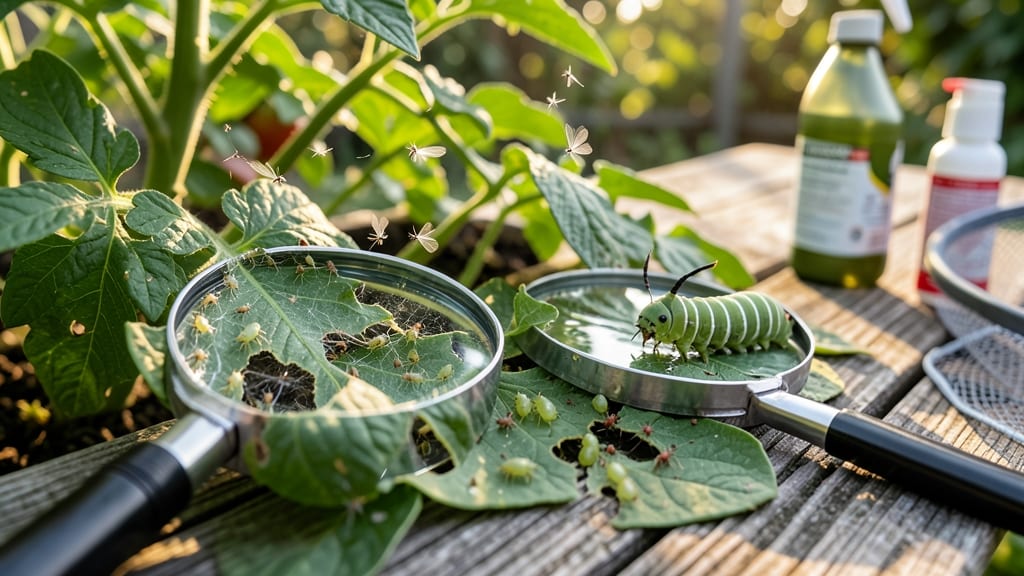
Tomato leaf pests can turn your lush plants into skeleton leaves in days—unless you act fast. 🌱 I’ve battled everything from aphid swarms to hornworm chew marks, and these natural sprays stop the damage before your harvest suffers.
The key is identifying the pest first, then hitting it with the right targeted spray. Aphids leave sticky residue, hornworms strip leaves overnight, and spider mites create fine webbing.
Most gardeners grab the first spray they see, but that’s a waste—neem oil works on aphids but not hornworms, while insecticidal soap targets soft-bodied pests only. Match the treatment to the pest, and you’ll see results in hours.
By the end of this, you’ll have a pest-fighting toolkit that keeps your tomatoes thriving without chemicals. The best part? These sprays work on other veggies too, so you’re covered for the whole season. Let’s get those leaves healthy again.
Prevention starts with healthy plants—strong stems and good airflow deter pests naturally. Crop rotation and companion planting (like basil or marigolds) reduce infestations before they begin. But when pests strike, act fast: neem oil for aphids, Bacillus thuringiensis for caterpillars, and horticultural oil for mites.
Timing matters—spray in the evening when pests are active and bees aren’t around.
If you’ve tried sprays and still see damage, check your watering habits—overhead watering spreads pests, while drip irrigation keeps leaves dry. And don’t ignore the soil: healthy roots mean stronger plants that bounce back faster. Most gardeners overlook this, but it’s the difference between a quick fix and long-term protection.
For stubborn infestations, combine sprays with physical removal—handpick hornworms or wipe off aphids with soapy water. The goal isn’t perfection; it’s keeping your tomatoes productive. With these methods, you’ll spend less time fighting pests and more time enjoying your harvest. Ready to take control?
Root Causes Of Leaf Damage
Tomato leaves don’t just get attacked by pests out of the blue—there’s usually a mix of environmental stress, poor gardening habits, and natural insect behavior at play. Understanding these root causes is the first step to stopping the damage before it starts.
Let’s break down the science behind why your tomato plants become a buffet for leaf pests.
🌱 Why it happens: When tomato plants grow too close together, airflow gets restricted. Moisture lingers on leaves longer, creating the perfect damp, shaded environment that pests like aphids, spider mites, and whiteflies love.
Poor airflow also weakens the plant’s defenses, making it easier for insects to latch on and multiply.
The science:
- Humidity buildup (above 70%) slows down the drying process of dew or irrigation water, leaving sticky residue that attracts sap-sucking pests.
- Shaded leaves (from overcrowding) produce less chlorophyll, making them less nutritious—but pests don’t care! They’re still happy to feast on weaker foliage.
- Stressed plants release volatile organic compounds (VOCs) that can actually attract pests, signaling to insects that the plant is already compromised.
Actionable fix:
- Space tomato plants 18–24 inches apart (or follow seed packet guidelines).
- Prune lower leaves to improve airflow, especially in greenhouses or high-humidity climates.
- Avoid overhead watering—use drip irrigation or soaker hoses to keep leaves dry.
🛡️ Why it happens: A tomato plant under stress—whether from nutrient deficiencies, disease, or improper watering—becomes an easy target. Pests like hornworms and flea beetles prefer stressed plants because they’re easier to overpower. Even beneficial insects (like ladybugs) avoid struggling plants, leaving them vulnerable.
The science:
- Nitrogen deficiency (yellowing leaves) makes plants less resilient to chewing pests like Colorado potato beetles.
- Overwatering or drought stress disrupts the plant’s natural defenses, including the production of secondary metabolites (like alkaloids) that deter insects.
- Fungal or bacterial infections (e.g., early blight) create entry points for pests, and some insects (like thrips) actually spread these pathogens.
Actionable fix:
- Test soil pH (aim for 6.0–6.8) and amend with compost or balanced fertilizer (10-10-10) if needed.
- Water deeply but infrequently—tomatoes hate soggy roots but also dry, crispy ones. Aim for 1–1.5 inches per week.
- Rotate crops annually to prevent soil-borne diseases that weaken plants.
🍽️ Why it happens: Some pests are drawn to tomato plants because of what you’re growing nearby, while others are lured by your own gardening habits.
For example: - Aphids and whiteflies are attracted to new growth (so over-fertilizing with nitrogen can trigger outbreaks). - Flea beetles love weedy patches near tomato beds—these act as breeding grounds. - Slugs and snails are drawn to mulch piles or decaying organic matter left too close to plants.
The science:
- Sap-sucking pests (like aphids) are drawn to high-sugar exudates—often a sign of over-fertilization or root damage.
- Chewing pests (like hornworms) target plants with soft, tender leaves, which thrive in warm, humid conditions.
- Beneficial insects (like parasitic wasps) may avoid your garden if you use broad-spectrum pesticides, leaving pests unchecked.
Actionable fix:
- Remove weeds within a 3-foot radius of tomato plants—they harbor pest eggs and adults.
- Avoid late-season nitrogen—switch to a low-nitrogen, high-phosphorus fertilizer (like 5-10-10) to toughen leaves.
- Clean up debris after harvest to eliminate hiding spots for pests.
🌡️ Why it happens: Pests don’t attack randomly—they follow temperature, humidity, and seasonal cues.
For example: - Spider mites thrive in hot, dry conditions (above 85°F), while whiteflies love warm, humid greenhouses. - Early-season pests (like flea beetles) emerge when soil temps hit 50–55°F, often before your plants are established. - Late-season outbreaks (e.g., hornworms) can explode when nighttime temps stay above 70°F.
The science:
- Relative humidity >75% slows down predatory insects (like lacewings) but speeds up pest reproduction.
- Sudden temperature swings (e.g., cold nights + hot days) stress plants, making them more susceptible to damage.
- Rainy springs can wash away natural predators, leaving pests unchecked until they multiply.
Actionable fix:
- Monitor weather forecasts and apply preventative sprays (like neem oil) before pests arrive.
- Use row covers in early spring to block flying pests like cabbage moths (hornworm hosts).
- Install fans in greenhouses to reduce humidity and deter whiteflies.
👨🍳 Why it happens: Sometimes, the problem isn’t the plant—it’s what you’re doing (or not doing).
Common gardener mistakes that invite pests include: - Using contaminated tools (pruners, trellises) that spread diseases or pest eggs. - Ignoring beneficial insects by overusing pesticides, which kills their natural predators. - Planting susceptible varieties in high-risk areas without protection.
The science:
- Systemic pesticides (like neonicotinoids) can kill pollinators and disrupt food chains, leading to pest resurgence.
- Monocropping tomatoes (growing them year after year in the same spot) depletes soil microbes that suppress pests.
- Poor sanitation (e.g., not cleaning pots between seasons) can introduce overwintering pests like aphids.
Actionable fix:
- Sterilize tools with 70% isopropyl alcohol between uses.
- Plant companion crops (like basil, marigolds, or nasturtiums) to repel pests naturally.
- Rotate plant families (e.g., don’t grow tomatoes in the same spot for 3+ years).
Quick Fixes for Leaf Problems
When tomato leaves start showing signs of pests, acting fast can save your harvest—and your sanity! Below are practical, natural solutions tailored to common causes, from chewed edges to sticky residue. Each fix includes prevention tips to keep your plants thriving long-term.
Cause: Hungry pests like hornworms, Colorado potato beetles, or flea beetles turn leaves into lace or Swiss cheese overnight.
How to Stop It:
- 🔥 Handpick & Destroy
- Inspect leaves early morning (pests are sluggish then).
- Drop chewers into soapy water or crush them (🚫 never toss them back near plants!).
- Pro Tip: 💡 Use a flashlight at dusk—many pests hide under leaves then.
- 🍳 Homemade Sprays (Safe & Fast-Acting) - Neem Oil Spray: Mix 1 tbsp neem oil + 1 tsp dish soap + 1 quart water.
Spray every 3–4 days until pests vanish. - Why it works: Disrupts pests’ life cycles and repels eggs. - Garlic Pepper Spray: Blend 4 garlic cloves + 1 tsp cayenne + 1 quart water.
Strain and spray daily for 3 days, then weekly. - Why it works: Garlic’s sulfur compounds deter chewing insects.
- 👨🍳 Physical Barriers
- Row Covers: Use floating fabric (like Reemay) to block beetles and moths before they lay eggs.
- Diatomaceous Earth (DE): Sprinkle food-grade DE around stems and leaves. Reapply after rain.
- Caution: Avoid overapplying—it can harm beneficial insects like bees.
Prevention:
- 🌡️ Plant Companion Crops: Interplant with basil, marigolds, or nasturtiums—their strong scents repel pests.
- ⏰ Rotate Plantings: Avoid growing tomatoes in the same spot yearly to break pest cycles.
Cause: Tiny sap-suckers like aphids excrete honeydew, which attracts mold and weakens plants.
How to Stop It:
- 🔪 Blast Them Off
- Use a strong stream of water (from a hose nozzle) to knock off aphids. Repeat every 2–3 days.
- Pro Tip: 🎯 Aim at undersides of leaves—that’s where they hide!
- 🥘 Natural Insecticidal Soap
- Mix 2 tbsp castile soap + 1 quart water. Spray directly on pests (avoid spraying flowers to protect pollinators).
- Why it works: Soap breaks down their waxy outer layer, dehydrating them.
- 🌿 Introduce Beneficial Bugs
- Release ladybugs, lacewings, or parasitic wasps (available at garden centers). They eat aphids on sight.
- DIY Ladybug Hotel: Fill a jar with leaves, water, and a few drops of honey. Hang it near plants.
Prevention:
- ✨ Yellow Sticky Traps: Hang yellow cards coated with petroleum jelly to catch whiteflies before they multiply.
- 🌱 Healthy Soil = Strong Plants: Amend soil with compost to boost plant resilience.
Cause: Tiny mites or thrips suck plant juices, causing leaves to curl, yellow, or develop webbing.
How to Stop It:
- 🌡️ Increase Humidity
- Spider mites thrive in dry heat. Mist plants daily or use a hose to rinse them off.
- Pro Tip: 💡 Place a shallow tray of water near plants to raise humidity naturally.
- 🍳 Oil Spray (Best for Mites)
- Mix 1 tbsp horticultural oil + 1 tsp soap + 1 quart water. Spray until leaves glisten, focusing on undersides.
- Why it works: Smothers mites and their eggs.
- 🔪 Prune & Destroy
- Snip off severely damaged leaves and dispose of them in sealed bags (🚫 compost bin—mites survive!).
Prevention:
- 🎯 Mulch Thickly: Keeps soil moist and deters mites.
- 🌿 Avoid Over-Fertilizing: Too much nitrogen attracts thrips.
If pests have taken over, combine two methods for faster results:
- Neem oil spray + row covers (for chewing pests).
- Insecticidal soap + beneficial bugs (for sap-suckers).
Last Resort: For extreme cases, use pyrethrin spray (derived from chrysanthemums)—organic but potent. Apply at dusk to avoid harming bees.
Remember: 🌱 Prevention is easier than cure! Regular inspections and healthy soil keep pests at bay. Happy gardening! 🍅
Frequently asked questions
What are the most common tomato leaf pests I should watch for?
Aphids, hornworms, spider mites, and whiteflies are the top culprits. Aphids leave sticky residue, hornworms strip leaves overnight, spider mites create fine webbing, and whiteflies cluster on leaf undersides. Check both sides of leaves daily during warm months.
How do I know if my tomato plants have a pest problem?
Look for chewed leaves, sticky residue (honeydew), curled or yellowing leaves, or tiny webs. Inspect leaf undersides and stems—pests often hide there. Early detection means faster treatment and less damage to your plants.
Can I use the same spray for all tomato pests?
No—different pests need different treatments. Neem oil works on aphids and whiteflies but won't stop hornworms. For chewing pests (like hornworms), try Bacillus thuringiensis (Bt) or handpick them. Always match the spray to the pest type.
Will homemade sprays really work, or should I buy commercial products?
Homemade sprays like neem oil or insecticidal soap work well for mild infestations! For severe cases, commercial organic sprays (like pyrethrin) can be more effective. Always test sprays on a small area first to avoid damaging plants.
How often should I check my tomato plants for pests?
Inspect your plants every 2-3 days during growing season. Early morning is best—pests are sluggish then. Focus on new growth and leaf undersides where pests love to hide. Prevention saves time and keeps your harvest healthy!