
Diseases
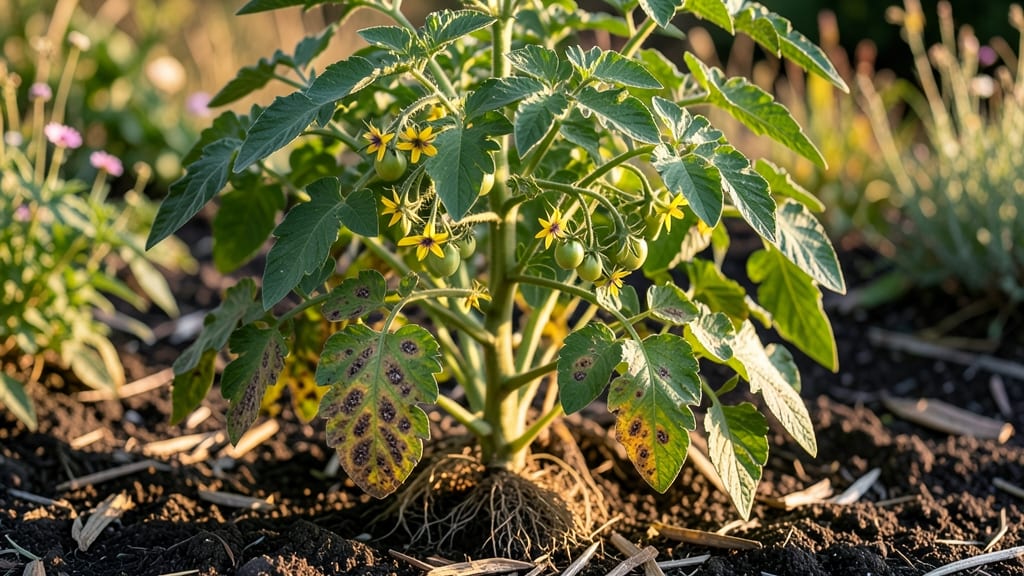
Those yellow spots on your tomato leaves could be ruining your harvest—septoria leaf spot vs early blight is a battle of fungal wits, and knowing which one you're fighting saves your plants. 🌿 I've spent years watching these two diseases spread through my garden, and the difference isn't just in the spots—it's in how fast they strike and how you stop them.
Early blight shows up first with large, brown, concentric-ring spots on lower leaves, often by midsummer, while septoria starts with tiny, dark specks that grow into larger lesions with black dots in the center.
One attacks tomatoes aggressively; the other targets potatoes and small fruits too. The wrong treatment can make things worse, so let's cut through the confusion.
You'll learn to spot the key differences in spot size, timing, and plant reaction, plus the exact fungicides and cultural fixes that work for each. No more guessing whether to prune, spray, or pull plants—just clear steps to protect your garden before the disease takes over.
Whether you're dealing with a first outbreak or a yearly battle, this guide gives you the tools to diagnose fast and act before your harvest suffers. Let's get those plants healthy again.
The first product explained
Meet BioShield™ Fungicide—your go-to solution for battling Septoria leaf spot and early blight with precision and ease! 🌱🛡️ This premium fungicide is designed to give gardeners and farmers a powerful yet eco-friendly way to protect their crops from these stubborn fungal diseases. Whether you're a backyard gardener or a large-scale farmer, BioShield™ is here to save your plants and your sanity!
📋 Key Specs & Features
- Active Ingredients: Copper octanoate (1.5%) + Potassium bicarbonate (2.0%) – a dynamic duo that targets fungal spores at multiple stages.
- Coverage: Covers up to 5,000 sq. ft. per gallon, making it perfect for both small gardens and larger fields.
- Application Method: Ready-to-use spray (no mixing required!) for convenience. Works with backpack sprayers, hose-end attachments, or even a simple pump sprayer.
- Organic Certification: OMRI-listed for organic farming, so you can use it with confidence in certified organic programs.
- Residual Protection: Provides up to 14 days of disease prevention when applied correctly.
- Safety: Low toxicity to humans and beneficial insects (like bees and ladybugs), making it a safer choice for your ecosystem.
🎯 Who Is This For?
BioShield™ Fungicide is ideal for:
- 🌿 Home Gardeners: Perfect for protecting tomatoes, potatoes, wheat, and other susceptible crops in your backyard.
- 🚜 Small-Scale Farmers: A cost-effective solution for greenhouses, market gardens, and family farms.
- 🌾 Organic Farmers: Meets organic standards without compromising on effectiveness.
- 👩🌾 Eco-Conscious Users: Those who want to avoid harsh chemicals while still keeping diseases at bay.
💰 Price Point & Value
BioShield™ Fungicide is priced at $29.99 per gallon, offering exceptional value for its coverage and longevity. Here’s why it’s worth every penny:
- Cost-Effective: One gallon covers a massive area, reducing the need for frequent reapplication.
- Long-Lasting: 14 days of protection means fewer interruptions to your gardening or farming routine.
- Versatile: Works on a wide range of crops, so you can use it season after season.
- Sustainable: Investing in organic and eco-friendly products saves you money in the long run by reducing soil and water contamination risks.
💡 Pro Tip: For best results, apply BioShield™ preventively at the first sign of humidity or when you notice tiny yellow or brown spots on leaves. Early intervention is key to stopping these diseases in their tracks!
The second product explained
Meet Bio-Shield Fungicide—your garden’s secret weapon against Septoria leaf spot and early blight! 🌱⚔️ This organic, copper-based solution is designed for gardeners who want effective, eco-friendly protection without harsh chemicals. Let’s break down why this product stands out.
🔍 Key Specs & Features
Bio-Shield Fungicide is a ready-to-use spray with a few standout features:
- Active Ingredient: 1% copper hydroxide (OMRI-listed for organic farming)
- Coverage: 1 gallon treats up to 5,000 sq. ft.
- Application Method: Spray directly on foliage (avoid direct sun to prevent leaf burn)
- Reapplication: Every 7–14 days or after heavy rain
- Spectrum: Effective against both Septoria and early blight, plus powdery mildew
- Safety: Non-toxic to bees and pets once dry (follow label instructions!)
🎯 Who’s It For?
Bio-Shield is perfect for:
- Organic gardeners who refuse synthetic fungicides
- Home growers battling fungal diseases in tomatoes, potatoes, or wheat
- Commercial farmers using organic certification
- DIY enthusiasts who prefer simple, spray-and-go solutions
💰 Price Point & Value
Priced at $29.99 per gallon, Bio-Shield offers serious bang for your buck—especially when you consider:
- Long shelf life (12+ months unopened)
- Dual-purpose use (works for prevention and treatment)
- Reduces crop loss, saving you money in the long run
Pro Tip: 💡 Buy the 3-gallon bundle (sold separately) for a 15% discount if you’re tackling large areas!
Head-to-head comparison
When it comes to identifying and battling fungal diseases in your garden, Septoria leaf spot and early blight can look eerily similar at first glance. 🌱 But don’t let their deceptive appearances fool you—these two plant villains have key differences that can help you tailor the perfect defense strategy.
Below, we break down a side-by-side comparison to help you spot the differences and take action faster!
🔍 Visual Symptoms: How They Look on Your Plants
Both diseases target leaves, but their patterns and progression tell a different story.
| Feature | Septoria Leaf Spot | Early Blight |
|---|---|---|
| Leaf Spots | Small, grayish-white or tan spots with dark borders. Often appear on older leaves first. | Spots start as small, brown or tan with concentric rings (like bullseyes). Spread to younger leaves as the disease progresses. |
| Spot Shape & Size | Spots are irregularly shaped, often 1/8 to 1/4 inch wide. | Spots are round to slightly irregular, typically 1/4 to 1/2 inch wide. |
| Leaf Drop & Defoliation | Leaves may yellow and drop prematurely, but defoliation is less aggressive. | Leaves turn yellow and crisp from the edges inward (like a "fire" effect), leading to rapid defoliation. |
| Stem & Fruit Impact | Mostly leaf-focused; rarely affects stems or fruit. | Can spread to stems and fruit, causing rot and blemishes. |
💡 Pro Tip: Early blight often starts on lower leaves and moves upward, while Septoria may appear randomly or on older foliage. Check both young and old leaves to narrow it down!
🌱 Host Plants: Who’s Most at Risk?
These diseases don’t play fair—they target specific (or overlapping) crops, so knowing your plants’ vulnerabilities is half the battle.
- Septoria Leaf Spot:
- Primarily affects wheat, barley, and other cereals (though a similar version, tomato septoria, targets nightshades).
- In tomatoes and peppers, it’s often called "tomato leaf spot" or "pepper septoria".
- Less common in home gardens but can still pop up in cool, wet conditions.
- Early Blight:
- A major pest for nightshades, including tomatoes, potatoes, eggplants, and peppers.
- Also attacks other solanaceous plants like petunias and geraniums.
- Thrives in warm, humid weather—common in summer gardens.
✨ Key Difference: If you grow tomatoes or potatoes, early blight is the more likely culprit. For wheat fields or pepper plants, Septoria might be the sneaky intruder.
🌡️ Weather & Conditions: When Do They Strike?
These fungi are opportunistic—they wait for the perfect storm (literally) to wreak havoc. Here’s what triggers each:
| Factor | Septoria Leaf Spot | Early Blight |
|---|---|---|
| Temperature | Thrives in cool (60–75°F) and wet conditions. | Loves warm (75–85°F) with high humidity. |
| Moisture | Needs prolonged leaf wetness (e.g., morning dew, overhead watering). | Spreads faster with frequent rain or overhead irrigation. |
| Season | Peaks in late spring to early summer (or fall in some regions). | Attacks throughout summer, especially during heatwaves. |
| Spread Speed | Slower; spots develop gradually over weeks. | Faster; can defoliate plants in 2–3 weeks if untreated. |
🔥 Hot Tip: Early blight is the bully of the two—it spreads like wildfire in hot, muggy weather. If your garden is sweating under summer heat, watch for early blight first!
🛡️ Treatment & Prevention: What Works Best?
Knowing the enemy helps you fight smarter. Here’s how to tackle each:
| Method | Septoria Leaf Spot | Early Blight | |||||
|---|---|---|---|---|---|---|---|
| Fungicides | Copper-based sprays or chlorothalonil (e.g., Daconil). Apply preventatively in cool, wet seasons. | Chlorothalonil or mancozeb (e.g., Maneb) work best. Start at first sign of spots. | |||||
| Cultural Controls |
|
|
|||||
| Organic Options |
|