
Leaf Blower

Tomato leaf worms can devastate your garden in days, but these organic solutions deliver fast results without harming your plants or pollinators. Discover the most effective, gardener-approved remedies to protect your tomato harvest naturally.
Handpicking Worms with Morning Dew

If you're tired of chemical sprays and want a zero-waste way to protect your tomatoes, handpicking worms at dawn is your secret weapon. The key? Worms are sluggish when the air is cool and damp—perfect conditions after morning dew forms. This method works immediately for small gardens and aligns perfectly with organic gardening principles.
Start by wearing thick gloves and gently inspecting leaves for green tomato leaf worms or their telltale droppings. Drop them into soapy water to prevent escape. Focus on new growth areas where worms lay eggs. Consistency is everything—check your plants every morning for 5-7 days to break their life cycle. This approach is especially effective for container gardens or raised beds where you can monitor plants closely.
This method is ideal for gardeners who prioritize chemical-free solutions and want to see results within days. Plus, it’s a great way to teach kids about natural pest control while keeping your garden thriving. 🌱
Neem Oil Spray for Prevention
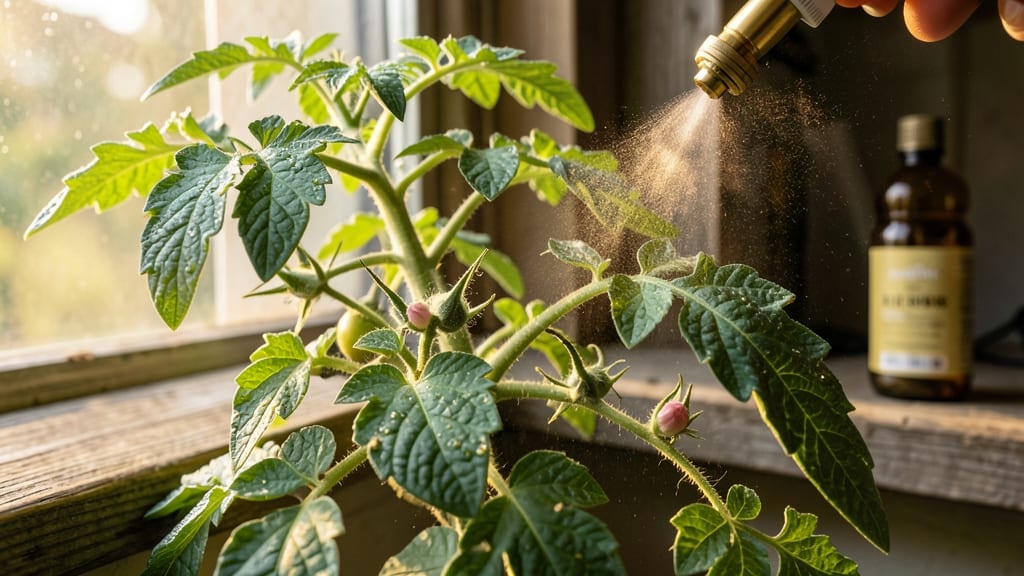
Want to stop tomato leaf worms before they even hatch? Neem oil spray is your secret weapon—this natural oil disrupts worm life cycles while strengthening your plants' defenses. Apply it as a preventative measure before blooms appear, creating a protective barrier that deters moths from laying eggs.
Mix 1 teaspoon of neem oil with 1 quart of water and a drop of dish soap for adhesion. Spray the undersides of leaves (where eggs hide) and stems thoroughly every 7-10 days during warm, dry weather. The key is consistency—neem works best when used proactively, not as a cure.
This method is perfect for gardeners who want to nourish their plants while preventing pests, making it ideal for organic certification programs or those with young tomato seedlings. 🌿
Diatomaceous Earth Barrier Treatment
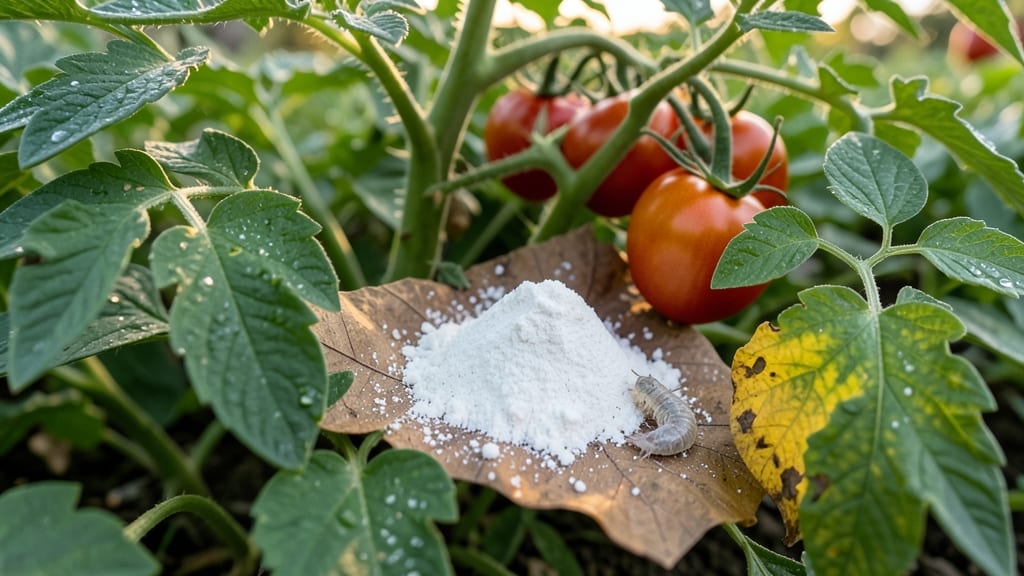
When tomato leaf worms strike, you need a solution that works fast and won’t harm your plants or pollinators—diatomaceous earth (DE) delivers. This fine, powdery mineral acts like microscopic glass shards that dehydrate worms on contact, providing a chemical-free way to protect your tomatoes without disrupting the garden ecosystem.
For best results, apply a thin layer of food-grade DE around the base of your tomato plants and lightly dust the leaves, focusing on the undersides where worms hide. The powder works best when dry—rain or watering will reduce its effectiveness, so reapply after heavy moisture. This method is especially powerful for preventing new infestations and stopping existing worms from spreading.
Gardeners with young families or pets will appreciate DE’s safety, as it’s non-toxic to humans and animals once settled. It’s also a budget-friendly option that lasts for weeks, making it perfect for container gardens or small plots where other methods might be impractical. 🌱
Bacillus Thuringiensis (Bt) Spray
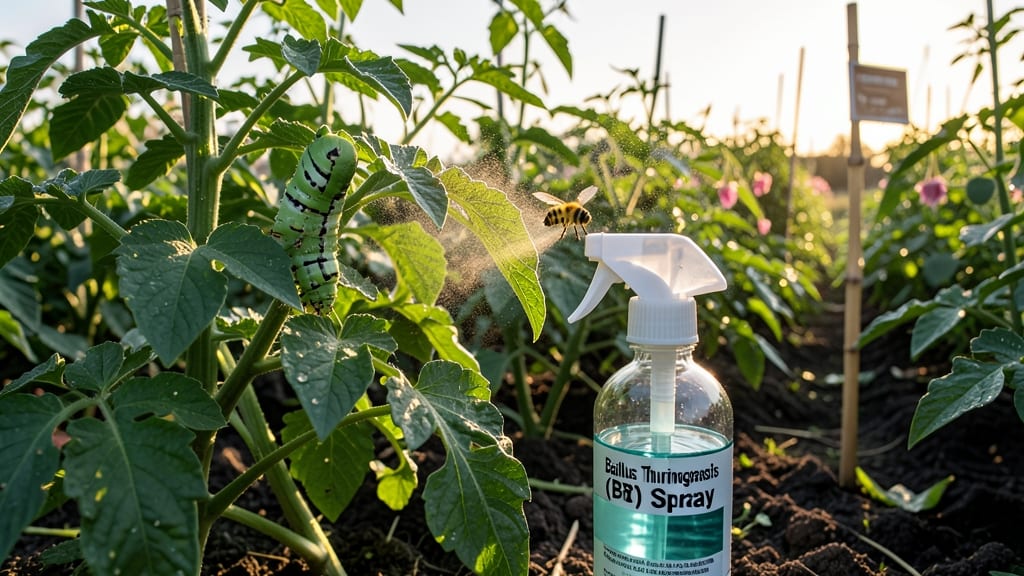
If you're struggling with tomato leaf worm infestations in your large-scale organic garden or certification program, Bacillus Thuringiensis (Bt) spray is your precision weapon. This biological pesticide targets only caterpillars—like tomato hornworms—without harming bees, ladybugs, or other beneficial insects.
Made from a naturally occurring soil bacterium, Bt spray works by disrupting the worm's digestive system, killing them within 24-48 hours after ingestion. Apply it early in the morning when worms are most active, focusing on the undersides of leaves where they feed. Reapply every 7-10 days or after rain, as it breaks down quickly in sunlight. It’s especially effective when used preventatively during peak moth flight seasons.
This solution is a game-changer for gardeners who need certified organic results without disrupting their ecosystem. Perfect for community gardens, farms, or anyone with a serious tomato worm problem! 🌱
Row Covers for Physical Protection
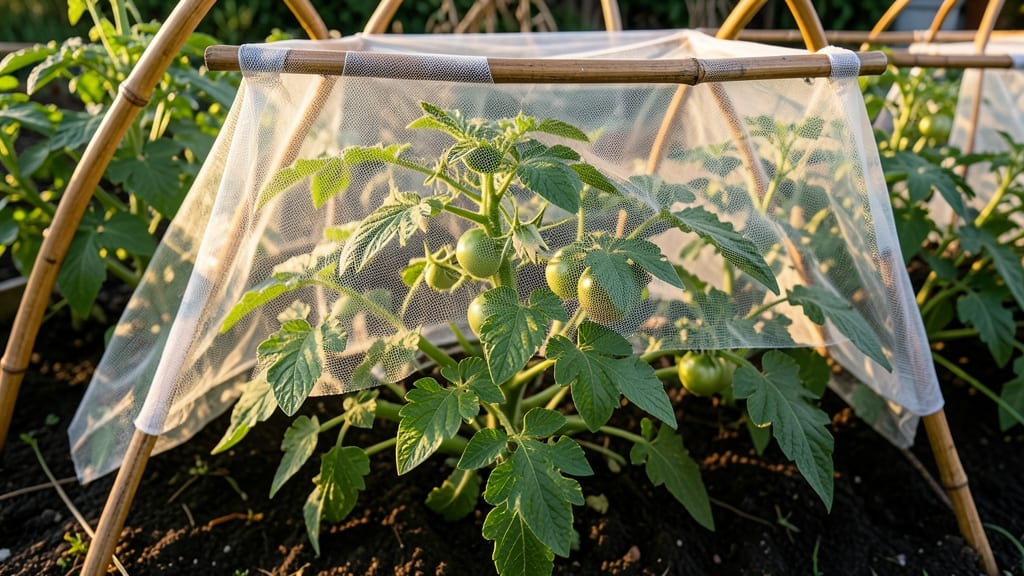
When tomato leaf worms strike with relentless precision, chemical sprays and handpicking may not be enough—especially for early season plantings or gardens plagued by recurring infestations. Row covers offer a game-changing mechanical barrier that physically blocks moths from laying eggs on your plants, giving you a head start on prevention.
Made from lightweight, breathable fabric, these covers create a physical shield that allows sunlight, water, and air to reach your plants while keeping pests out. Install them before planting or as soon as you spot early signs of moth activity—simply drape the cover over stakes or hoops and secure the edges. For severe infestations, use them until flowers appear, then remove to allow pollination. This method is particularly effective for container gardens or raised beds where traditional sprays might drift away.
Row covers are a low-maintenance, chemical-free solution that gardeners with limited time or severe pest pressure swear by. They’re also perfect for extending your growing season by protecting seedlings from late frosts and early pests—giving you a double dose of defense. 💪
Garlic and Chili Pepper Spray

When tomato leaf worms start munching through your plants, reach for the kitchen instead of the chemical shelf. A garlic and chili pepper spray is your secret weapon—it repels worms with its strong scent while giving your tomatoes a nutrient boost when you add castile soap for better adhesion.
Blend 2 chopped garlic cloves, 1 chopped chili pepper, and 1 quart of water, then strain and mix with 1 teaspoon of castile soap. Spray directly on leaves (especially undersides) every 5-7 days or after rain. The spicy aroma confuses worms, while the soap helps the solution cling longer, delivering a double benefit: pest control and plant nourishment.
This remedy is perfect for gardeners who prefer non-toxic solutions and want to avoid synthetic chemicals. It’s especially effective for container gardens or small plots where worms can strike fast. 🌱
Beneficial Nematodes Soil Treatment
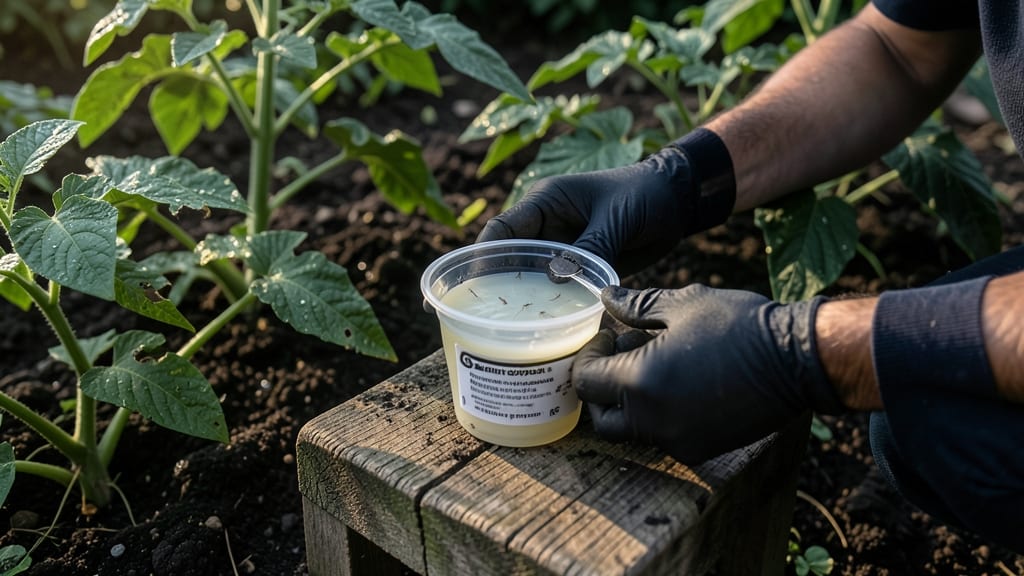
When tomato leaf worms seem to multiply overnight, beneficial nematodes offer a hidden weapon in your soil. These microscopic predators—Steinernema carpocapsae and Heterorhabditis bacteriophora—target larvae before they hatch, breaking the worm life cycle at its source.
Mix the nematodes with water (never soap) and apply during evening hours when soil temps are between 60-85°F and moisture is high. Water deeply after application to help them migrate through the soil. For best results, treat pre-planting or when you spot early signs of egg masses, like chewed leaves or frass (worm droppings).
This method is ideal for container gardeners or those with heavy infestations, as it works below ground where other sprays can’t reach. Plus, nematodes are safe for pollinators and pets—just avoid direct sunlight after application. 💚
Yellow Sticky Traps for Monitoring
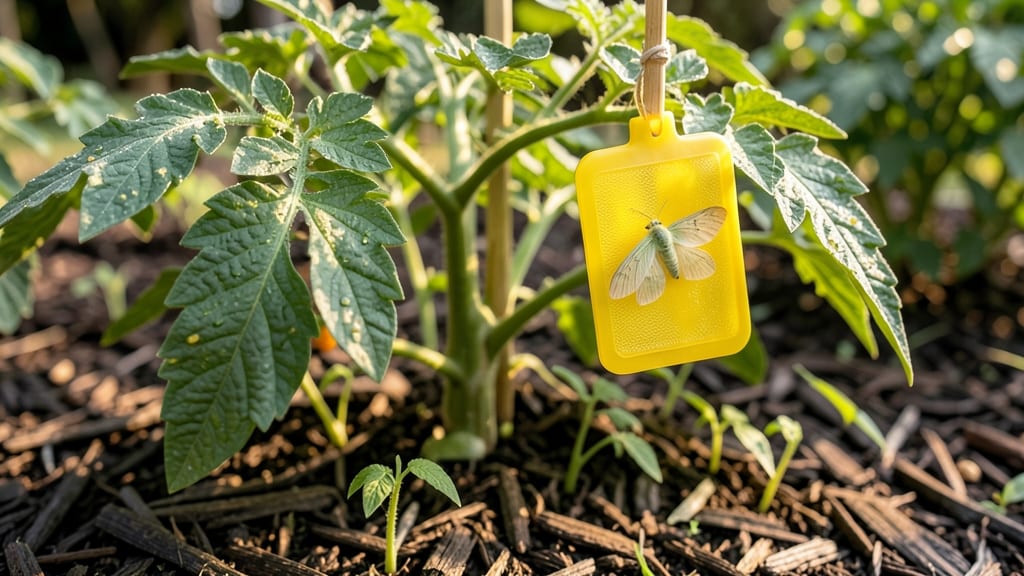
Want to catch tomato leaf worms before they even lay eggs? Yellow sticky traps are your secret weapon for early detection—this simple tool captures adult moths, giving you weeks of warning before an infestation explodes.
Place traps near your tomato plants in early spring, then check them weekly. Each moth caught means fewer eggs laid, and the data you collect helps you time other interventions like Bt spray or row covers perfectly. These traps also reveal infestation patterns, so you can adjust your garden strategy year after year.
Perfect for data-driven gardeners, these traps are especially useful for those with large tomato patches or recurring worm problems. They’re low-cost, chemical-free, and work silently in the background while you focus on other garden tasks. 🌱
Beauveria Bassiana Fungal Spray
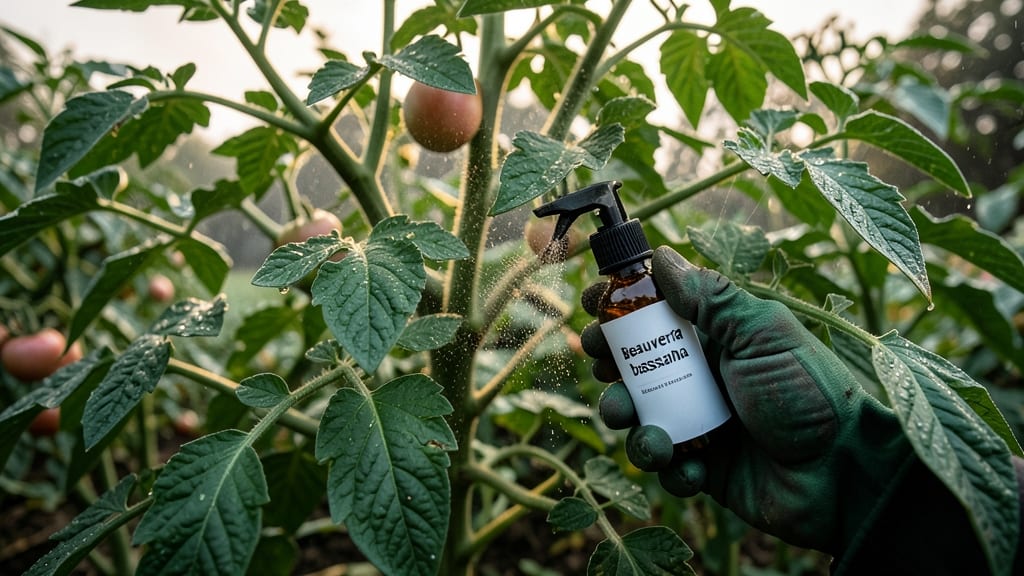
When your tomato plants face relentless attacks in humid climates, where leaf worms thrive like never before, Beauveria bassiana fungal spray becomes your secret weapon. Unlike chemical pesticides, this natural pathogen infects and kills worms internally, leaving no harmful residues on your plants or in the soil.
Simply spray the fine fungal powder suspension directly on leaves and stems when worms are most active—early morning or late evening. The spores germinate on the worm’s body, penetrating their exoskeleton within 24-48 hours. It’s especially potent in high-moisture conditions, making it ideal for greenhouses or rainy seasons where chemical sprays often wash away.
This solution is perfect for organic gardeners who want a residue-free, targeted approach without disrupting beneficial insects. Just be sure to reapply after heavy rain to maintain effectiveness. 🌿
Companion Planting Strategy

Stop tomato leaf worms before they even find your plants by creating a natural defense system with companion planting. Instead of reacting to infestations, set up a preventative ecosystem that worms actively avoid—no sprays or traps required.
Plant basil directly among your tomatoes (it repels flies and moths), scatter marigolds around the perimeter (their strong scent confuses pests), and add nasturtiums as ground cover (they trap aphids that attract worms). This trio disrupts the worm's life cycle by masking tomato odors and providing alternative food sources for beneficial insects.
Urban gardeners and small-space growers will love this zero-waste solution—just tuck these companions into containers or raised beds with tomatoes. The best part? Your plants get year-round protection with zero maintenance after planting. 🌻