
Pruning
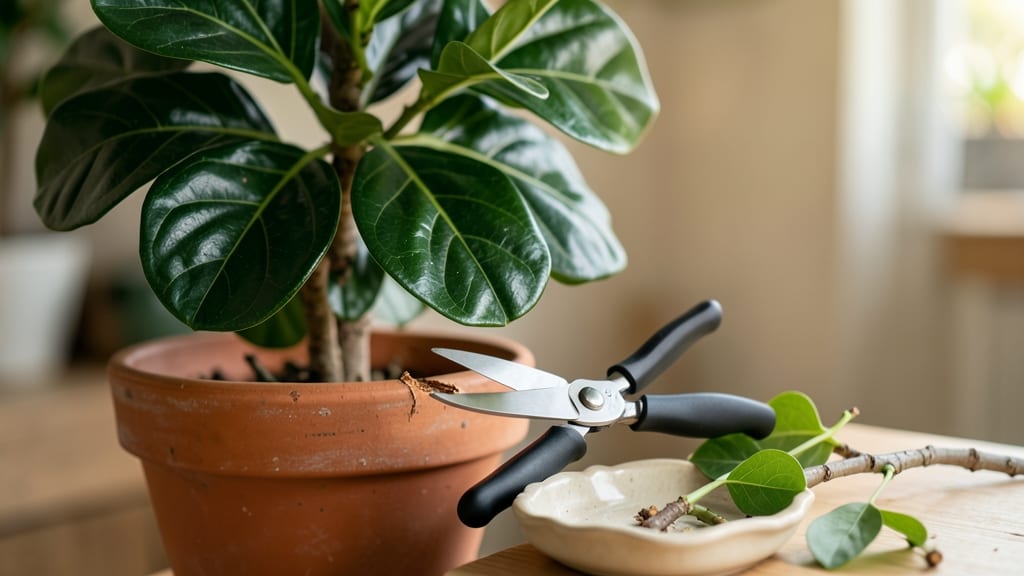
Trimming a fiddle leaf fig tree is the secret to that lush, full look you’ve been admiring in nurseries—but timing and technique make all the difference. 🌿 I’ve turned my once-sparse fig into a thriving, bushy statement piece by mastering just three simple cuts each spring.
The key? Pruning right before new growth kicks in, when the plant’s energy shifts from dormancy to expansion.
You’ll need sharp pruning shears (sterilized with rubbing alcohol), a small pot of well-draining soil for cuttings, and a bright spot with indirect light. The goal isn’t to hack away—it’s to encourage branching by cutting just above a leaf node, where new growth will sprout.
Think of it like sculpting: each snip shapes the plant’s future. Most people over-prune, leaving bare stems, so start small—remove only 10-15% of the plant’s foliage at once.
After trimming, your fig will reward you with bold new shoots within 4-6 weeks, and those cuttings you root will give you free plants. Just keep the soil lightly moist (not soggy) and avoid direct sun for the first week—your fig’s healing phase is delicate.
The result? A fuller canopy, stronger structure, and a plant that looks like it’s been growing wild for years.
Pro tip: Rotate your fig every few weeks so all sides get even light, and repeat the process in late summer for a second flush of growth. Even black thumbs can nail this—just remember: patience and precision beat aggressive pruning every time.
Your fiddle leaf fig will thank you with glossy, vibrant leaves all year.
📚 In This Guide
- What you need
- Instructions
- Tips and common mistakes
- Wrapping up and next steps
What you need
- ● Pruning shears or scissors – Sharp, clean, and sterilized (bypass pruners work best for precision cuts).
- ● Rubbing alcohol (70% or higher) – For sterilizing tools to prevent disease spread.
- ○ Small container with water – To hold cuttings for propagation (optional but handy!).
- ○ Gloves (optional but recommended) – Protects hands from sap and sharp edges.
- ● Paper towels or cloth – For wiping tools and cleaning sap off leaves.
- ● Rooting hormone – Speeds up root growth if propagating cuttings.
- ● Horticultural sealant – Helps prevent sap oozing on larger cuts.
- ● Spray bottle with water – Keeps leaves hydrated post-trim.
- ● Plant food (balanced fertilizer) – Boosts recovery after pruning.
Step-by-step instructions for trimming a fiddle leaf fig tree
Here's how I transform leggy fiddle leaf figs into fuller, more vibrant plants with just a few strategic cuts.
✂️ Step 1: Gather Tools and Assess the Tree
Start with clean, sharp pruning shears—dull blades crush stems and invite disease. I always wipe them down with rubbing alcohol before cutting to sterilize. Examine your fiddle leaf fig from all sides, looking for overly long stems (those with no leaves for 6+ inches) and crossing branches that rub together.
The key is to prune just above a leaf node—that little bump where leaves attach. You'll see these clearly along the stems. Avoid cutting at random points; precise cuts encourage bushier growth. If your tree has yellowing or brown leaves, remove those first—they're already past saving and just drain energy.
✂️ Step 2: Prune for Shape and Airflow
Begin with vertical stems that have no leaves for long stretches. Cut these back to a leaf node about 4-6 inches below where you want new growth to start. This forces the plant to branch out instead of growing tall and sparse. For horizontal branches, trim back to the main stem if they're blocking light or airflow to inner leaves.
I like to step back every few cuts to check the overall shape. Your goal is a balanced silhouette with no bare spots. Fiddle leaf figs respond well to pruning, so don't be afraid to make bold cuts—just avoid removing more than 1/3 of the plant's foliage at once. You'll see new leaves emerge from the nodes you've exposed within 4-6 weeks.
🌿 Step 3: Encourage Bushier Growth
After shaping, focus on promoting branching. Look for the topmost leaf node on each stem—this is where you'll make a diagonal cut just above the node. The angle helps water run off, preventing rot. For thick stems, you can also make a second cut just below the first at a 45-degree angle to create a cleaner wound.
Here's the thing—fiddle leaf figs grow best with bright, indirect light after pruning. Move your tree to a spot where it gets morning sun and afternoon shade for the first 2 weeks. You'll notice new leaves starting to unfurl from the nodes you've cut above. These will be smaller at first but will grow larger as the plant adjusts.
💧 Step 4: Care for Your Trimmed Tree
Water lightly for the first week after pruning—your fig doesn't need as much moisture while it focuses on new growth. Stick your finger 1-2 inches into the soil before watering; if it feels dry, give it a drink. Overwatering now can lead to root rot, which your freshly pruned tree is more susceptible to.
Fertilize with a balanced liquid fertilizer (like 10-10-10) diluted to half strength 4-6 weeks after pruning. This gives your fig the nutrients it needs to support new leaves. Avoid fertilizing right after trimming—the plant needs time to recover first. You'll see the biggest improvement in 3-4 months, when your tree is fully adjusted to its new shape.
Tips & tricks for perfect fiddle leaf fig trimming
Transforming your fiddle leaf fig into a lush, bushy beauty starts with these key insights that'll keep your plant thriving after the cuts.
Tool Prep is Non-Negotiable: I've ruined more cuts than I can count using dull pruning shears—always sterilize your tools with rubbing alcohol first. The alcohol kills bacteria that could infect fresh cuts, especially important when you're exposing those vulnerable leaf nodes. For stubborn stems, I like to use a small amount of floral oil on the blades to make cutting through thicker growth smoother.
The 4-6 Inch Rule: When pruning those leggy vertical stems in Step 2, remember this measurement is your guide for new growth placement. Cutting back to a node 4-6 inches below where you want growth to start gives your fig enough energy to develop strong new branches. Pro tip: Use a ruler to mark your cut points before making the snip—this prevents those "oops, I cut too close" moments that leave you with bare stems.
Light Matters More Than You Think: After pruning, fiddle leaf figs crave bright, indirect light to recover properly. I've seen plants struggle when moved to dim corners—they either grow weak new leaves or develop those dreaded brown spots. For the first two weeks, position your tree near an east-facing window where it gets gentle morning sun. If you don't have ideal lighting, a grow light on a timer for 12-14 hours daily works wonders for recovery.
Water Wisdom: The first week after trimming is critical for water management. I can't stress enough how tempting it is to give your plant extra love after all that cutting, but overwatering now can drown your fig's recovery. That 1-2 inch soil check becomes your new best friend—only water when the top layer feels completely dry. Think of it as giving your plant a chance to heal before it has to focus on hydration.
Pro Tips for Trimming A Fiddle Leaf Fig Tree
- Transforming your fiddle leaf fig into a lush, bushy beauty starts with these key insights that'll keep your plant thriving after the cuts.
- Tool Prep is Non-Negotiable: I've ruined more cuts than I can count using dull pruning shears—always sterilize your tools with rubbing alcohol first.
- The 4-6 Inch Rule: When pruning those leggy vertical stems in Step 2, remember this measurement is your guide for new growth placement.
Frequently asked questions
Got questions about trimming your fiddle leaf fig? You’re not alone! Here are some of the most common concerns—and their answers—to help you prune with confidence.
When is the best time to trim a fiddle leaf fig?
Trim your fiddle leaf fig in early spring (just as new growth begins) or late winter to encourage healthy regrowth. Avoid trimming during winter dormancy or in extreme heat—these times stress the plant. Pro tip: If you spot leggy growth or yellow leaves year-round, light pruning is fine anytime!
How do I know which leaves to cut?
Focus on yellow, brown, or damaged leaves first—they’re dead weight. For shaping, trim back leggy stems to an outward-facing leaf or node (about 1/3 of the stem). Avoid cutting healthy leaves unless you’re promoting bushiness. Pro tip: Use clean, sharp pruners to prevent tearing stems!
Will trimming stunt my fiddle leaf fig’s growth?
Not if done right! Pruning actually stimulates growth by redirecting energy to new branches. Over-trimming (cutting >30% of foliage) may cause shock, but light, strategic cuts encourage fuller, bushier growth. Think of it like a haircut—less is often more!
Do I need to do anything special after trimming?
Yes! After trimming, reduce watering for 1–2 weeks to help the plant recover. Place it in bright, indirect light and avoid fertilizing until new growth appears. Pro tip: Wipe down leaves with a damp cloth to remove dust, which helps the plant focus energy on healing.
Can I propagate my fiddle leaf fig from trimmings?
Place 4–6 inch stem cuttings in water or moist perlite to root. Keep them in bright, indirect light and change the water every 3–5 days. Roots should form in 2–4 weeks. Pro tip: Use a rooting hormone for faster results!
Wrapping up and next steps
Trimming your fiddle leaf fig tree isn’t just about keeping it neat—it’s about unlocking its full potential! With the right tools, timing, and technique, you’ll encourage lush, bushier growth and a stronger plant.
Remember, confidence comes with practice, so don’t hesitate to start small and observe how your tree responds.
Ready to take the next step? Monitor your plant’s progress after pruning—adjust future cuts based on its growth patterns. And if you’re feeling inspired, explore advanced shaping techniques or even propagating those trimmings for new plants! Your green thumb is growing stronger every day—keep it up! 🌿✨