
Neem Oil
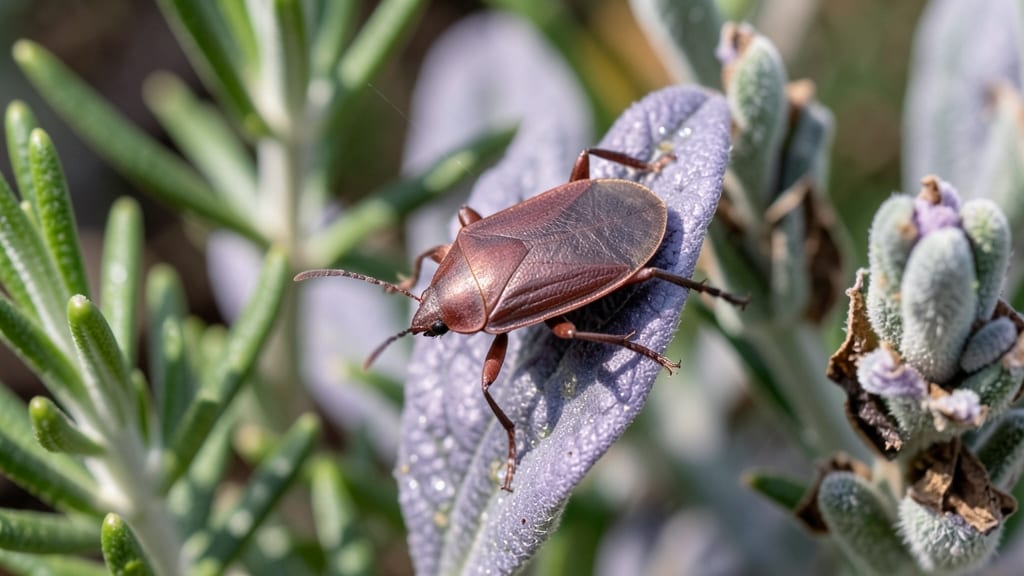
Those tiny, wedge-shaped vespine leaf bugs are a dangerous, fast-moving crisis—this pest can skeletonize leaves in days. 🌿 I’ve watched them turn vibrant foliage into lace in just a week, and the damage spreads like wildfire if you don’t act.
These pests aren’t just annoying; they drain sap, stunt growth, and leave plants weak enough for secondary infections to take hold.
The good news? Neem oil isn’t just a remedy—it’s your first-line defense when applied correctly. Within 24-48 hours of treatment, you’ll see them drop off, and new growth will start looking healthier.
The key is timing: spray when bugs are active (early morning or late evening) and repeat every 5-7 days until they’re gone. No harsh chemicals needed—just targeted, organic action.
You’ll recognize an infestation by the speckled, yellowing leaves and sticky residue called honeydew. Left unchecked, these bugs can ruin entire plants, but with neem oil, you’ll reclaim control fast.
The spray disrupts their life cycle while strengthening plant resilience, so you’re not just fighting symptoms—you’re breaking the cycle for good.
Works for vegetables, ornamentals, and houseplants alike, but act before they spread. Here’s the exact protocol to eliminate them in under two weeks—no guesswork, just results. Let’s get started.
Root Causes of Vespine Leaf Bug Infestations
Understanding why Thaumastocoris peregrinus, the vespine leaf bug, becomes a garden menace requires peeling back the layers of its biology, habitat preferences, and environmental triggers. These tiny but aggressive insects don’t just appear out of nowhere—they’re drawn to specific conditions that turn your plants into their ideal buffet.
Let’s break down the science behind their sudden invasions and how to recognize the red flags before they strike.
The vespine leaf bug has a knack for targeting weakened hosts. When plants are stressed—whether from drought, poor soil nutrition, or overcrowding—their defenses drop, making them easier prey. Here’s why this happens:
- Nutrient Deficiency: Plants low in nitrogen or phosphorus produce thinner, less resilient leaves. Vespine leaf bugs love tender new growth because it’s easier to pierce with their stylets (mouthparts). Look for yellowing leaves or stunted growth as early warning signs.
- Water Stress: Drought-stressed plants release volatile organic compounds (VOCs) that act like a chemical distress signal to bugs. Studies show that T. peregrinus is drawn to these VOCs, especially in arid conditions. Overwatering can also create soggy soil, attracting fungal issues that further weaken plants.
- Competition for Space: Overcrowded gardens create microclimates with high humidity and limited airflow. These bugs thrive in humid, sheltered environments where predators (like ladybugs or lacewings) can’t patrol effectively.
Actionable Fix: Prune crowded branches to improve airflow, mulch to retain moisture, and fertilize with a balanced NPK (e.g., 10-10-10) to bolster plant resilience. Healthy plants are the first line of defense.
The vespine leaf bug is a tropical and subtropical specialist, and its populations explode when temperatures and humidity align with its preferences. Here’s the science:
| Factor | Vespine Leaf Bug’s Sweet Spot | Why It Matters |
|---|---|---|
| Temperature | 75–90°F (24–32°C) | Bugs enter a reproductive frenzy above 80°F. Eggs hatch faster, and nymphs mature in just 10–14 days under these conditions. |
| Humidity | 60–80% relative humidity | High humidity slows desiccation (drying out), allowing bugs to thrive without seeking shelter. Below 50%? They retreat to leaf undersides, making them harder to spot. |
| Rainfall | Moderate, frequent showers | Light rain washes away natural predators (like spiders) but leaves bugs unharmed. Heavy rain can drown eggs, but they rebound quickly in warm weather. |
Actionable Fix:
- Monitor local weather forecasts and act preemptively during heatwaves (e.g., apply neem oil before infestations peak).
- Use shade cloth in greenhouses or hot climates to keep temps below 85°F.
- Install dehumidifiers in greenhouses or use fan circulation to disrupt their comfort zone.
In their native Australia, vespine leaf bugs face natural checks from predators like parasitic wasps and predatory mites. But in new territories (like the U.S. or Europe), they often outcompete local insects because:
- No Co-Evolution: Native predators haven’t adapted to hunt T. peregrinus efficiently. Their fast reproduction cycle (up to 3 generations per year) outpaces predator populations.
- Chemical Defenses: These bugs produce toxic saliva when feeding, which can repel some predators while leaving others (like ants) indifferent.
- Habitat Monoculture: Gardens with single-species plantings (e.g., a rose bush jungle) provide no refuge for predators. Diverse ecosystems naturally regulate pest populations.
Actionable Fix:
- Introduce beneficial insects like Macrolophus pygmaeus (a predatory bug) or Amblyseius cucumeris (a mite) if local regulations allow.
- Plant companion plants like marigolds or basil, which attract predator-friendly pollinators.
- Avoid broad-spectrum pesticides, which kill both pests and their natural enemies.
Vespine leaf bugs are hitchhikers, and human actions often accelerate their spread:
- Plant Trade and Travel: Infested nursery stock or cuttings are the #1 way these bugs jump to new areas. A single contaminated plant can introduce hundreds of bugs to a garden.
- Urbanization: As cities expand, greenhouse and indoor gardening create warm, humid microclimates—perfect for vespine leaf bugs to thrive year-round.
- Global Shipping: Containers and cargo from Australia (their origin) may carry egg-laden debris, leading to regional outbreaks.
Actionable Fix:
- Quarantine new plants for 2 weeks before introducing them to your garden.
- Inspect leaf undersides and stems (their favorite hiding spots) with a magnifying glass before bringing plants home.
- Report sightings to local agricultural extensions to help track and contain outbreaks.
Pro Tip: 🔍 Early detection is key. Check plants weekly for:
- Tiny black specks (fecal droplets) on leaves.
- Silver or white stippling on upper leaf surfaces.
- Sticky honeydew residue (a sign of heavy feeding).
Natural Remedies to Eliminate Leaf Bugs
Discovering vespine leaf bugs on your plants can feel like a nightmare—especially when they’re causing damage and spreading quickly. The good news? You don’t need harsh chemicals to tackle them. With the right approach, you can eliminate these pests safely and effectively while protecting your garden.
Below, we break down targeted solutions based on the root cause of your infestation, from manual removal to organic sprays, so you can reclaim your plants without stress.
Cause: Early-stage clusters or isolated bugs on young plants. Fix: If you catch the problem early, a hands-on approach can save your plants before the bugs multiply.
- 👨🍳 Step 1: Inspect Thoroughly
- Wear gloves and examine leaves, stems, and undersides of foliage. Look for small, shield-shaped bugs (adults) or tiny white eggs clustered on stems.
- Focus on new growth, as this is where they love to hide.
- 🔪 Step 2: Remove by Hand or Brush
- For adults: Gently scrape them off with a soft brush or your fingers (drop them into soapy water immediately to kill them).
- For eggs: Use a damp cloth or cotton swab to wipe them away. Check stems and leaf joints—these are prime egg-laying spots.
- ⏰ Step 3: Monitor Daily
- Repeat this process for 3–5 days to ensure you’ve caught all stages. Miss even a few eggs, and you’ll be back to square one.
💡 Pro Tip: Do this in the early morning when bugs are sluggish and easier to spot. Avoid shaking plants, as this can spread bugs to nearby foliage.
Cause: Widespread bugs, eggs, or resistant populations that manual removal can’t handle. Fix: Neem oil is a powerhouse for organic pest control—it disrupts feeding, growth, and reproduction while being safe for plants (and pets) when used correctly.
- 🍳 Step 1: Mix the Solution
- Combine:
- 1 tablespoon neem oil (100% cold-pressed, organic)
- 1 teaspoon mild liquid soap (like Castile soap, to help it stick)
- 1 quart (32 oz) of water
- Stir well in a spray bottle. Shake before each use—neem oil separates.
- Combine:
- 🌿 Step 2: Apply Systemically
- Spray both sides of leaves, stems, and the undersides of foliage (where eggs hide).
- Focus on new growth and areas with visible bugs.
- For stubborn infestations, add 1 teaspoon of horticultural oil to boost effectiveness.
- ⏰ Step 3: Reapply Strategically
- Spray every 5–7 days for 2–3 weeks to cover all life stages (eggs, nymphs, adults).
- Best timing: Early morning or late evening to avoid burning leaves in direct sunlight.
🔥 Hot Tip: If bugs persist after 2 weeks, try a second spray with added garlic or chili pepper oil (1 tsp each) for extra repellent power.
Cause: Recurring infestations due to favorable growing conditions or lack of natural predators. Fix: Outsmart leaf bugs by creating an unfriendly environment with companion plants that repel them or attract their predators.
| Plant to Add | Why It Works | How to Use |
|---|---|---|
| Marigolds | Release a scent that repels leaf bugs and other pests. | Plant in borders around vulnerable plants. |
| Basil | Contains compounds that deter bugs while improving flavor in your garden. | Interplant with tomatoes, peppers, or herbs. |
| Garlic & Onions | Strong odor masks plant scents that attract leaf bugs. | Grow near roses, fruit trees, or veggies. |
| Ladybugs (Beneficial Insects) | Natural predators of leaf bugs; release them in the evening. | Purchase from garden centers or attract with dill/oregano. |
🎯 Prevention Gold Star: Plant nasturtiums as a “trap crop”—leaf bugs prefer them over your prized plants, so they’ll flock there instead!
Cause: Poor sanitation leading to repeated infestations. Fix: Break the leaf bug life cycle by maintaining a clean, healthy garden ecosystem.
- 🌱 Prune Regularly
- Remove yellowing or damaged leaves (bug hotspots) and dispose of them in sealed bags outside your garden.
- 💦 Water Wisely
- Avoid overhead watering, which can spread eggs. Use drip irrigation or water at the base of plants.
- 🕳️ Mulch Strategically
- Apply straw or wood chips around plant bases to smother eggs and deter crawling bugs.
- 🔄 Rotate Plants
- Leaf bugs target specific plants (like citrus, roses, or beans). Rotate crops annually to disrupt their life cycle.
With these targeted solutions, you’ll not only eliminate current leaf bug problems but also prevent future outbreaks naturally. Start with manual removal for small issues, then escalate to neem oil for heavier infestations—your garden will thank you!
For stubborn cases, combine methods (like neem + companion planting) for a one-two punch against these pesky invaders.
Frequently asked questions
Are vespine leaf bugs poisonous to humans?
No, these bugs aren't poisonous to humans, but their saliva can cause mild skin irritation if you handle infested plants without gloves. The real danger comes from their feeding—when they pierce leaves, they inject toxins that stunt plant growth and create entry points for fungal infections. Always wear gloves when inspecting or treating affected plants.
How quickly can a vespine leaf bug infestation spread?
These pests multiply rapidly in ideal conditions (75–90°F and 60–80% humidity). A single female can lay up to 100 eggs in her lifetime, and nymphs mature in just 10–14 days. If untreated, they can skeletonize leaves in 5–7 days, leaving plants weakened and vulnerable to secondary pests. Early detection is critical!
Will neem oil kill vespine leaf bug eggs?
Yes, but it requires consistent application. Neem oil disrupts the eggs' ability to hatch by interfering with their hormonal development. For best results, spray every 5–7 days for 3 weeks—this covers all life stages (eggs, nymphs, adults). The soap in your mix helps the solution adhere to leaf surfaces where eggs hide.
Can I use neem oil on edible plants like vegetables?
Neem oil is safe for edible plants when used as directed. Always harvest and wash produce thoroughly before eating, especially if you've sprayed within 24 hours of harvest. The oil breaks down quickly in sunlight, so no residue remains. Just avoid spraying flowers or buds if you're growing for seed.
What plants are most vulnerable to vespine leaf bugs?
These pests target tender, fast-growing plants like citrus, roses, beans, tomatoes, peppers, and herbs. They particularly love new growth and soft leaves, so monitor these areas closely. Container plants are also at higher risk because their roots can't access deep moisture, making them more stressed and attractive to bugs.