
Neem Oil
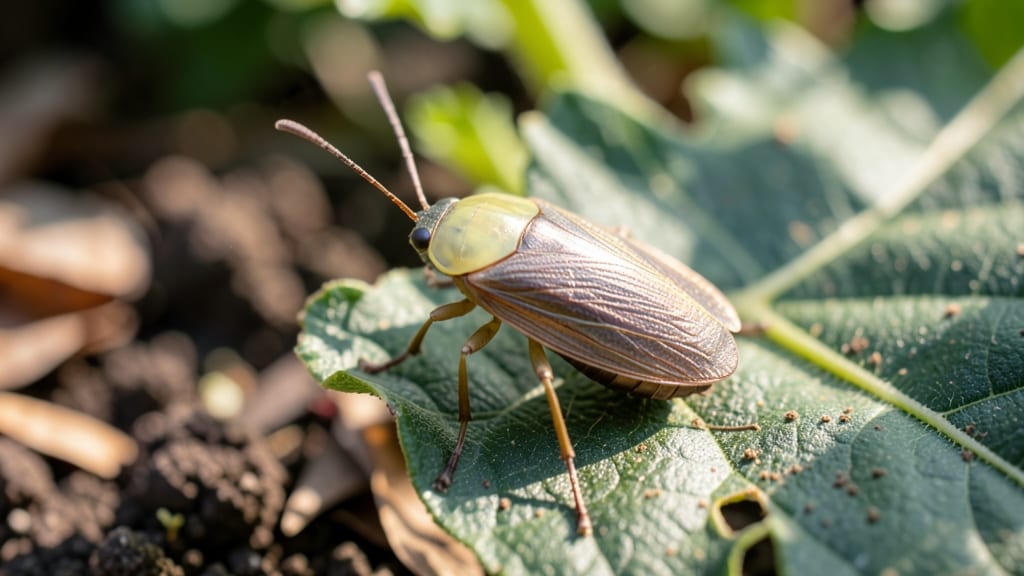
That tiny black bug with the white "V" on its back is wrecking your garden faster than you can say "fungal spot." 🌿 The vespine leaf bug isn’t just a nuisance—it leaves behind sticky honeydew that triggers sooty mold, turning your plants’ leaves into blackened messes.
I’ve battled these pests in my own garden, and neem oil isn’t just a solution—it’s a fast game-changer when applied right. These bugs love feasting on roses, azaleas, and fruit trees, but their damage isn’t just cosmetic.
The honeydew they excrete creates the perfect breeding ground for fungal infections, which is why you’re seeing those ugly black spots spreading. The good news? Neem oil disrupts their life cycle while also preventing secondary infections, giving your plants a fighting chance.
By the end of this guide, you’ll know exactly how to mix, spray, and reapply neem oil to stop the cycle in its tracks—within days, not weeks. Your plants will start looking healthier almost immediately, with fewer sticky deposits and no more sooty mold creeping in.
Works for roses, shrubs, and even vegetable gardens where these pests hide. Let’s get your plants back to thriving!
Root Causes Of Leaf Damage
The vespine leaf bug (or similar sap-sucking insects) wreaks havoc on plants by feeding on their juices, leaving behind unsightly damage. But why do these pests target your garden in the first place?
Understanding the underlying reasons helps you take proactive steps to prevent infestations. Here’s a breakdown of the key factors driving their behavior:
Bugs thrive where plants are packed too closely together. Dense foliage creates:
- Shaded, humid microclimates—ideal for bugs to hide and reproduce undetected.
- Reduced airflow, slowing down natural pest predators like ladybugs and lacewings.
- Stressed plants with weakened defenses, making them easier targets for sap-suckers.
Actionable fix: Prune regularly to improve spacing and sunlight exposure. Thin out overgrown branches to break up hiding spots.
Plants under stress—whether from drought, poor soil, or nutrient deficiencies—emit chemical signals that attract pests. Sap-sucking bugs like the vespine leaf bug are drawn to:
- High sugar content in stressed leaves (a bug’s favorite snack!).
- Damaged or wounded foliage, which oozes sap and signals "easy access."
- Lack of secondary metabolites (like tannins), which healthy plants produce to repel insects.
Actionable fix: Boost plant health with balanced fertilization (rich in nitrogen, phosphorus, and potassium) and consistent watering. Avoid overwatering, which invites fungal issues that further stress plants.
These bugs follow a life cycle triggered by temperature and humidity. Key patterns include:
- Spring emergence: Warmth kickstarts egg hatching, leading to rapid population growth.
- Summer peak activity: High humidity and lush foliage provide perfect breeding conditions.
- Fall migration: As temperatures drop, adults seek sheltered spots (like leaf litter or bark) to overwinter.
Actionable fix: Monitor plants during spring and summer for early signs of infestation. Use neem oil or insecticidal soap as a preventive spray every 2–3 weeks during peak seasons.
Your garden’s layout and habits may unintentionally invite pests. Common culprits:
- Monoculture plantings (e.g., rows of identical host plants) create a bug buffet.
- Ignored debris (fallen leaves, wood piles) provides shelter for overwintering adults.
- Overuse of broad-spectrum pesticides, which kill beneficial predators (like spiders or birds) that naturally control bug populations.
Actionable fix: Diversify plant species to disrupt bug "hotspots." Clear garden debris annually and introduce native pollinators (e.g., bee houses) to restore ecological balance.
Pro tip: 💡 Combine these strategies with neem oil sprays for a two-pronged defense—repel bugs and strengthen plant resilience. Early intervention is key to stopping damage before it spreads!
Quick Fixes for Leaf Spot Woes
Got those pesky leaf spots ruining your plants? Whether it’s the work of a vespine leaf bug or another culprit, these targeted solutions will help you reclaim your garden’s health—fast. Below, we break down the most common causes and the best fixes, from quick remedies to long-term prevention.
If leaf spots are paired with tiny holes, wilting, or sticky residue, sap-sucking insects (like the vespine leaf bug) are likely the culprits. These pests weaken plants, making them vulnerable to fungal infections.
🍳 Immediate Action: Manual Removal
- Inspect closely – Check the undersides of leaves for tiny, shield-shaped bugs (vespine leaf bugs are often brown or green with a pointed head).
- Knock ‘em off – Use a strong stream of water from your hose to dislodge them.
Do this in the early morning when bugs are sluggish. 3. Handpick – For severe infestations, wear gloves and pluck bugs off leaves, dropping them into soapy water.
👨🍳 Neem Oil Spray: The Fungal & Pest Double Whammy
Neem oil isn’t just for fungi—it’s a powerhouse against soft-bodied insects like leaf bugs.
Here’s how to use it effectively: - Mix it right: Combine 1 tbsp neem oil + 1 tsp mild dish soap + 1 quart of water.
The soap helps the oil stick to leaves. - Spray thoroughly – Focus on the undersides of leaves (where bugs hide) and stems. Reapply every 5–7 days until the problem clears. - Best timing: Apply in the early evening to avoid harming beneficial insects like bees.
> 💡 Pro Tip: If you spot black sooty mold (a fungal hitchhiker on bug honeydew), neem oil will tackle that too!
If your plants show yellow/brown spots with fuzzy edges (classic fungal signs), act fast before it spreads.
✨ Cleanup First: Remove the Problem
- Prune infected leaves – Use sterilized scissors (wipe with rubbing alcohol) to cut off spotted leaves and dispose of them in the trash (not compost).
- Space out plants – Fungi thrive in humid, crowded conditions. Thin out foliage to improve airflow.
🎯 Fungal Spray Solutions
| Method | How to Use | Frequency |
|---|---|---|
| Neem Oil Spray | Mix as above, add 1 tsp baking soda for extra antifungal power. | Every 7–10 days until cured |
| Copper Fungicide | Follow label instructions; great for severe cases. | Every 2–3 weeks |
| Baking Soda Spray | 1 tbsp baking soda + 1 quart water + few drops of soap. | Weekly (preventative) |
> 🔥 Hot Tip: Water at the base, not the leaves, to keep foliage dry—fungi love moisture!
Once your plants are healthy, lock in those gains with these habits:
- 🌿 Healthy Soil = Strong Plants
- Amend soil with compost to boost plant resilience.
- Use mulch (2–3 inches) to deter pests and retain moisture without over-saturating leaves.
- 🕵️♂️ Regular Scouting
- Check plants weekly for early signs of bugs or spots. Catch problems before they explode!
- 🌞 Sun & Air = Fungus’ Worst Nightmare
- Ensure 6+ hours of sunlight daily.
- Space plants 12–18 inches apart for airflow.
- 🐝 Friendly Garden Balance
- Attract ladybugs, lacewings, and parasitic wasps—they eat leaf bugs naturally!
- Plant marigolds, basil, or garlic nearby as pest-repelling companions.
By combining manual removal, neem oil sprays, and smart prevention, you’ll keep your plants spot-free and bug-busting in no time. 🌱✨
Frequently asked questions
What do vespine leaf bugs look like?
These tiny pests are usually 1/8 to 1/4 inch long with a distinctive shield-shaped body and a pointed head. They often have a brown or green coloration with a white "V" or stripe pattern on their backs. Look for them hiding on the undersides of leaves or along stems during early morning hours.
How do I know if my plants have a vespine leaf bug infestation?
Watch for stunted growth, yellowing leaves, and sticky honeydew on foliage. These bugs pierce plant tissues to feed on sap, leaving behind tiny white specks or scars. The honeydew they produce often attracts sooty mold, creating black fungal growth on leaves. Check both leaf surfaces and stems carefully.
Can neem oil harm beneficial insects like bees?
When used correctly, neem oil is safe for bees if applied in the early evening or late afternoon when they're less active. Avoid spraying when flowers are open. The key is to use the right dilution (1 tbsp neem oil + 1 tsp mild soap per quart of water) and target only affected areas.
How often should I reapply neem oil for leaf bugs?
For active infestations, spray every 5-7 days until you see improvement. Once the bugs are gone, switch to a preventive schedule of every 2-3 weeks during peak growing seasons (spring and summer). Always apply in the evening for best results. Remember to rotate with other organic methods like insecticidal soap.
What plants are most vulnerable to vespine leaf bugs?
These pests particularly target roses, azaleas, fruit trees (especially citrus and stone fruits), and vegetable plants like tomatoes and peppers. They also love herbaceous perennials and young seedlings. If you notice damage on these plants, check for the tiny bugs immediately.