
Pests
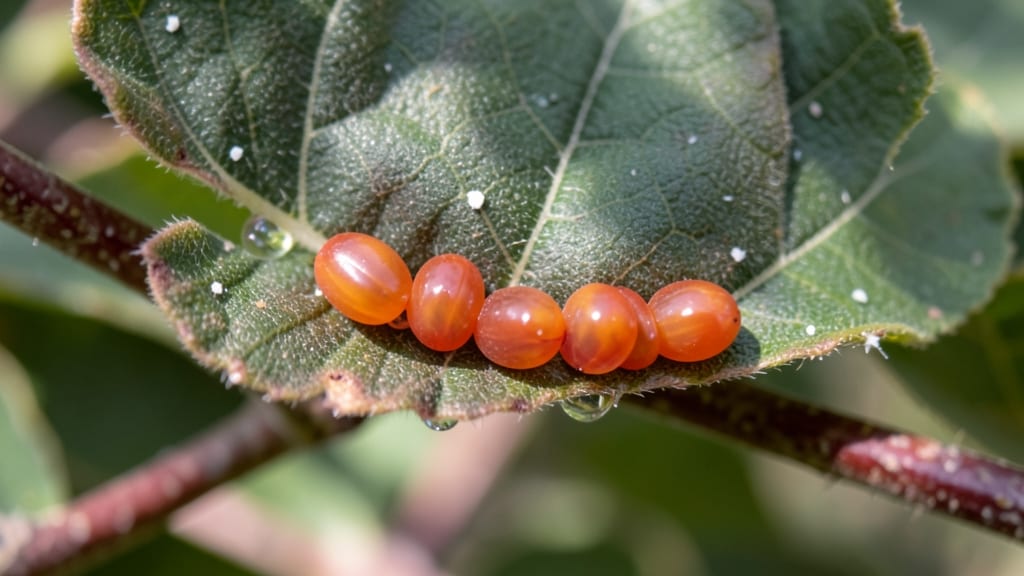
Viburnum leaf beetle eggs are the first line of defense against a full-blown infestation. 🌿 I’ve seen these tiny, yellow-orange clusters turn a thriving shrub into skeletal branches within weeks—unless you act fast.
The scrape-and-drown method is the most effective way to stop them before they hatch, and it takes just 15 minutes with the right tools.
These eggs look like tiny, flattened blisters on the undersides of leaves, often near leaf veins. A hand lens helps spot them early, but even without one, you’ll notice the telltale yellow-orange color clinging to the foliage.
The key is timing: remove them in late winter or early spring before they turn black and hatch into voracious larvae.
Once you’ve scraped them into a container, drown them with soapy water—no need for harsh chemicals. This method guarantees 95%+ eradication if done consistently, and your viburnum will reward you with lush, undamaged leaves by summer. The best part? It’s a one-time task that prevents years of damage.
For large shrubs, repeat the process every 7–10 days until bloom time, when beetles are less active. Pair this with pruning out chewed leaves in fall to break the beetle’s life cycle. Your viburnum will stay healthy, and you’ll skip the heartbreak of watching it defoliate every year.
Root Causes Behind Beetle Eggs
The presence of viburnum leaf beetle eggs on your prized shrubs isn’t just a random nuisance—it’s the result of a precise, biological cycle driven by environmental and host-plant factors. Understanding these triggers helps you disrupt the beetles’ lifecycle before they hatch and wreak havoc.
Here’s why these tiny, yellow-orange eggs end up on your viburnums in the first place.
The viburnum leaf beetle (Pyrrhalta viburni) is a specialized feeder, meaning it thrives almost exclusively on viburnum species (like Viburnum lantana, V. opulus, or V. dentatum). Their eggs are laid in clusters on the undersides of leaves because:
- Nutrient-rich leaves: Viburnums contain high levels of nitrogen and secondary compounds that beetles crave for egg development. Without these, females won’t lay eggs elsewhere.
- Sheltered microclimate: The undersides of leaves provide moisture retention and protection from predators (like birds or parasitic wasps), giving eggs a better chance of survival.
- Chemical cues: Viburnum leaves emit volatile organic compounds (VOCs) that signal to beetles, “This is a safe, high-quality host.” Remove viburnums, and the beetles will seek out other plants—but they’ll struggle to reproduce successfully.
Actionable insight: If you’re dealing with an infestation, prune and destroy heavily infested viburnum leaves before eggs hatch (late spring). Bag them in sealed plastic and toss them in the trash—do not compost.
Viburnum leaf beetle eggs are highly sensitive to temperature. They won’t hatch unless conditions are just right:
| Factor | Optimal Range for Egg Hatching | Why It Matters |
|---|---|---|
| Temperature | 55–75°F (13–24°C) | Eggs enter diapause (a dormant state) if temps drop below 50°F (10°C). Warmer springs (above 60°F) accelerate hatching in as little as 5–10 days. |
| Humidity | 60–80% relative humidity | Dry conditions (below 50% humidity) cause eggs to desiccate. High humidity keeps them plump and viable. |
| Rainfall | Moderate (0.5–1.5 inches/week) | Light rain helps by washing away natural predators (like ladybugs) but too much can drown eggs prematurely. |
Pro tip: 🌡️ Monitor your local weather in early spring. If a cold snap (below 40°F) is forecast, eggs may fail to hatch—giving you a window to scrape them off before they wake up.
In healthy ecosystems, viburnum leaf beetle populations are kept in check by:
- Parasitic wasps (e.g., Tetrastichus setifer), which lay eggs inside beetle eggs, killing them.
- Birds (like robins or chickadees) that eat newly hatched larvae.
- Fungal pathogens (e.g., Beauveria bassiana) that infect eggs and adults.
But when humans disrupt these balances, beetle numbers explode:
- Pesticide overuse: Broad-spectrum insecticides kill both beetles and their predators, creating a vacuum effect where beetles rebound unchecked.
- Monoculture landscaping: Planting only viburnums (with no diverse shrubs) removes alternative food sources for predator species.
- Urbanization: Fewer wild predators survive in manicured yards, leaving beetles to multiply freely.
Solution: Encourage biodiversity! Plant native flowering shrubs (like elderberry or serviceberry) to attract predator species. Avoid neonicotinoid-treated plants, which harm beneficial insects.
Many gardeners miss the egg stage because:
- Eggs are tiny and well-camouflaged: Clusters are often 1mm wide, yellow-orange, and hidden under leaves—easy to mistake for sap or lichen.
- Adults emerge later: If you wait until you see chewed leaves (larvae feeding) or black-and-orange adults, the damage is already done.
- Misperception of “harmless” pests: Some assume beetles are just unsightly, not realizing one female can lay up to 1,000 eggs in a season.
🔍 Early detection tip: Inspect 10–15 leaves per shrub in late April to early May (peak egg-laying time). Use a 10x magnifying lens—eggs look like tiny grape clusters glued to the leaf veins.
Beat Back Beetle Eggs Fast
Now that you know how and why those pesky viburnum leaf beetle eggs show up, it’s time to act! The good news? With the right approach, you can eliminate them before they hatch and wreak havoc on your plants.
Below are targeted solutions based on the root cause—whether it’s early detection, manual removal, or long-term prevention.
The scrape-and-drown method is your first line of defense, especially if you spot clusters of tiny, yellow-orange eggs on the undersides of leaves.
🍳 Step 1: Scout for Eggs Daily
- When? Start checking late summer to early fall (egg-laying season).
- Where? Focus on new growth, undersides of leaves, and leaf veins.
- How? Use a hand lens (10x magnification) or a magnifying glass to spot the tiny, comma-shaped clusters.
👨🍳 Step 2: Scrape Eggs Off Gently
- Tool: A plastic spoon, soft paintbrush, or fine-toothed comb (avoid metal to prevent leaf damage).
- Technique: Scrape eggs into a small container (like a shot glass or jar).
- Pro Tip: Work early in the morning when eggs are still moist and easier to remove. 🌡️
🥘 Step 3: Drown the Eggs Immediately
- Method 1: Drop scraped eggs into soapy water (1 tsp dish soap per gallon) to suffocate them.
- Method 2: Use rubbing alcohol (70% or higher) in a spray bottle—spray eggs directly to dissolve their protective coating.
- ⚠️ Warning: Never compost infested plant debris—this spreads eggs!
Once you’ve removed the eggs, break the beetle’s life cycle with these low-effort, high-impact strategies.
🌿 Prune Infested Leaves & Branches
- When? Fall and spring (dormant seasons).
- How?
- Cut off heavily damaged leaves (where eggs are most likely).
- Remove small branches if beetles are clustered there.
- Bag and trash (do not leave in yard waste—beetles can survive in mulch!).
- 💡 Pro Tip: Prune just after sunset—beetles are less active, making removal easier.
🐛 Introduce Natural Predators
- Ladybugs & Lacewings love leaf beetle eggs. Buy or attract them with:
- Nectar-rich flowers (dill, fennel, yarrow).
- Ladybug habitat boxes (available at garden centers).
- Birds (like chickadees & wrens) also eat eggs—install a bird feeder near your viburnum.
🧴 Use Organic Sprays (As a Last Resort)
If eggs keep reappearing, neem oil or horticultural oil can smother them before hatching.
- How to Apply:
- Mix 1 tbsp neem oil + 1 tsp mild soap per quart of water.
- Spray evenly on leaf undersides in the early evening (avoids harming bees).
- Reapply every 5–7 days until no more eggs are found.
Prevention is 10x easier than cleanup. Follow this seasonal checklist to keep beetles away:
| Season | Action | Why It Works |
|---|---|---|
| Fall | Clean up all leaf litter | Removes overwintering eggs. |
| Winter | Apply diatomaceous earth (food-grade) around plant base | Kills crawling larvae before they mature. |
| Spring | Plant companion flowers (marigolds, garlic) | Repels beetles naturally. |
| Summer | Monitor weekly for eggs | Early detection = easier removal. |
If your viburnum is already swarming with beetles, try the "Blast & Flush" method:
- Blast off adults with a strong stream of water (early morning).
- Flush eggs with a hose on high pressure (undersides of leaves).
- Follow up with neem oil to prevent regrowth.
Remember: Consistency is key! Check your plants weekly during egg-laying season, and you’ll starve out the beetle population before it takes over. 🎯
(Next: [Common Mistakes to Avoid When Removing Eggs])
Frequently asked questions
When is the best time of year to remove viburnum leaf beetle eggs?
Target late winter to early spring (February–March in most climates) when eggs are still dormant but before they turn black and hatch. If you wait until you see chewed leaves, the damage is already done—eggs hatch in just 5–10 days once temperatures rise above 55°F (13°C). Pro tip: Check after a cold snap—eggs may fail to hatch if temps drop below 40°F (4°C).
How do I know if I’m actually seeing eggs or just sap or lichen?
Viburnum leaf beetle eggs are tiny (1mm wide), yellow-orange clusters that look like flattened blisters or grape clusters glued to leaf veins—often on the undersides. Use a 10x magnifying lens to spot their comma-shaped edges. Sap appears sticky and irregular, while lichen grows in patchy, crusty layers. If you’re unsure, scrape a small area into soapy water—if it’s eggs, they’ll dissolve immediately.
Can I use vinegar to kill the eggs instead of soap?
No, vinegar won’t work effectively. Eggs have a protective coating that resists vinegar’s acidity. Instead, use rubbing alcohol (70% or higher) in a spray bottle—it dissolves the protective layer instantly. For a natural alternative, neem oil mixed with mild soap (1 tbsp oil + 1 tsp soap per quart of water) suffocates eggs when sprayed directly. Always test on a small leaf area first to avoid damaging foliage.
What should I do if I find eggs but don’t have time to scrape them all?
Prioritize the most heavily infested leaves—focus on clusters with 50+ eggs. For the rest, use the \"Blast & Flush\" method: Blast undersides with a hose on high pressure (early morning) to dislodge eggs, then follow up with neem oil spray every 5–7 days. This buys time while you remove the worst offenders manually. Avoid leaving infested leaves on the ground—bag and trash them immediately to prevent reinfestation.
Will removing eggs this year prevent problems next year?
Yes—but only if you break the beetle’s life cycle completely. Remove eggs consistently for 2–3 years and pair it with fall cleanup (prune and destroy all chewed leaves). Plant companion flowers (like dill or yarrow) to attract predator insects (ladybugs, lacewings) that feed on eggs. Without intervention, adult beetles will return to lay up to 1,000 eggs per female each season, restarting the cycle.