
Leaf Blower
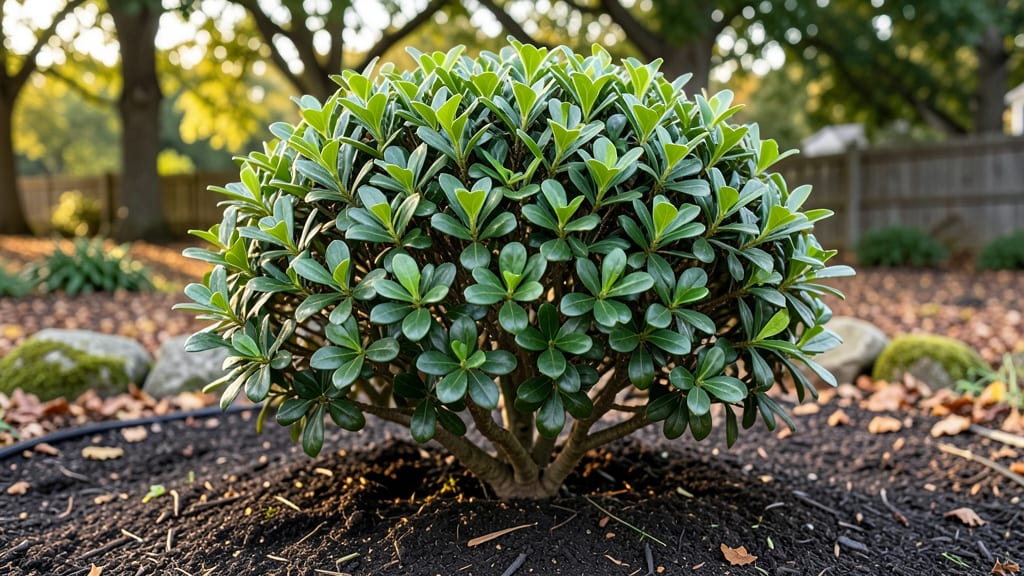
Controlling the waxleaf privet height 🌿 starts with knowing this shrub’s natural growth habits—it can easily reach 12 feet if left unchecked, but with the right pruning, you can shape it into a tidy hedge or compact tree.
Picture this: You’ve just planted your waxleaf privet in spring, excited for its glossy foliage, only to watch it shoot up 3 feet in a single season. Without intervention, it’ll soon tower over your patio or fence, blocking views and requiring heavy pruning later.
The good news? Strategic trimming in three key stages keeps it manageable while preserving its lush, ornamental look.
This evergreen thrives in USDA Zone 6a and beyond, but its height depends on where you plant it—full sun accelerates growth, while partial shade keeps it more compact.
Whether you’re aiming for a 6-foot hedge or a 10-foot privacy screen, understanding its growth rate and pruning windows is the secret to effortless control.
In this guide, I’ll walk you through the 3-stage pruning method that keeps your waxleaf privet at your desired height, from spring shaping to winter cleanup. You’ll also learn how to fix common mistakes that let it grow wild—and why timing matters more than you think.

Waxleaf privet height growth stages: how fast and tall it gets naturally
If you’ve ever wondered why your waxleaf privet seems to grow overnight, you’re not alone. This fast-growing shrub can reach 10-15 feet in ideal conditions, but its height depends entirely on its growth stage, sunlight exposure, and pruning habits.
Understanding these stages helps you control its size—whether you want a compact hedge or a towering privacy screen. Let’s break down how fast it grows and what to expect at each phase.
The waxleaf privet (Ligustrum japonicum) follows three distinct growth stages: juvenile, mature, and overgrown. Each stage has unique height milestones and growth rates.
For example, in its first year, you’ll see 2-3 feet of growth, while mature plants can add 1-2 feet annually if left unpruned. Sunlight plays a huge role here—full sun accelerates growth, while partial shade slows it down.
Here’s a quick snapshot of what to expect at each stage, including how sunlight and location influence height:
The juvenile stage (first 2 years) is when your waxleaf privet grows the fastest. Without pruning, it can shoot up 3 feet in a single season, especially in full sun. This is also the best time to shape it—light pruning in late winter encourages bushier growth.
If you’re growing it as a hedge, keep it trimmed to 4-5 feet during this phase to avoid future struggles.
Once it hits the mature stage (years 3-5), growth slows slightly, but it can still reach 10-12 feet if unchecked. This is when most gardeners notice the need for annual pruning to maintain height.
Mature privets in partial shade grow more slowly, making them ideal for smaller gardens. If you’re aiming for a tree-like form, let it grow taller but prune lower branches to create a trunk.
By year 6 and beyond, your privet enters the overgrown stage, where growth becomes slower but the plant can still reach 15 feet or more. This is common in neglected landscapes or when planted in full sun without pruning.
Rejuvenation pruning—cutting back 1/3 of the plant—can revive overgrown privets and encourage new, denser growth. However, this is a drastic step and should only be done in late winter.
If you’re considering a dwarf variety like 'Superbum' or 'Nana,' expect 3-5 feet of height at maturity. These varieties are perfect for containers or small gardens and grow at half the rate of standard privets.
Dwarf types thrive in partial shade, which naturally slows their growth. For example, 'Nana' adds only 6-12 inches per year, making it ideal for low-maintenance landscapes.
Seasonal growth patterns also affect height. In spring and summer, waxleaf privet grows most aggressively, especially with regular watering and fertilizer. In fall and winter, growth slows or stops entirely, making late winter the best time for structural pruning.
If you live in a hot, dry climate, growth may slow in summer due to stress, but it rebounds in fall with proper care.
Location matters just as much as sunlight. Waxleaf privet grows fastest in well-draining soil with rich organic matter. Poor soil or compacted clay can stunt growth, while amended soil with compost encourages taller, healthier plants.
If you’re planting near a fence or wall, expect faster growth due to reflected sunlight, which can push heights toward the upper limit of 15 feet.
To summarize, your waxleaf privet’s height is entirely manageable with the right knowledge. Whether you’re growing a compact hedge, a tall privacy screen, or a dwarf variety in a container, understanding its natural growth stages and seasonal patterns puts you in control.
Start pruning early, and you’ll avoid the headache of dealing with a 15-foot monster later on! 🌿
3-Stage pruning method to control waxleaf privet height effectively
Controlling your waxleaf privet height requires a strategic approach tied to its natural growth cycles. Without proper pruning, this fast-growing shrub can easily exceed 12 feet, overshadowing your landscape. The solution? A 3-stage pruning method that targets growth at its most vulnerable points—spring flushes, summer regrowth, and winter dormancy.
This method ensures your privet stays within your desired 6–8 feet hedge or 10–12 feet tree height while maintaining a lush, healthy appearance.
Timing is everything with waxleaf privet pruning. Each stage serves a unique purpose: spring pruning sets the foundation for the year, summer pruning refines shape and controls height, and winter pruning prepares the plant for dormancy.
By following these stages, you’ll avoid the common pitfall of overgrown privets that require drastic, stressful rejuvenation cuts. Let’s break down the exact steps for each stage, including the right tools and techniques to use.
🌱 Stage 1: Spring Pruning (Late April - Early May)
- ✂️ Trim back 1/3 of last year’s growth to encourage bushier growth. Focus on removing overlong branches first.
- 🌿 Shape the canopy by cutting just above outward-facing buds to promote density.
- 💧 Water deeply after pruning to reduce stress on the plant.
🌿 Stage 2: Summer Pruning (June - July)
- ✂️ Lightly prune to maintain height—remove only new growth tips that exceed your target height.
- 🌳 Thin out crowded branches to improve airflow and reduce disease risk.
- ☀️ Avoid pruning in extreme heat to prevent sunburn on fresh cuts.
❄️ Stage 3: Winter Pruning (Late November - Early December)
- ✂️ Remove dead or diseased branches to prepare for dormancy.
- 🌲 Lightly shape the outer edges to maintain form without over-pruning.
- 🌱 Apply mulch around the base to protect roots during cold months.
For overgrown privets needing rejuvenation, consider a rejuvenation pruning approach in late winter. Cut back all branches to 12–18 inches above the ground—this may seem drastic, but it encourages vigorous new growth from the base.
Expect your privet to bounce back within a year with proper care, including regular watering and balanced fertilization in spring.
Always use sharp, clean pruners or a pruning saw for thicker branches to make clean cuts that heal faster. Disinfect your tools between cuts with rubbing alcohol to prevent the spread of disease.
And remember: never prune more than 1/3 of the plant’s foliage in a single session, as this can stress the waxleaf privet and stunt its growth.
With this 3-stage method, you’ll enjoy a well-managed waxleaf privet that stays within your desired height while adding year-round greenery to your landscape. Start with spring pruning, then maintain through summer and winter to keep your privet looking its best.