
Trees
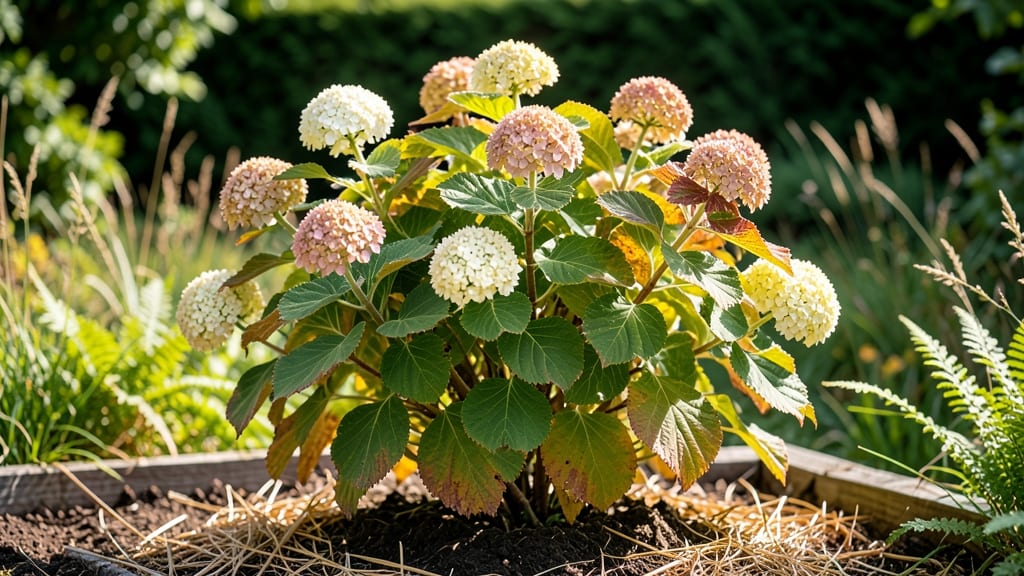
An oak leaf hydrangea’s height can reach 6 to 12 feet when mature, making it a standout shrub for privacy screens or bold garden accents.
If you’re dreaming of a lush, shade-tolerant shrub that thrives with minimal fuss, the oak leaf hydrangea could be your perfect match—but knowing its growth habits is key to maximizing its potential.
These shrubs grow fastest in the first few years, shooting up 12 to 24 inches annually with the right care. Sunlight, soil, and pruning all play a role in whether it stays compact or stretches skyward.
Below, I’ll break down how to control its height, from pruning tips to dwarf varieties that fit smaller spaces—so you can shape it exactly how you want.

How tall does an oak leaf hydrangea grow? Mature height and growth rate
The oak leaf hydrangea (Hydrangea quercifolia) is a stunning, shade-loving shrub that can become a focal point in any garden. But how tall will it grow? The answer depends on its growth stage, care, and climate.
On average, these hydrangeas reach 6 to 12 feet at maturity, with some varieties staying shorter. Understanding their growth rate helps you plan pruning and placement for a thriving plant.
In their first two years, oak leaf hydrangeas grow 12 to 18 inches annually, establishing a sturdy base. By years 3–5, they surge to 18 to 24 inches per year, reaching their mature height range.
After five years, growth slows to 6 to 12 inches per year, focusing on bushiness and flower production. These stages are influenced by sunlight, soil quality, and regional climate.
Sunlight plays a critical role in height development. While oak leaf hydrangeas tolerate partial shade, they grow 10–20% taller in morning sun with afternoon shade compared to deep shade. In full sun, they may grow faster but risk leaf scorch, which can stunt vertical growth.
Southern climates often see faster growth due to longer growing seasons, while Northern gardens may experience slower early-season growth.
Soil quality directly impacts height potential. Well-draining, slightly acidic soil (pH 5.0–6.0) encourages robust root systems, allowing the plant to reach its full height. Amend heavy clay soil with compost or peat moss to improve drainage.
In poor soil, growth may stall at 4–6 feet, even after five years. Regular mulching with organic matter helps maintain soil moisture and nutrients, supporting steady vertical expansion.
Climate zones also shape growth patterns. In USDA Zones 6–9, oak leaf hydrangeas thrive year-round, reaching their maximum height. However, in Zone 5 or cooler, growth may slow in winter, with height gains concentrated in spring and summer.
Cold snaps can damage new growth, causing temporary stunted height. Conversely, Zone 10’s mild winters allow year-round growth, potentially exceeding the 12-foot mark with ideal care.
Pruning habits significantly influence height. If you prune annually in late winter, you can control height by removing 1/3 of the tallest stems. Without pruning, oak leaf hydrangeas naturally grow taller and bushier.
Over-pruning can reduce height gains by 30–50% per season, while minimal pruning encourages vertical growth. Always use clean, sharp tools to avoid damaging stems, which can limit future height potential.
For gardeners in smaller spaces, consider dwarf varieties like 'Pee Wee', which max out at 3–4 feet. These varieties grow at 6–12 inches per year, making them ideal for containers or tight landscapes.
Even standard varieties can be kept smaller with annual pruning and container growing, though they’ll sacrifice some height for bushiness.
Monitor your oak leaf hydrangea’s growth rate by marking stems with paint or tape each spring. This helps track annual increases and adjust care as needed.
With the right conditions, your hydrangea can become a stunning vertical statement piece in your garden, offering year-round interest with its lobed leaves and seasonal blooms. 🌿
If you notice slower-than-expected growth, check for root-bound conditions, nutrient deficiencies, or pest damage. Addressing these issues early ensures your hydrangea reaches its full height potential. With patience and proper care, your oak leaf hydrangea will thrive and become a garden centerpiece. ✂️
Pruning oak leaf hydrangeas for controlled height and health
Pruning your oak leaf hydrangea isn’t just about controlling its height—it’s about shaping a healthier, bushier shrub that blooms beautifully year after year. Since these hydrangeas grow 6–12 feet tall at maturity, strategic pruning keeps them manageable while encouraging vibrant foliage and flowers.
The key? Timing, technique, and knowing what to avoid.
Unlike some hydrangeas that bloom on old wood, oak leaf varieties produce flowers on new growth, making late winter or early spring the ideal time to prune. This timing ensures you don’t accidentally remove next year’s flower buds.
Grab your sharp pruners and let’s dive into the steps to prune like a pro while keeping your shrub thriving.
⚠️ Critical Pruning Mistakes to Avoid
- ⚠️ Never prune in fall – New growth won’t harden off before winter, risking dieback.
- ⚠️ Avoid cutting back more than 1/3 of the plant – This can stress the shrub and reduce next year’s blooms.
- ⚠️ Don’t prune into old wood – Oak leaf hydrangeas bloom on new growth; severe cuts remove potential flower sites.
Start by removing any dead or diseased branches first—these are easy to spot and should be cut back to healthy wood. Next, look for crossing branches or those growing inward; these compete for sunlight and air circulation.
Cut these at the base to open up the center of the shrub, which also helps prevent powdery mildew and other fungal issues.
To control height, focus on the tallest stems and prune them back by about 1/3 of their length. This encourages the plant to branch out lower, creating a fuller, more compact shape.
For example, if a stem is 4 feet tall, cut it back to 2–3 feet to promote bushier growth. Always make cuts just above a leaf node or outward-facing bud to encourage growth in the right direction.
Use clean, sharp pruners to make clean cuts at a 45-degree angle, about 1/4 inch above a bud. Dull tools can crush stems, making them more susceptible to disease.
After pruning, step back and assess your work—your goal is a balanced, open-centered shrub with room for air to circulate. This not only looks better but also keeps your hydrangea healthier long-term.
Finally, don’t forget to disinfect your tools between cuts with rubbing alcohol to prevent spreading disease. Once you’ve finished pruning, give your oak leaf hydrangea a light layer of mulch to protect its roots and retain moisture.
With the right approach, your hydrangea will reward you with lush foliage and stunning blooms all season long.