
Pruning
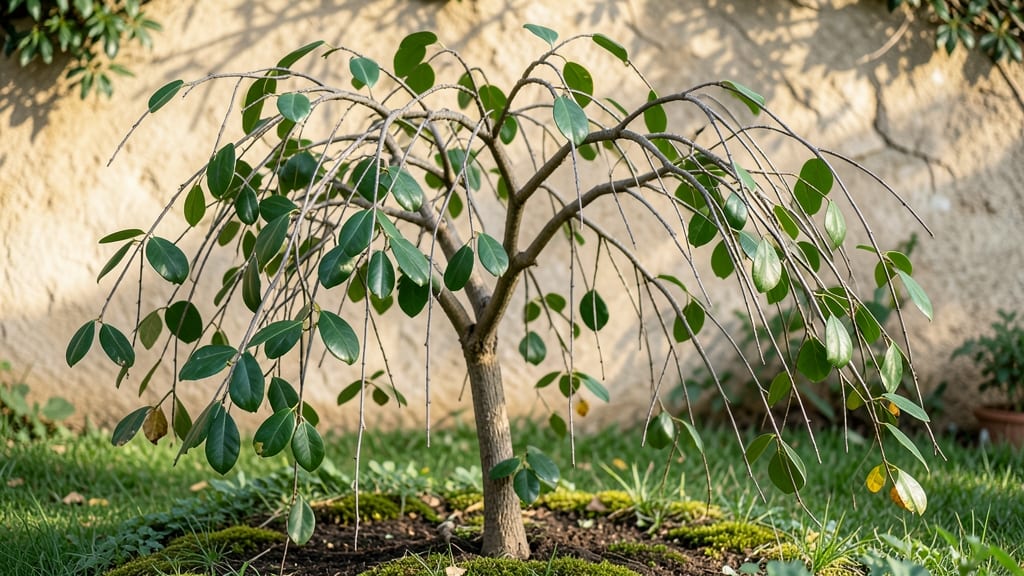
Your weeping fig’s sudden leaf drop isn’t a death sentence—it’s a cry for help. 🌿 I’ve nursed back more than a dozen of these finicky trees, and the pruning fix I’m about to share saved my last one from the compost bin.
The key isn’t just trimming; it’s diagnosing why the leaves are falling in the first place.
Most leaf drop stems from stress—too much light scorching the leaves, drafts causing temperature swings, or roots sitting in soggy soil. Even a simple adjustment like moving your plant to bright, indirect light or letting the top inch of soil dry out between waterings can stop the panic.
Overwatering is the #1 culprit, but underwatering and pests (like spider mites) play a role too.
Once you identify the trigger, pruning becomes part of the solution. Snip off yellowing or crispy leaves at the base to redirect energy to healthy growth.
For severe cases, a harder prune (cutting back 1/3 of the plant) can force fresh regrowth—just do it in spring when the tree’s naturally more resilient.
This isn’t just about saving leaves—it’s about restoring confidence. With the right care, your weeping fig will bounce back with glossy new foliage in weeks. The secret? Patience and paying attention to the subtle clues your plant gives you before the leaves start falling.
Understanding Root Causes
Weeping figs (Ficus benjamina) are known for their striking foliage, but when leaves start dropping unexpectedly, it’s often a sign of stress. Let’s break down the key triggers behind this common issue—so you can pinpoint the problem and act fast.
Weeping figs thrive in consistent warmth (65–80°F) and hate sudden temperature swings. Cold drafts from windows, doors, or AC vents disrupt their metabolic processes, leading to leaf drop.
- Why it happens: Cold air slows photosynthesis, while extreme heat (above 90°F) causes dehydration. Both conditions force the plant to shed leaves as a survival tactic.
- Actionable fix: Keep your weeping fig away from drafty spots, especially in winter. Use a thermometer to monitor temperature fluctuations.
Weeping figs are drought-tolerant and prefer slightly dry soil. Overwatering suffocates roots by cutting off oxygen, leading to leaf drop and root rot.
- Why it happens: Soggy soil blocks root respiration, triggering anaerobic conditions (lack of oxygen). The plant sheds leaves to conserve energy. - Actionable fix: - Check soil moisture before watering—stick your finger 1–2 inches deep.
If damp, wait. - Use a well-draining potting mix (add perlite or orchid bark). - Ensure the pot has drainage holes to prevent waterlogging.
Weeping figs need bright, indirect light—but they’re sensitive to harsh sunlight and low light.
- Why it happens:
- Too much sun (direct rays) burns leaves, causing them to drop.
- Too little light weakens the plant, leading to nutrient deficiencies and leaf loss.
- Actionable fix:
- Place near an east-facing window or under sheer curtains.
- Rotate the plant quarter-turns weekly for even light exposure.
Weeping figs need balanced nutrients, but too much fertilizer burns roots, while deficiencies weaken the plant.
- Why it happens:
- Over-fertilizing (especially with high salt content) disrupts root function.
- Under-fertilizing leads to yellowing leaves and drop-off.
- Actionable fix:
- Use a diluted, balanced fertilizer (20-20-20) every 4–6 weeks in spring/summer.
- Flush soil with water every 3 months to remove excess salts.
Pests like spider mites, scale, or mealybugs suck sap, weakening leaves and causing premature drop.
- Why it happens: Infestations stress the plant, disrupting nutrient flow and photosynthesis.
- Actionable fix:
- Inspect leaves regularly for webbing, sticky residue, or tiny bugs.
- Treat with neem oil or insecticidal soap if pests are found.
Moving a weeping fig—even to a slightly larger pot—can stress it, leading to leaf drop.
- Why it happens: Roots take time to adjust to new soil conditions, and sudden changes trigger abscission (leaf shedding).
- Actionable fix:
- Repot only when necessary (every 2–3 years).
- Water lightly for 1–2 weeks post-transplant to reduce stress.
Key Takeaway: Most leaf drop is preventable with proper care. Monitor your weeping fig’s environment closely—small adjustments can make a huge difference in its health! 🌿✨
Reviving Your Weeping Fig Tree
Now that you know the common causes behind your weeping fig’s leaf drop, let’s tackle the fixes—one by one. With a little care and attention, you can nurse your tree back to health and prevent future shedding. Here’s how to diagnose and treat the issue based on the root cause.
Fix: Adjust your watering routine and improve drainage to save your plant.
- 🔥 Let the Soil Dry Out
- Stick your finger about an inch into the soil. If it’s damp, wait before watering again. Weeping figs prefer slightly dry soil between waterings.
- Water only when the top 1–2 inches of soil feel dry to the touch.
- 🍳 Upgrade Your Pot - If your pot lacks drainage holes, repot your weeping fig into one with holes at the bottom.
Terracotta pots are ideal—they allow excess moisture to evaporate. - Add a layer of pebbles or perlite at the bottom of the pot to improve airflow and drainage.
- ⏰ Establish a Watering Schedule
- Water deeply but less frequently—once every 7–10 days in warm weather, and even less in cooler months.
- Avoid letting the plant sit in water. Empty saucers under the pot after watering.
💡 Prevention Tip: Use a moisture meter to track soil dampness accurately. Overwatering is the #1 killer of weeping figs—don’t let it happen to yours!
Fix: Hydrate your plant properly and boost humidity to mimic its natural tropical habitat.
- 👨🍳 Water Thoroughly but Infrequently
- When you water, soak the soil until water drains from the bottom. This encourages deep root growth.
- Check the soil daily—if it’s bone-dry, it’s time to water.
- 🌡️ Increase Humidity Levels
- Place a humidifier nearby or set your pot on a tray filled with pebbles and water (ensure the pot isn’t sitting in water).
- Mist the leaves 2–3 times a week with room-temperature water, especially in dry climates.
- 🎯 Group Plants Together
- Weeping figs thrive in clusters. Place it near other houseplants to create a microclimate with higher humidity.
💡 Prevention Tip: Grouping plants also deters pests—double win!
Fix: Create a stable, draft-free environment for your weeping fig.
- ✨ Keep It Cozy
- Move your plant away from AC vents, heaters, or open windows during cold drafts.
- Ideal temperatures: 60–75°F (15–24°C). Avoid sudden temperature swings.
- 🔥 Avoid Direct Sun or Cold Spots
- Place it in bright, indirect light—near a north or east-facing window works best.
- Rotate the pot occasionally so all sides get even light exposure.
💡 Prevention Tip: If you must move your weeping fig, do it gradually over a few days to acclimate it to new conditions.
Fix: Identify and eliminate pests before they cause irreversible damage.
- 🔪 Inspect Leaves & Stems
- Look for spider mites, mealybugs, or scale insects on the undersides of leaves. Tiny webs or sticky residue are red flags.
- 🍳 Treat with Natural Remedies - Neem oil solution: Mix 1 tsp neem oil + 1 tsp mild soap + 1 quart water.
Spray leaves thoroughly (test on a small area first). - Rub off pests: Use a damp cloth or cotton swab dipped in 70% isopropyl alcohol to wipe away bugs. - Insecticidal soap: Spray affected areas every 5–7 days until pests are gone.
- 🌿 Isolate the Plant
- Keep your weeping fig away from other plants while treating to prevent spreading pests.
💡 Prevention Tip: Regularly wipe leaves with a damp cloth to remove dust and deter pests.
Fix: Balance your fertilizing routine to avoid burning roots.
- 📊 Use the Right Fertilizer
- Switch to a balanced, water-soluble fertilizer (e.g., 10-10-10 or 20-20-20).
- Dilute to half-strength to avoid overfeeding.
- ⏰ Fertilize Seasonally
- Feed every 4–6 weeks during spring and summer (active growth phases).
- Stop fertilizing in fall and winter—your plant is dormant and doesn’t need extra nutrients.
- 🥗 Flush the Soil
- If you suspect over-fertilizing, leach the soil by watering thoroughly until water runs out the drainage holes for 10–15 minutes. Repeat 2–3 times.
💡 Prevention Tip: Yellow leaves with brown tips? That’s a sign of over-fertilizing. Cut back immediately.
Fix: Give your weeping fig time to adjust and check for root health.
- 🔥 Wait Before Pruning
- If you recently repotted or pruned, avoid stressing the plant further. Let it recover for 2–4 weeks before adjusting care.
- 👨🍳 Check the Roots
- Gently remove the plant from its pot and inspect the roots. Healthy roots are firm and white; rotted roots are mushy and black.
- Trim any dark, mushy roots with sterilized scissors and repot in fresh, well-draining soil.
- 🌡️ Provide Stable Conditions
- Keep the plant in indirect light and maintain consistent watering until new growth appears.
💡 Prevention Tip: When repotting, choose a container only 1–2 inches larger than the current one to avoid overpotting.
Final Thought: Most leaf drop in weeping figs is reversible with the right adjustments. Start with water, light, and humidity, then address pests or nutrients if needed. Patience is key—your tree will bounce back with tender loving care! 🌿✨
Frequently asked questions
Why does my weeping fig drop leaves suddenly even when I water it regularly?
Sudden leaf drop with regular watering usually signals stress from other factors. Check for drafts, temperature swings, or pests first—these are common triggers. If the soil stays soggy for too long (even with regular watering), root rot may develop. Always ensure the pot has drainage holes and the top 1–2 inches of soil dry out between waterings.
Can I save my weeping fig if half its leaves have already fallen?
Yes! Many weeping figs recover fully even after heavy leaf drop. Focus on stabilizing conditions: move it to bright, indirect light, check for pests, and adjust watering. Prune any remaining yellow or crispy leaves to redirect energy. With proper care, new growth often appears within 4–6 weeks.
Is it safe to prune my weeping fig when it’s already dropping leaves?
Pruning helps, but timing matters. Remove only the yellow, brown, or damaged leaves immediately—they drain energy. Wait to prune healthy branches until new growth appears (usually 2–4 weeks later). Sterilize your scissors with rubbing alcohol first to prevent infections.
How do I know if my weeping fig’s leaf drop is from pests vs. environmental stress?
Look for these clues: Pests leave sticky residue (aphids), webbing (spider mites), or white cottony spots (mealybugs). Environmental stress causes uniform yellowing or brown edges without visible bugs. Check leaf undersides and stems first—pests often hide there.
Will my weeping fig grow back after severe leaf drop?
Weeping figs are resilient. If the stem remains firm and roots look healthy (white/firm when checked), new leaves will grow. Focus on consistent care (light, water, humidity) and avoid over-fertilizing. Some plants may take 2–3 months to fully recover, but they often bounce back stronger.