
Plants
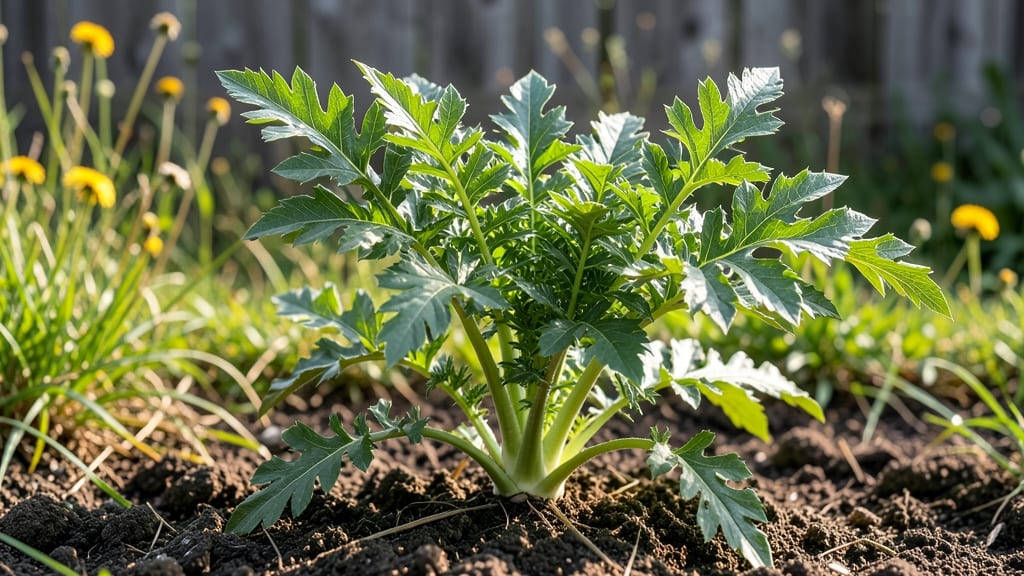
What does a parsnip leaf look like? It’s a delicate fern frond that dances in the breeze—lacy green and deeply divided, unlike anything else in your garden. 🌿 These compound leaves grow 12–18 inches tall, with 3–5 pairs of leaflets that fan out from a central stem, each leaflet further divided into smaller, jagged-edged segments. The texture is slightly rough to the touch, with a bright, vibrant green that stands out against the soil.
Think of them as nature’s version of a handheld fan—the way they spread out makes them easy to spot, even from a distance. Unlike carrot leaves (which are more rounded and less divided) or celery leaves (broader and flatter), parsnip foliage has that signature feathery, almost airy quality.
This makes them a dead giveaway if you’re trying to identify young plants or distinguish them from weeds.
The real magic happens when you see them in action: parsnip leaves stay lush and upright until late summer, when they start to yellow and die back as the plant focuses its energy on the root.
This is your cue that the edible taproot below is maturing—perfect timing for harvest. The leaves themselves aren’t typically eaten (they can be bitter), but their presence tells you the plant is thriving.
Why does this matter? Because spotting those fern-like fronds early helps you protect your crop—parsley and wild carrot (Queen Anne’s lace) can look similar, but only parsnip delivers those sweet, golden roots. Keep an eye out for these leaves, and you’ll never confuse your parsnips again.
Understanding Leaf Shape Variations
Parsnip leaves may not always match the classic "fern-like" description you’ve heard, and there are several scientific reasons why their appearance can vary. Let’s break down the key factors that influence their shape, color, and overall look—so you can better identify (and grow!) healthy parsnip plants.
Parsnips (Pastinaca sativa) inherit their leaf structure from a mix of wild ancestors and cultivated varieties. Some key genetic traits affect leaf shape:
- Hybridization: Crossbreeding different parsnip cultivars can produce leaves that are more lobed, deeply serrated, or even slightly broader than the classic feathery fronds.
If you’re growing heirloom varieties, expect variations like: - ‘Hollow Crown’: Leaves with wider, more rounded lobes. - ‘Tender and True’: Often has finely divided, almost fern-like foliage. - Wild vs. Cultivated: Wild parsnips may have sturdier, less delicate leaves compared to garden varieties bred for tenderness.
💡 Pro Tip: If you’re saving seeds from your garden, leaf shape can change over generations—so don’t be surprised if your homegrown parsnips develop unique foliage!
Parsnip leaves aren’t just shaped by genetics—they also respond to their surroundings. Stress from light, water, or temperature can alter their appearance:
- Insufficient Sunlight:
- Leaves may grow longer, thinner, and more elongated (a condition called etiolation).
- Color shifts to lighter green or even pale yellow due to reduced chlorophyll production.
- Fix it: Ensure parsnips get 6+ hours of direct sunlight daily.
- Overwatering or Poor Drainage:
- Leaves can develop yellowing edges (chlorosis) or mushy, drooping fronds from root rot.
- Fix it: Plant in well-draining soil and water only when the top inch is dry.
- Extreme Heat or Cold:
- Heat stress (above 85°F) causes leaves to curl or scorch at the edges.
- Frost damage turns leaves brown or crispy, especially in young plants.
- Fix it: Use row covers in early spring or provide afternoon shade in hot climates.
Pests and pathogens don’t just damage leaves—they physically alter their shape and structure. Here’s how:
| Culprit | Leaf Changes | How to Prevent It |
|---|---|---|
| Aphids | Sticky honeydew, curled or puckered leaves | Spray with soapy water or introduce ladybugs. |
| Parsnip Webworm | Holes, silken webbing, distorted growth | Use row covers early in the season. |
| Fungal Leaf Spot | Brown/yellow spots with yellow halos | Remove infected leaves; crop rotation helps. |
| Viral Mosaic | Mottled yellow/green patterns | Remove infected plants; sterilize tools. |
🔥 Warning: If leaves develop unusual streaks, spots, or deformities, isolate the plant to prevent spread.
Parsnip leaves change dramatically as the plant grows:
- Seedling Stage (0–4 weeks):
- Leaves are small, simple, and oval-shaped (not yet feathery).
- Why? Young plants focus energy on root development before foliage.
- Vegetative Stage (4–8 weeks):
- Leaves unfold into lacy, compound fronds with 1–3 inch-long leaflets.
- Key trait: The central stem (rachis) is prominent, with leaflets arranged pinnately.
- Mature Stage (8+ weeks):
- Leaves may widen slightly and develop deeper serrations.
- Lower leaves yellow and die back as energy shifts to root storage.
✨ Fun Fact: The most recognizable "fern-like" look appears in mid-summer, just before flowering.
The soil your parsnips grow in directly impacts leaf health and shape:
- Nitrogen Deficiency:
- Leaves turn pale green or yellow (starting with older leaves).
- Growth slows, and fronds become smaller and less dense.
- Fix it: Add compost or a balanced fertilizer (10-10-10).
- Potassium Deficiency:
- Leaf edges scorch brown, while centers stay green.
- Leaves may curl or develop weak stems.
- Fix it: Use wood ash or a potassium-rich fertilizer.
- Excessive Fertilizer (Burn):
- Leaves crisp at the edges or develop blackened tips.
- Fix it: Flush soil with water and avoid heavy feeding.
Parsnips grown in different climates develop slight variations:
- Cool, Moist Climates (Pacific Northwest, UK):
- Leaves stay lighter green and more delicate due to consistent moisture.
- Hot, Dry Climates (Southwest U.S., Mediterranean):
- Leaves may thicken slightly as a drought adaptation.
- High-Altitude Gardens:
- Leaves can grow more slowly but often retain brighter green color due to increased sunlight intensity.
🎯 Actionable Tip: If you’re growing parsnips in a new location, start with a test patch to observe how local conditions affect leaf development.
Identifying & Caring for Parsnip Leaves
If you’re trying to spot parsnip leaves in your garden—or troubleshoot why they might not look their best—here’s a practical guide to recognizing them and keeping them healthy. Parsnip leaves are stunning, but they need the right care to thrive.
Let’s break down common issues and how to fix them, plus tips to prevent problems before they start.
1. Yellowing or Wilting Leaves (Nutrient Deficiency or Overwatering)
If your parsnip leaves turn yellow, wilt, or droop, it’s often a sign of overwatering or a lack of essential nutrients like nitrogen or magnesium.
✅ How to Fix It:
- 💧 Check the soil moisture – Parsnips prefer well-draining soil. Stick your finger 1-2 inches deep; if it’s soggy, reduce watering.
- 🌿 Add compost or balanced fertilizer – A slow-release organic fertilizer (like 10-10-10) can boost nitrogen and magnesium.
- 🌞 Ensure proper sunlight – Parsnips need at least 6-8 hours of sun daily. Shady spots weaken growth.
💡 Prevention Tip:
- Mulch around the base to retain moisture without waterlogging.
- Water deeply but infrequently—early morning is best to prevent fungal issues.
2. Hole-Punched or Chewed Leaves (Pest Damage)
Tiny holes, jagged edges, or missing leaf sections? Pests like cabbage moths, aphids, or slugs are likely the culprits.
✅ How to Fix It:
- 🐜 Handpick pests – Check leaves daily, especially in the morning. Drop pests into soapy water.
- 🌿 Use row covers – Lightweight fabric barriers keep moths and aphids away without chemicals.
- 🍋 Spray with neem oil or insecticidal soap – Mix 1 tbsp neem oil with 1 quart of water and spray affected areas.
💡 Prevention Tip:
- Plant companion crops like garlic or thyme nearby—their strong scent repels pests.
- Remove weeds where pests hide.
3. Crispy or Brown Edges (Underwatering or Heat Stress)
Brittle, brown leaf edges? Your parsnips might be thirsty or struggling with heat.
✅ How to Fix It:
- 💧 Water consistently – Keep soil evenly moist (not dry or waterlogged).
- 🌡️ Provide afternoon shade – If temperatures exceed 85°F (29°C), use shade cloth to protect leaves.
- 🍂 Harvest mature roots first – Overcrowding stresses plants. Thin seedlings to 4-6 inches apart.
💡 Prevention Tip:
- Water at the base (not leaves) to avoid fungal issues.
- Choose heat-tolerant varieties like ‘Hollow Crown’ if you live in a hot climate.
4. Stunted or Misshapen Leaves (Poor Soil or Transplant Shock)
If leaves are small, deformed, or slow to emerge, the soil may lack organic matter or the plant is struggling to adapt.
✅ How to Fix It:
- 🌱 Loosen compacted soil – Parsnips hate dense earth. Mix in compost or aged manure before planting.
- 🌿 Transplant carefully – If starting from seed, wait until true leaves form (about 4 weeks) before moving seedlings.
- 🍃 Add phosphorus-rich fertilizer – Bone meal or rock phosphate encourages root and leaf development.
💡 Prevention Tip:
- Direct-sow seeds in spring (they hate transplanting).
- Test soil pH—parsley prefers slightly acidic to neutral (6.0-7.0).
Parsnip leaves resemble poison hemlock or wild carrot, but here’s how to spot the difference:
| Feature | Parsnip Leaves | Poison Hemlock (Dangerous!) |
|---|---|---|
| Leaf Shape | Fern-like, deeply lobed, 12-20" long | Coarse, jagged, 3-parted (like a cow’s tongue) |
| Stem | Hollow, smooth, purple-tinged | Stout, ridged, purple-spotted |
| Smell | Mildly carrot-like when crushed | Strong, foul odor (like parsley + rot) |
⚠️ Warning: Never consume poison hemlock—it’s deadly. If unsure, pull and dispose of unknown plants.
With these fixes, your parsnip leaves should stay lush and vibrant. Happy gardening! 🌱💚
Frequently asked questions
How can I tell if baby parsnip leaves are different from mature ones?
Young parsnip seedlings start with small, simple oval leaves (about 1 inch long) that look almost like tiny carrot leaves. As they mature (around 4-6 weeks), they develop into the classic lacy, fern-like fronds with multiple leaflets. The key difference is the central stem (rachis) becomes prominent in mature leaves, while baby leaves lack this feathery structure.
Why do some parsnip leaves look more rounded than fern-like?
This usually happens with heirloom varieties like 'Hollow Crown' or when plants experience nutrient stress. Cold temperatures or low nitrogen can cause leaves to grow broader and less divided. For the classic fern look, ensure your plants get 6+ hours of sunlight and balanced fertilizer during active growth.
Can I eat parsnip leaves if they're not the perfect fern shape?
While edible, parsnip leaves are bitter and fibrous compared to roots. Young leaves (before flowering) can be used like wild greens in soups or salads, but always cook them well. The leaf shape doesn't affect edibility—just choose the freshest, healthiest-looking ones regardless of their form.
What should I do if my parsnip leaves are curling instead of staying upright?
Curling leaves usually indicate heat stress, pests, or underwatering. Try these fixes:
- Water deeply at soil level (avoid wetting leaves),
- Provide afternoon shade if temps exceed 85°F, or
- Check for aphids (use soapy water spray). If the problem persists, thin plants to 6 inches apart to reduce competition.
How do I distinguish parsnip leaves from poisonous lookalikes?
Never confuse parsnip leaves with poison hemlock—the stems are key: parsnip stems are hollow and purple-tinged, while hemlock has ridged, purple-spotted stems. Also, crush a leaf: parsnip smells mildly carrot-like, while hemlock has a foul, rotten parsley odor. When in doubt, remove and dispose of unknown plants.