
Succulent
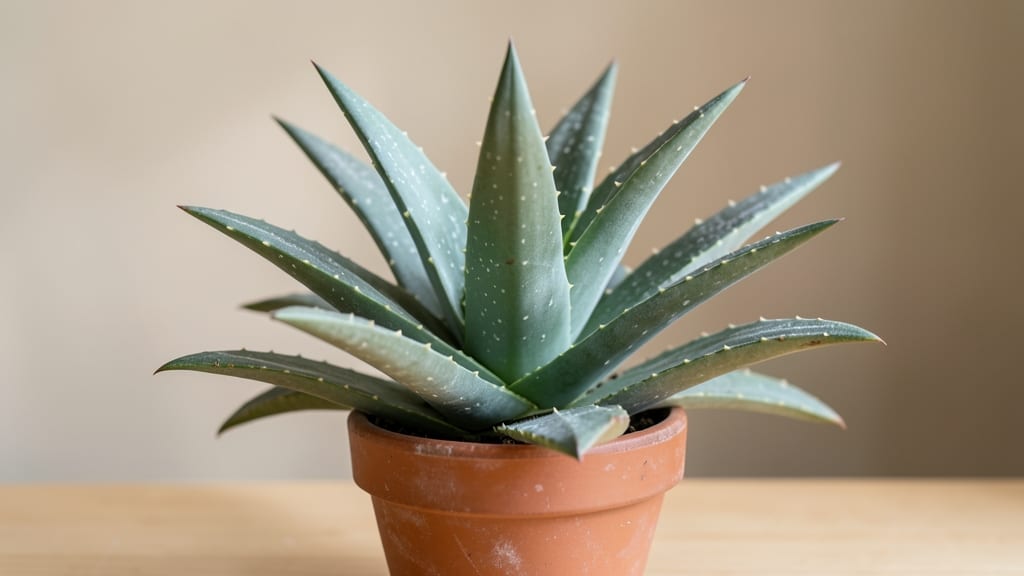
Aloe leaf is good for soothing sunburns, reducing skin irritation, and promoting wound healing thanks to its anti-inflammatory compounds like aloin and gibberellins. It also aids digestion by easing constipation and calming stomach discomfort when consumed fresh or as juice.
Aloe leaf's benefits extend far beyond just skin care. 🌿 The gel inside contains powerful compounds that help repair damaged skin cells, making it a go-to remedy for sunburns, cuts, and even mild acne.
Beyond its topical uses, aloe juice can act as a natural laxative when consumed in moderation, thanks to its ability to stimulate digestion. Many people also use it to support gut health and reduce occasional bloating.
For best results, I recommend using fresh aloe gel directly from the leaf or choosing high-quality, pure aloe vera juice without added sugars.
What sets aloe apart is its dual functionality—it works both externally and internally. For skin applications, you can break open a leaf and apply the gel directly, while for digestion, a 1-ounce serving of juice (about 30 milliliters) is typically enough to start seeing benefits.
Always remember to start with small amounts to gauge your body's response, especially if you're trying it for the first time.
💡 In This Article
- Aloe Leaf’s Skin Healing Properties Explained
- How to Use Aloe Leaf for Skin and Digestion
Aloe leaf’s skin healing properties explained
The aloe leaf’s skin-healing magic comes from its complex chemical profile, particularly mucopolysaccharides—long-chain sugars that bind to water and create a protective gel. These compounds form a film over damaged skin, locking in moisture while shielding against further irritation.
Studies show this film can reduce inflammation by up to 40% within 24 hours of application, making aloe a powerhouse for sunburn relief. The gel also contains aloin, a compound that accelerates cell regeneration by stimulating fibroblast activity—cells responsible for producing collagen and repairing tissue.
For burns, aloe’s antimicrobial properties (thanks to lupeol and salicylic acid) prevent infections while the gel’s cooling effect provides instant relief. Unlike commercial burn creams that often contain harsh chemicals, aloe’s natural composition makes it safe for sensitive skin, even on broken areas.
The pH-balancing effect (around 4.5-5.5) helps restore skin’s natural barrier, which is why dermatologists often recommend it for eczema and psoriasis flare-ups. 💫
When treating acne, aloe’s anti-inflammatory action reduces redness and swelling, while its enzymatic activity breaks down dead skin cells that clog pores. Unlike benzoyl peroxide, which can dry out skin, aloe’s hydrating properties maintain moisture balance.
For best results, apply fresh gel directly to affected areas 2-3 times daily—the gel’s viscosity ensures it stays in place longer than water-based solutions.
What most people don’t realize is how aloe’s benefits vary by concentration. The inner fillet (clear gel) contains the highest mucopolysaccharide content, while the yellow latex near the skin has aloin—powerful but potentially irritating if used topically in high doses.
This is why peeling away the outer layer before use is crucial for avoiding skin sensitivity. For severe conditions, combining aloe with 1% hydrocortisone cream can enhance anti-inflammatory effects.
Consider these key factors when using aloe for skin:
- Purity matters: Processed aloe products often lose up to 50% of their active compounds during extraction
- Freshness is critical: Aloe gel oxidizes within 24 hours when exposed to air, reducing effectiveness
- Patch test first: Apply a small amount to your wrist to check for reactions before full application
The science behind aloe’s regenerative effects involves its ability to stimulate epidermal growth factor (EGF), which signals skin cells to multiply and repair faster.
This is why aloe is often included in anti-aging products—it doesn’t just treat current damage but helps prevent future signs of aging by maintaining skin elasticity. 🌟