
Pests and Diseases
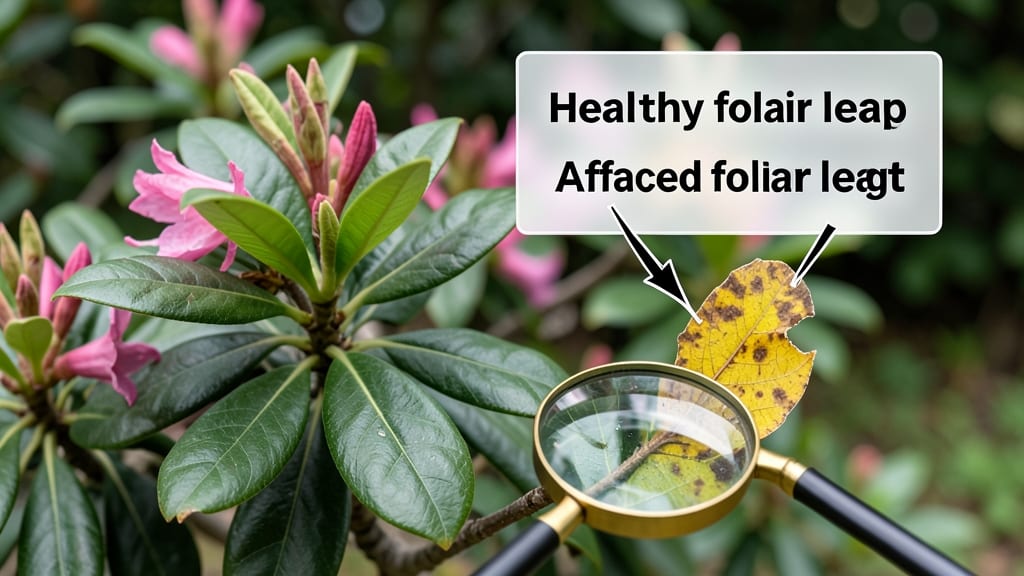
Foliar leaf refers to the broad, flat surface of a leaf designed for photosynthesis, gas exchange, and nutrient absorption. These leaves capture sunlight, release oxygen, and regulate plant transpiration through specialized structures like stomata and veins.
A foliar leaf is essentially the plant's powerhouse, where critical biological processes unfold. 🌿 The broad surface maximizes sunlight absorption, while the intricate network of veins distributes water and nutrients throughout the leaf.
This design allows plants to convert light into energy through photosynthesis, all while managing moisture loss through tiny pores called stomata. Understanding how these structures work helps gardeners create optimal growing conditions—whether through proper watering, light exposure, or pest management.
What's fascinating is how leaf shape and texture adapt to different environments. For example, waxy coatings on desert plants reduce water loss, while large leaves in tropical areas capture more sunlight. These adaptations highlight why maintaining healthy foliage is key to overall plant vigor and disease resistance.
💡 In This Article
- How Foliar Leaf Structures Support Plant Growth
- Maximizing Foliar Health for Stronger Plants
How foliar leaf structures support plant growth
The foliar leaf's remarkable efficiency starts with its mesophyll cells, packed with chloroplasts containing chlorophyll—a pigment that absorbs 400-700nm wavelengths of sunlight. These cells are organized into two layers: the palisade layer (just below the epidermis) and the spongy layer (deeper within).
The palisade layer contains 80% of a leaf's chloroplasts, making it the primary site for photosynthesis where light energy converts carbon dioxide and water into glucose and oxygen.
Leaf veins form a complex vascular network that delivers water and minerals from roots while distributing sugars produced during photosynthesis. The xylem transports water upward, while the phloem carries dissolved sugars downward.
This system operates under negative pressure, creating a transpiration pull that can move water 100+ feet up a tree!
The leaf's waxy cuticle also plays a crucial role by reducing water loss through evaporation, though it must balance this with the need for gas exchange through stomata—tiny pores that open and close based on humidity and light conditions.
Leaf shape and size adapt to environmental pressures in fascinating ways. For instance, broad leaves in tropical plants maximize sunlight capture, while needle-like leaves in conifers minimize water loss in dry climates.
Even the angle of leaves can optimize light exposure—some plants orient their leaves vertically to reduce overheating in intense sunlight, while others spread them horizontally to capture more diffuse light. These adaptations demonstrate how foliar structures evolve to balance energy production with water conservation.
Disease resistance also depends on leaf structure. A healthy leaf's epidermis acts as a barrier against pathogens, while specialized cells like trichomes (leaf hairs) can deter pests. When leaves develop spots, discoloration, or curling, it often signals disrupted photosynthesis or nutrient transport—early warnings that require attention.
Understanding these structural relationships helps gardeners diagnose issues before they become severe, like powdery mildew blocking stomata or aphids disrupting phloem flow.
Consider how leaf thickness varies by species: succulents have thick, water-storing leaves to survive drought, while aquatic plants like lotus have thin, floating leaves with air-filled tissues for buoyancy. These differences show how foliar anatomy directly correlates with a plant's survival strategy.
When you prune or fertilize, you're essentially supporting these intricate systems—whether by removing diseased leaves to prevent pathogen spread or applying nitrogen to boost chlorophyll production.
The stomata's role in gas exchange is equally critical—these pores open during the day to absorb CO₂ for photosynthesis but close at night to conserve water. In arid conditions, plants like cacti have reduced stomata numbers and open them only at night, a strategy called CAM photosynthesis.
This adaptation prevents water loss while still capturing carbon. 🌵 Such specialized structures highlight why foliar health directly impacts a plant's ability to thrive in its environment.