
Blooming
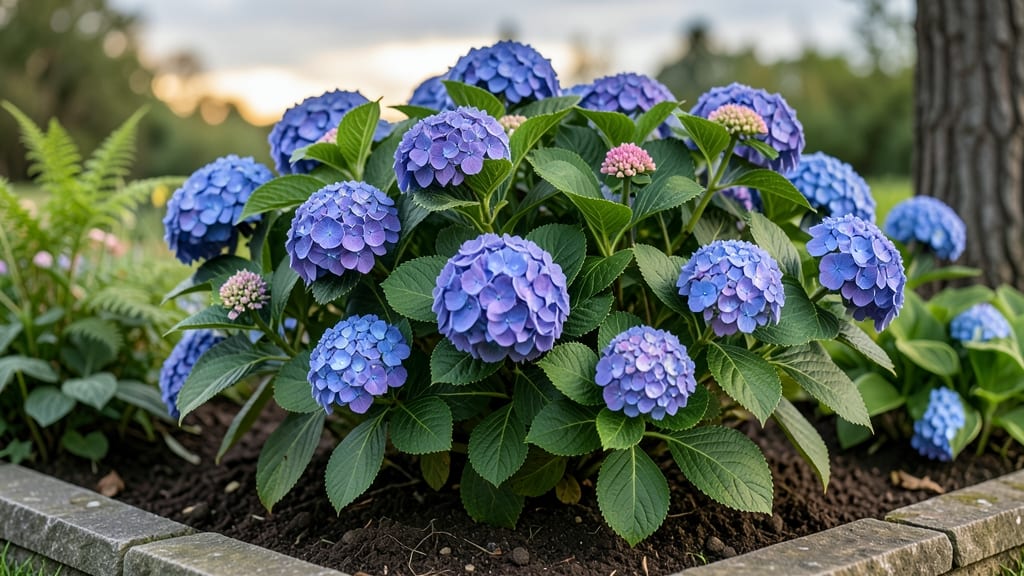
Bigleaf hydrangeas bloom in late spring to summer 🌸, turning your garden into a splash of color—but their timing can be surprisingly unpredictable.
If you’ve ever waited all season for those big, showy blooms to appear only to be left disappointed, you’re not alone. The truth is, these plants follow a delicate seasonal rhythm that’s influenced by everything from your local climate to how (and when) you prune them.
Understanding the factors that shift bloom windows—like USDA Zone 6a’s cooler springs or the impact of summer heat—can help you time your care routine for maximum impact.
Whether you’re dealing with early bloomers, late starters, or no flowers at all, the key lies in reading your plant’s signals and adjusting your approach.
In this guide, I’ll break down the month-by-month bloom schedule, the common mistakes that delay or cancel flowers, and the simple tweaks—like deadheading and soil pH—that keep your Bigleaf Hydrangea 🌸 putting on its best show year after year.
Bigleaf hydrangea bloom season: month-by-month timeline and climate factors
Bigleaf hydrangeas (Hydrangea macrophylla) are famous for their stunning, color-changing blooms—but their timing varies dramatically based on your USDA zone and local climate. Unlike some shrubs that bloom on new growth, these beauties rely on last year’s wood, making seasonal timing critical.
Understanding your region’s frost dates and temperature patterns helps predict whether you’ll see early June blooms or late July flowers.
The ideal bloom window for most bigleaf hydrangeas falls between late May and August, but this can shift 2-4 weeks earlier or later depending on your hardiness zone.
For example, gardeners in USDA Zone 7 often enjoy blooms by mid-June, while those in Zone 5 might not see flowers until early July. Temperature fluctuations also play a key role—cold snaps in spring can delay blooming, while sudden heatwaves may cause flowers to fade prematurely.
Here’s how to predict your hydrangea’s bloom schedule using regional climate data and seasonal cues:
In cooler climates (Zones 3-5), bigleaf hydrangeas often bloom later in the season because they need consistent soil temperatures above 55°F to trigger flowering. If your area experiences late spring frosts, protect emerging buds with frost cloth until danger of frost has passed.
Meanwhile, warmer zones (7-9) may see two bloom cycles—one in early summer and another in fall—thanks to extended growing seasons.
Temperature swings are the biggest wild card in hydrangea blooming. For example, if your plant sets buds in spring but hits a 30°F night in May, those buds may freeze and drop, leaving you with no flowers. To mitigate this, choose cold-hardy varieties like 'Endless Summer' or 'Nikko Blue', which rebloom on both old and new wood. These cultivars can recover from light frost damage and often produce secondary blooms in late summer.
Another critical factor is sunlight exposure. Bigleaf hydrangeas thrive in partial shade (4-6 hours of sun), but too much intense afternoon sun can cause flowers to wilt or bleach. In hotter zones (8-9), provide afternoon shade to extend bloom duration.
Conversely, low-light conditions in northern climates may delay bud formation until late May or June, pushing blooms into mid-summer.
To predict your hydrangea’s bloom schedule, start monitoring in late winter. Look for bud swell along the previous year’s stems—this is your first sign that flowers are on the way.
In USDA Zone 6, buds typically swell by mid-April, while in Zone 8, they may appear as early as February. If buds form but don’t open, check for nutrient deficiencies (like low phosphorus) or over-pruning of old wood.
For gardeners in transition zones (6-7), where spring temperatures fluctuate wildly, consider mulching heavily in fall to insulate roots. This helps maintain consistent soil temps and encourages earlier bud formation the following spring.
Pair this with a balanced fertilizer (10-10-10) in early spring to give your hydrangea the energy it needs for vigorous blooming.
If your hydrangea skips blooming entirely, don’t panic—it might just need one more year of establishment. Young plants (under 3 years old) often prioritize root growth over flowering. Focus on consistent watering and well-draining soil to set the stage for next year’s spectacular display. And remember:
Why your bigleaf hydrangeas aren’t blooming: 5 common mistakes and fixes
Bigleaf hydrangeas (Hydrangea macrophylla) promise stunning summer blooms, but many gardeners struggle with no flowers or delayed blooms. The key lies in understanding their growth cycle and common care missteps.
Unlike some plants, bigleaf hydrangeas bloom on old wood—last year’s growth—so aggressive pruning or nutrient timing can sabotage your flowers before they even appear.
If your hydrangea is leafy but flowerless, the issue likely stems from one of five critical mistakes. Let’s diagnose the problem and fix it before next season. The good news? Most issues are reversible with simple adjustments to pruning timing, fertilizer schedules, and sunlight exposure.
Bigleaf hydrangeas typically bloom from late spring to early summer (May-June in most USDA zones 5-9), but timing varies by climate and cultivar. Early bloomers may show buds as early as April in warm zones, while cooler regions see flowers in June or July.
The key sign? Bud swelling in late spring—if you miss this, your plant may skip flowering entirely.
Fix it now: Monitor buds in April-May. If no swelling occurs, check for pruning errors or nutrient deficiencies from last season.
Mistake #1: Pruning at the Wrong Time. Bigleaf hydrangeas bloom on old wood, so cutting back in late winter or early spring removes next year’s flower buds.
Always prune immediately after blooming (late summer/early fall) to preserve buds for the following season. If you’ve pruned too late, your plant may need 1-2 years to recover.
Mistake #2: Over-Fertilizing with Nitrogen. Too much nitrogen produces leafy growth at the expense of flowers. Use a balanced 10-10-10 fertilizer in early spring (after pruning) and switch to a low-nitrogen, high-phosphorus formula (like 5-10-5) in early summer to encourage blooming.
Avoid fertilizing in fall or winter—this disrupts dormancy.
Mistake #3: Incorrect Sunlight Exposure. Bigleaf hydrangeas thrive in partial shade (4-6 hours of sun daily), but too little light weakens growth, while full sun in hot climates causes stress and fewer blooms.
If your plant is in deep shade, move it to a morning sun location (east-facing). For full-sun areas, provide afternoon shade with a lightweight shade cloth.
Mistake #4: Skipping Dormancy Care. Hydrangeas need a cool winter rest period to set buds for next year. If you live in a mild-winter zone (USDA 8-9), mulch heavily in late fall (3-4 inches of organic mulch) to simulate cooler conditions.
Avoid fertilizing or pruning in fall, as this confuses the plant’s dormancy signals.
Mistake #5: Poor Soil pH or Moisture. Bigleaf hydrangeas prefer acidic soil (pH 5.2–6.0) for vibrant blooms. Test your soil—if it’s alkaline, amend with sulfur or peat moss.
Also, inconsistent watering causes stress. Water deeply 1-2 times per week (more in summer) and mulch to retain moisture. Yellow leaves? This could signal overwatering or nutrient deficiencies.