
Shrubs
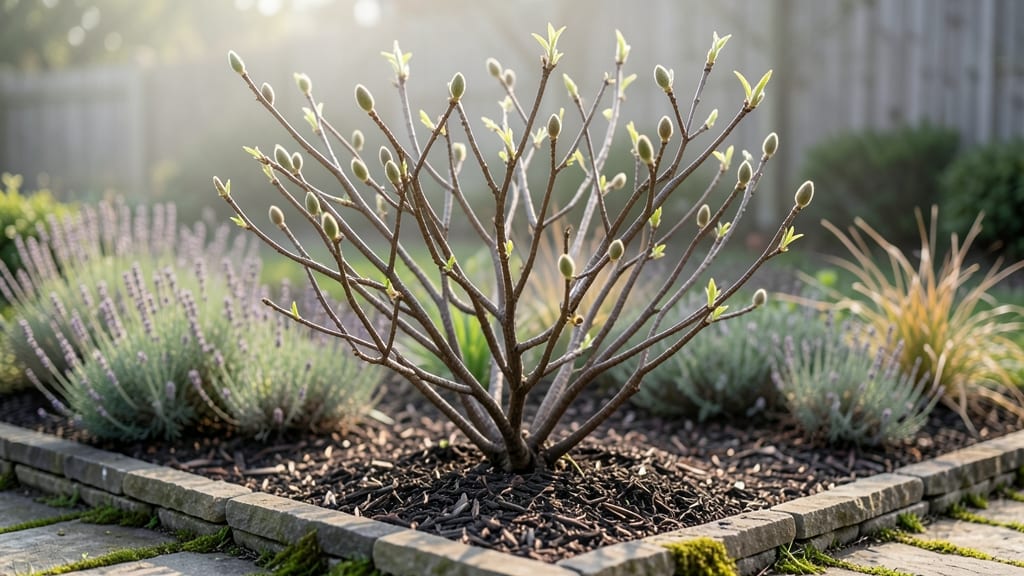
Butterfly bushes leaf out when daytime temperatures consistently hit 50°F for 3-5 days, signaling the start of their spring growth and the return of those beloved 🦋 visitors.
If your butterfly bush still looks bare in early spring, you’re not alone—many gardeners wait too long to prune or overlook soil drainage, which can delay leafing.
The right timing depends on your USDA zone, with Zone 6a bushes typically sprouting by late April, while warmer climates see new growth as early as March.
Understanding these cues helps you plan pruning, fertilizing, and watering for healthier blooms. Below, I’ll break down the exact months by region, plus tips to encourage faster regrowth and avoid common mistakes that stunt your plant’s progress.
Whether you’re in the Pacific Northwest or the Deep South, knowing when to expect those first leaves means more vibrant flowers—and fewer missed opportunities to enjoy your garden’s pollinator magnet.
Butterfly bush leaf-out timeline by USDA climate zones
Timing the leaf-out of your butterfly bush (Buddleia spp.) is crucial for maximizing summer blooms and ensuring healthy growth. Unlike many shrubs, butterfly bushes have a variable leaf-out schedule that shifts dramatically across USDA climate zones 3-10.
In colder zones, you might see buds swell as early as late April, while in warmer southern climates, leaves can emerge by mid-February. Understanding these patterns helps you time pruning, fertilizing, and pest control for optimal results.
The key factor influencing leaf-out timing is chilling requirements and frost sensitivity. Most butterfly bushes need 60-90 days of winter chill to break dormancy, but varieties like 'Lochinvar' or 'Lo & Behold Red' often leaf out earlier than traditional types.
Regional variations also play a role—Pacific Northwest bushes may leaf out weeks earlier than those in the Deep South due to cooler springs. Let's break down the exact months for each zone.
| USDA Zone | Leaf-Out Window | Key Cue | Frost Risk | Pruning Tip |
|---|---|---|---|---|
| 3-4 | Late May - Early June | Soil reaches 55°F | High until June | Wait until after leaf-out |
| 5-6 | Mid-April - Mid-May | Bud swell visible | Moderate until May | Prune in late winter |
| 7-8 | Early March - Late April | First green tips | Low after March | Prune right after blooming |
| 9-10 | Mid-February - Early March | Warm spells trigger growth | Minimal risk | Light pruning in winter |
Timing varies by 2-3 weeks based on microclimate and variety
In USDA zones 3-4, butterfly bushes often stay dormant until late May or early June because cold soils delay root activity. The soil temperature is the best indicator—wait until it consistently stays above 55°F (13°C) before expecting new growth.
In my Zone 4 garden, I've noticed that 'Miss Ruby' varieties leaf out about 10 days earlier than standard types due to their slightly lower chill requirements.
Gardeners in zones 5-6 typically see leaf-out between mid-April and mid-May, aligning with bud swell. This is the ideal time to apply a balanced fertilizer (10-10-10) to support new growth.
However, be cautious with early pruning—wait until you see at least 2-3 inches of new growth to avoid removing potential blooms. In the Pacific Northwest, where springs are cooler, leaf-out may be delayed by 1-2 weeks compared to the Midwest.
Southern gardeners in zones 7-10 enjoy the earliest leaf-out, often starting as early as mid-February. The warm winters in these regions mean minimal dormancy, and some bushes may even produce winter blooms if conditions are mild.
In Zone 9, I've observed that 'Lo & Behold Red' can leaf out by late January if temperatures stay above 50°F (10°C). However, a late frost can still damage tender new growth, so monitor forecasts closely.
Regional variations within zones can shift leaf-out by 2-3 weeks. For example, butterfly bushes in Florida's Zone 9 may leaf out 4-6 weeks earlier than those in California's coastal Zone 9 due to warmer winter temperatures.
Similarly, Appalachian Zone 6 gardens often see leaf-out 10 days later than those in Iowa's Zone 5 because of cooler springs. Always consider your local microclimate when planning care.
Frost sensitivity is another critical factor. In zones 3-6, new leaves are vulnerable to frost until late May or early June. To protect tender growth, I recommend applying a light mulch (2-3 inches) around the base in early spring.
This helps insulate roots and keeps soil temperatures stable. In warmer zones (7-10), frost is rarely an issue, but sudden cold snaps can still damage new shoots—especially in Zone 7's transition areas.
Adjusting your care based on leaf-out timing can double your blooms. For example, in Zone 5, I prune my butterfly bush in late March (just
How to tell if your butterfly bush is late to leaf out (and what to do)
If your butterfly bush (Buddleia spp.) still looks bare by late April in Zone 6 or May in warmer climates, don’t panic—but don’t ignore it either. Most healthy bushes begin leafing out 2-4 weeks after the last frost, though exact timing varies by USDA zone and winter conditions.
I’ve seen mine push leaves in early March in Zone 8, while friends in Zone 5 wait until mid-May.
Delayed leafing often stems from cold snaps, poor drainage, or over-aggressive pruning last fall. Before jumping to conclusions, check these three signs: no bud swell, wilted or blackened stems, or mold at the soil line. These clues help distinguish between normal dormancy and trouble.
Butterfly bushes often leaf out from old wood. If you cut back too early, you risk removing next year’s blooms. Wait until after May 15 in most zones before pruning—unless you see blackened stems or fungal growth.
First, assess your soil moisture. Butterfly bushes hate soggy roots, which can delay growth. Stick your finger 2 inches deep—if the soil feels damp, improve drainage by adding compost or grit.
I once had a bush stuck in clay soil; after amending it, leaves appeared 3 weeks earlier the next spring.
Next, examine the stem condition. Healthy stems should feel firm and greenish-brown under the bark. If they’re mushy or hollow-sounding, fungal rot may be the culprit. In this case, remove affected stems and treat with copper fungicide.
For dormant but viable stems, apply a 2-inch layer of mulch to insulate roots and encourage regrowth.
If your bush is still bare by June 1 in Zones 7-10 (or June 15 in cooler zones), it’s time to act. Start with a balanced fertilizer (10-10-10) applied to moist soil, then water deeply. I’ve seen dramatic turnarounds within 2-3 weeks after this treatment, even on neglected bushes.
For stubborn cases, consider root stimulation. Mix mycorrhizal fungi into the soil or apply seaweed extract to jumpstart microbial activity. These natural boosters help roots absorb nutrients faster, often triggering leaf-out within 10-14 days.
Just remember: patience is key—some bushes take until July to leaf out if they’ve been stressed.